

OMO5 Hakodate by Hoshino Resorts designed by fan Inc. (Japan)
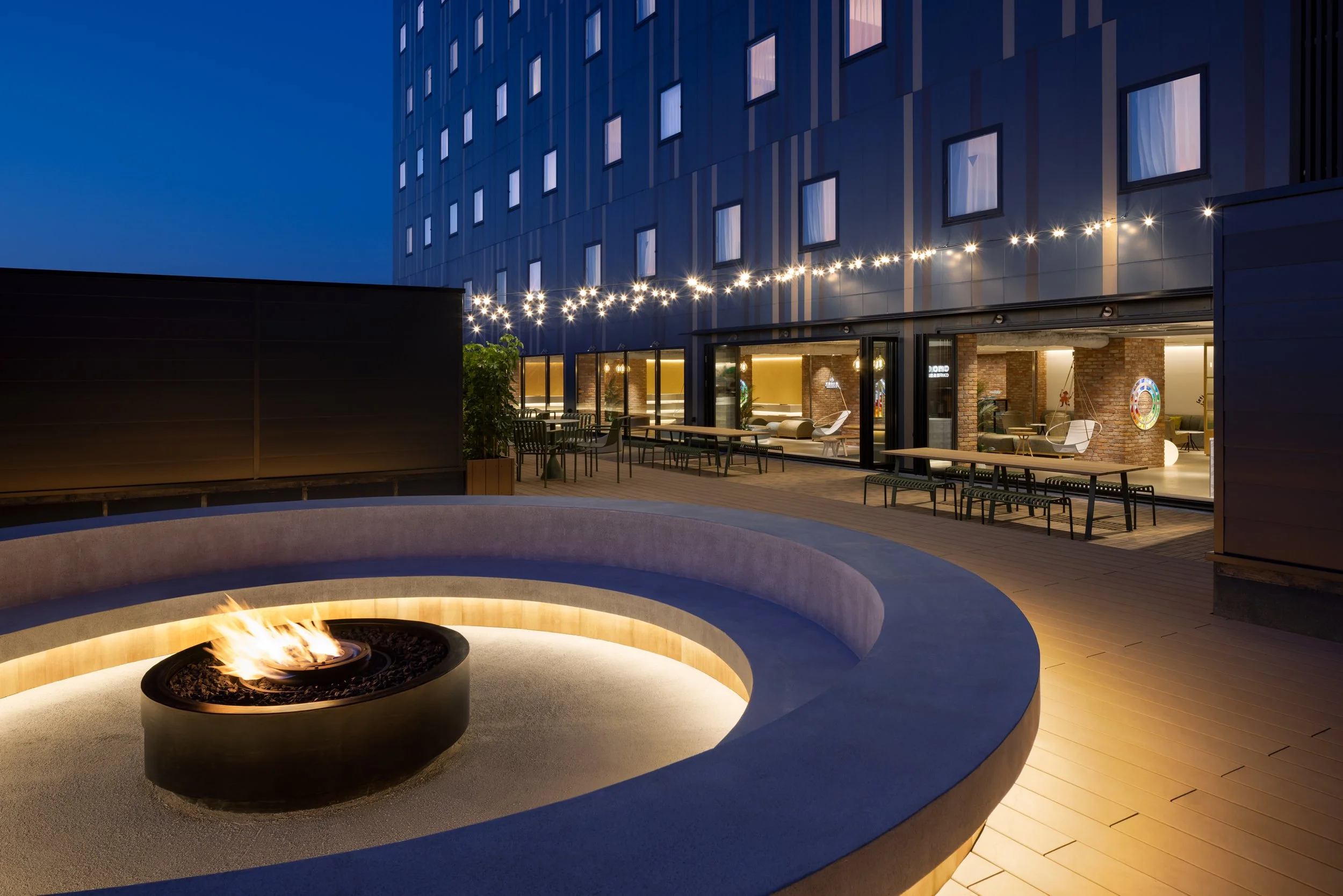
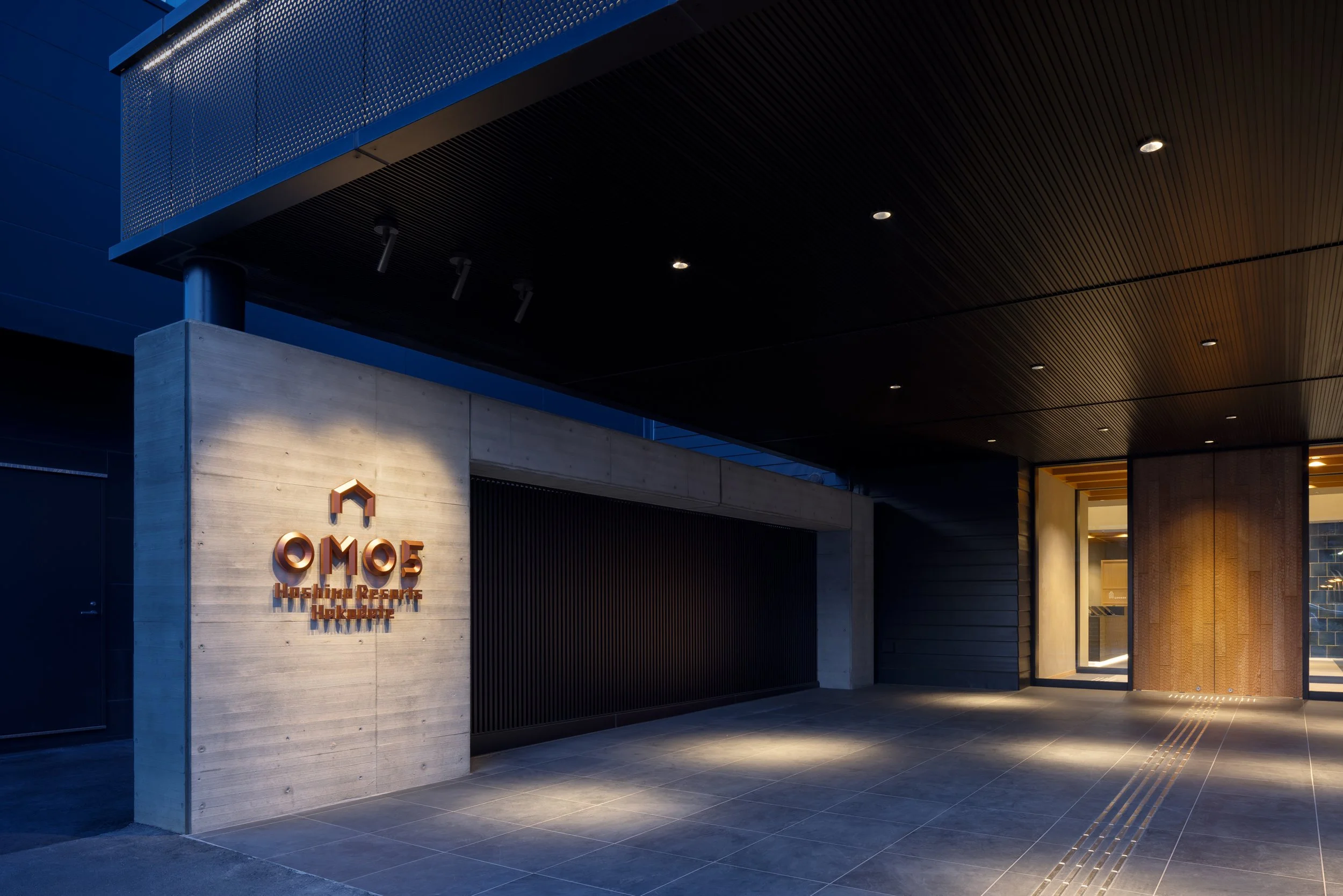
Hakodate has long welcomed travellers, blending trains, ferries, and market streets that lead to its harbour, gradually rising toward Mount Hakodate. One standout option for visitors is OMO5 Hakodate, conveniently located across from the train station. The hotel serves as a gateway to the city, allowing guests to immerse themselves in its atmosphere before they even unpack.
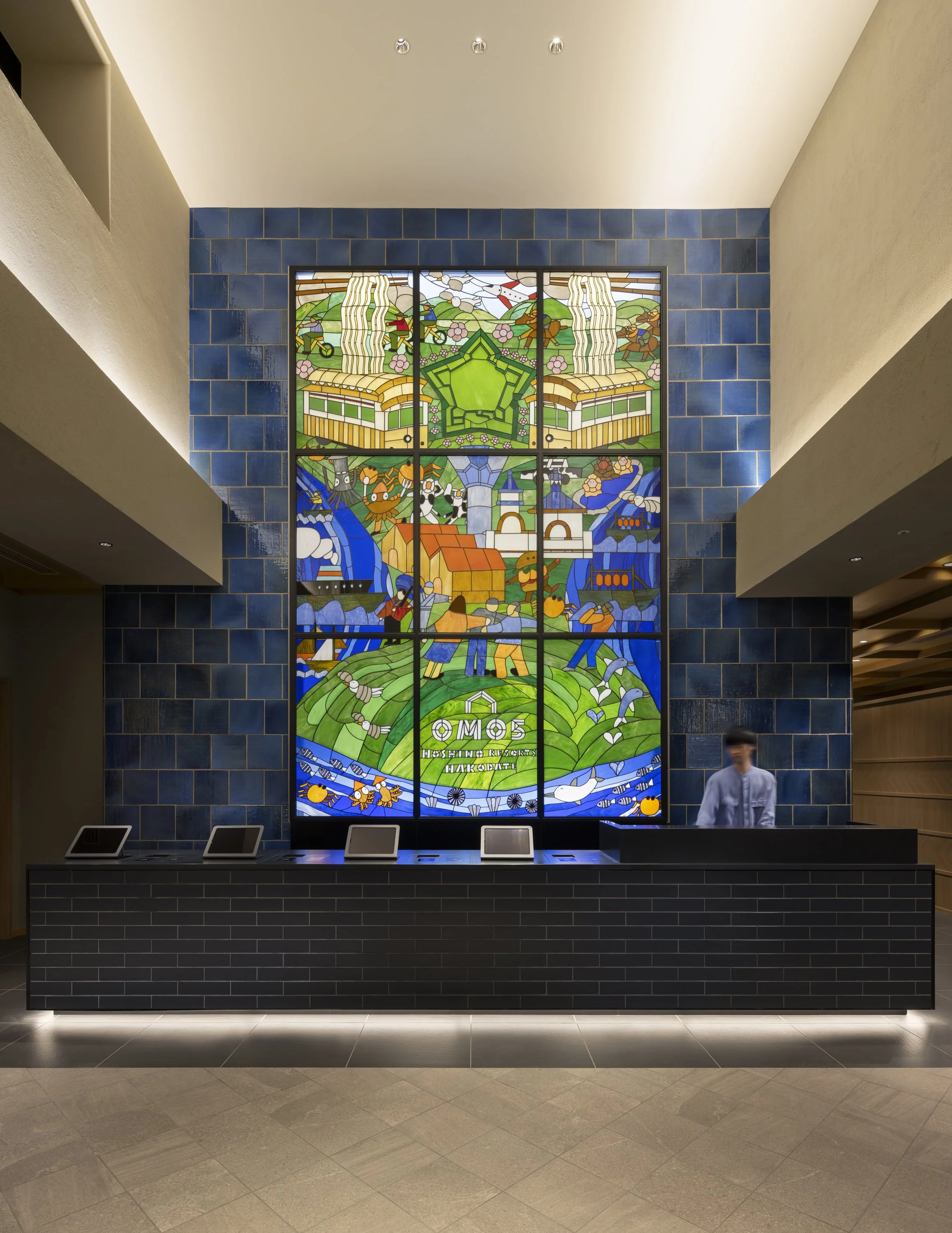
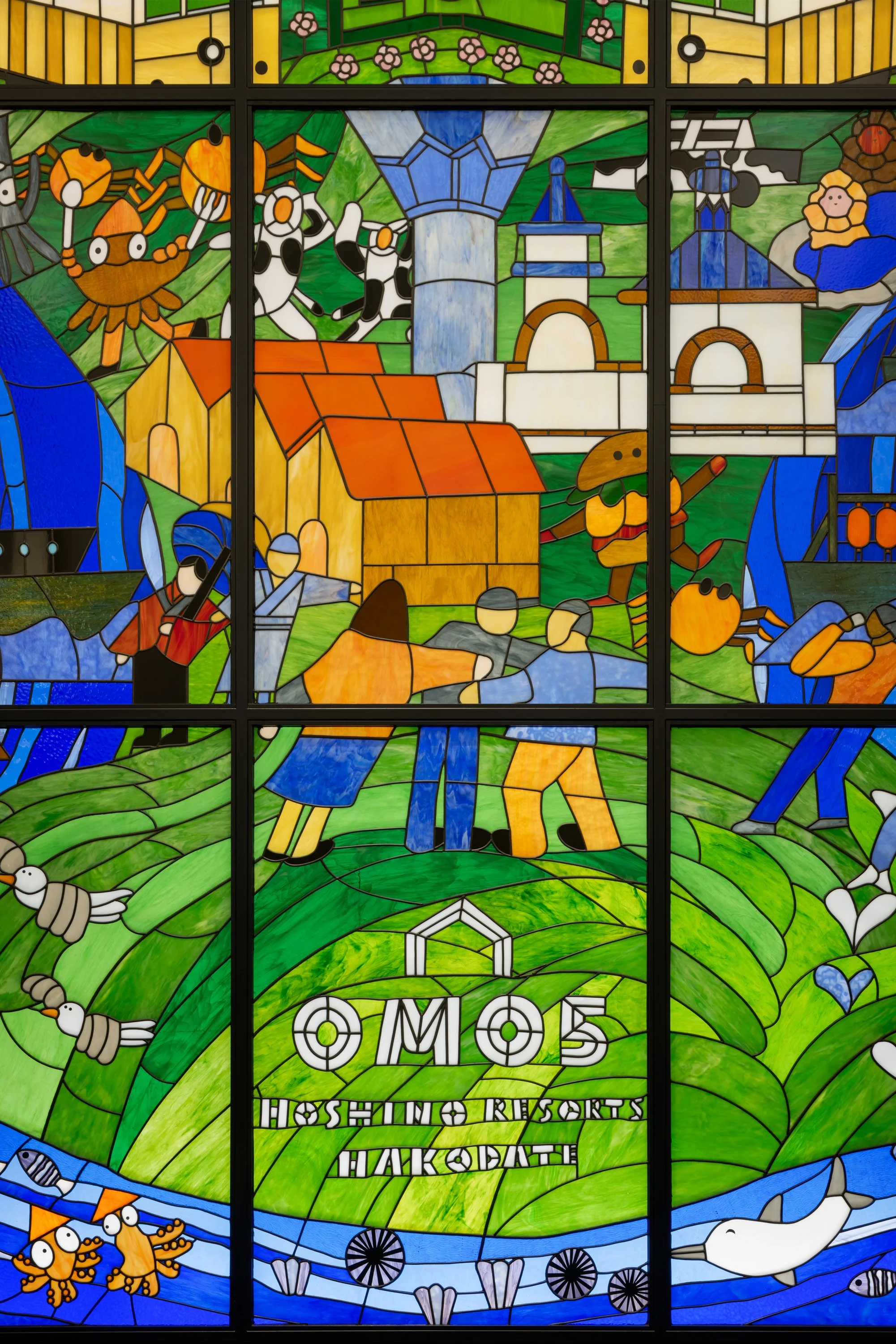
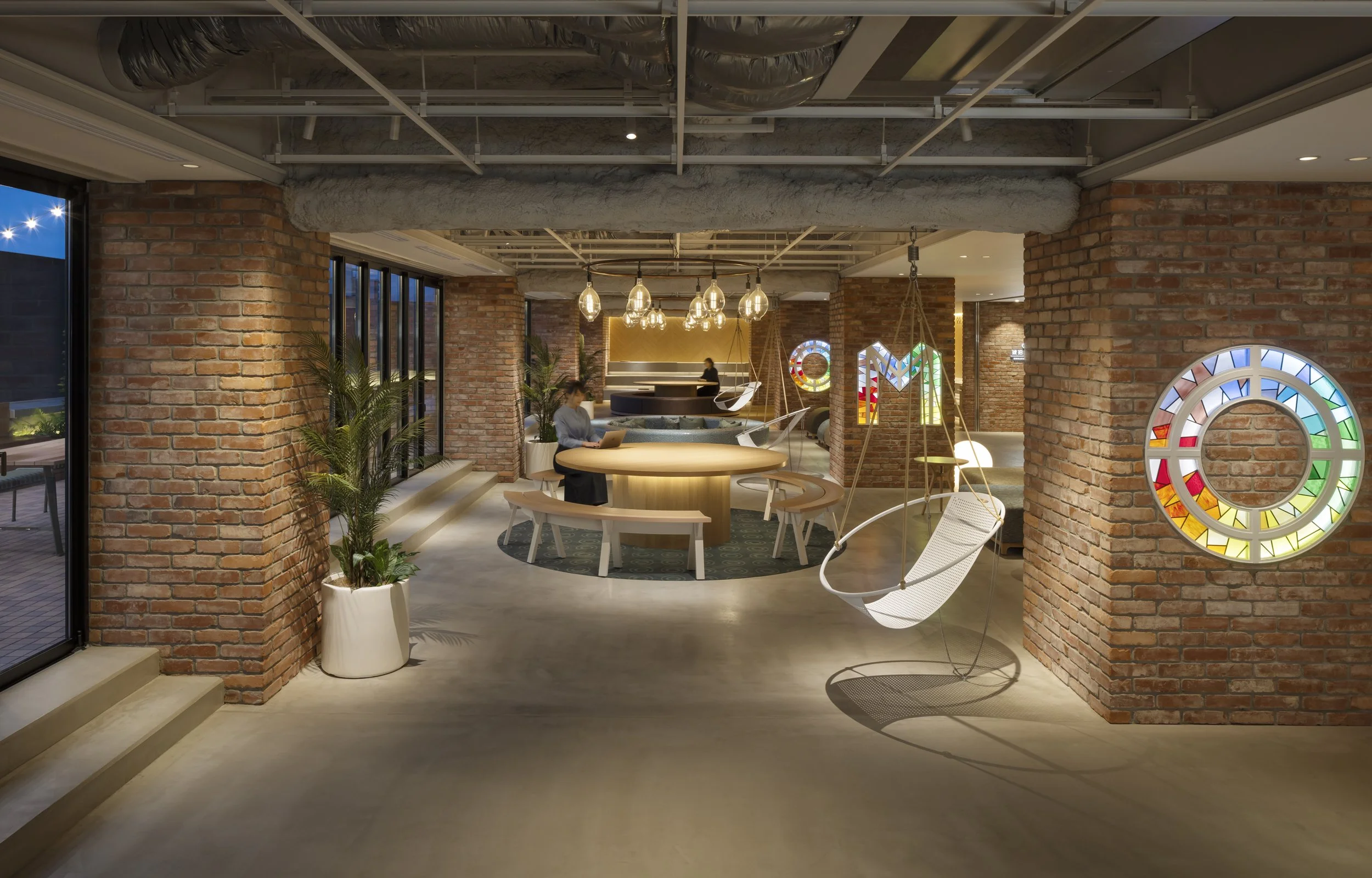
Renovated by fan Inc. for Hoshino Resorts, OMO5 is inspired by the concept of "120% Hakodate." This approach transcends simply showcasing local landmarks, focusing instead on how guests can connect with the city, where they gather, what they notice, and how the hotel encourages exploration beyond its doors. Upon arrival, guests are greeted by a large stained-glass piece at the reception. This artwork, featuring the star-shaped Goryokaku and scenic depictions of the harbour and surrounding landscape, establishes a strong sense of place. Below, the reception desk is designed with calm precision.
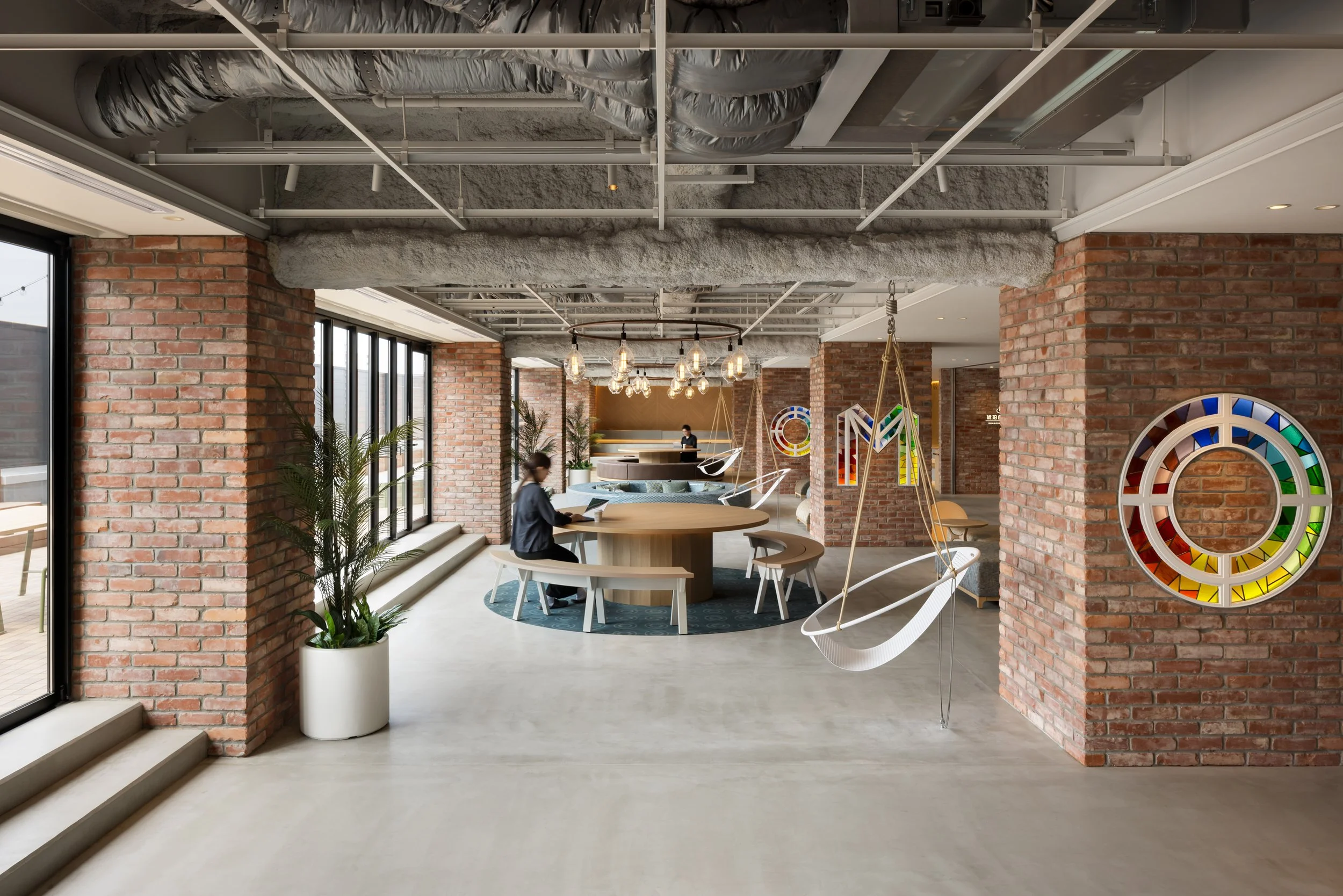
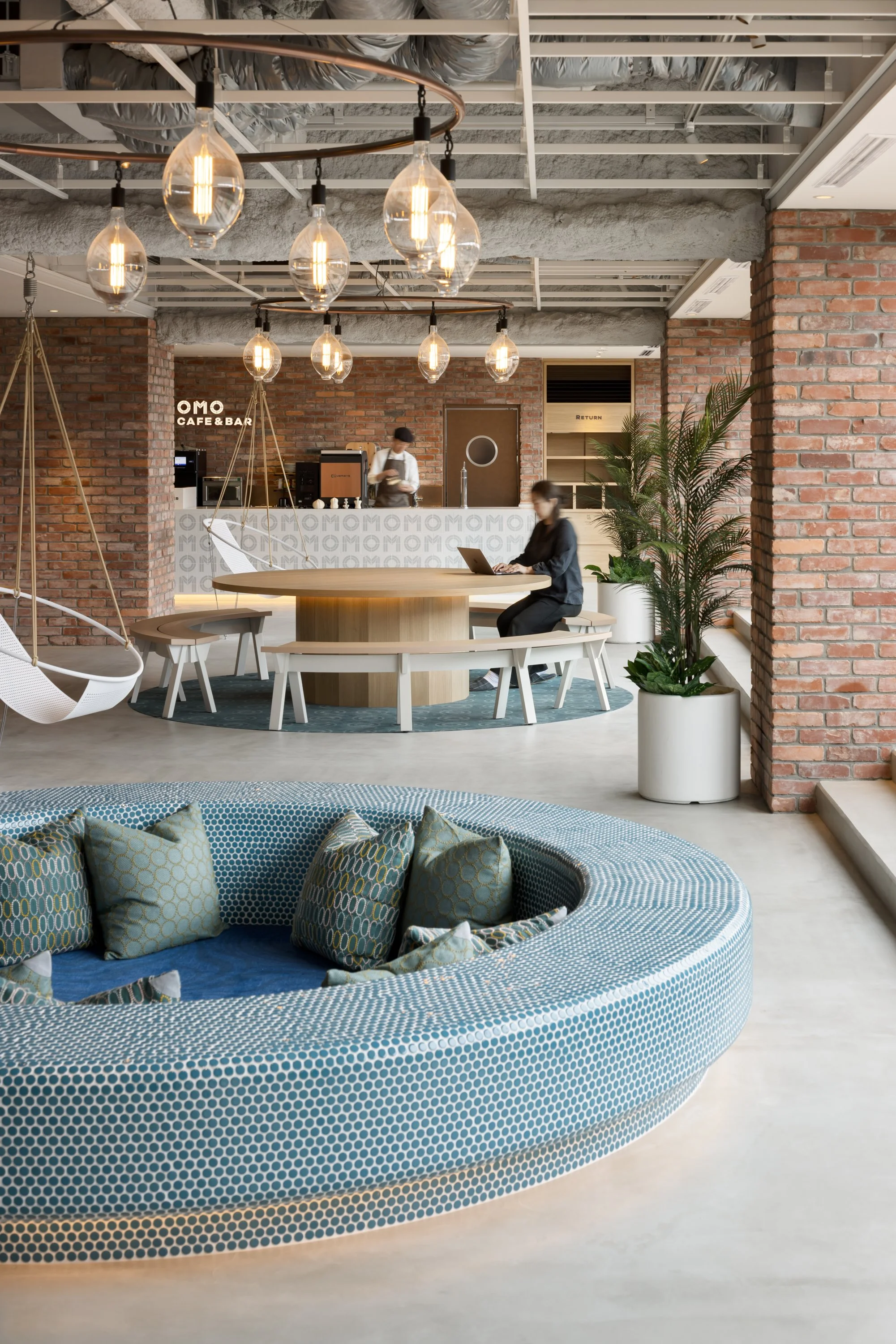
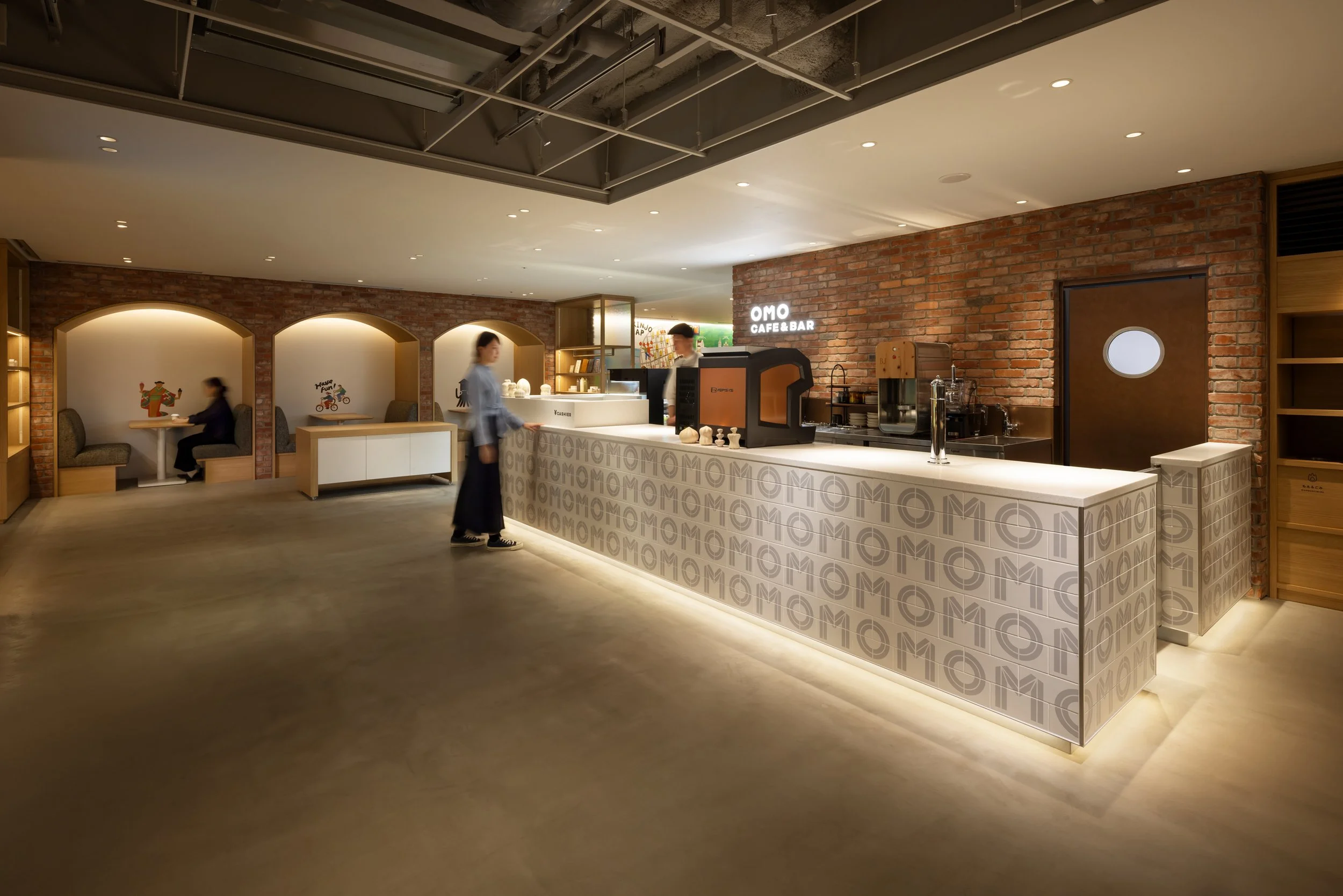
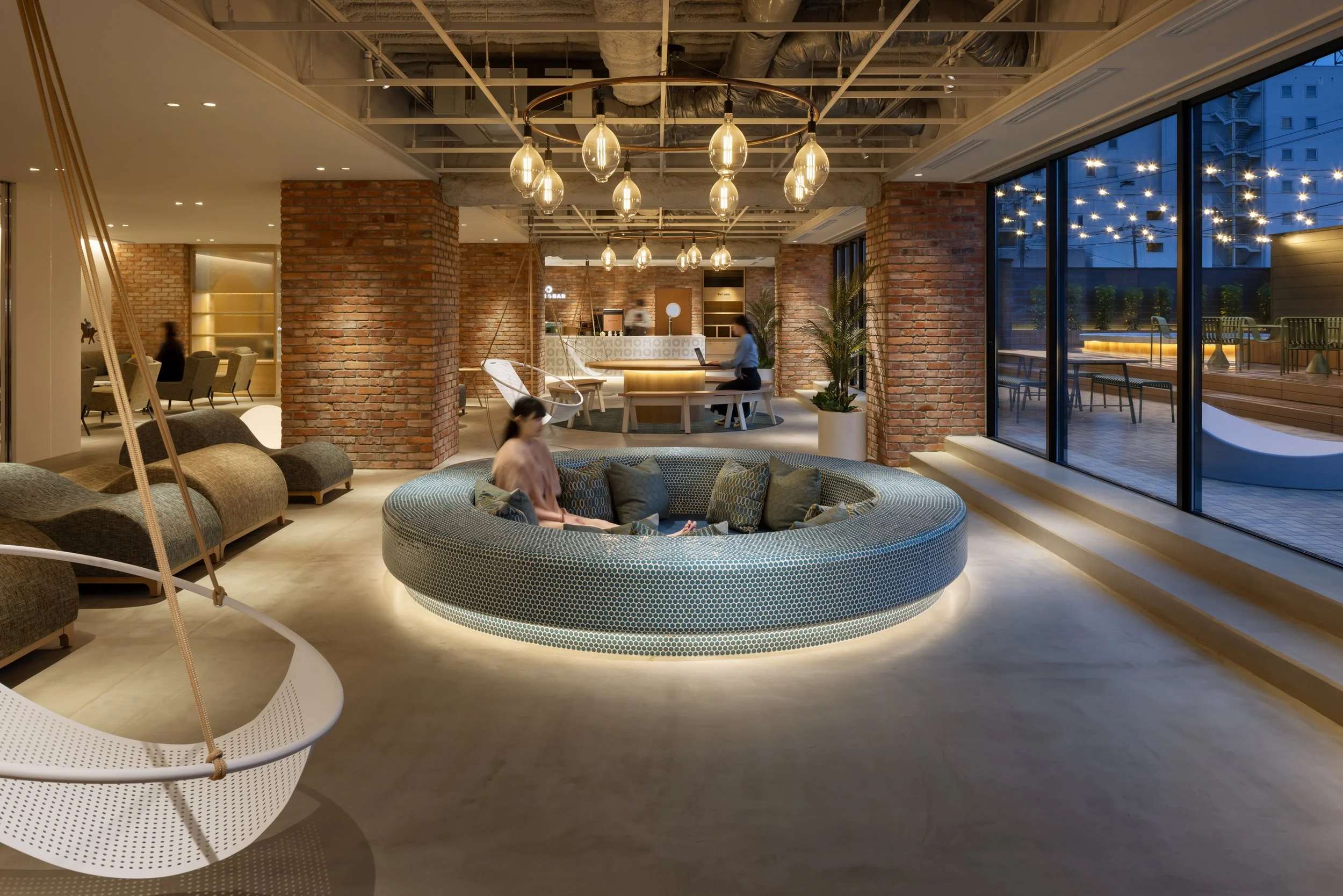
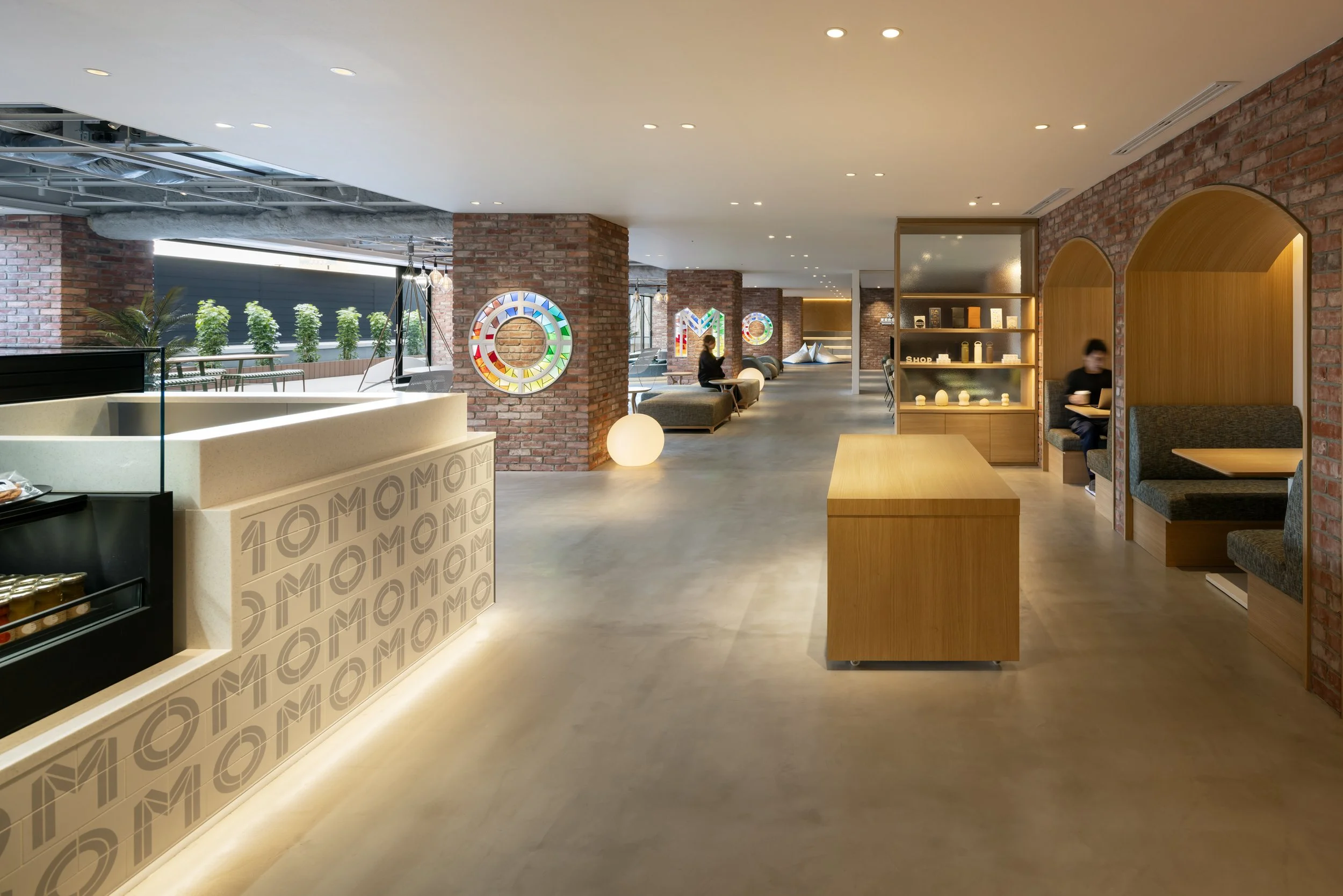
The hotel’s public spaces adopt a more casual, urban vibe. OMO Base reflects the character of Hakodate’s port and warehouse architecture, providing comfortable furniture designed for conversation and relaxation. Its greatest asset is the neighbourhood knowledge it offers. Available maps and local recommendations make the lobby a living guide to the city, inviting guests to discover markets, independent shops, and everyday local life. This connection gives OMO5 Hakodate its unique charm; it’s not just about showcasing the destination but about inviting travellers to engage with it, whether wandering through the market in the morning or exploring the harbour in the afternoon.
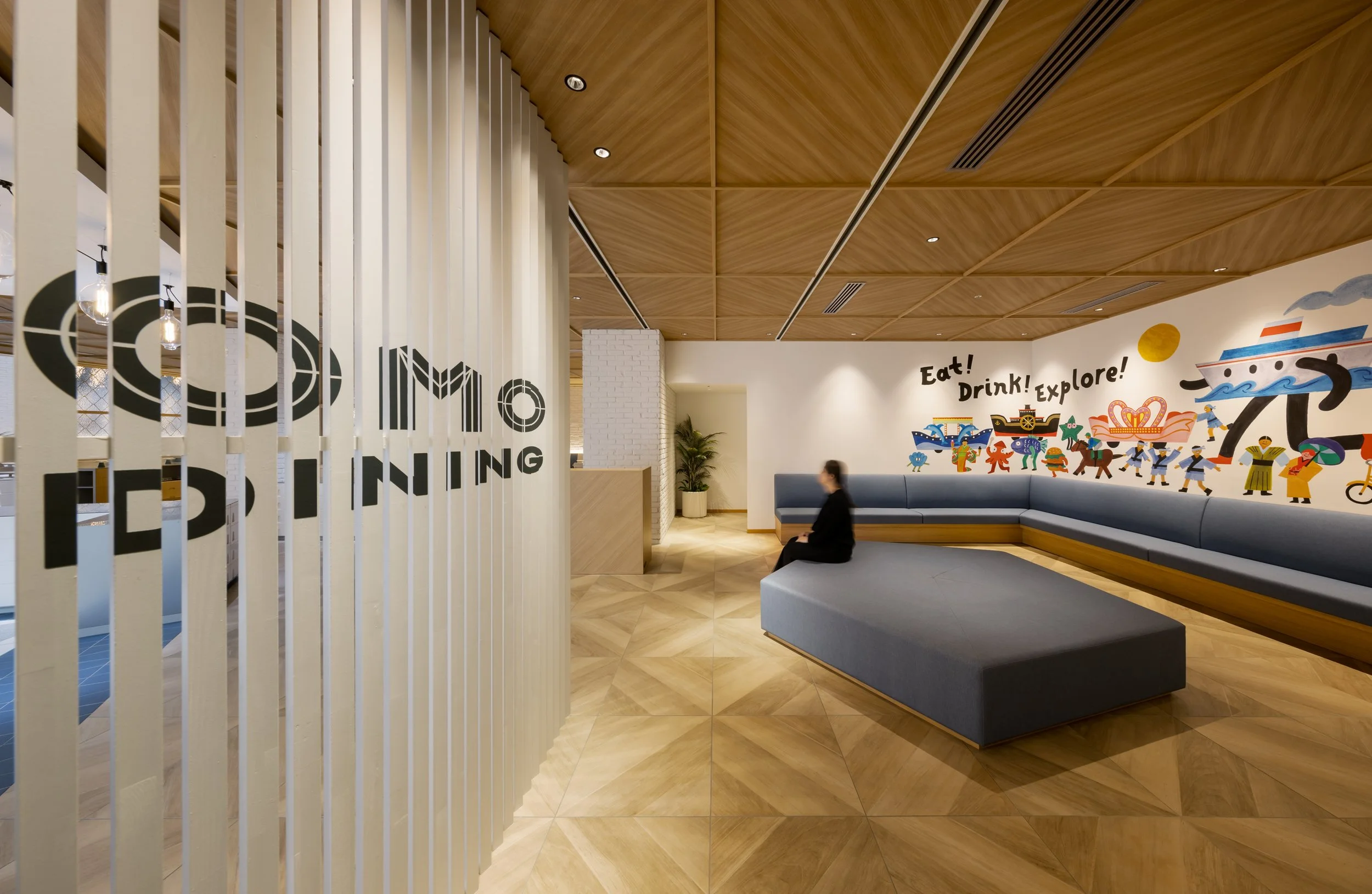
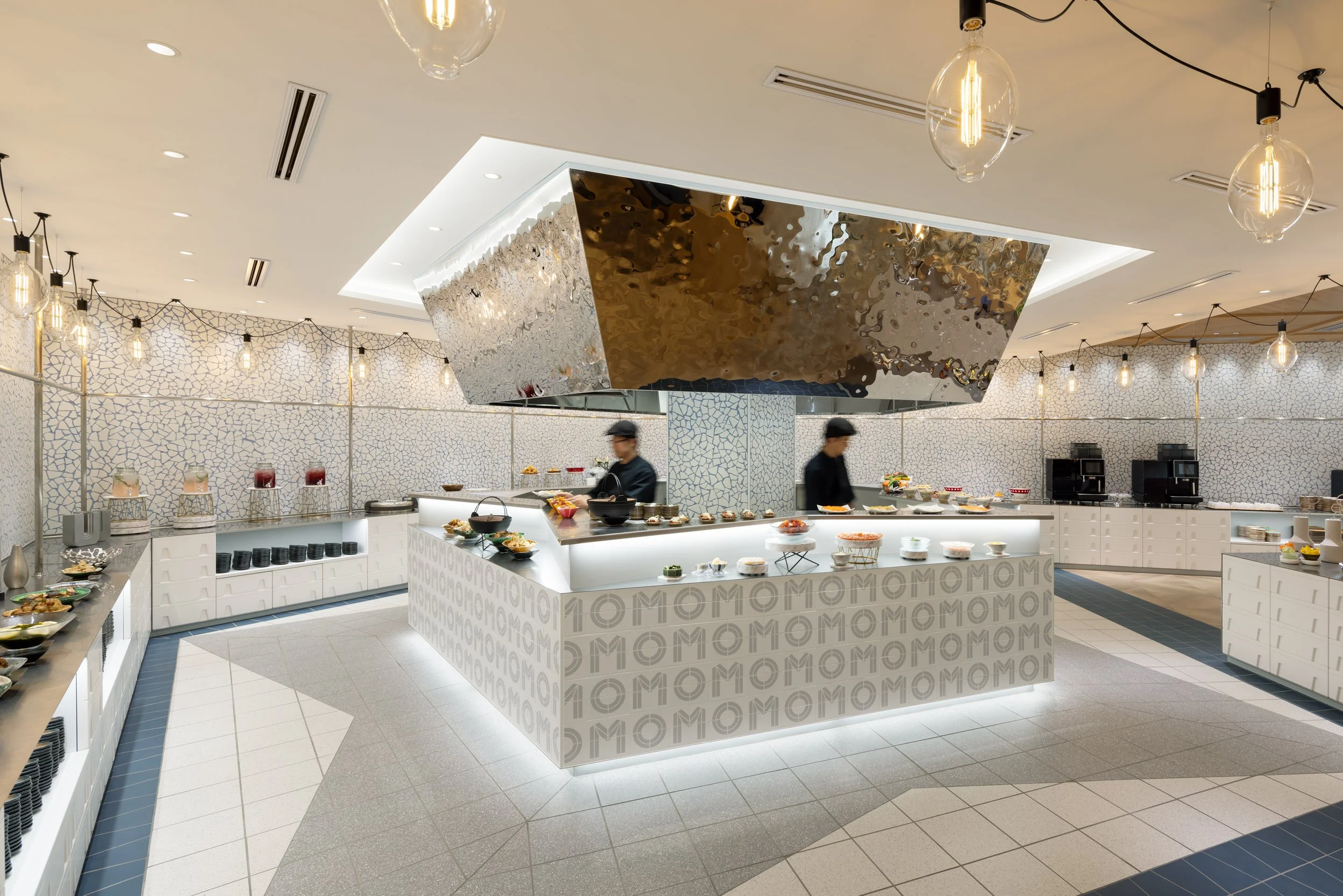
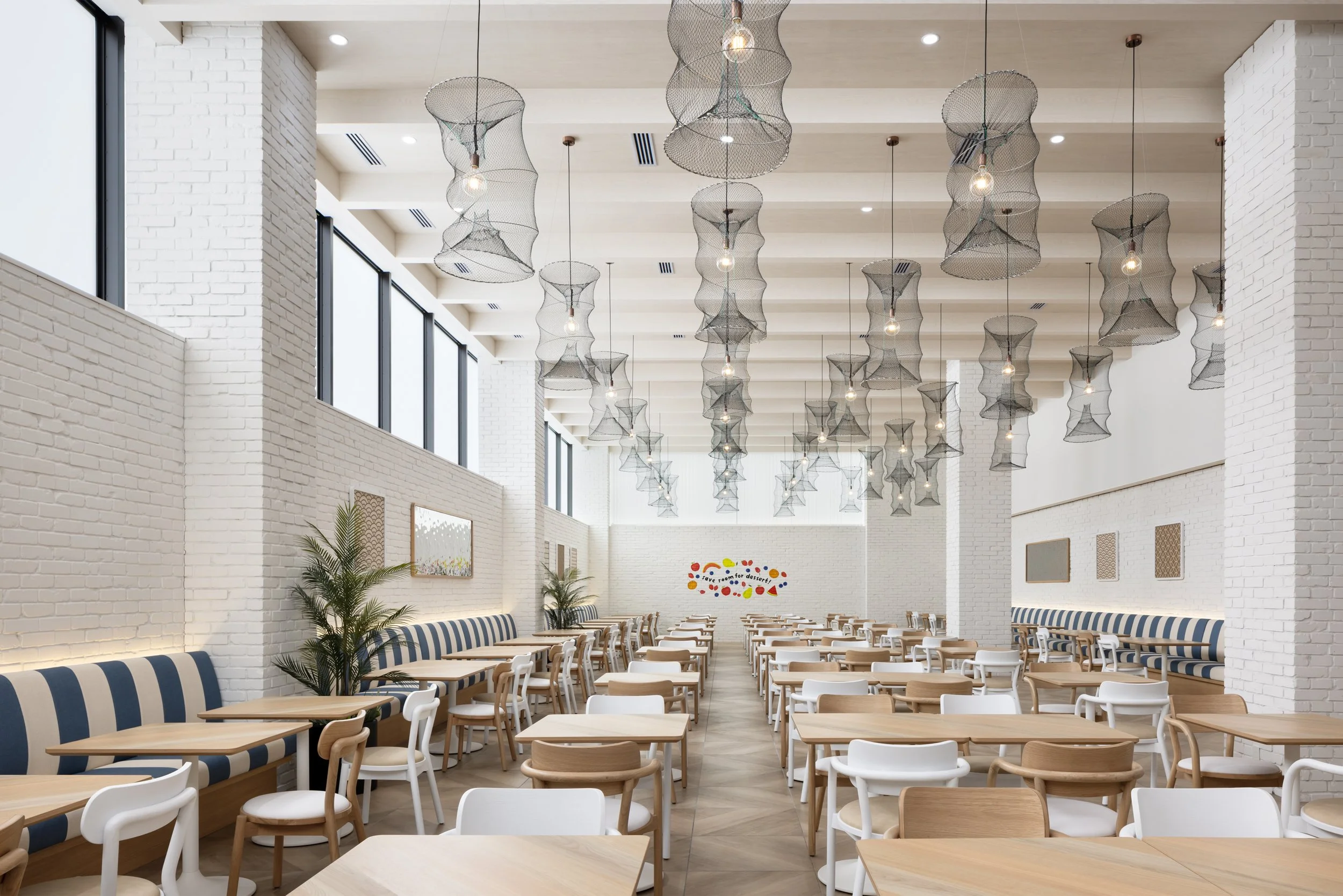
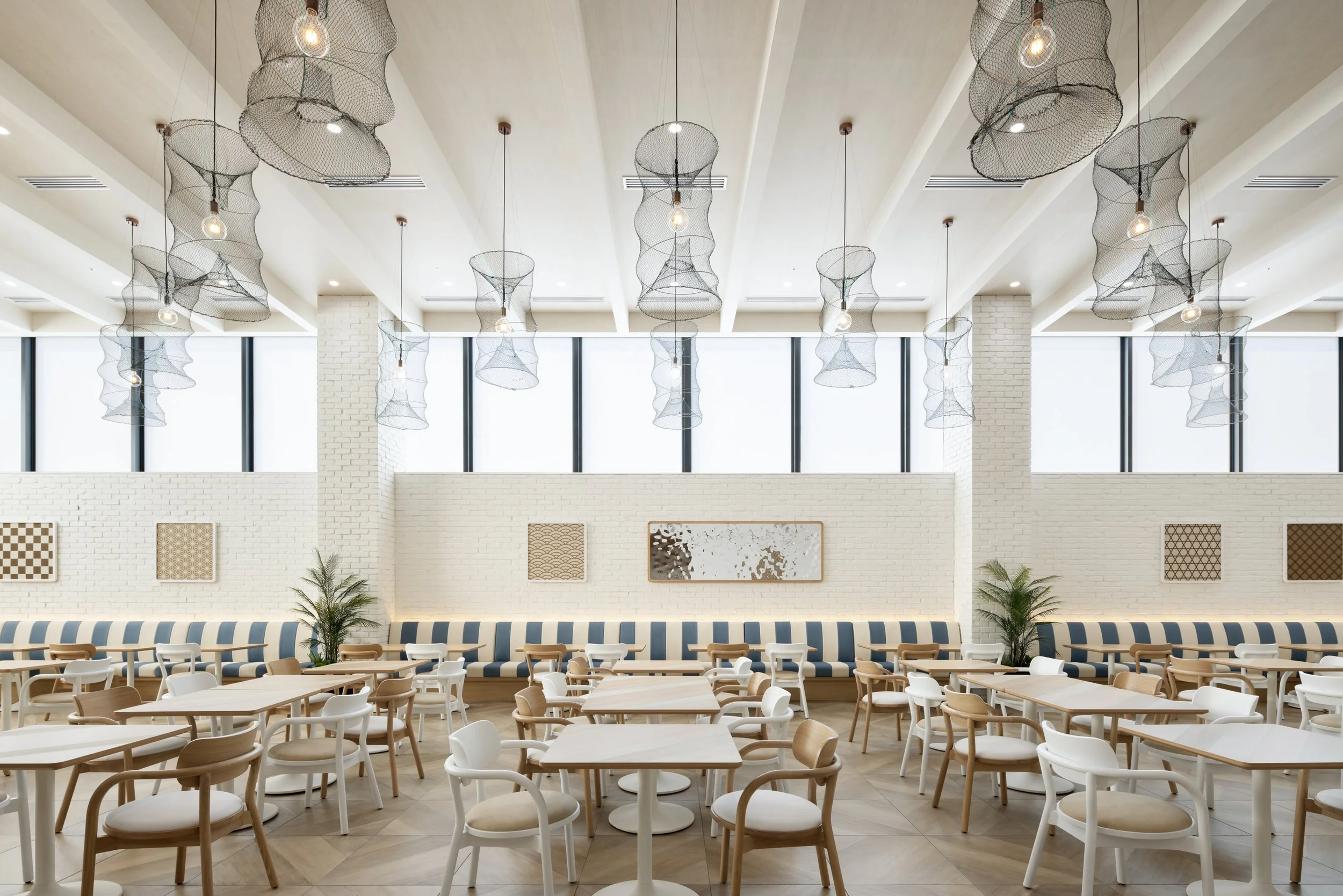
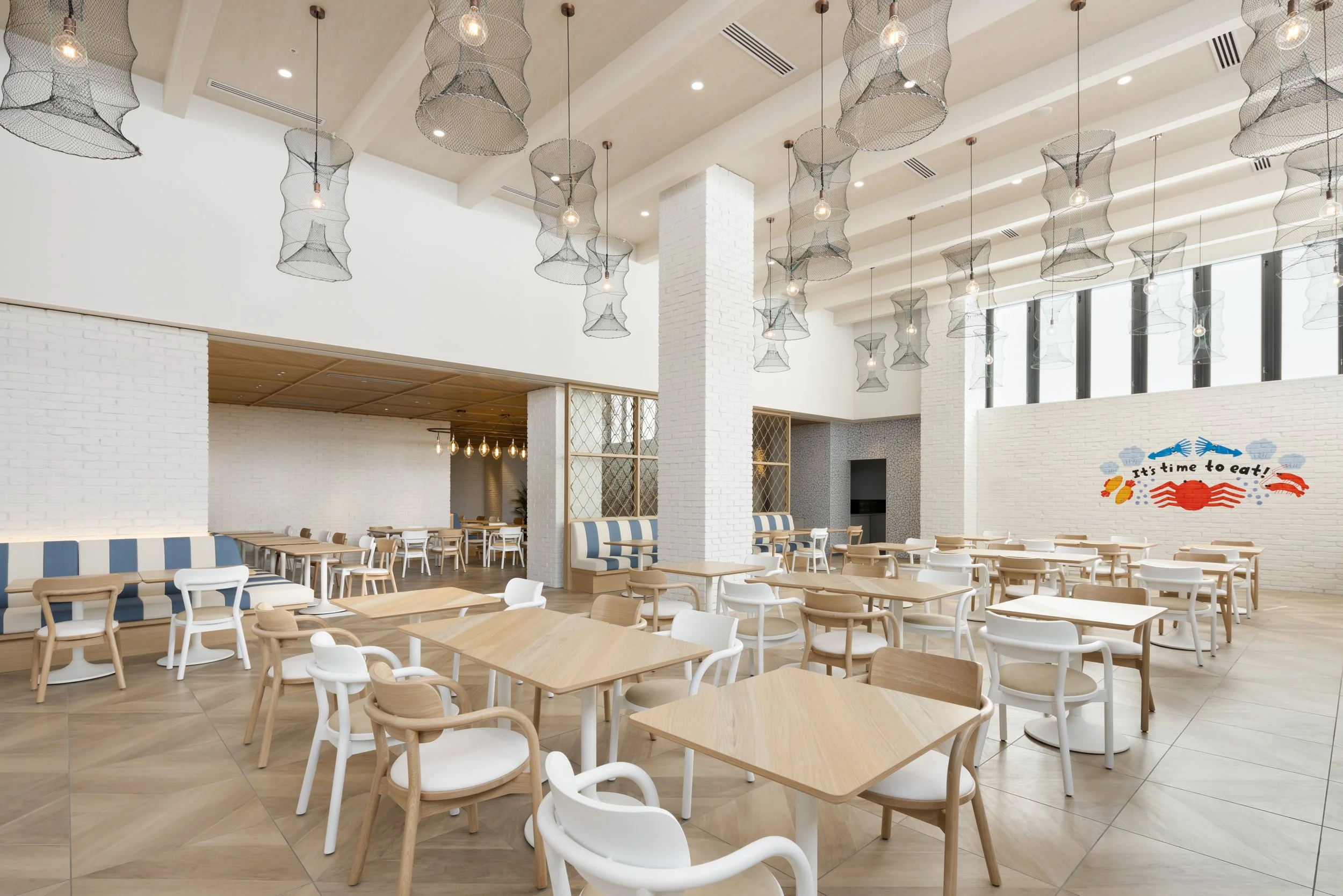
Dining adds another layer to the Hakodate experience. Inspired by the geometry of Goryokaku, the restaurant’s live kitchen features maritime elements like fishing nets and squid, tying it closely to the city’s culture. These details introduce humour and familiarity while enhancing the dining experience. The dining atmosphere varies, transitioning from the open feel of the new dining hall to the cozier ambiance of existing rooms, mirroring the hotel’s daily rhythm. Whether it's a quick breakfast, a lively dinner with friends, or a serene return after a day of exploration, each meal captures the essence of Hakodate’s spirit.
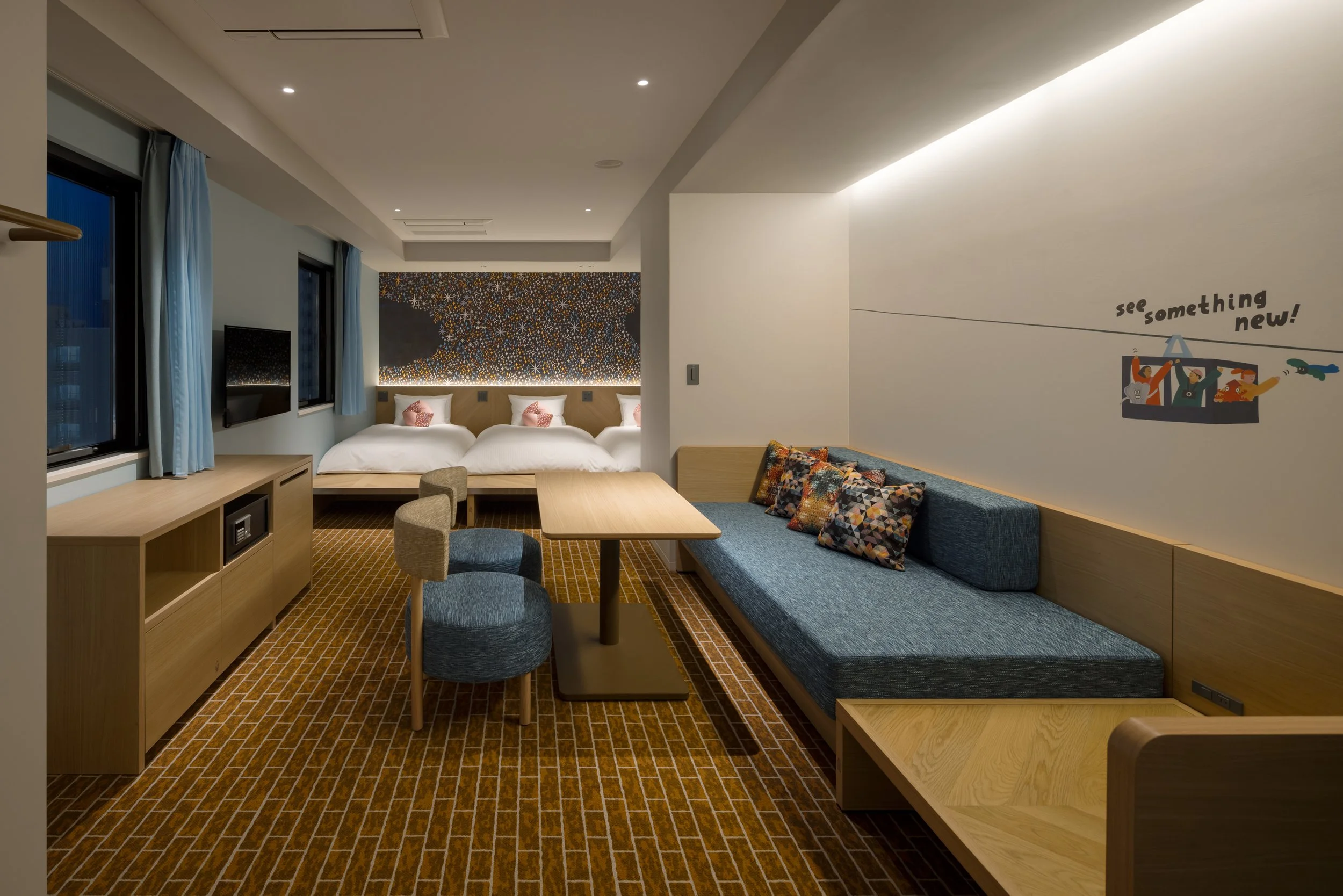
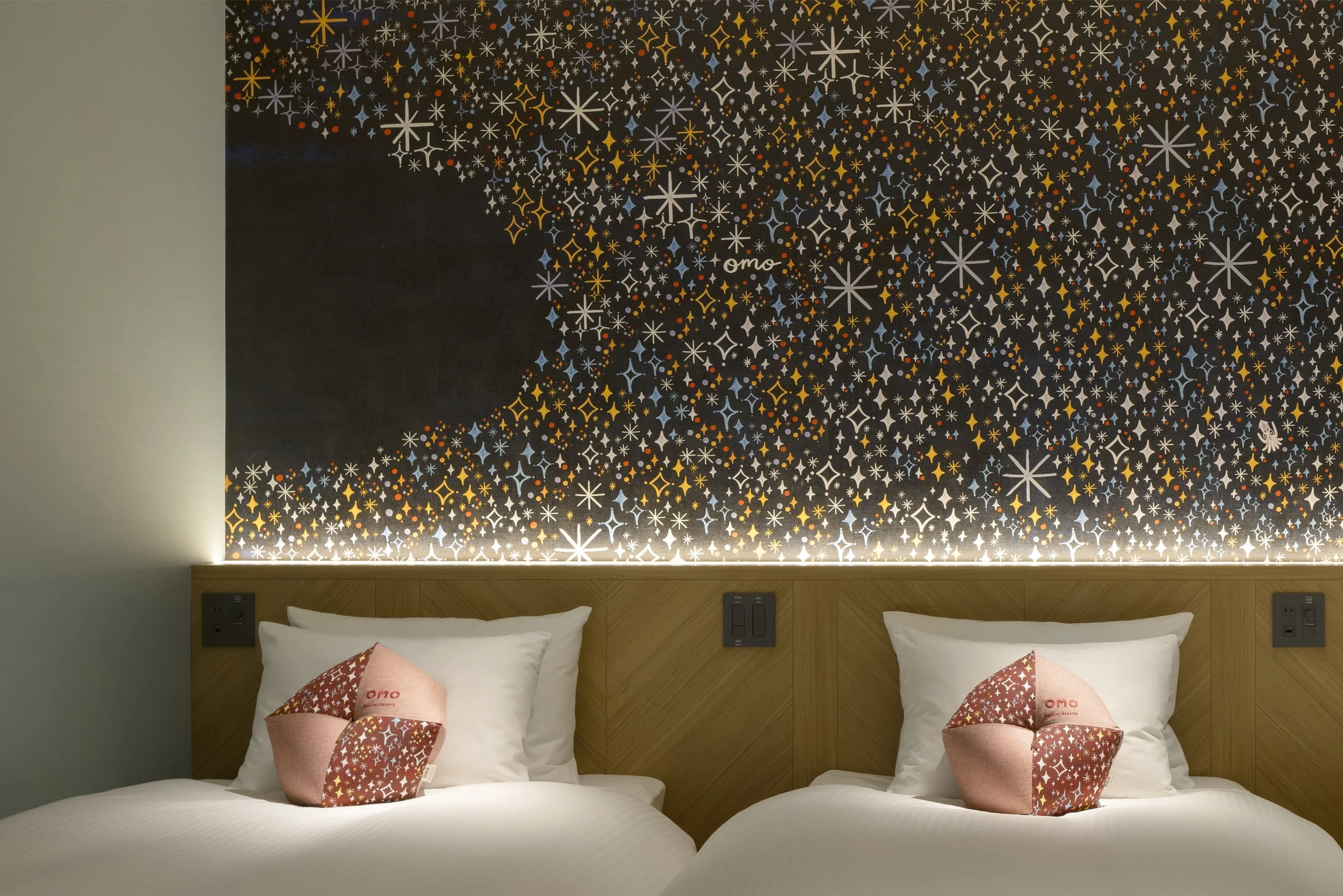
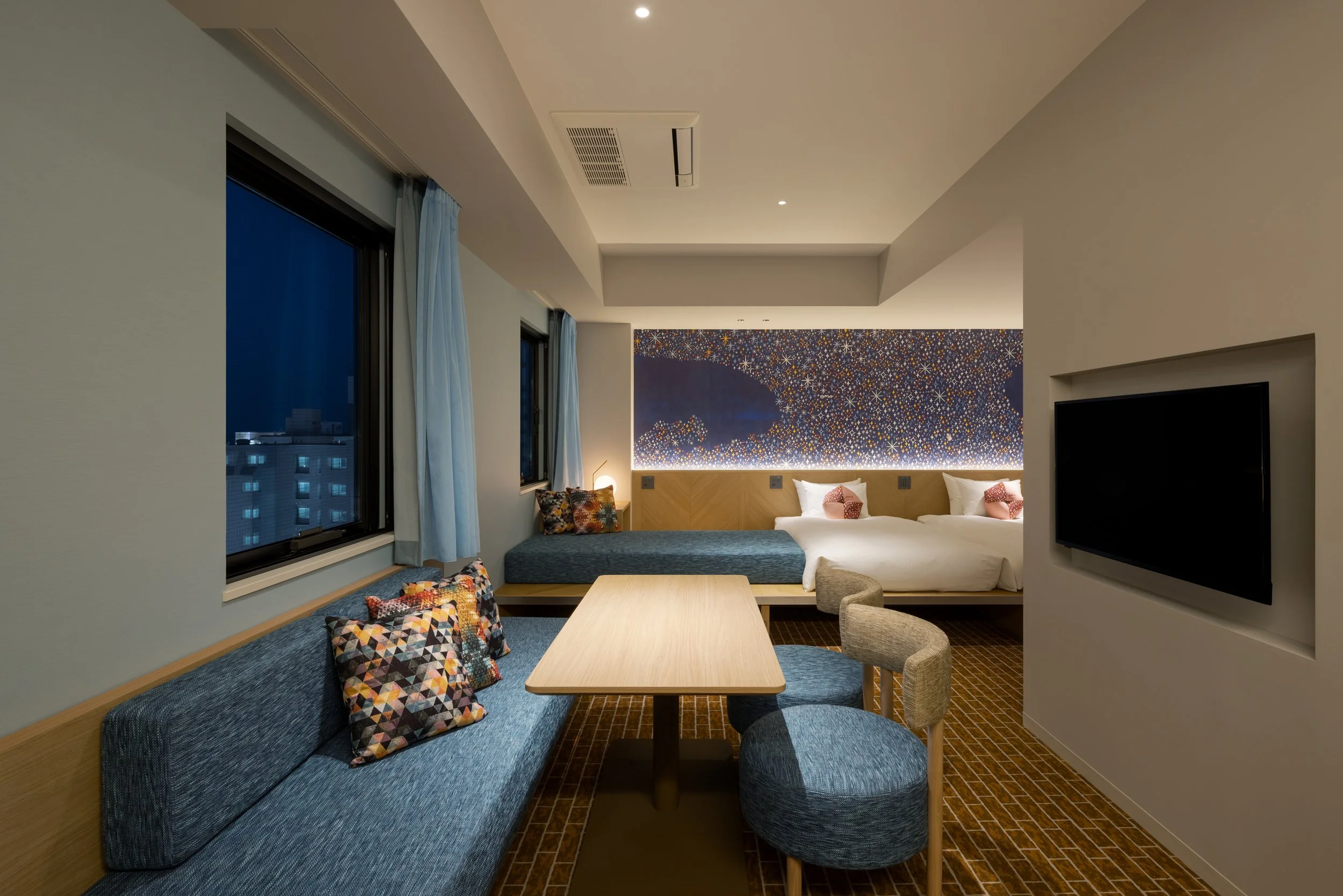
In the guest rooms, the connection to Hakodate deepens. Personal touches, such as illustrations of Mount Hakodate’s stunning night view and subtle squid motifs, reward attentive guests while maintaining a peaceful atmosphere. For design professionals, this project offers insight into how regional identity can inform hospitality design without simply serving decorative purposes. Each design element is functional: stained glass signals arrival, maps guide exploration, the live kitchen shares local lore while fostering social interaction, and room details extend the city's character into personal spaces.
For travellers, the experience feels intuitive. OMO5 Hakodate encapsulates the essence of the city, making it approachable, relatable, and filled with potential. Fan Inc. has crafted a hotel that integrates seamlessly with Hakodate, inviting guests to explore its stories and encouraging them to return to the streets with a deeper understanding of their surroundings.
PEGGY'S EDITOR'S NOTE
A hotel can celebrate local identity and still leave its guests isolated from the place outside. OMO5 Hakodate avoids that contradiction by connecting interior references with practical exploration. The stained glass establishes arrival, the neighbourhood map guides visitors into the city, and the restaurant turns market and port culture into an active dining experience.
The project’s humour works because it is balanced by a clear hospitality programme and contrasting spatial moods. fan Inc. gives guests several ways to engage with Hakodate, from direct information to gradual visual discovery. Local character deepens curiosity about the city instead of replacing the experience of it.
EDITOR'S NOTE
The project is the connection between local narrative and practical hospitality. The stained glass, neighbourhood map, dining references and room graphics each support a different stage of the guest journey. OMO Base is especially effective as an urban living room. Varied furniture, open planning and direct neighbourhood information give the lobby a role beyond waiting, encouraging guests to discuss, plan and return with new knowledge of the city.
The balance between humour and spatial discipline is well judged. Squid lanterns, fishing-net lights and concealed motifs remain memorable because they are contained within clear circulation, contrasting room scales and a coherent material framework.
ORIGINAL DESIGNER SUBMISSION — VERBATIM
Description of the project
As a brand of “urban hotels that boost your travel excitement,” Hoshino Resorts is expanding its “OMO” hotels across Japan. This time, an existing hotel in a prime location in front of Hakodate Station, Hokkaido, has been rebranded as an “OMO” property, with extensions and renovations.
This hotel ʻs concept of "120% Hakodate" incorporating unique local elements of Hakodate are expressed throughout the hotel, aiming for a design that enhances the excitement of travel in true OMO style. At the entrance, guests are welcomed by a huge stained-glass artwork inspired by Hakodateʼs famous tourist attractions. In the public space for guests, called “OMO Base,” includes a “Neighborhood Map” showing local tourist spots and shops, and a relaxing area where guests can unwind with companions before or after exploring the city. We propose various ways to spend time such as relaxing with friends, based on the concept of “designing how guests spend their time and enjoy their stay.”
The buffet restaurant, “OMO Dining,” features a live kitchen shaped like the star of Goryokaku, a major tourist landmark in Hakodate. The lively dining area is designed with elements of Hakodate's morning fish market, including squid-hanging lanterns and pendant lights made from fishing nets, evoking the vibrant atmosphere of the local port. The newly added dining area offers a bright and open hall, contrasted by the calm and cozy feel of the existing lower-ceilinged area, creating dynamic spatial variation. And the artwork dyed with squid ink adds a playful accent to the seating area.
In the guest rooms, illustrations themed around the night view from Mt Hakodate are painted on the walls. also . We also designed a hidden theme, the squid̶symbolic of Hakodate̶can be found in various parts of the room, adding a fun and exciting element to the travel experience. We designed an exciting facility that encapsulates the essence of travel and evokes the unique spirit of Hoshino Resorts. (317 words)
Project: OMO5 Hakodate by Hoshino Resorts
Location: Hakodate, Hokkaido, Japan
Project type: Interior Design — Hotel and Resort / Urban Hotel Renovation and Extension
Designer/company: fan Inc.
Additional credits: Fumihiko Fujii, CEO / Designer
Client/collaborators: Hoshino Resorts