

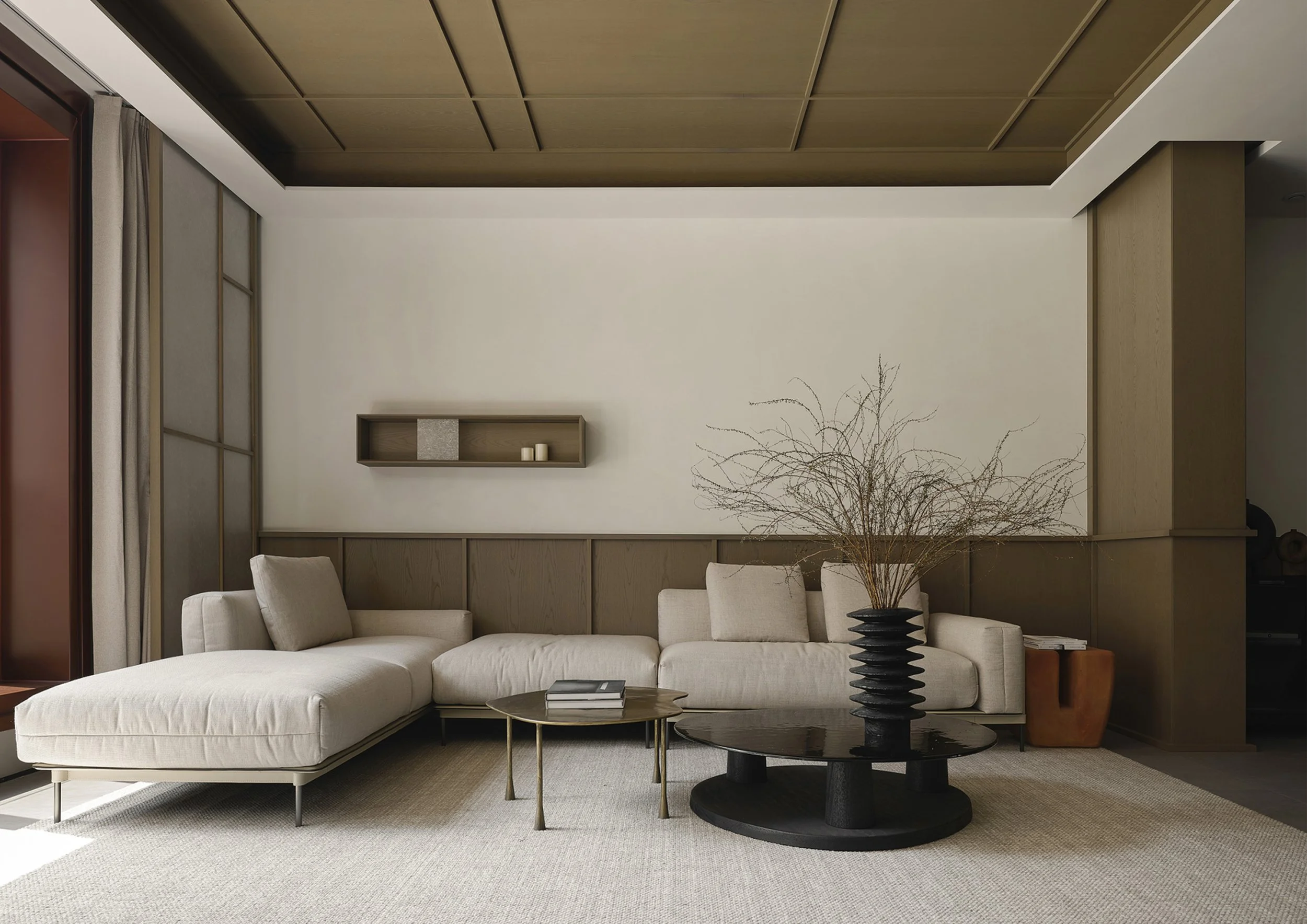
Zimo ● Songjing: A Narrative of Soft Light and Tactile Silence
In the realm of luxury residential interior design, the most successful spaces are those that learn to breathe. The Zimo, Songjing project addresses a classic townhouse renovation dilemma: a narrow, deep-plan layout disconnected from the natural world. Our design intervention reimagines the home not through restrictive walls, but through a central "well of light." By introducing a rhythmic three-flight staircase and a weightless glass elevator, the interior is transformed into a vertical gallery. This natural light optimization allows sunbeams to cascade from the rooftop to the ground floor, turning a once-dark passage into a glowing heart where minimalist aesthetics and daily life converge in a play of glass and shadow.
In the refined sphere of residential design, the most successful spaces are those that cultivate a sense of openness and vitality. Zimo ● Songjing encountered a quintessential interior challenge: a narrow and elongated floor plan that felt isolated from the natural environment. This challenge was addressed not by adding boundaries, but by introducing a central "well of light." The addition of a gracefully articulated three-flight staircase and an elegant glass elevator transformed the interior into a vertical gallery. Sunlight now pours from the rooftop to the ground floor, converting the heart of the home from a dim corridor into a luminous core where the subtle imprints of daily life are revealed in glass and shadow.
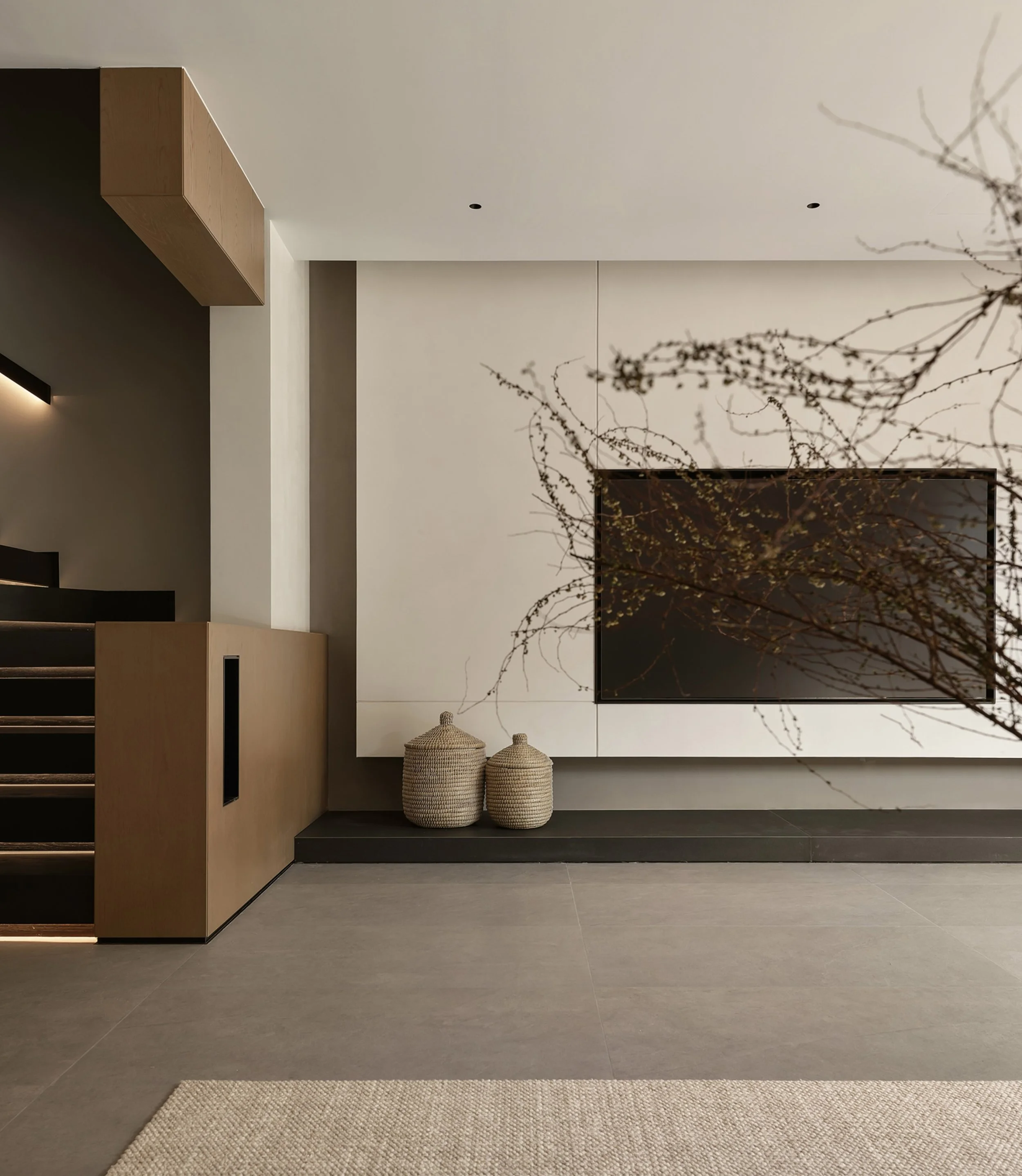
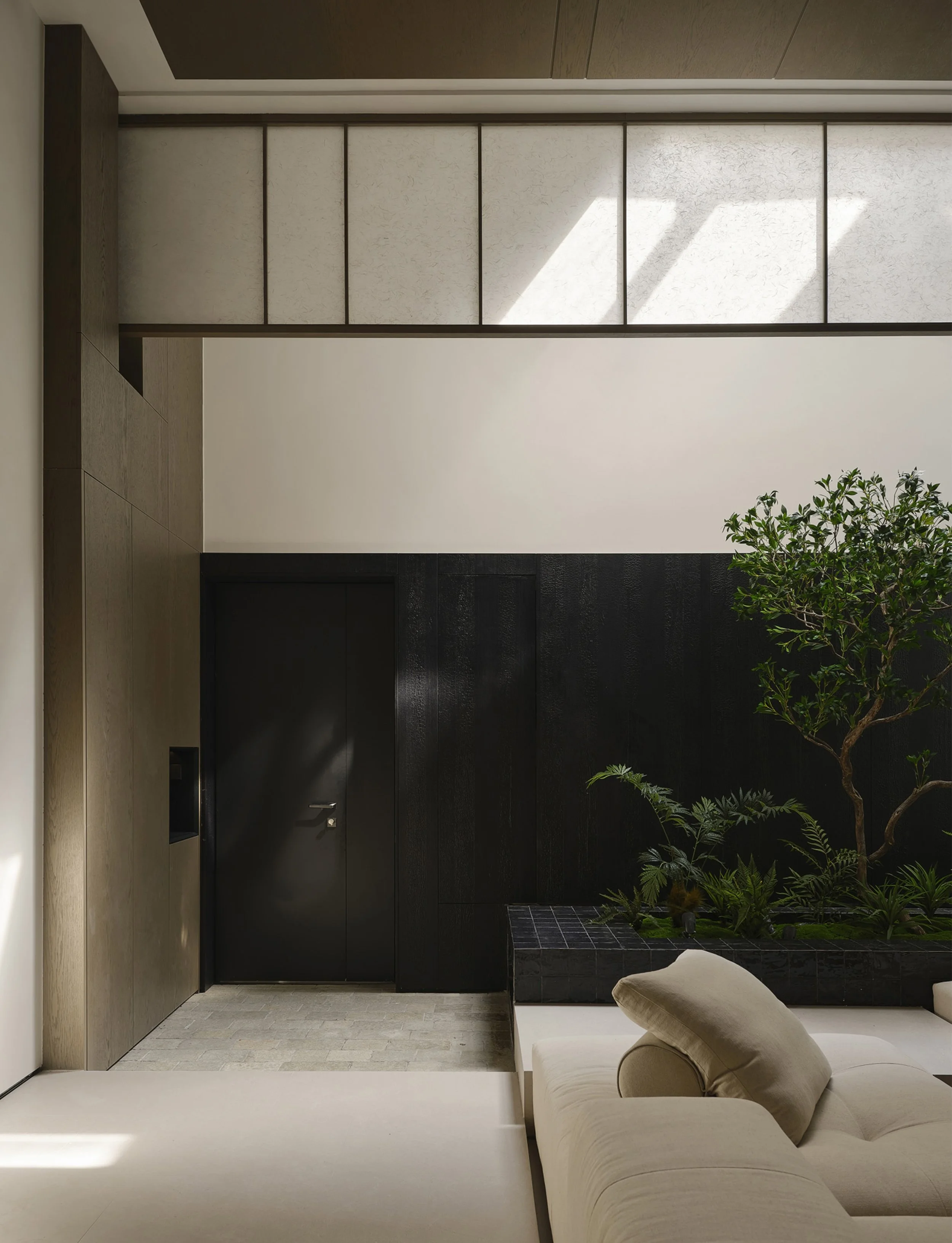
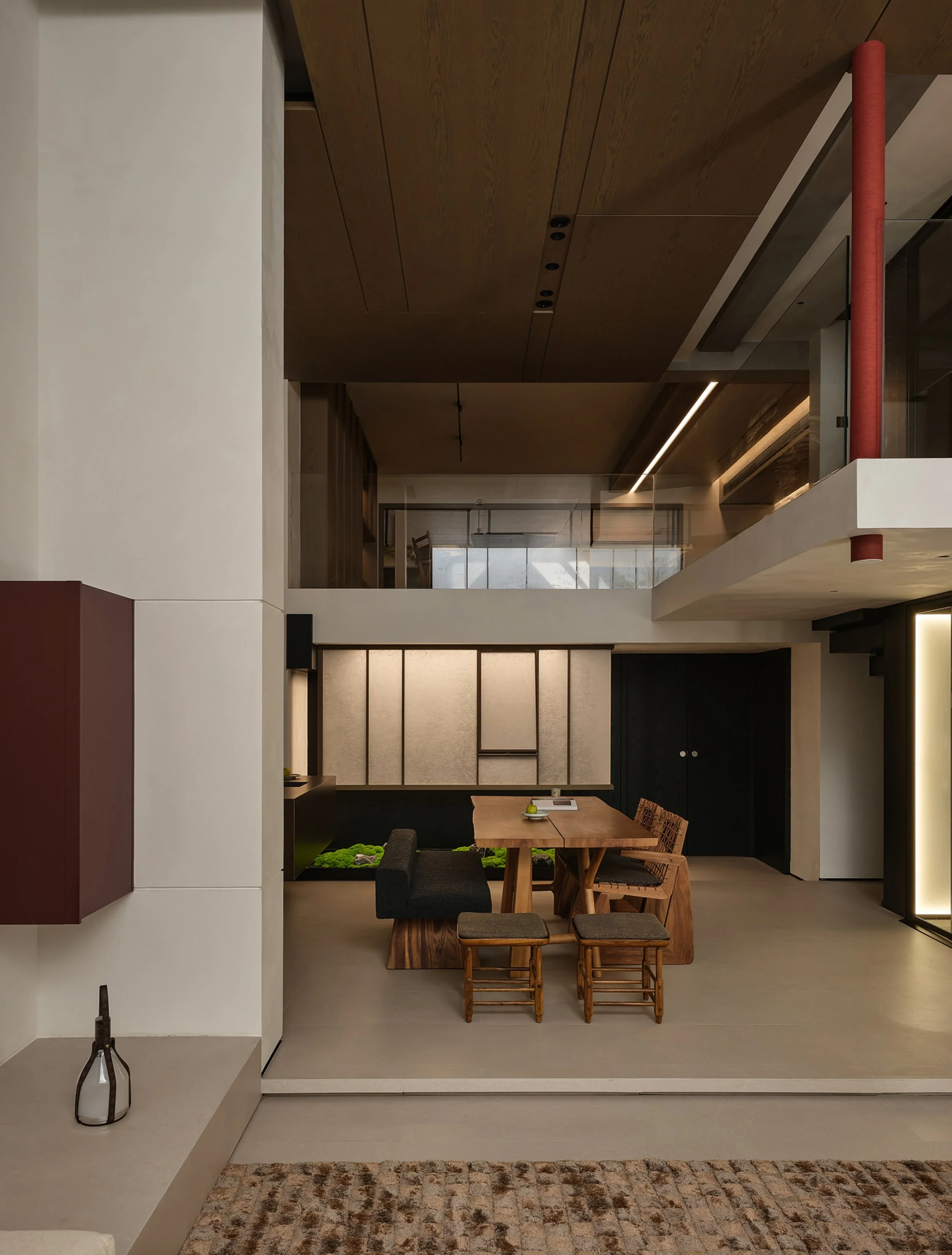
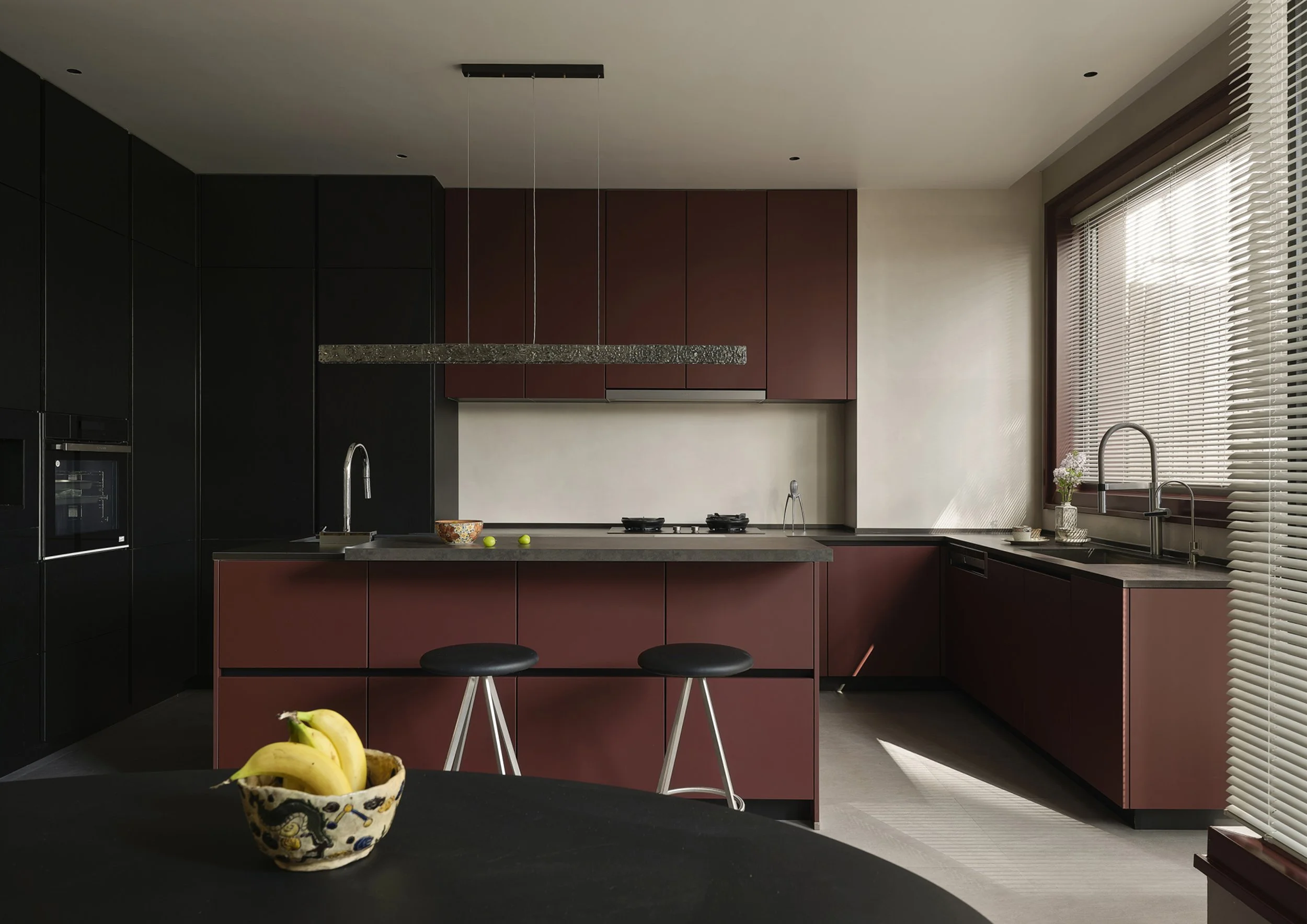
The home's layout is orchestrated through a deliberate choreography of space, distinctly separating communal areas from private retreats. The lower levels, which comprise the basement, ground floor, and mezzanine, are curated for refined living and entertaining. These spaces are open and fluid, thoughtfully designed to accommodate the vibrant gatherings of guests and family. Ascending through the home, the atmosphere transitions toward intimacy and repose. The second and third floors are dedicated to restful rituals, featuring tranquil bedrooms and private dressing suites. This layered spatial organization establishes a clear distinction between activity and serenity, ensuring the residence remains a sanctuary amid the urban landscape.
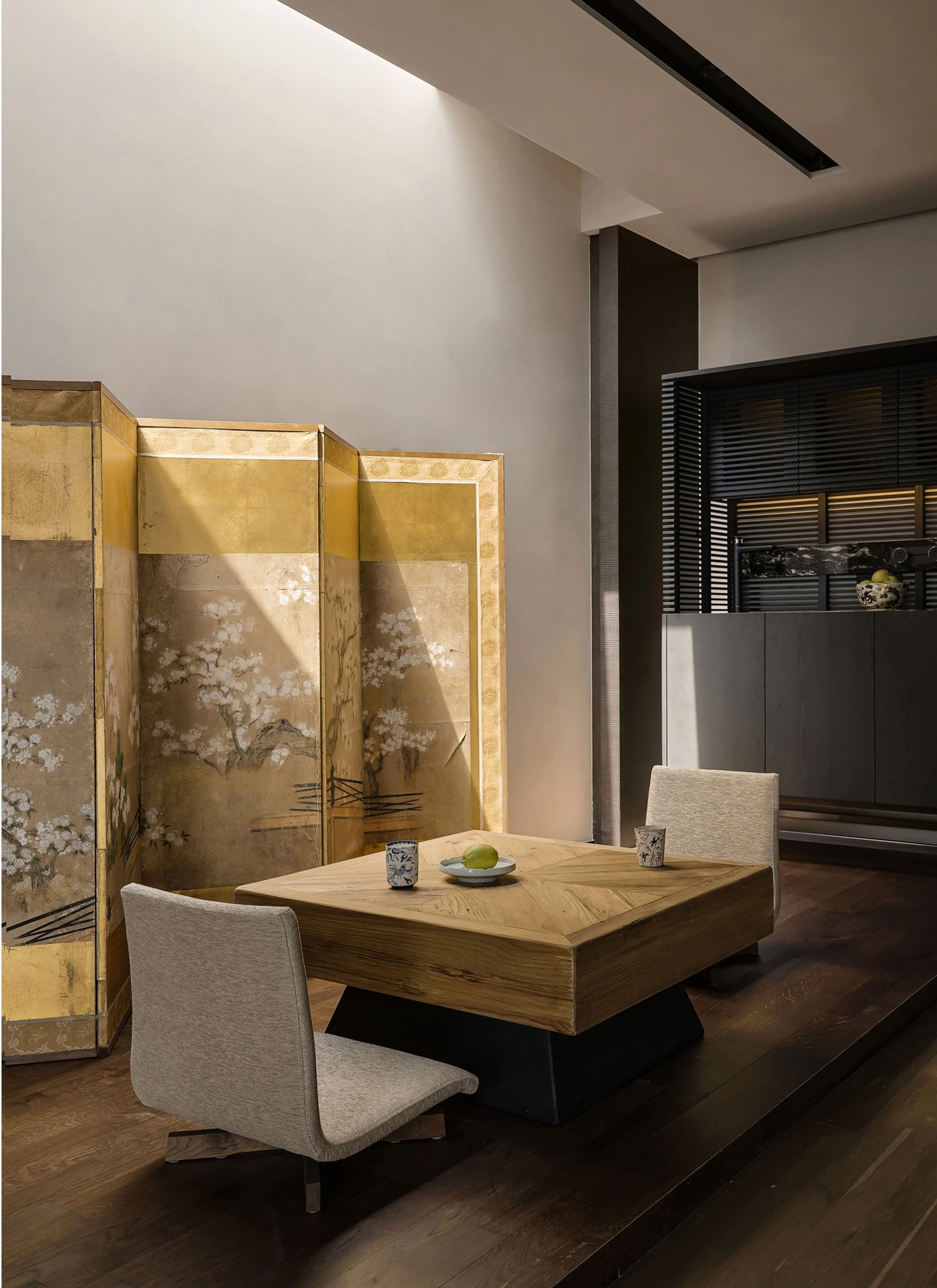
The master suite, located on the third floor, exemplifies the poetry of daily life. The design team chose to open the volume above the tatami area, allowing the afternoon sun to cast dynamic patterns across the walls. Eschewing sterile, flat finishes, the walls are instead adorned with deep, hand-applied textures that interact with light and imbue the room with organic warmth. These nuanced surfaces, combined with rustic screens and rich, grounding timbers, cultivate an ambiance that is enduring rather than ephemeral.
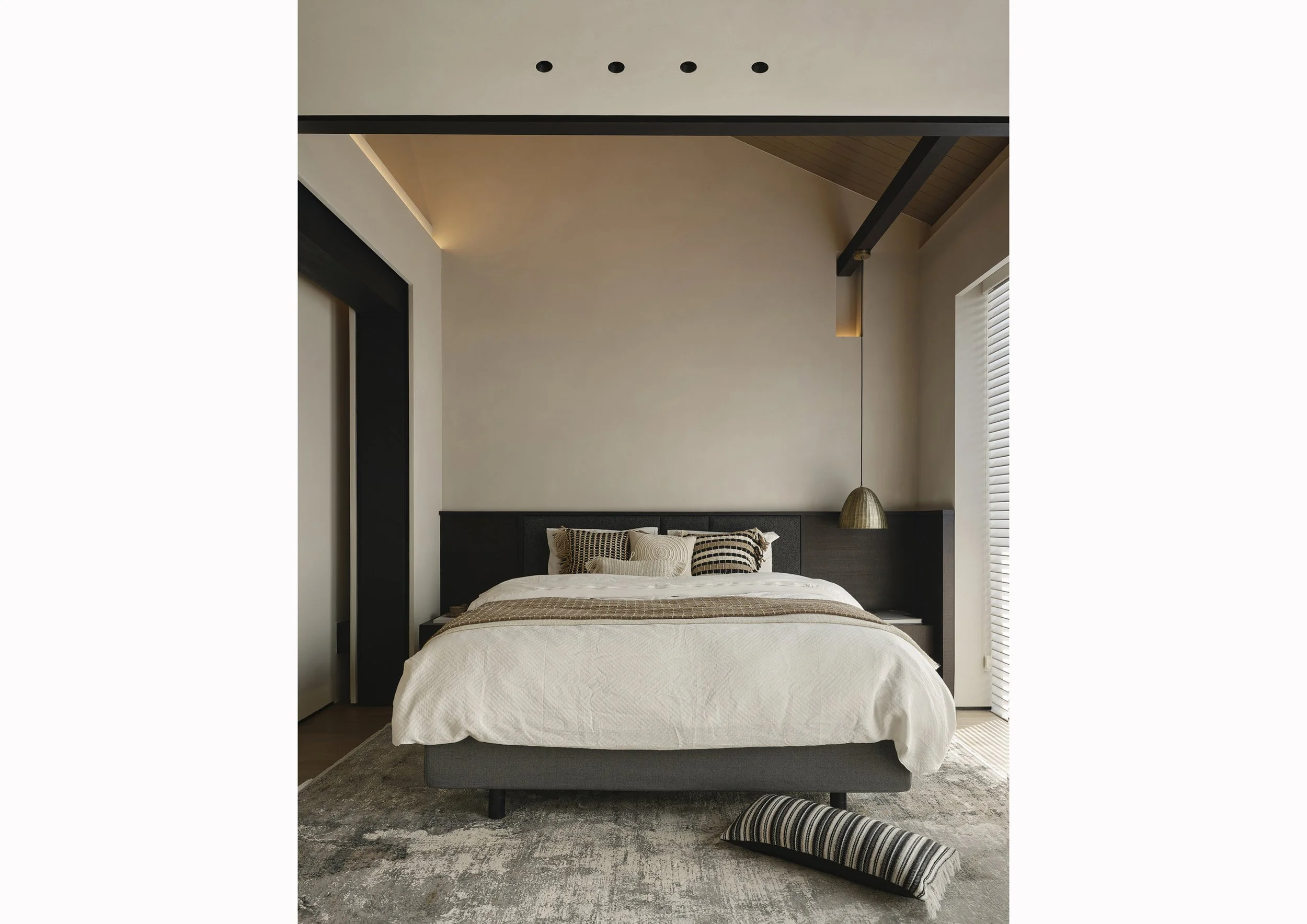
Within the master bedroom, structural elements such as black beams and columns are embraced as decorative anchors, establishing a sense of protection and scale beneath the room’s distinctive sloped roofline. The ensuite extends this interplay of transparency and privacy through a partition composed of rippled glass bricks, a material that introduces rhythmic, fluid light into the morning routine while gently obscuring the silhouette of the walk-in closet beyond.
Every detail, including the acrylic screens on the second floor that discreetly conceal the laundry area, reflects a profound understanding of the owner's lifestyle. This interior is not merely visually captivating; it is a home that thoughtfully addresses the authentic and subtle needs of the human spirit.

This Project is one of the submission from Merci x Sky Design Awards 2026
Category: Interior Design - Residential
NANJING SUKONG INTERIOR DESIGN CO. LTD :
Country: China
NANJING SUKONG INTERIOR DESIGN CO. LTD.
SUKONG DESIGN, established in 2016, is a new prominent space design company.

It is named after two Chinese characters of “su” and “kong”, with the first one indicating modesty and enterprising spirit and the second one representing the idea of emptiness, negative space in aesthetics and a kind of world outlook of sunyata. It is exactly our core design philosophy which leads us in creating first-class designs.
SUKONG DESIGN hopes to integrate localized elements into the world. And we are committed to expressing the rhythm of space and investing the space with expectations and surprises by using simple but elegant designs.
Our projects span a wide range of types including interior design of modern commercial space, modern offices, customized residences and conversion of historical buildings, as well as practices of aesthetics in daily life. The various practices bring diverse ideas together, providing endless possibilities of architectural and interior design.
We are a design team full of vitality, passion and collaborative spirit. We hope to gather more partners sharing the same ideal to strive to be one of the most influential cutting-edge design teams in China.
Radical Resilience: The Off-Grid House in Amami Ōshima
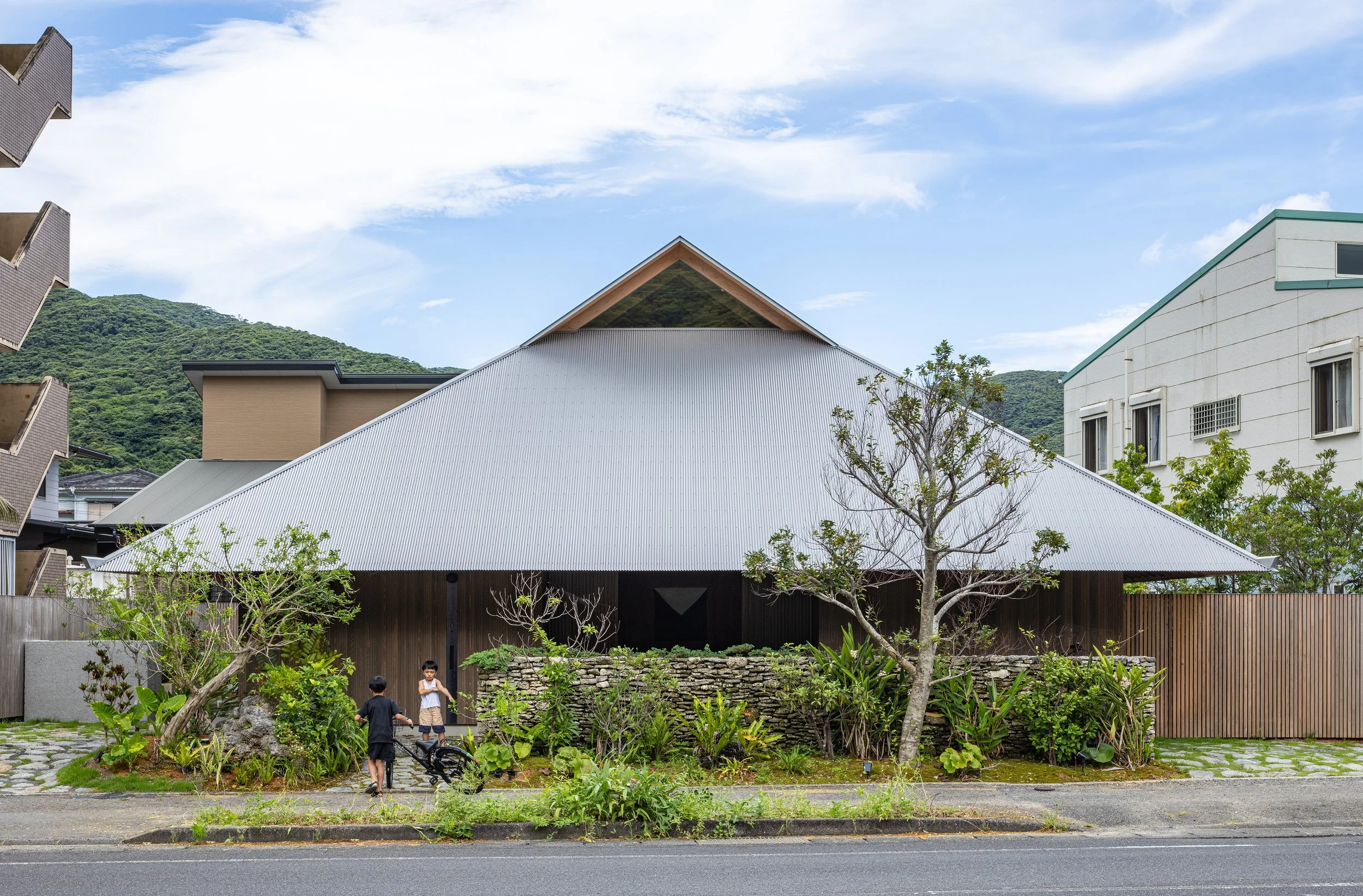
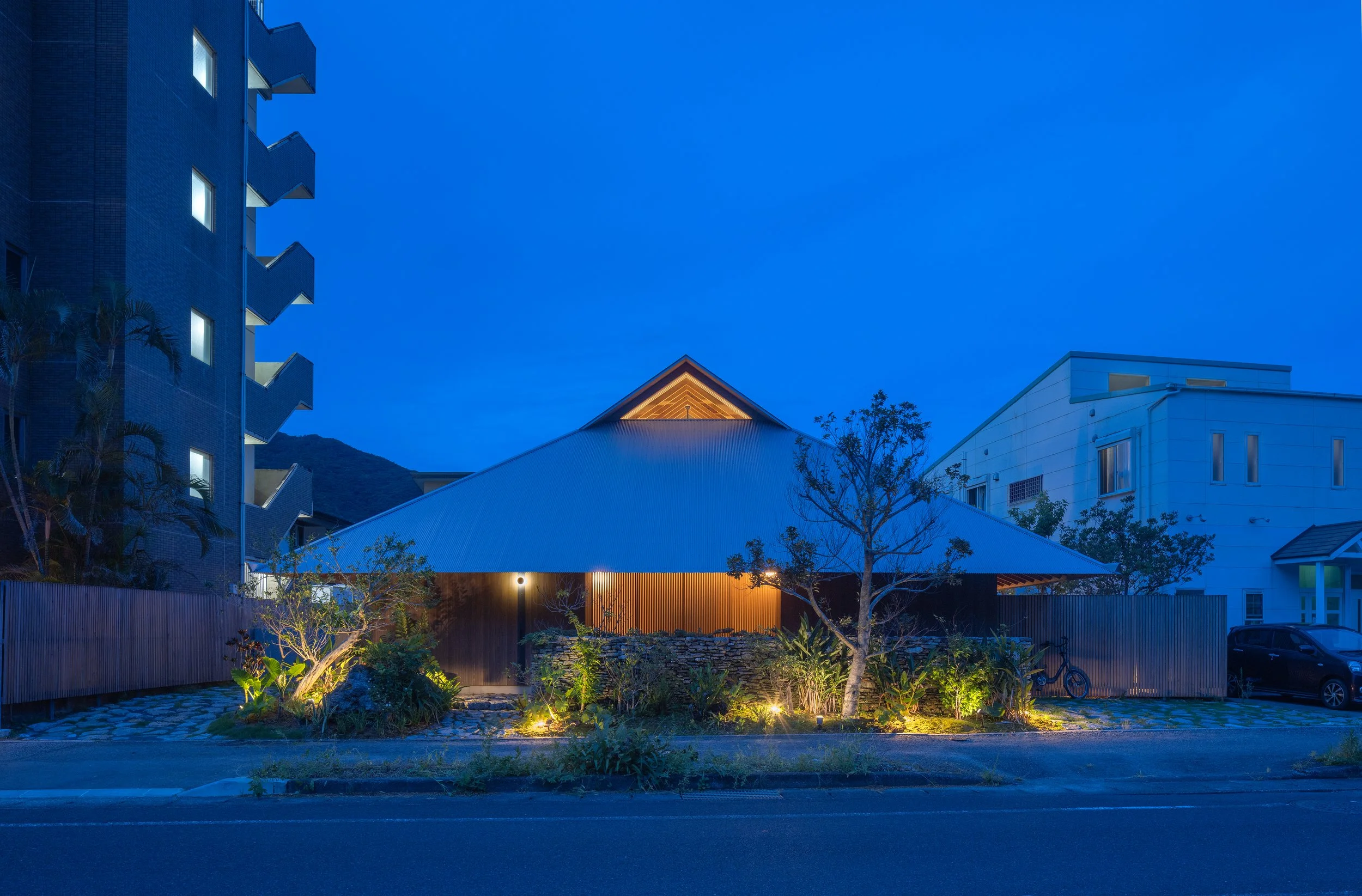
In the subtropical heart of Amami Ōshima, a new approach to residential design has taken shape, one that celebrates self-sufficiency and innovation. Inspired by a passion for sustainable living and a desire to honour the region's unique character, the Off-Grid House stands as both a comfortable home and a model for the future. It reimagines what it means to live in harmony with nature, offering an inspiring vision of autonomy and resilience.
On the subtropical center of Amami Ōshima, an emerging residential typology has quietly emerged, one that rejects centralized infrastructure in favor of radical autonomy. Born from a necessity to address the accelerating environmental shifts and the fragility of remote regions, the Off-Grid House is less a mere dwelling and more a laboratory for future living.
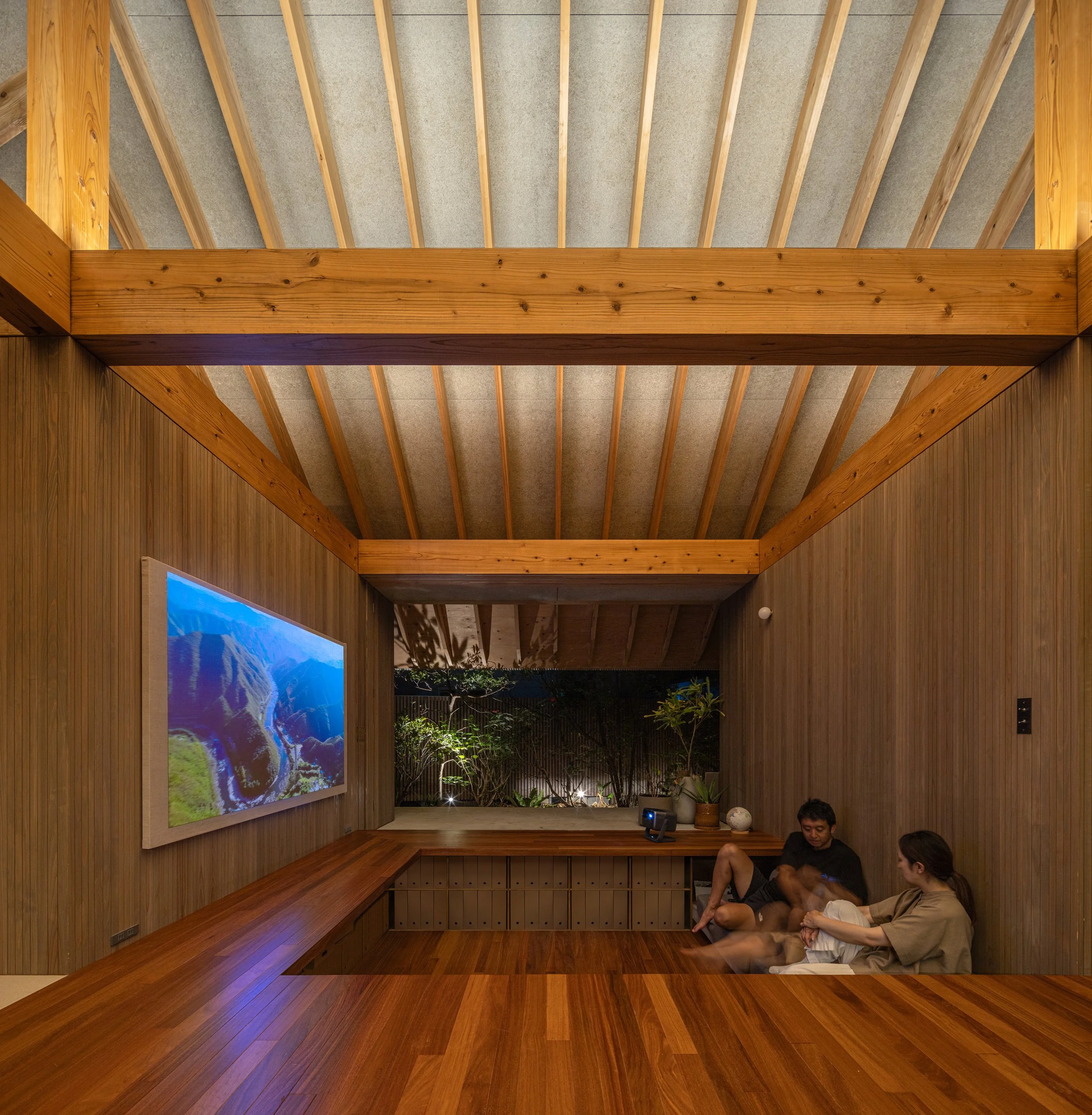
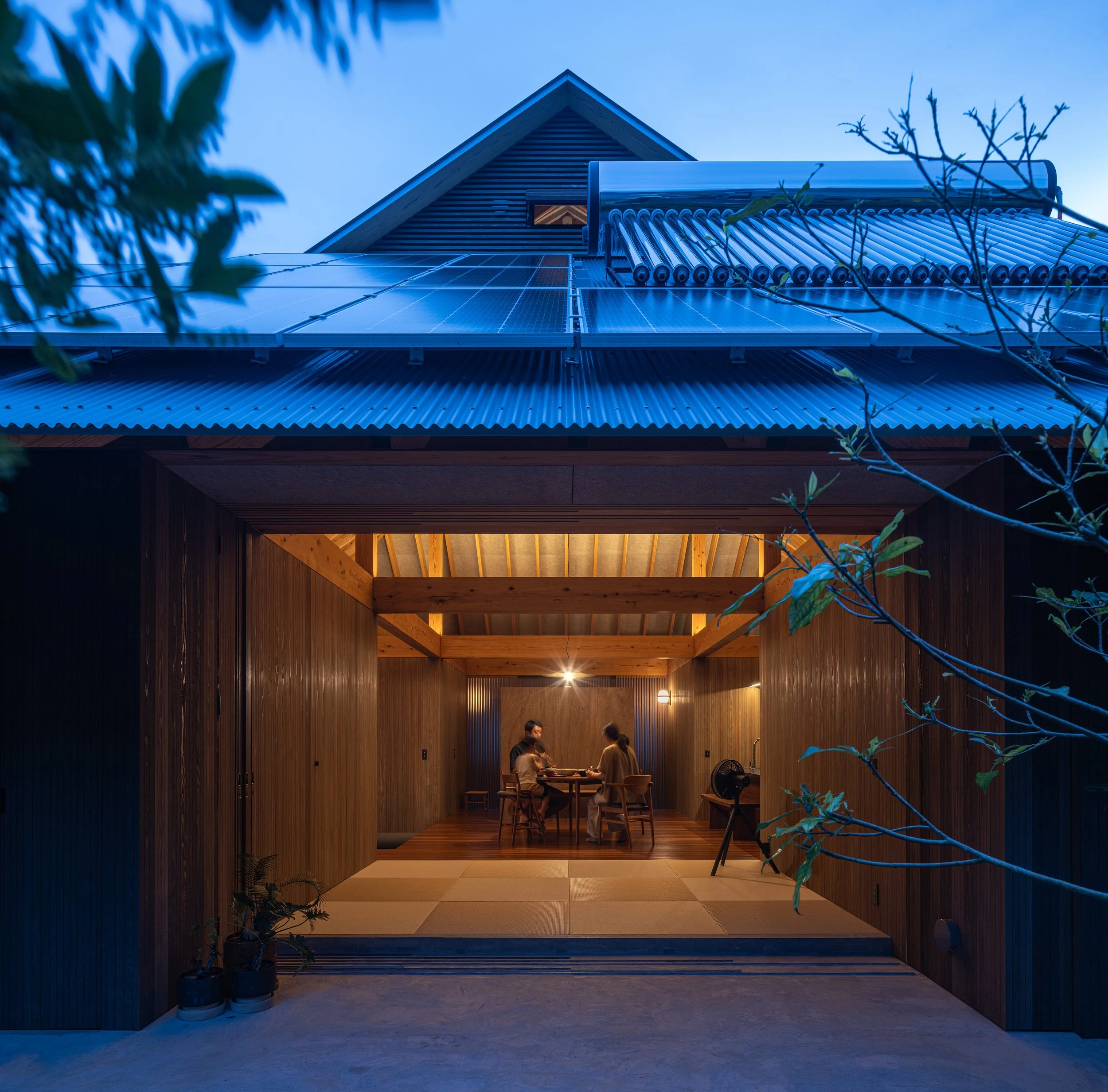
The project represents a sophisticated dialogue with the island’s vernacular memory. Confronted by the island’s notoriously low solar irradiation, comparable to northern Japan, the residence functions as a self-circulating ecosystem, defying the region’s oppressive humidity without external power or air conditioning.
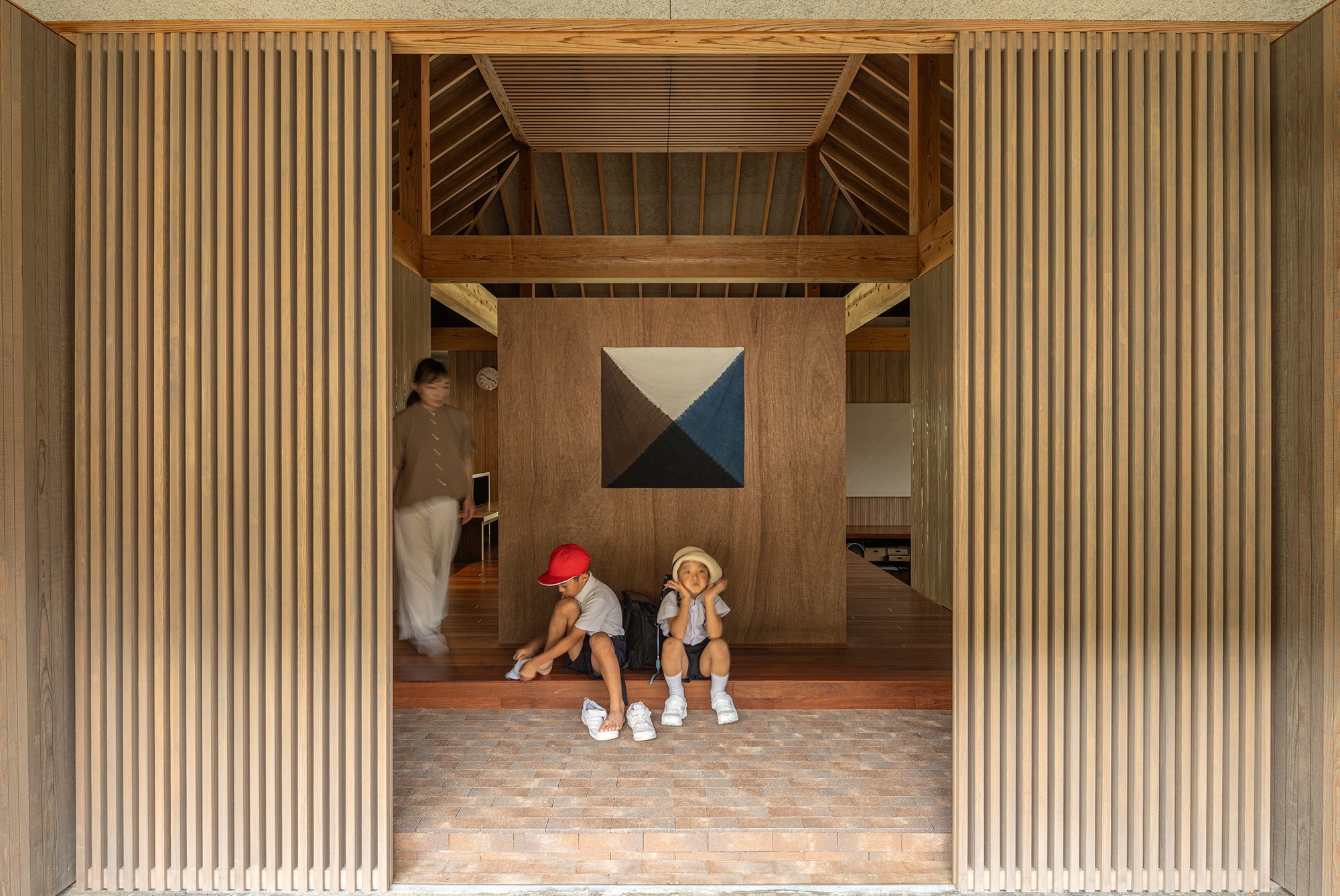
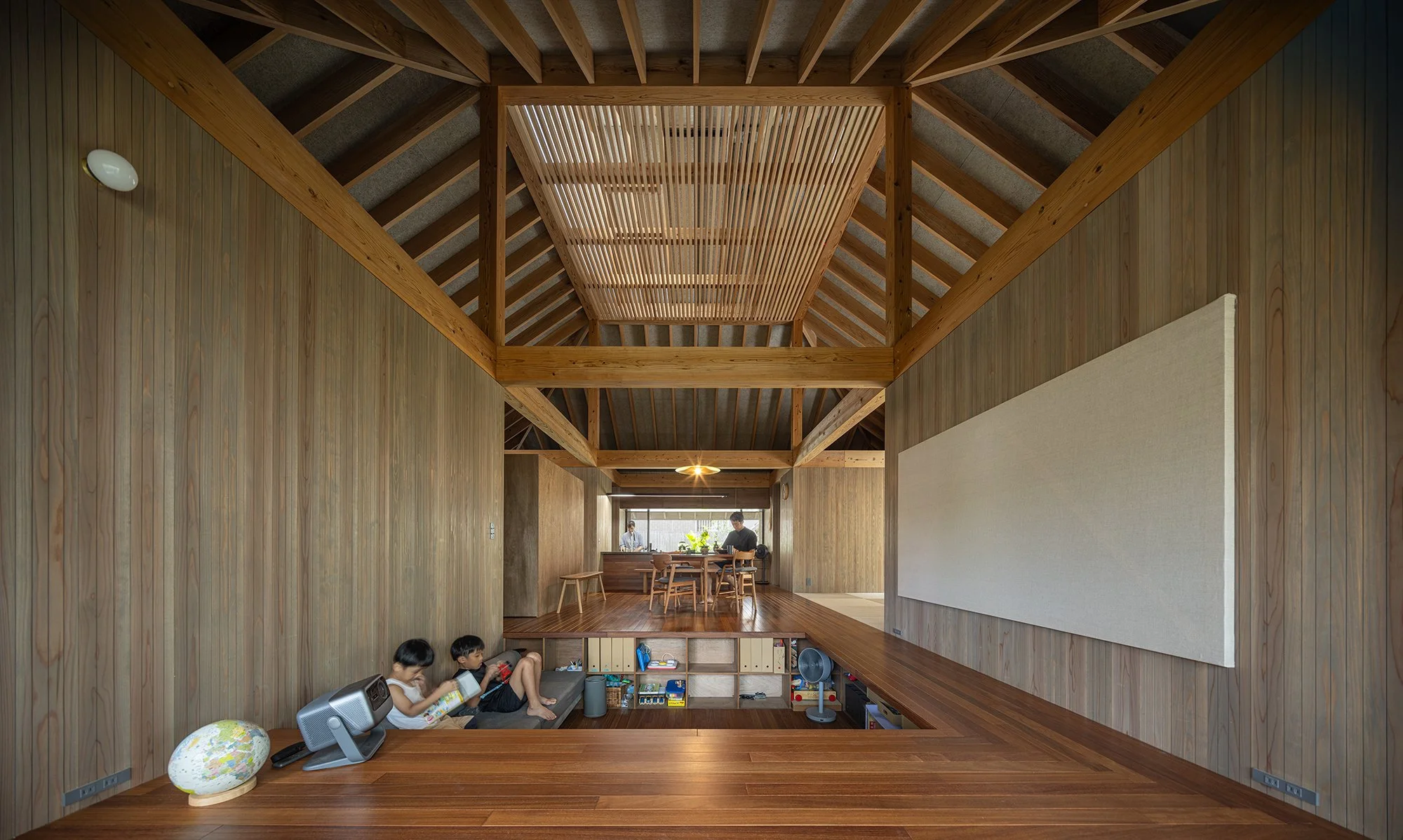
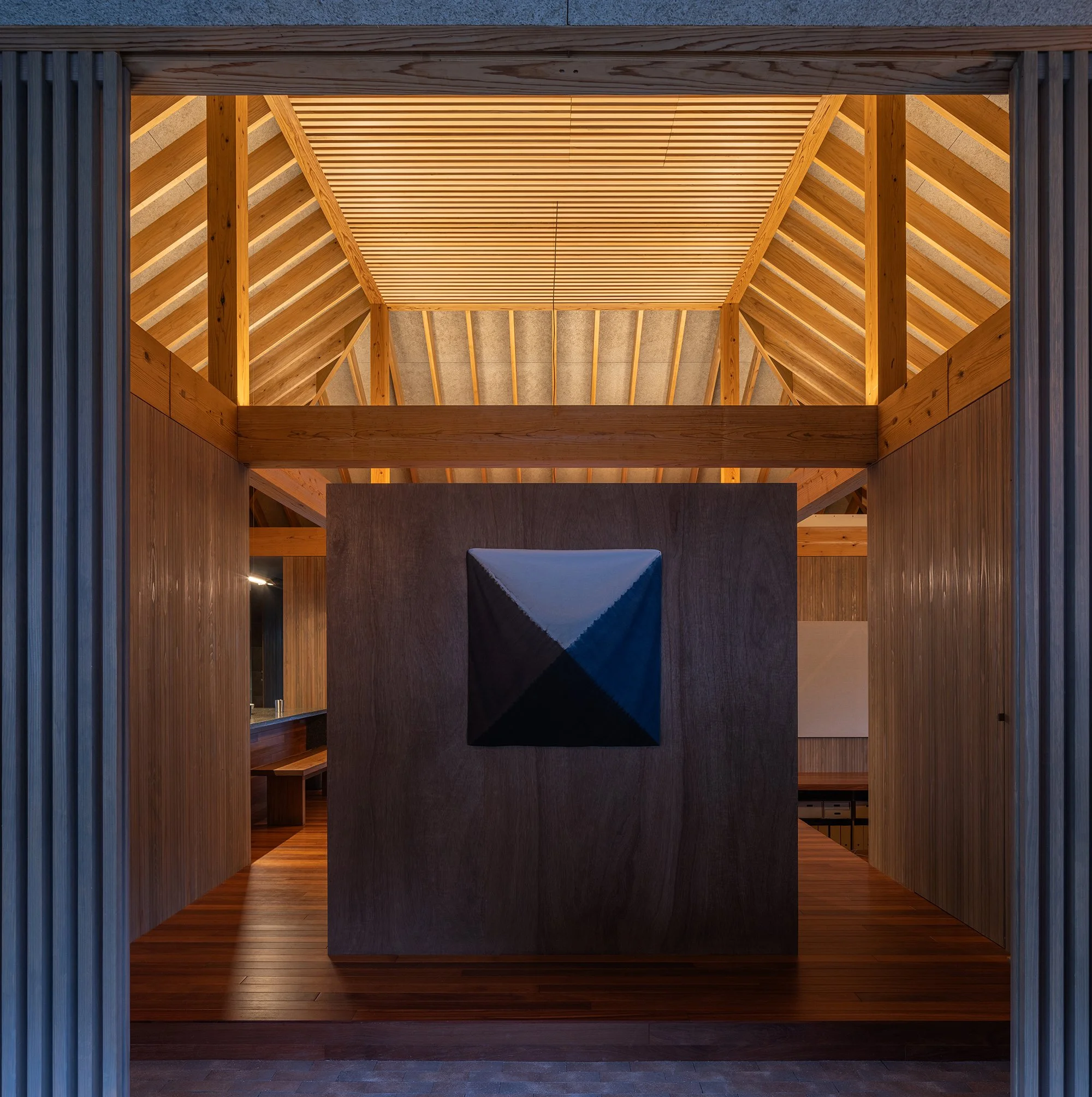
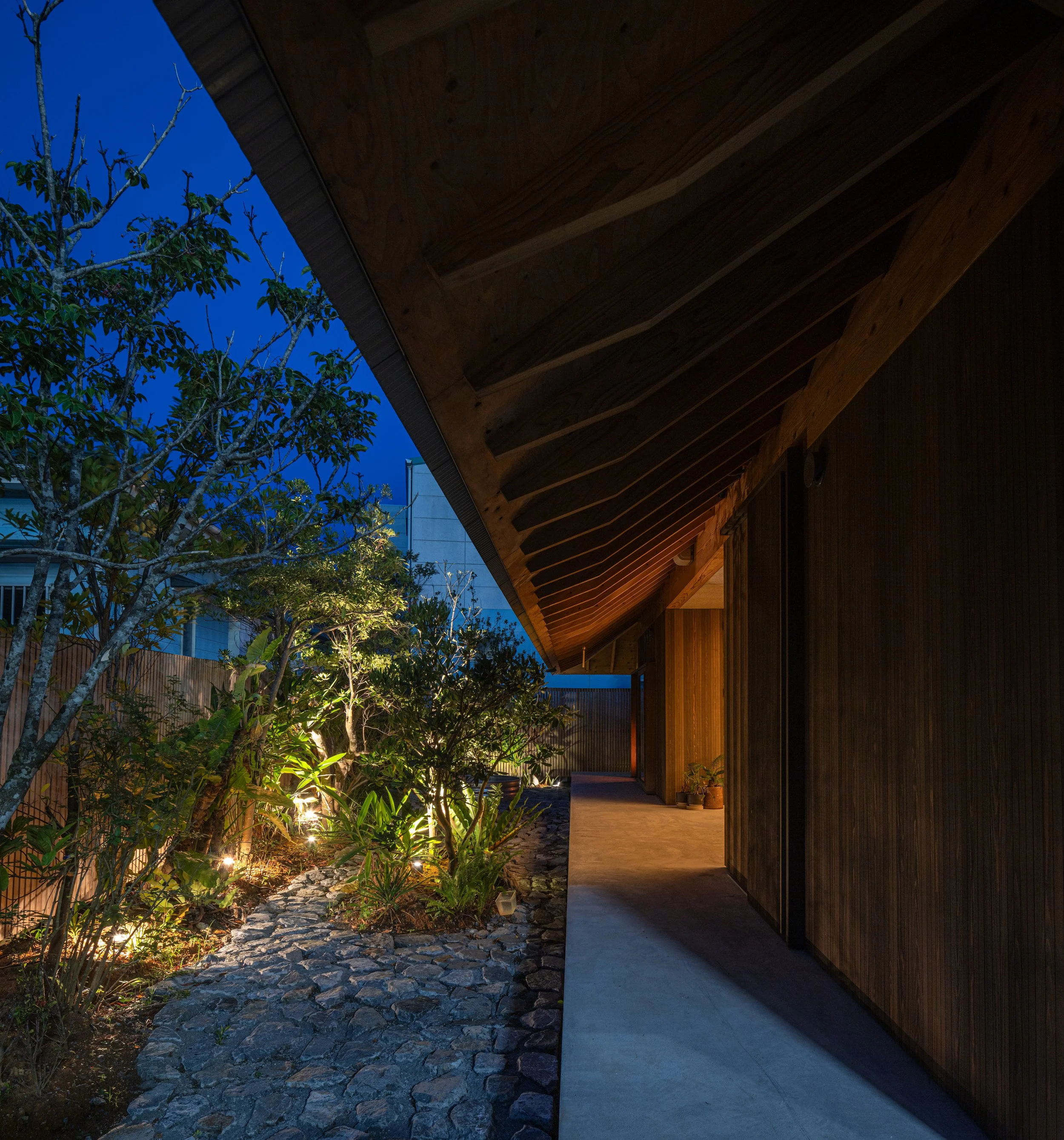
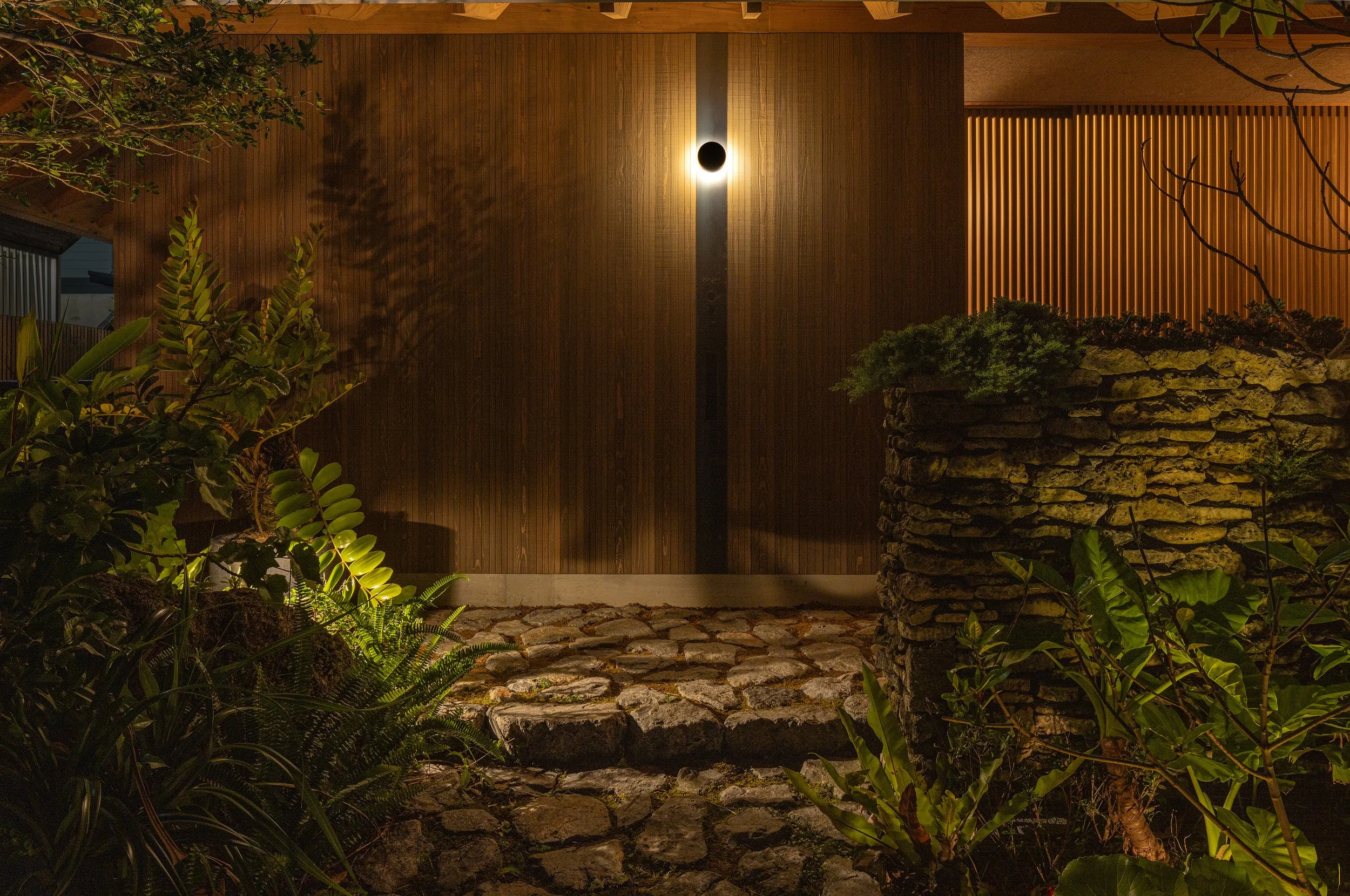
Architecturally, the home deconstructs the historical buntō (multi-volume) layout into five distinct geometric volumes. This separation creates a network of in-between spaces, fluid thresholds that dissolve the boundary between human habitation and the natural world Reanimating Amami’s spirit of yui (collective cooperation), the architecture accommodates the island’s traditional large-scale gatherings, proving that even in an age of uncertainty, the home can remain a vital cultural platform.

The Architect’s Statement
When I began the design of my residence in central Amami Ōshima, total disconnection from the power grid was not the initial intent. However, as environmental degradation accelerates and extreme weather becomes our new normal, that choice has become inevitable.
The decision was catalyzed by a mountain property I purchased three years ago. This was a place where I began developing micro-infrastructure to live independently. I wanted to prepare for unforeseen crises while envisioning creative forms of resilience for Japan’s aging, depopulated regions. However, implementing full self-sufficiency deep in the mountains proved difficult.
The Urban Experiment: To test the feasibility of off-grid living, I chose my own urban residence as the experimental site. Their main challenge was the island’s limited sunlight. After evaluating wind, hydro, and geothermal options, solar remained the only practical path. Ten days before the groundbreaking ceremony, I decided to sever the national grid connection completely.
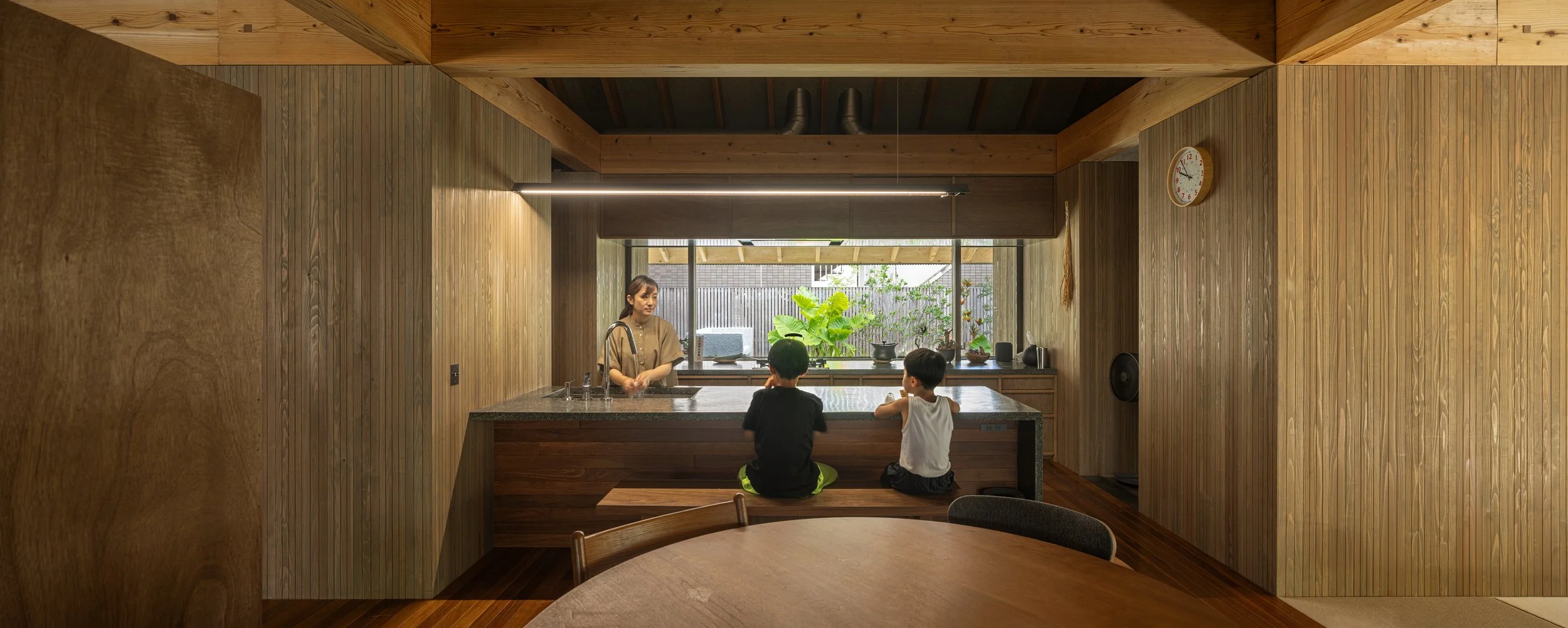
Vernacular Engineering The result is an autonomous house that allows a family of four to live comfortably, rooted in the island’s vernacular memory.
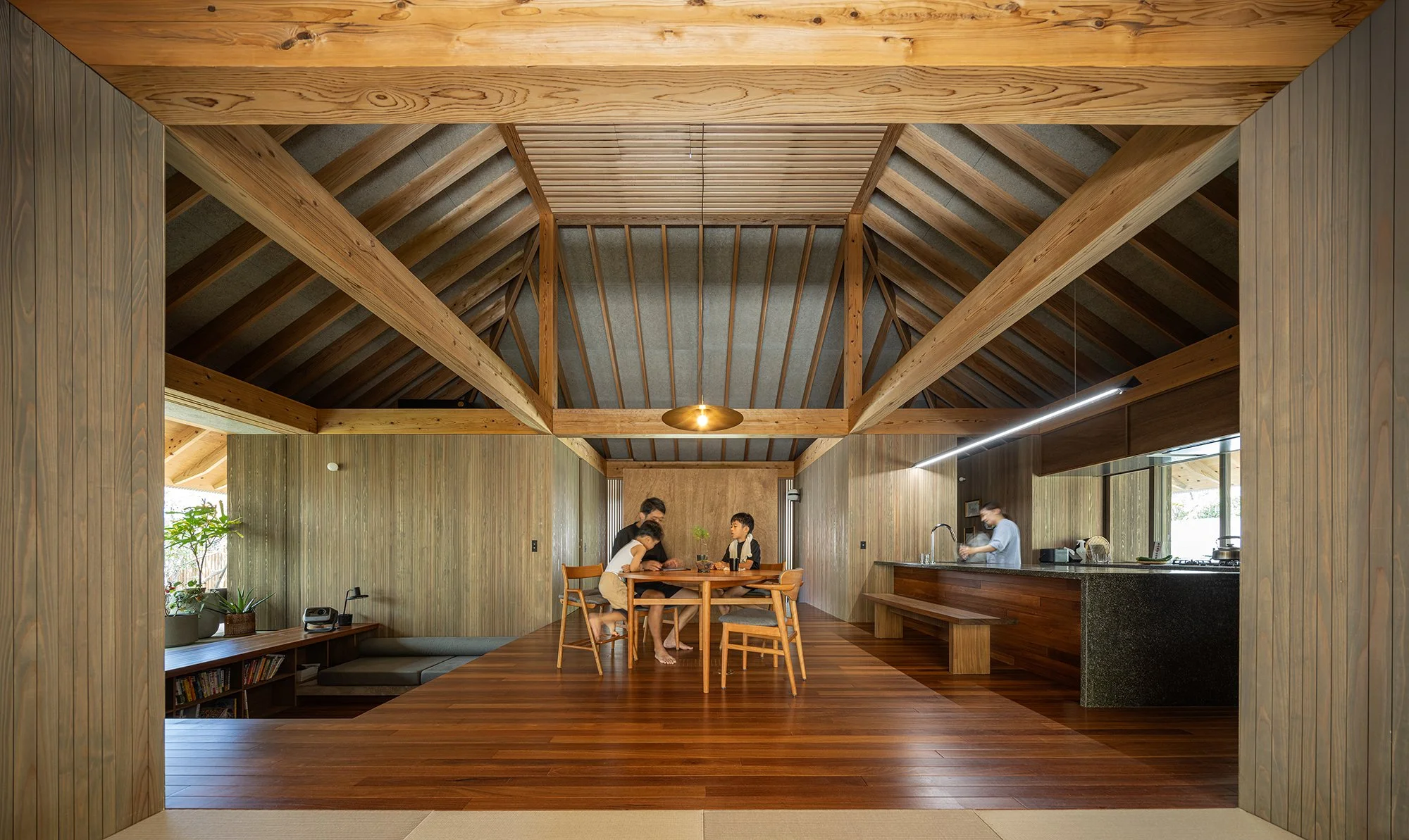
Spatial Logic: Inspired by the region’s historical buntō style, the house consists of five independent volumes (bath, bedroom, storage, etc.). The spaces between these volumes serve as shared living areas, connecting fluidly to verandas and gardens.
Climate Response: The roof form reinterprets local corrugated-metal and irimoya profiles. It integrates layers of insulation and ventilation while referencing elevated Takakura granaries. This allows wind to pass freely in all directions to combat humidity.
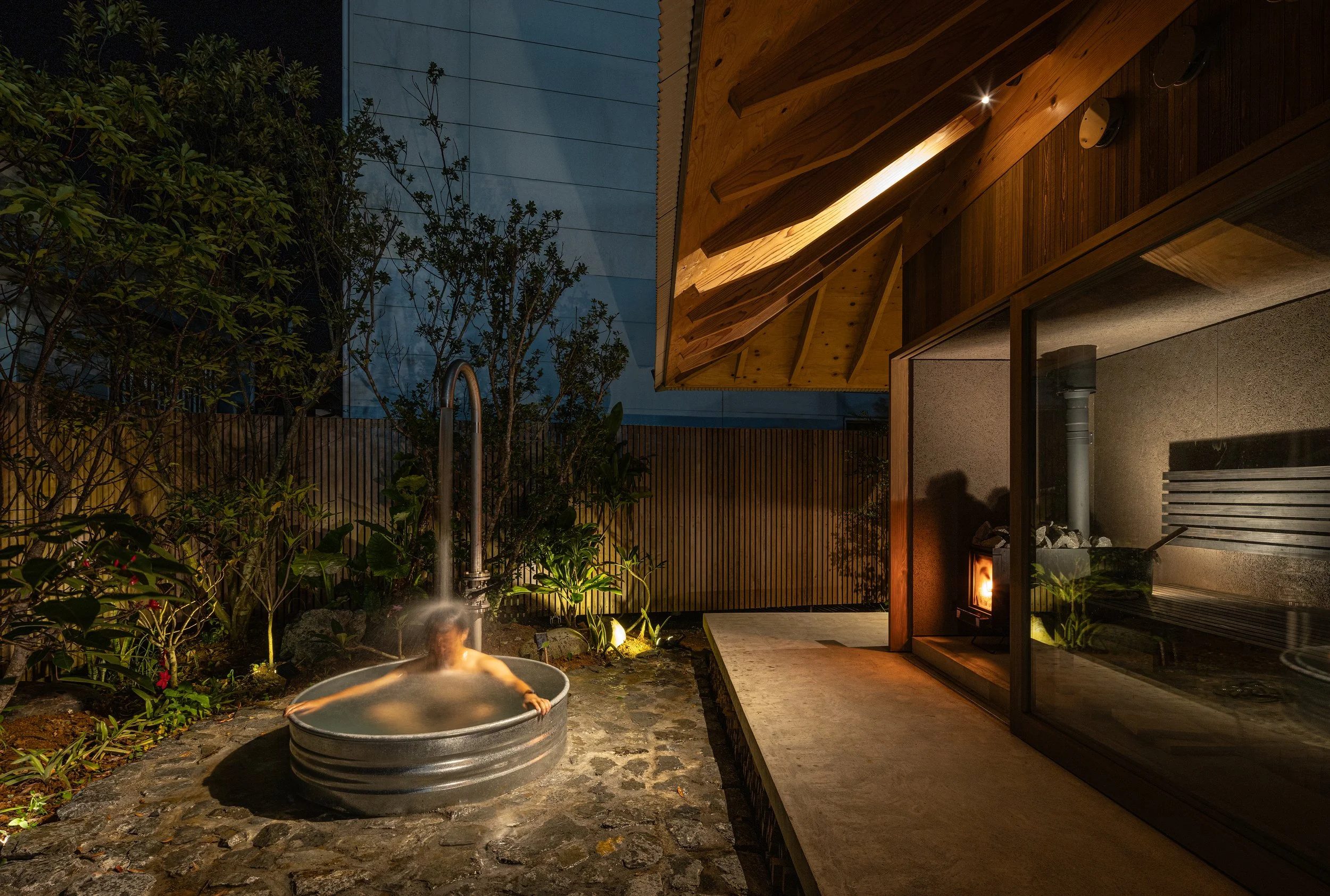
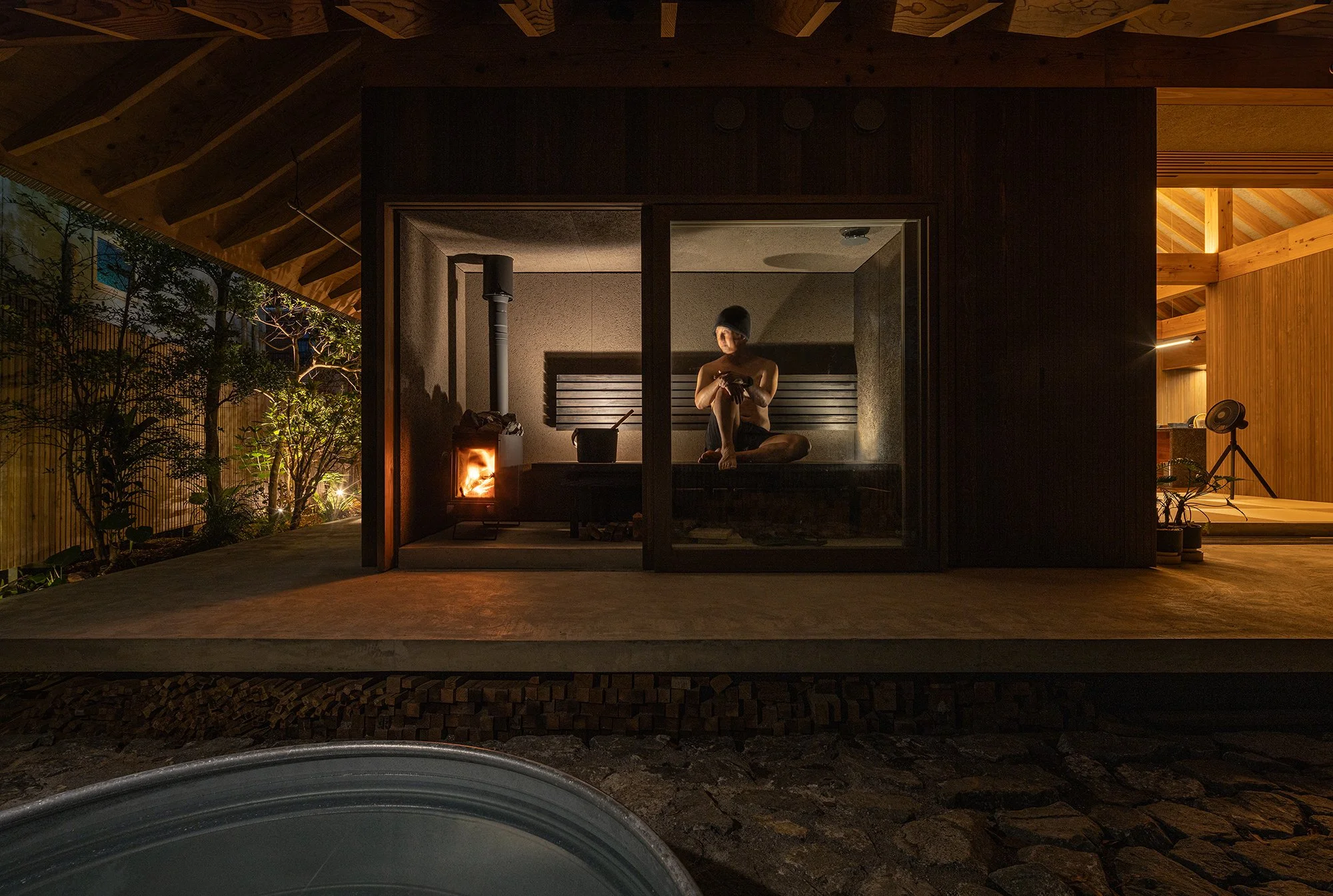
Sustainability in a Living Ecosystem is circular in nature. A small wood-fired sauna uses construction offcut fuel. Food waste is composted and returned to the vegetable garden, creating a closed loop between the builder, the site, and the family’s table.
Amami is known as the Island of Ties. While traditions fade with urbanization, this house restores cultural rhythm.
Family celebrations often gather over eighty relatives, continuing late into the night. The open, tolerant spaces of this house naturally invite people to gather, blurring the distinction between private dwelling and communal place. This project redefines contemporary home as both a shelter and a cultural platform. It is an architecture that sustains life beyond the grid while inheriting the spirit of Yui. It is a quiet re-examination of what it means to inhabit in the age of environmental uncertainty.
This Project is one of the submission from Merci x Sky Design Awards 2026
SAKAI ARCHITECTS :
Website: https://sakaiarchitects.com/index.html