Where Design Reconnects People, Plants, and the Urban Landscape - House, designed by Jindesign Co., Ltd.
“House” designed by Jindesign Co., Ltd. from Japan. This project reimagines a functional roadside site as a walkable, lifestyle-oriented environment where architecture, landscape, and daily life intersect. By celebrating irregular plant forms and allowing greenery to shape movement and experience, the design reframes nature as an active presence rather than a backdrop. More than a building, it operates as a small urban landscape, offering a place for gathering, pause, and connection within the rhythm of the city.
In an industry often defined by conformity, where only straight-stemmed, perfectly shaped plants are favored, this project boldly champions a different vision. Here, beauty is found in the unexpected: bent trunks, asymmetrical growth, and those plants typically overlooked by the market are celebrated as central figures. The client’s philosophy turns away from conventional horticultural standards, placing character, resilience, and individuality at the very heart of the enterprise.
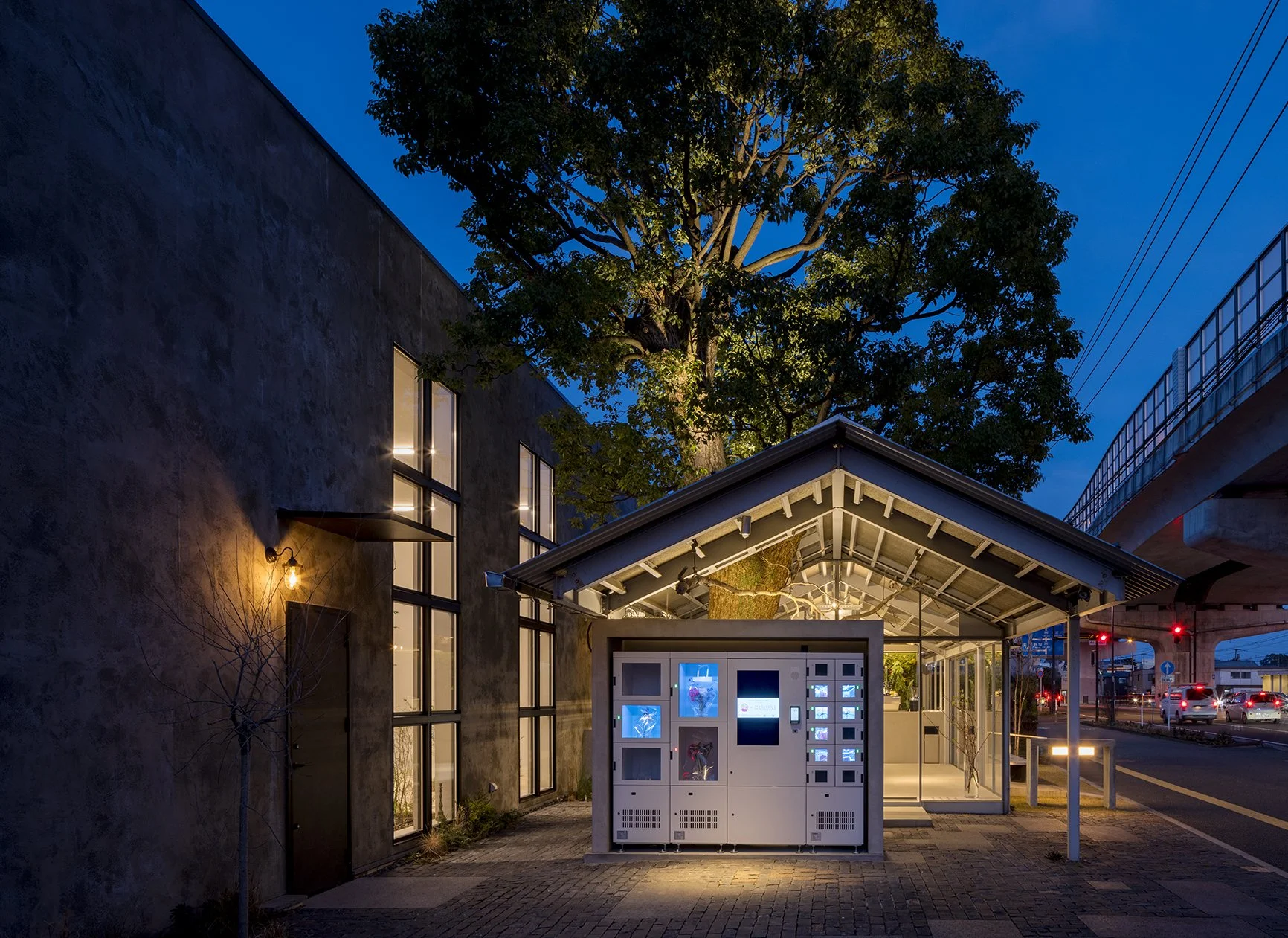
Situated along a major artery of logistics and distribution, the project emerges as a lifestyle destination where nature is seamlessly woven into the fabric of daily life. The complex unites a flower shop, retail space, café, plant showroom, and a spacious event hall under one vision. Rather than dividing commerce from experience, the architecture elevates plants as vibrant, living presences, inviting visitors to pause, observe, and rediscover the vitality of the natural world.
The design is rooted in the thoughtful renewal of an existing glass-gabled structure, complemented by the addition of a new building to the rear. In the original building, openness and visual continuity take precedence. Superfluous interior elements are stripped away, and external equipment is relocated, unveiling the full potential of the glass façade. The result is an environment of transparency and effortless flow, where sightlines are uninterrupted and movement feels intuitive. Children wander freely while remaining visible, fostering a sense of security and openness. Outside, a gently sloping lawn merges with the sidewalk, dissolving boundaries and welcoming visitors with a sense of ease.
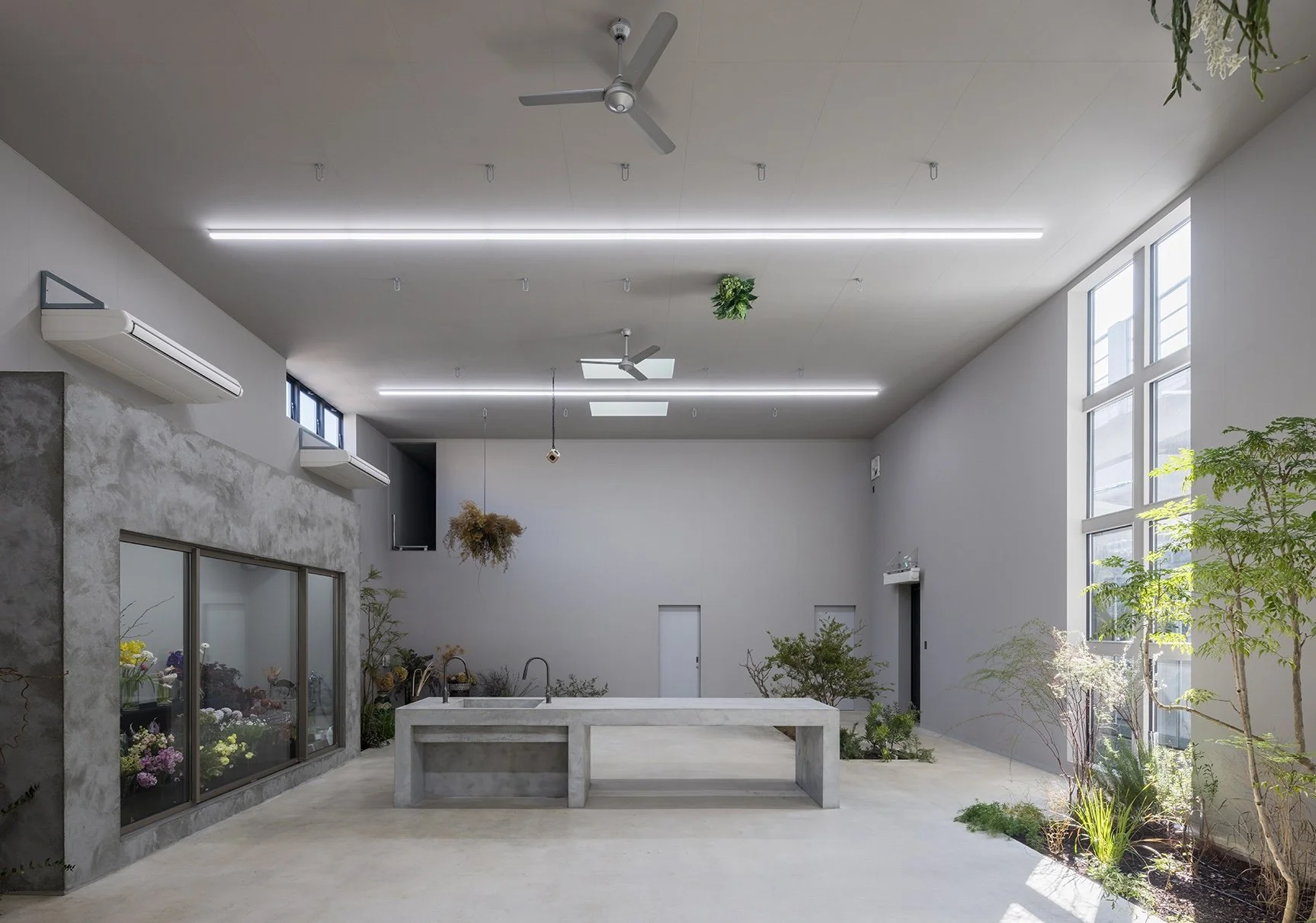
In contrast, the new building adopts a restrained, linear architectural vocabulary. Crafted from natural materials and shaped by a philosophy of subtraction, it serves as a tranquil backdrop to a symbolic camphor tree, a living centerpiece radiating presence and vitality. The building’s low profile harmonizes with the surrounding residential landscape, while its interior unfolds as an expansive, hall-like space. A subtle palette of soft, light greys allows the greenery to command attention, affirming the architecture’s role as a quiet frame rather than a dominant object.
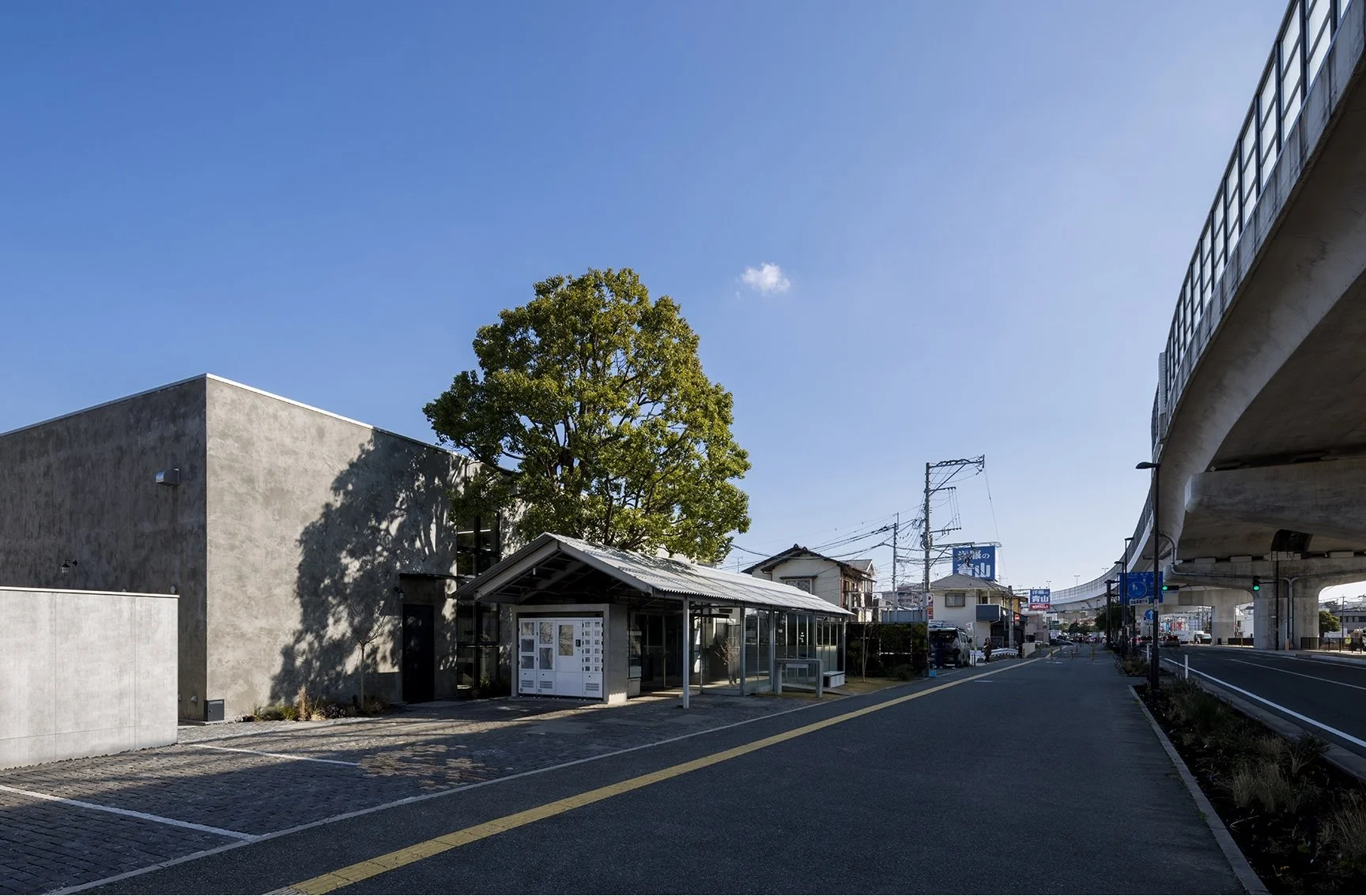
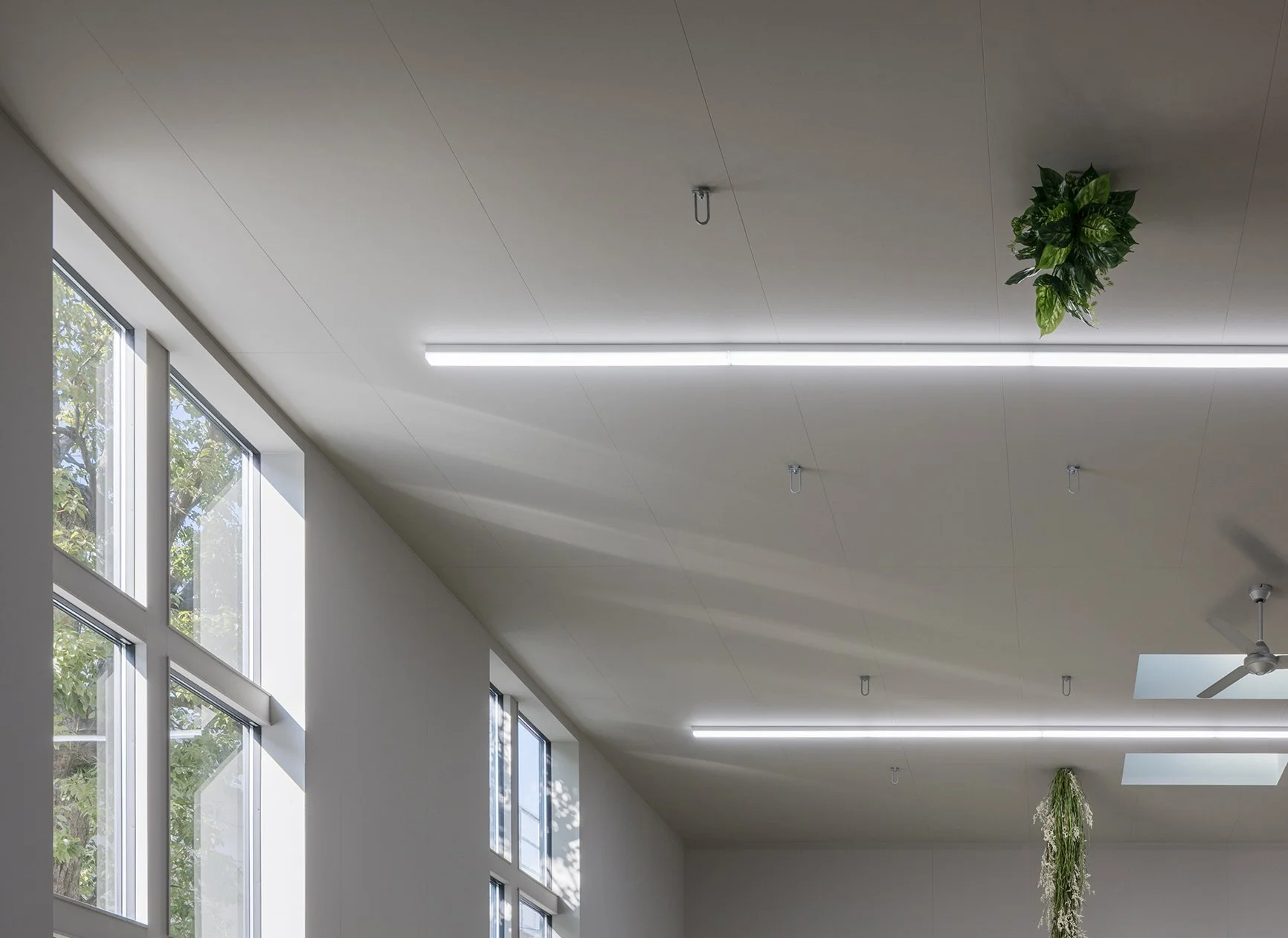
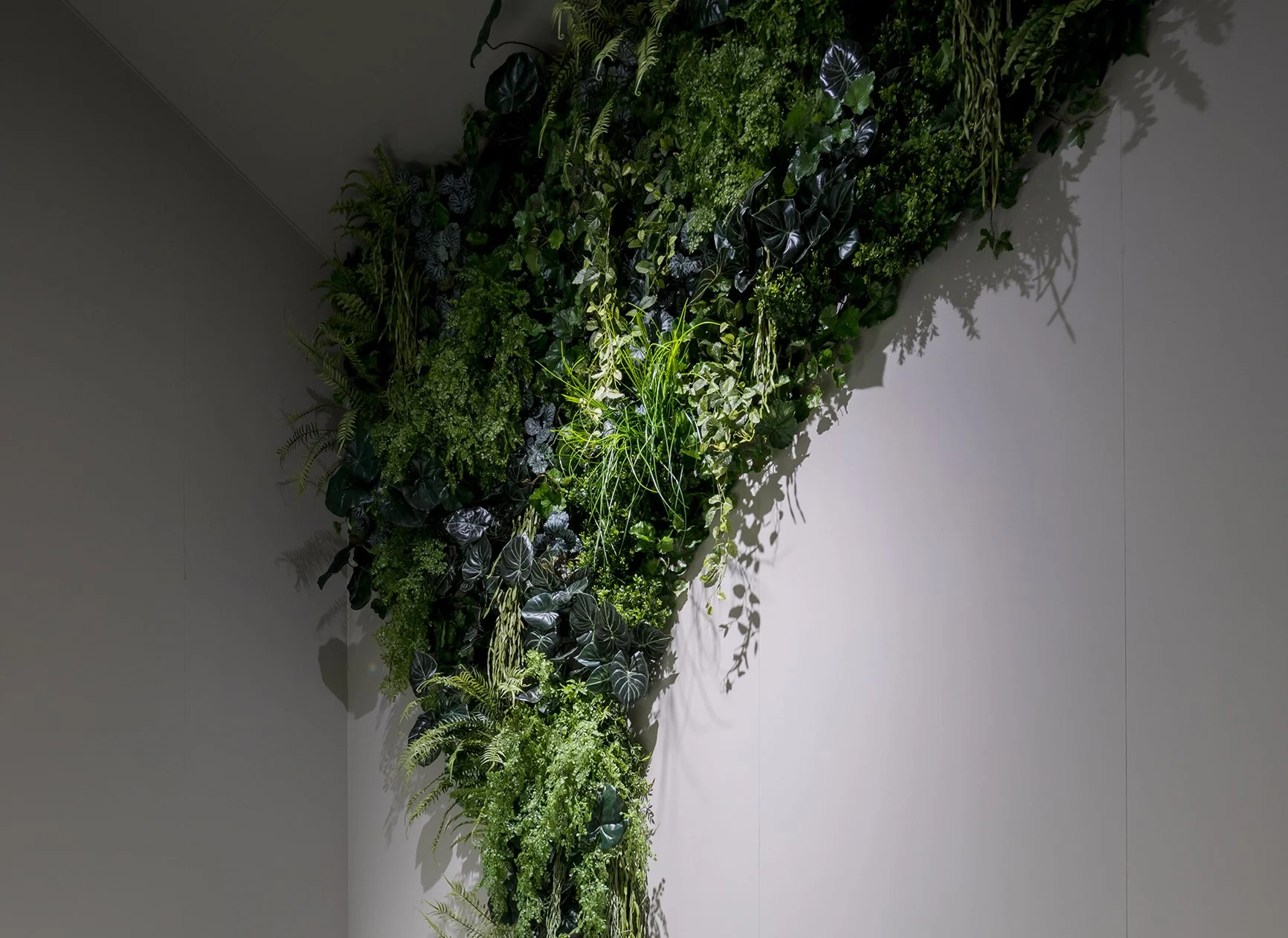
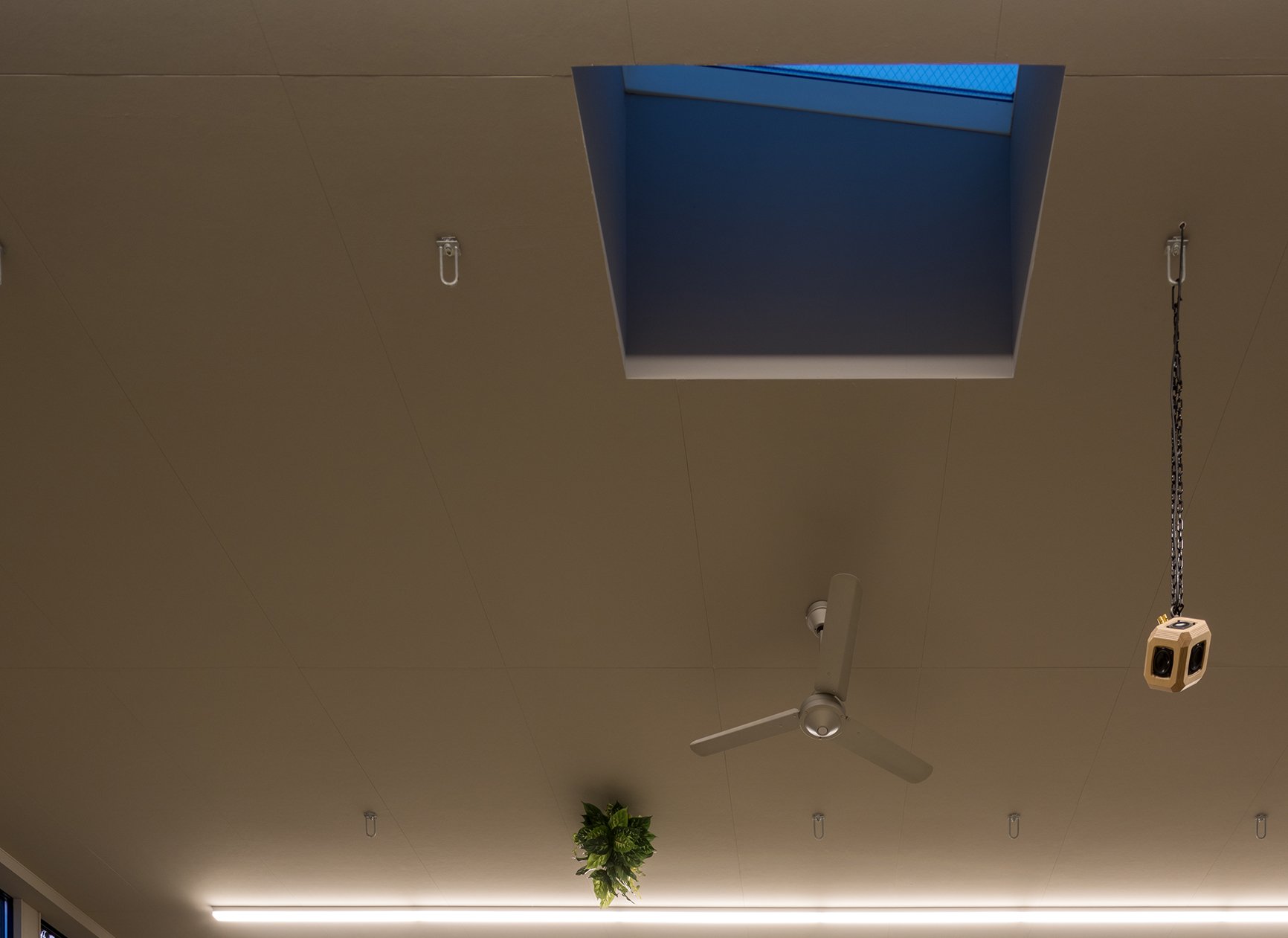
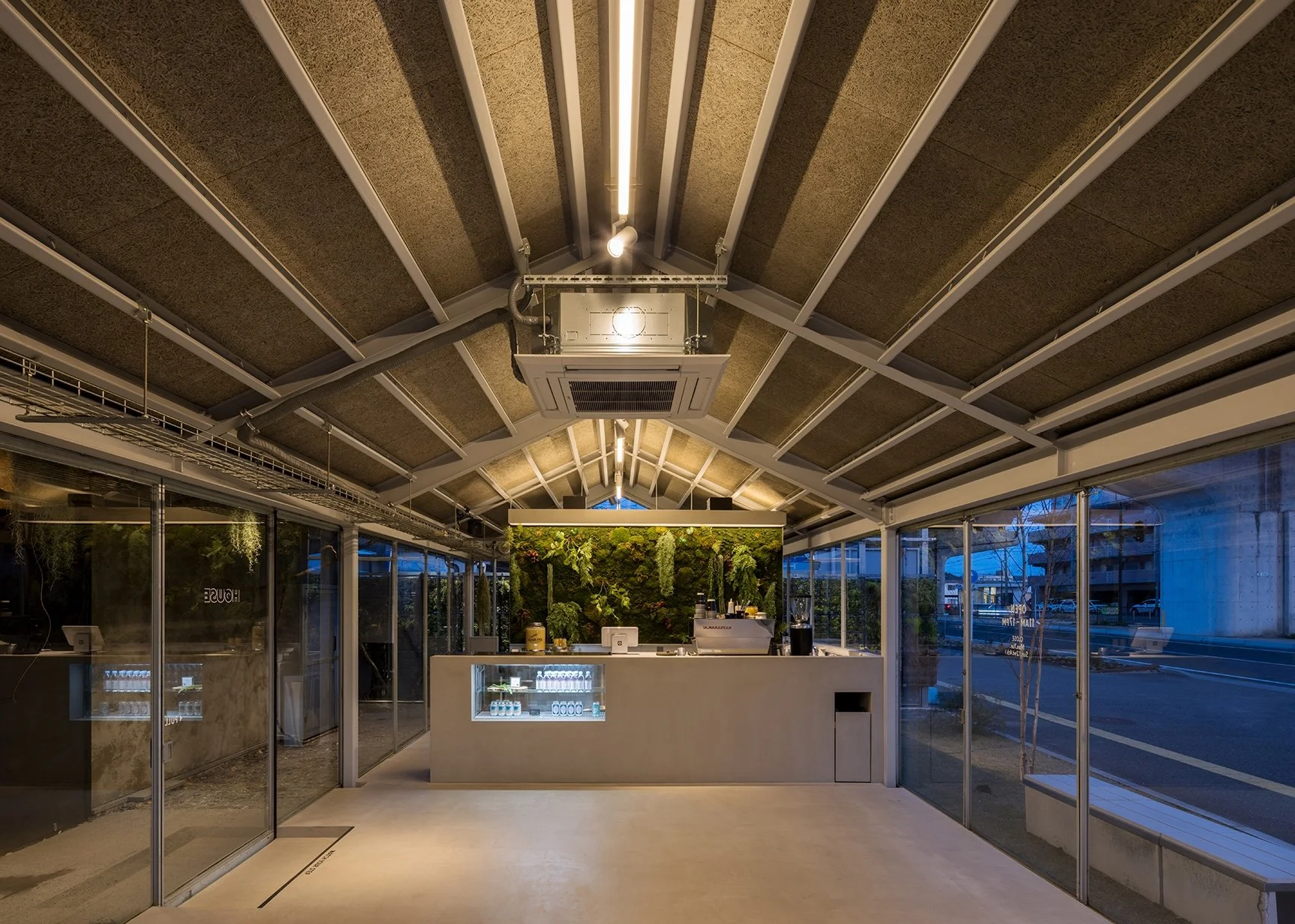
Between the two buildings, a narrow passageway serves as both connector and sanctuary. Protected from the elements, this outdoor corridor offers a tranquil pause, subtly guiding visitors across the site. The closely positioned entrances foster a seamless flow, reinforcing the walkable and human-scaled spirit of the complex. Beyond its architectural clarity, the project carries its philosophy into the urban realm. The client, personally planting perennial greenery along the sidewalk, allows the landscape to spill beyond property lines and into the city. This simple yet powerful act transforms the site from an isolated destination into a vibrant participant in the community. Further reflecting this ethos, the client proudly serves as an ambassador for Fukuoka City’s One Person, One Flower initiative.
Through a harmonious integration of architecture, landscape, and vision, this project transcends its commercial purpose. It emerges as a semi-public indoor park, a gathering place for families, a sanctuary where nature is observed rather than controlled, and a setting where design gently redefines beauty, value, and the rhythms of everyday life.
Designing a Place Where Nature, Daily Life, and the City Converge
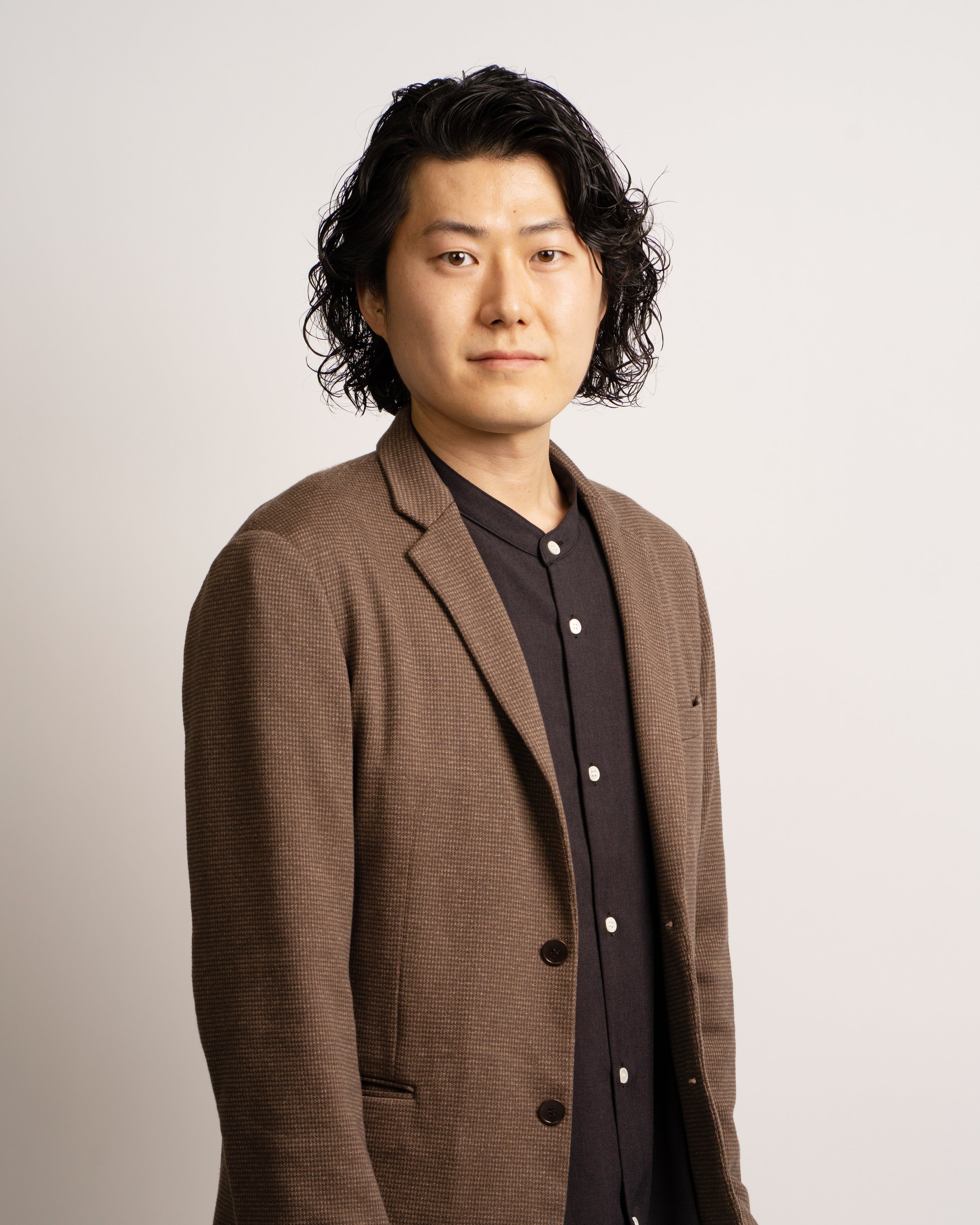
Toyotaka Aoki
Graduated from Kyushu University in 2009, received a master’s degree from Kyushu University in 2011. In 2016, Aoki established his firm, Jindesign Co., Ltd., which is composed of architects, lighting designers and graphic designers. He has worked on a variety of projects in Japan and China, including commercial facilities, housing complexes and medical facilities, as well as public structures. Since 2012, the Fukuoka Architecture Foundation has served as a platform for another architectural activity: introducing and sharing the values of local architecture with the general public.
Designed by Jindesign Co., Ltd. (Japan)
Sky Design Awards 2025 — Bronze Winner, Architecture Division
Jindesign Co., Ltd. (Japan) website: https://www.jindesign.co.jp

GIKEN GROUP Head Office Relocation Project in Gifu-shi designed by void.Co.,Ltd. from Japan
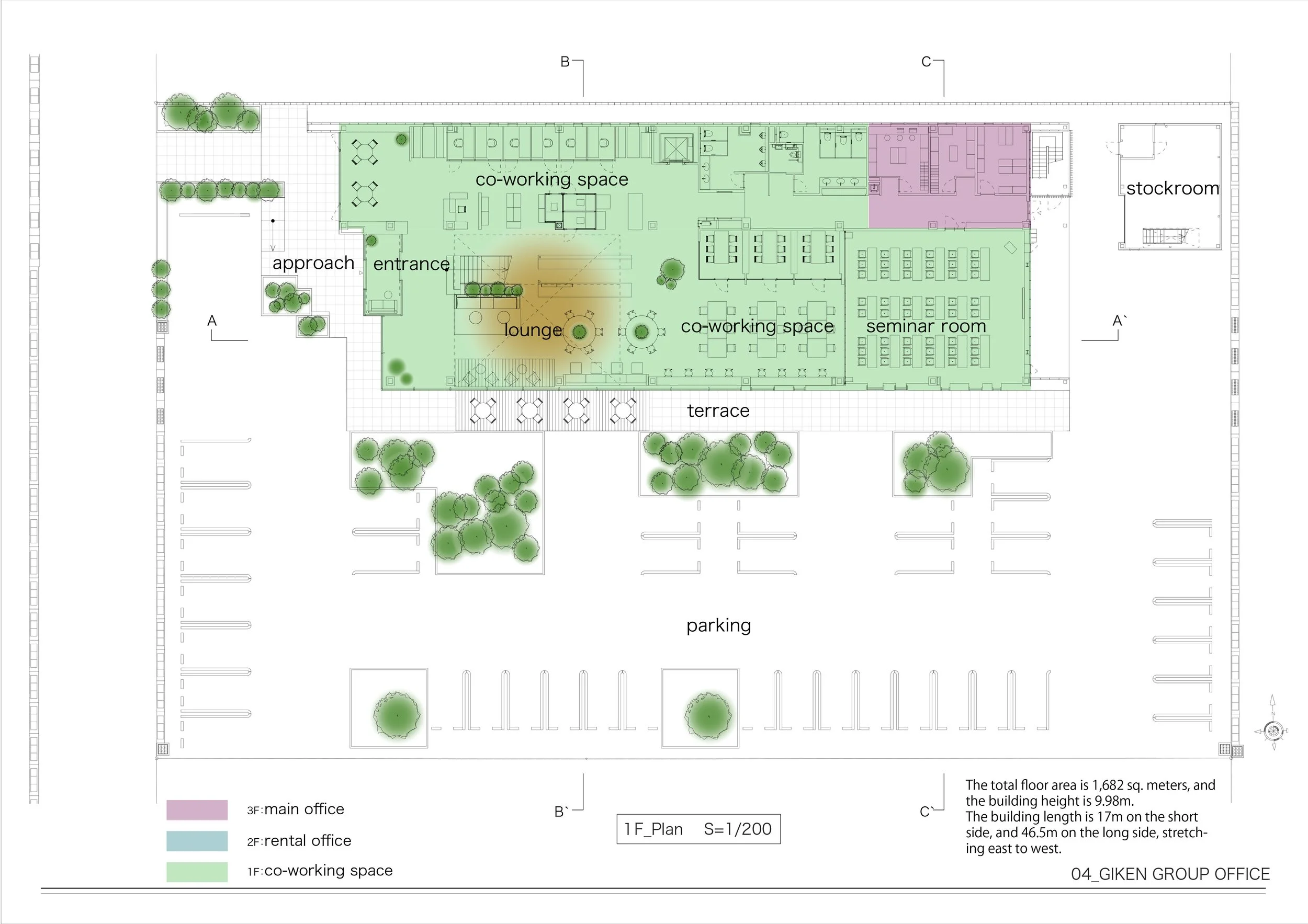
Designed by void.Co.,Ltd from Japan. The relocation project for GIKEN GROUP's head office near the Gifu Prefectural Office in Gifu-shi embodies a vision to create a multifaceted facility designed to nurture diverse communication and innovation. The building will not just house the head office, but also feature a co-working space, rental offices, and seminar rooms, catering to employees, government workers, businesses, and students. This strategic location is envisioned to be a vibrant hub for interaction, benefitting visitors to the prefectural office and fostering a culture of collaboration and creativity.
Designed by void.Co.,Ltd from Japan. The relocation project for GIKEN GROUP's head office near the Gifu Prefectural Office in Gifu-shi embodies a vision to create a multifaceted facility designed to nurture diverse communication and innovation. The building will not just house the head office, but also feature a co-working space, rental offices, and seminar rooms, catering to employees, government workers, businesses, and students. This strategic location is envisioned to be a vibrant hub for interaction, benefitting visitors to the prefectural office and fostering a culture of collaboration and creativity.
The project began with an analysis of the local characteristics. Notably, there was an increasing number of young entrepreneurs and a growing demand for remote working options. However, there needed to be more combined office and co-working spaces in Gifu. This facility aims to fill that gap by allowing young entrepreneurs to start their businesses in the co-working space and then transition to rental offices as they expand. It serves as a meeting point for ambitious individuals from government, academia, industry, and civil society, designed to support young entrepreneurs and stimulate innovation.
The building boasts a split-level floor plan, with a two-story section on the south side and a three-story section on the north side. The south side features a triple-height atrium lounge, a cafeteria with views of the entire building, and open-plan offices, creating a modern, light-filled environment. The three-story north section houses private rooms such as rental offices, conference rooms, and the president's office, offering a tranquil setting.


The first floor's co-working space, the second floor's rental offices, and the third floor's headquarters are all arranged to face the atrium, fostering an environment that encourages interaction and innovation. The building's total floor area is 1,682 square meters, with a height of 9.98 meters. It extends 17 meters on the short side and 46.5 meters on the long side, running east to west. The void space is 8.5 meters high, while the two-story south part features large open spaces with a ceiling height of 3.8 meters, creating a spacious feel without internal walls. In contrast, the smaller rooms in the three-story north part have ceiling heights of about 2.1 meters - scaled for comfort and functionality. The rental spaces on the second floor and the offices on the third floor have exposed ceilings, providing ample height and a sense of openness.
The building's exterior design reflects its split-level interior layout, with a diverse facade that combines two—and three-story sections. The first-floor atrium lounge and second-floor cafeteria have an open, airy design with vertical louvres and glazing, creating a strong connection to the street. The office and seminar rooms are embellished with extruded cement panels, combining a sense of dignity with the building's openness.
This relocation project meets the evolving needs of Gifu's business community and creates a dynamic environment for innovation and growth.
Website: https://void-jp.org/en/
Floor plan & Drawings