

Apple opens Apple Music Hall, a brand‑new state‑of‑the‑art live music venue in London
Apple opens Apple Music Hall, a brand‑new state‑of‑the‑art live music venue in London. Artists can perform an intimate live show for fans, record it in Spatial Audio, create a broadcast-ready mix, and capture multicamera video — all directly from the venue
Artists can perform an intimate live show for fans, record it in Spatial Audio, create a broadcast-ready mix, and capture multicamera video — all directly from the venue
Apple Music Hall, a state-of-the-art live music venue in London’s storied Battersea Power Station, is designed to connect artists and fans through bespoke, intimate performances.
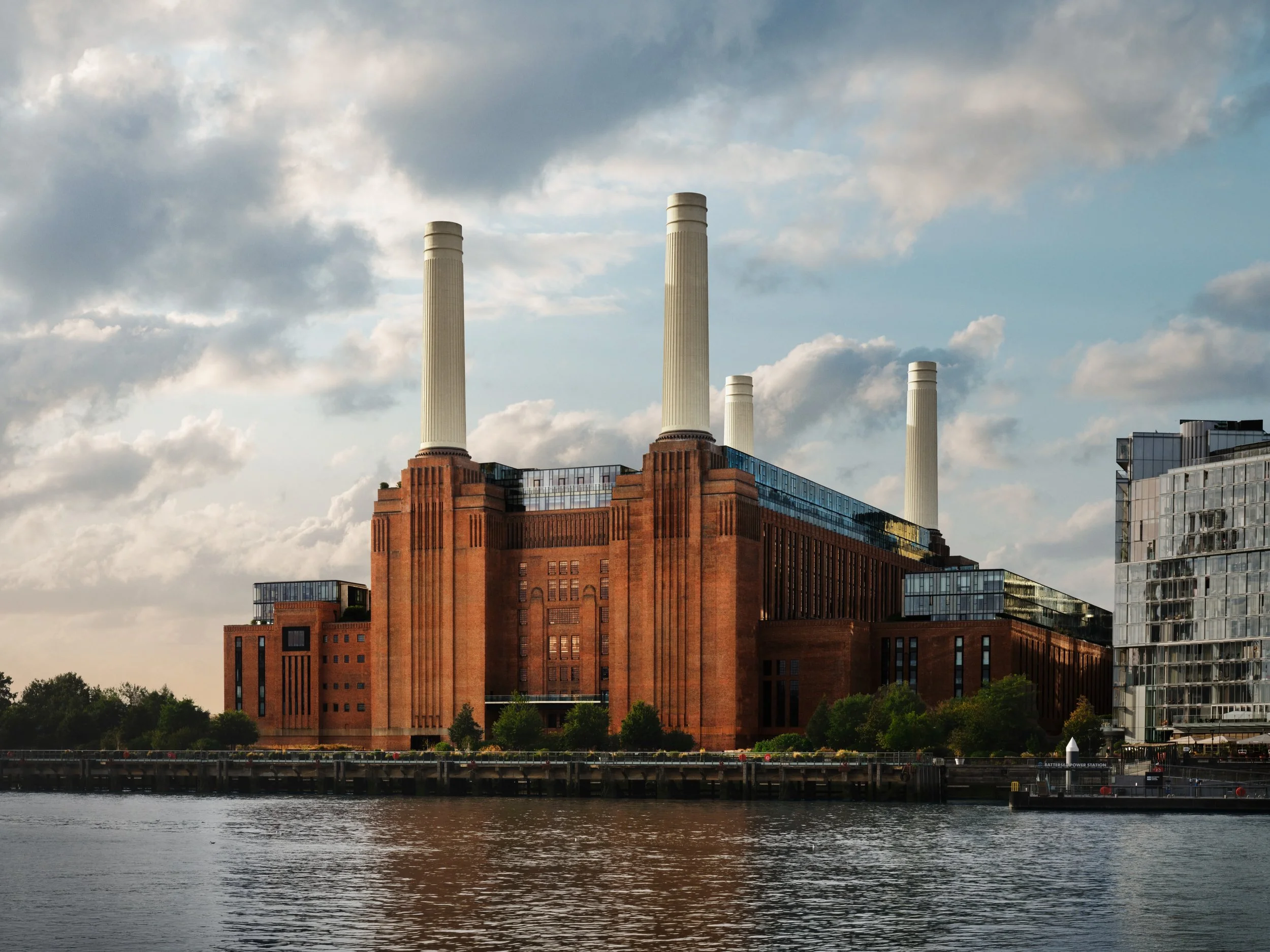
Apple today announced the opening of Apple Music Hall, a brand-new state-of-the-art live music venue in London’s storied Battersea Power Station, designed to connect artists and fans through bespoke, intimate performances unlike anywhere else.
“Apple’s deep love for music dates all the way back to the very beginning, from the launch of the iPod to the long-running iTunes Music Festival to the debut of Apple Music,” said Oliver Schusser, Apple’s vice president of Apple Music and International Content. “Today, with the opening of Apple Music Hall, we are once again taking an unprecedented step further in our commitment to artists and fans by supporting live music in ways only Apple can do.”
A Live Music Venue Unlike Any Other
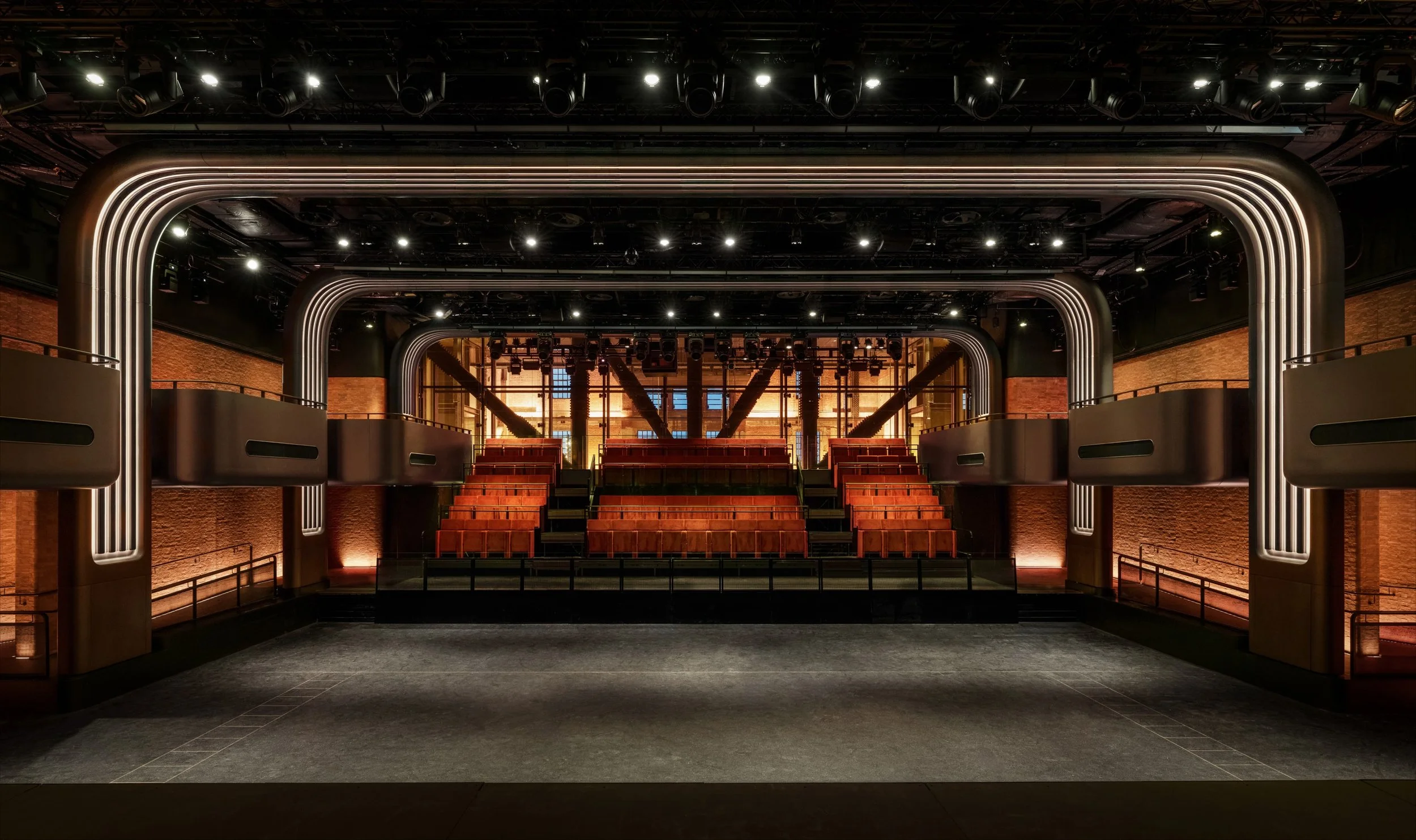
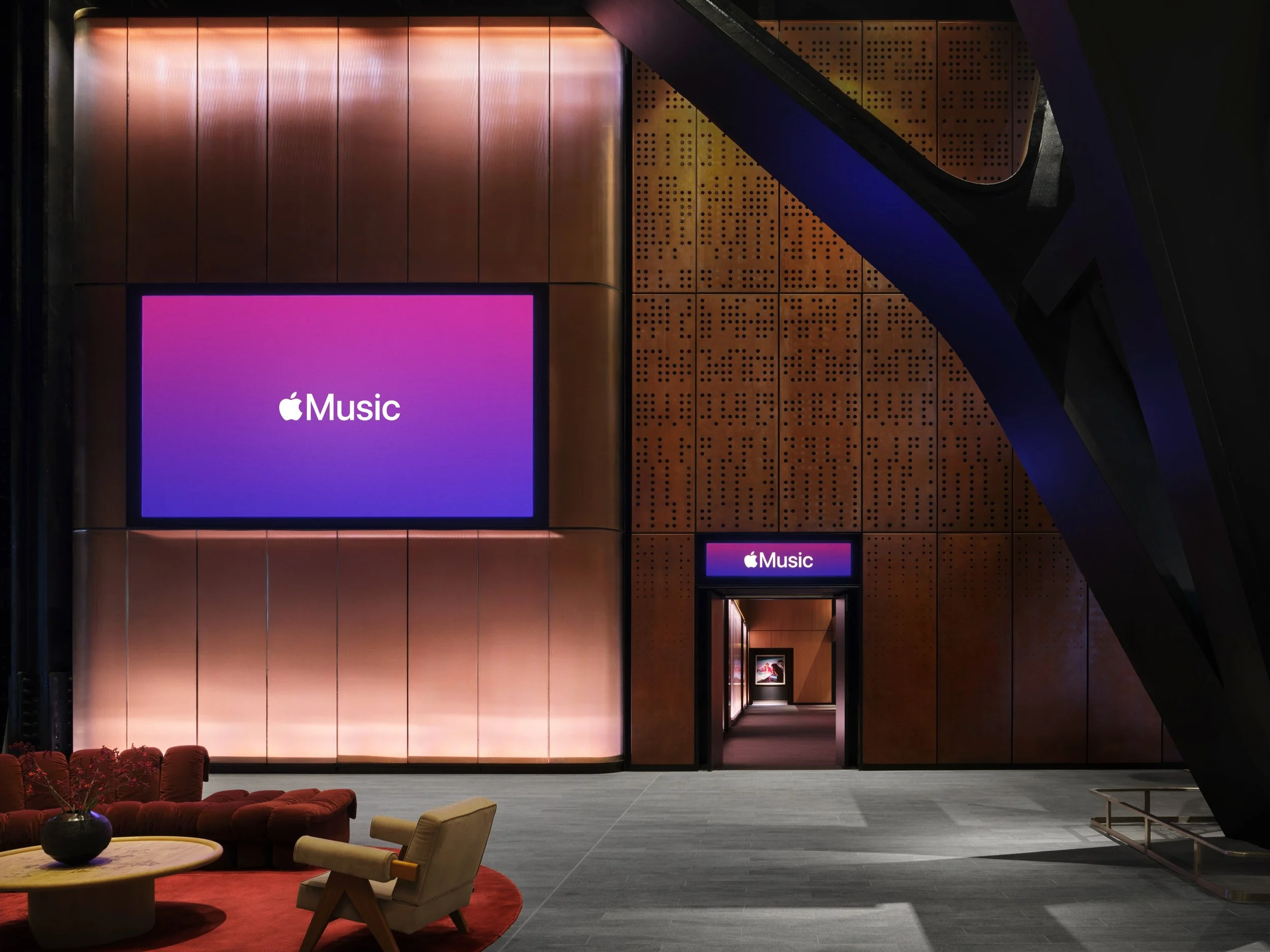
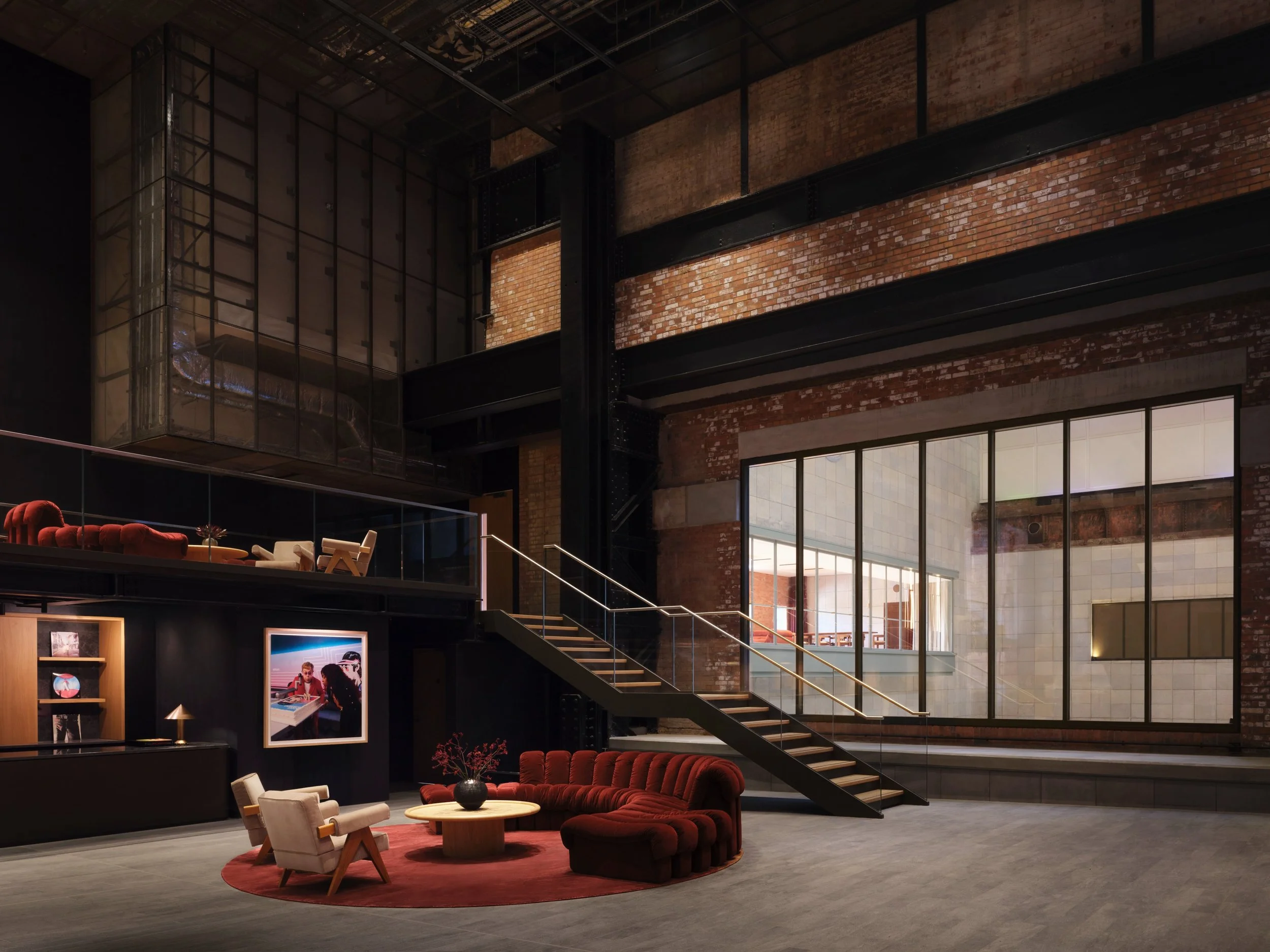
Apple Music Hall will offer artists and music fans alike an exceptional live concert experience alongside the River Thames. Inspired by the iconic Battersea Power Station, the new venue incorporates heritage brickwork, fluted arches, and bronze balconies reminiscent of the historic oriel windows. A giant glass wall further enhances the visual connection with the historic building, offering a panoramic view of the concourse and the river beyond.
The 600-capacity venue is designed intentionally to close the gap between intimacy and production value and allow for an unprecedented level of creative control. Every seat feels close to the performer, yet the infrastructure offers what an artist requires for an arena tour, with a 38-foot-wide stage that can be reconfigured for traditional front-facing sets or more in-the-round experiences. The venue also features a 48-speaker spatial sound system positioned around the audience. When an artist performs in spatial, fans can hear the performance in an immersive environment.
Behind the stage, Apple Music Hall operates as a full production facility. Two dedicated recording and mix studios are built to professional standards so that every performance can be captured as a multitrack recording and mixed in Spatial Audio, live or after the fact. The venue is also hardwired for 16 or more cameras that feed a purpose-built broadcast control room with infrastructure that supports iPhone video capture running in parallel alongside traditional broadcast cameras.
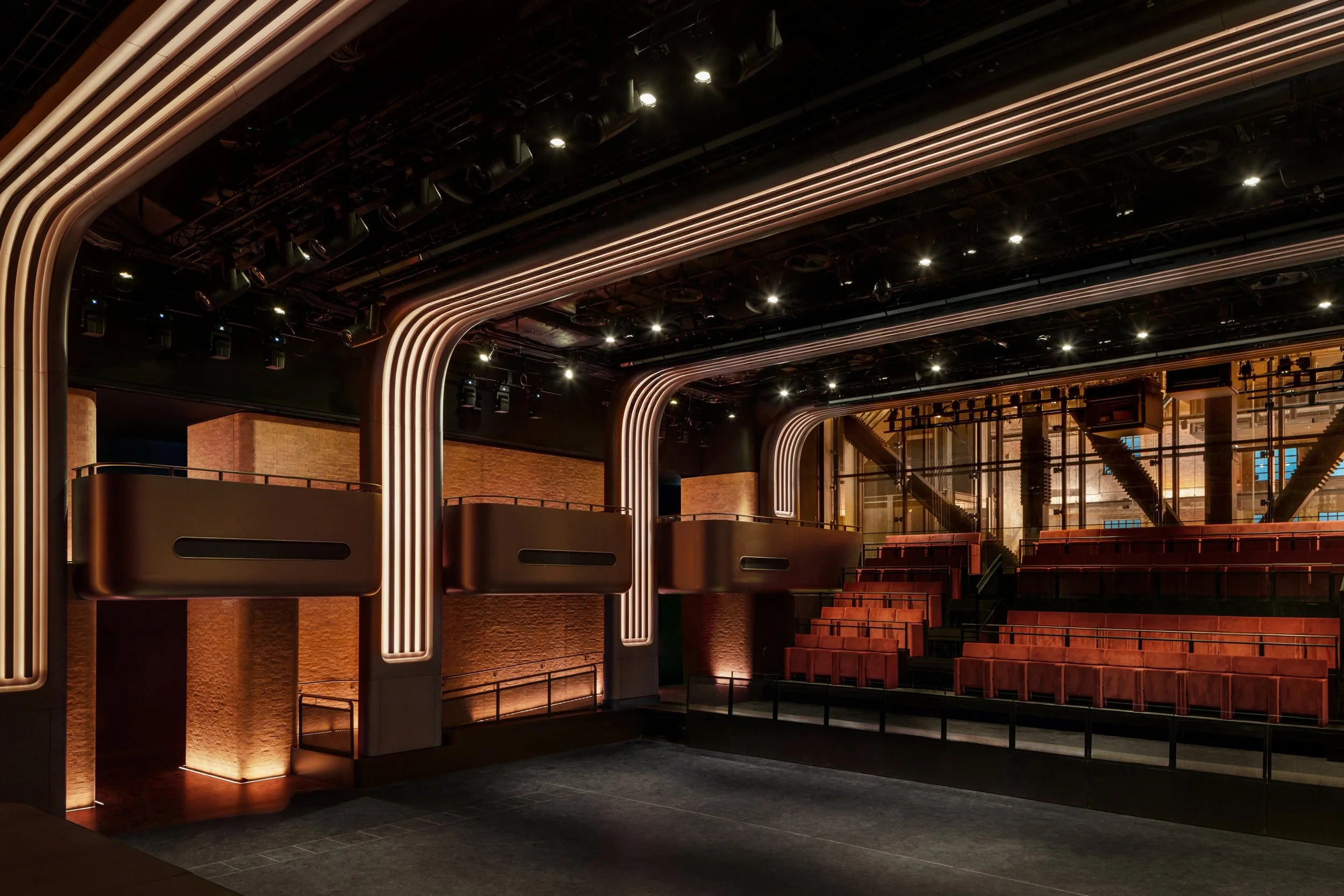
At Apple Music Hall, artists can perform an intimate live show and walk out with a finished Spatial Audio recording, a broadcast-ready mix, and multicamera video.
In short, an artist can perform an intimate live show for fans at Apple Music Hall and walk out with a finished Spatial Audio recording, a broadcast-ready mix, and multicamera video — all from a single show. Performances from Apple Music Hall will also be livestreamed globally, so fans outside London can tune in to enjoy these one-time-only shows from their favourite artists.
“At Apple Music, we care deeply about music, the artists who make it, and their life stories,” said Zane Lowe, Apple Music’s global creative director and lead anchor for Apple Music 1. “We’re always looking for new opportunities to connect the artists and the fans because we are fans. What better way to celebrate this relationship than with a new music venue where we can experience amazing music in an amazing space and share it with the world? Great music and memories will be made at Apple Music Hall.”
For more information about Apple Music Hall, including how to access tickets for upcoming shows, fans can visit applemusichall.com or follow @applemusichall on Instagram and TikTok.
Brand-New Apple Music Radio Studios in London
Apple also announced today that all Apple Music Radio’s London-based hosts and shows will now broadcast live from Battersea with the opening of its new radio studios.
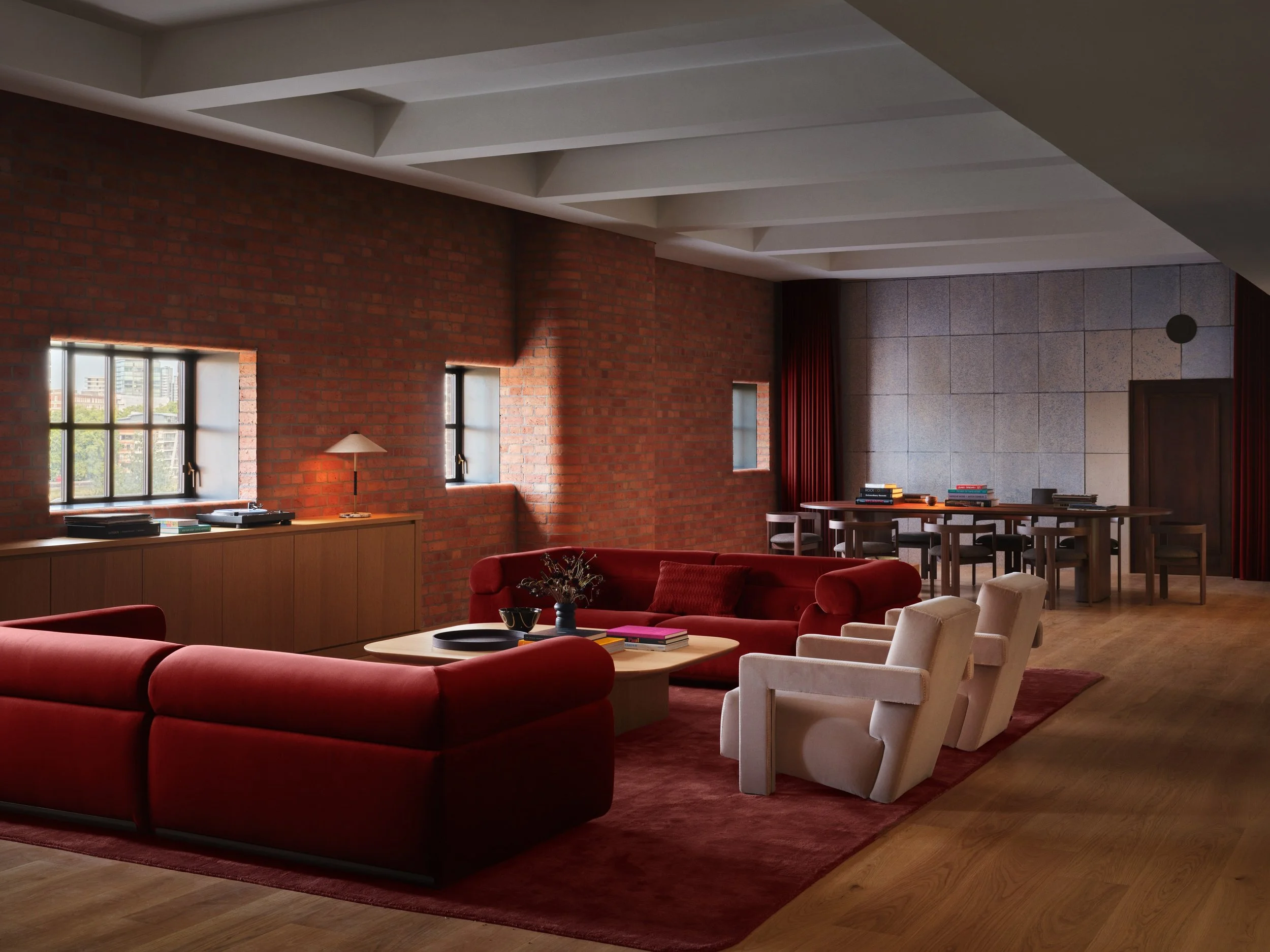
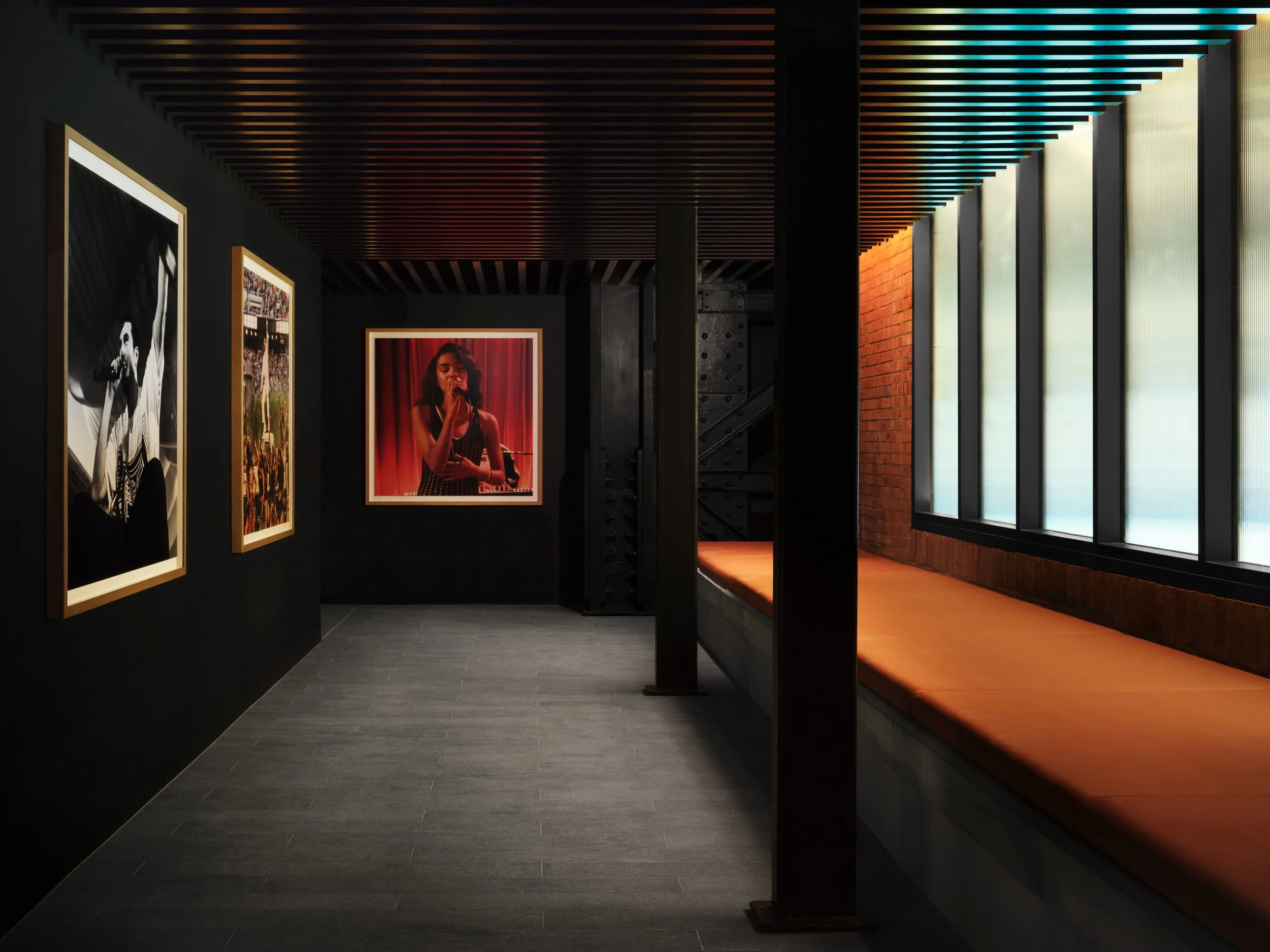
Since its inception, Apple Music Radio has been a defining feature of the service — a place where fans and artists meet in real time. From global premieres and intimate interviews to in-depth specials and surprise performances, Apple Music Radio has distinguished itself through expertly curated, artist-led storytelling that makes listeners feel closer to the music they love. Apple Music Radio streams 24/7 and is available worldwide for free.
About Apple Music
Apple loves music. Apple revolutionized the music experience with iPod and iTunes. Today, the award-winning Apple Music celebrates musicians, songwriters, producers, and fans with a catalog of over 100 million songs, expertly curated playlists, and the best artist interviews, conversations, and global premieres with Apple Music Radio. With original content from the most respected and beloved people in music, autoplay, time-synced lyrics, lossless audio, and immersive sound powered by Spatial Audio with Dolby Atmos, Apple Music offers the world’s best listening experience, helping listeners discover new music and enjoy their favorites while empowering the global artist community. Apple Music is available in over 167 countries and regions on iPhone, iPad, Mac, Apple Watch, Apple TV, HomePod, CarPlay, Apple Vision Pro, and online at music.apple.com, plus popular smart speakers, smart TVs, and Android and Windows devices. Apple Music is ad-free and never shares consumer data with third parties. More information is available at apple.com/apple-music.
Diversified by Design: The LW Perspective
As the global hospitality landscape undergoes a profound recalibration, LW Design’s 2026 roadmap offers a masterclass in agility. Here, the studio outlines a year defined not by reinvention, but by the confident realization of a borderless creative identity. If 2026 requires a singular thesis for the design industry at large, it is “Diversified by Design.” We are witnessing a fundamental shift in the cadence of guest engagement and the way global hospitality expresses its soul.
As the global hospitality landscape undergoes a profound recalibration, LW Design’s 2026 roadmap offers a masterclass in agility. Here, the studio outlines a year defined not by reinvention, but by the confident realization of a borderless creative identity.
If 2026 requires a singular thesis for the design industry at large, it is “Diversified by Design.” We are witnessing a fundamental shift in the cadence of guest engagement and the way global hospitality expresses its soul. LW Design’s own trajectory serves as a compelling case study: the studio has matured from its foundations as a hospitality specialist into a polymathic force, shaping wellness destinations, nature lodges, and culturally attuned F&B concepts across four continents.
The Wellness Integration
The most significant shift in the current climate is the demand for holistic well-being. Wellness has moved beyond the "spa" annex; it is now the primary lens through which luxury is filtered. This philosophy, attuning the body, mind, and natural environment, requires a design language that sits at the sharp intersection of creative poetry and technical rigor. In an industry where transparency is absolute, the most successful projects are those that unite imaginative storytelling with forensic operational intelligence.
A Global Dispatch: The 2026 Openings
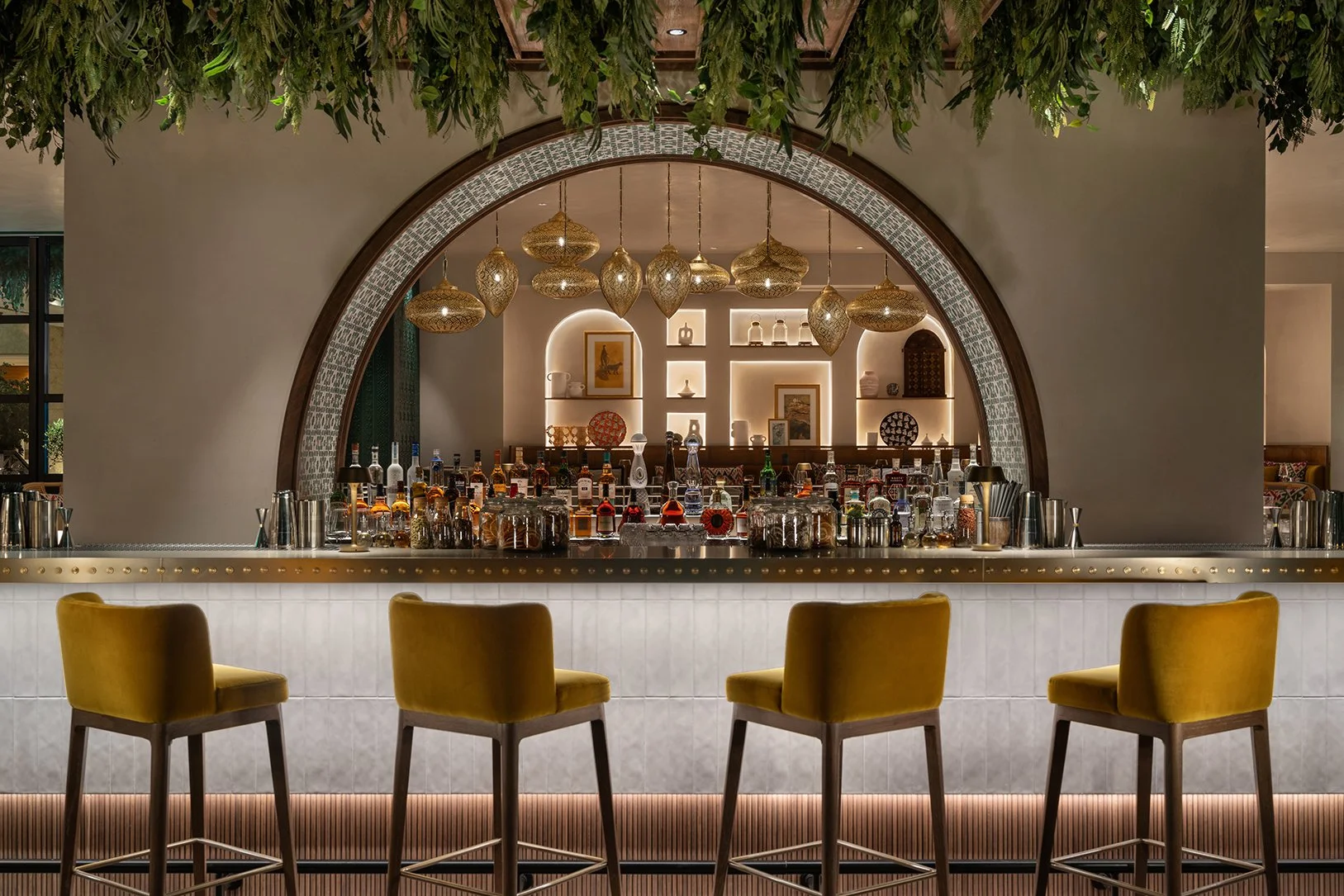
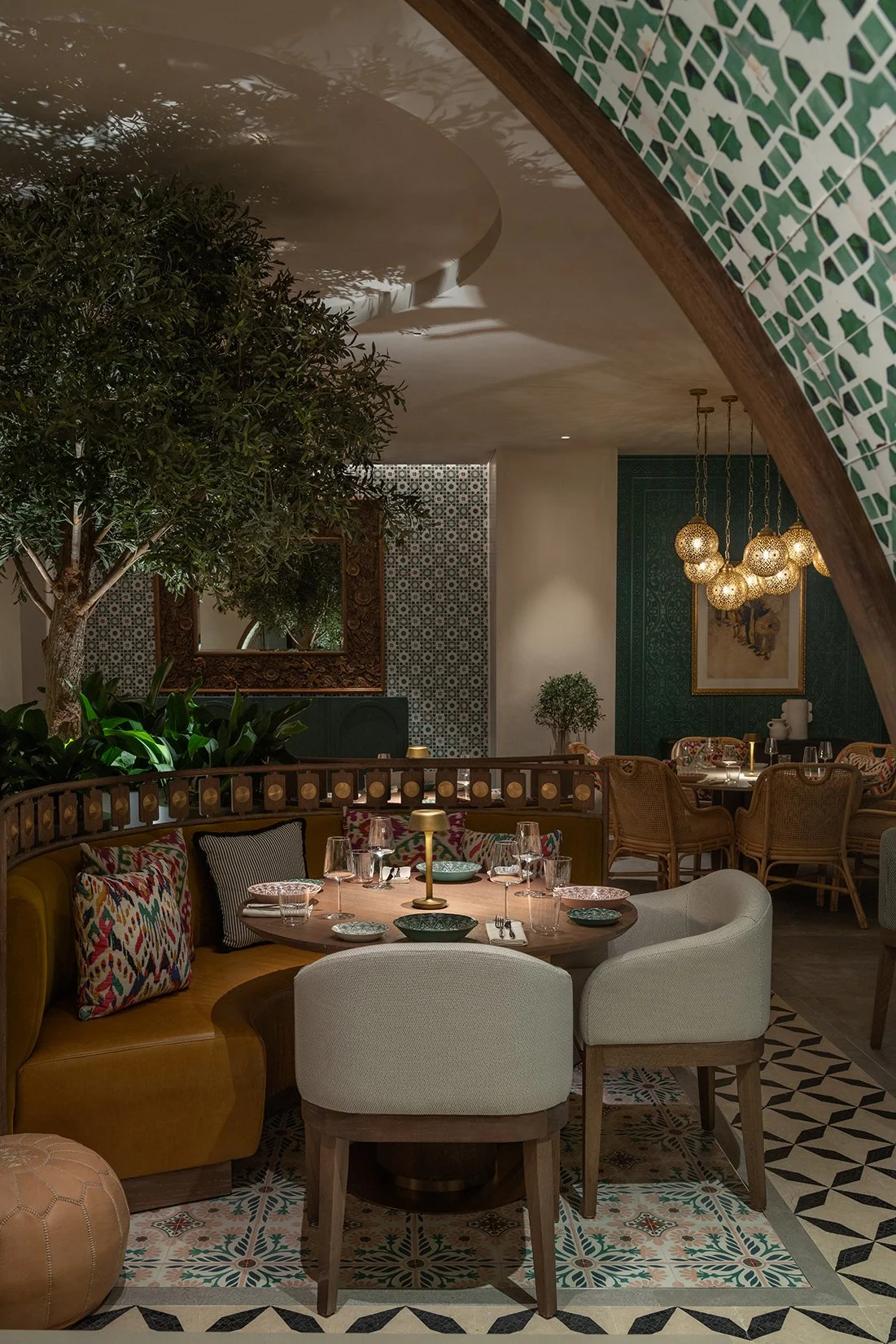
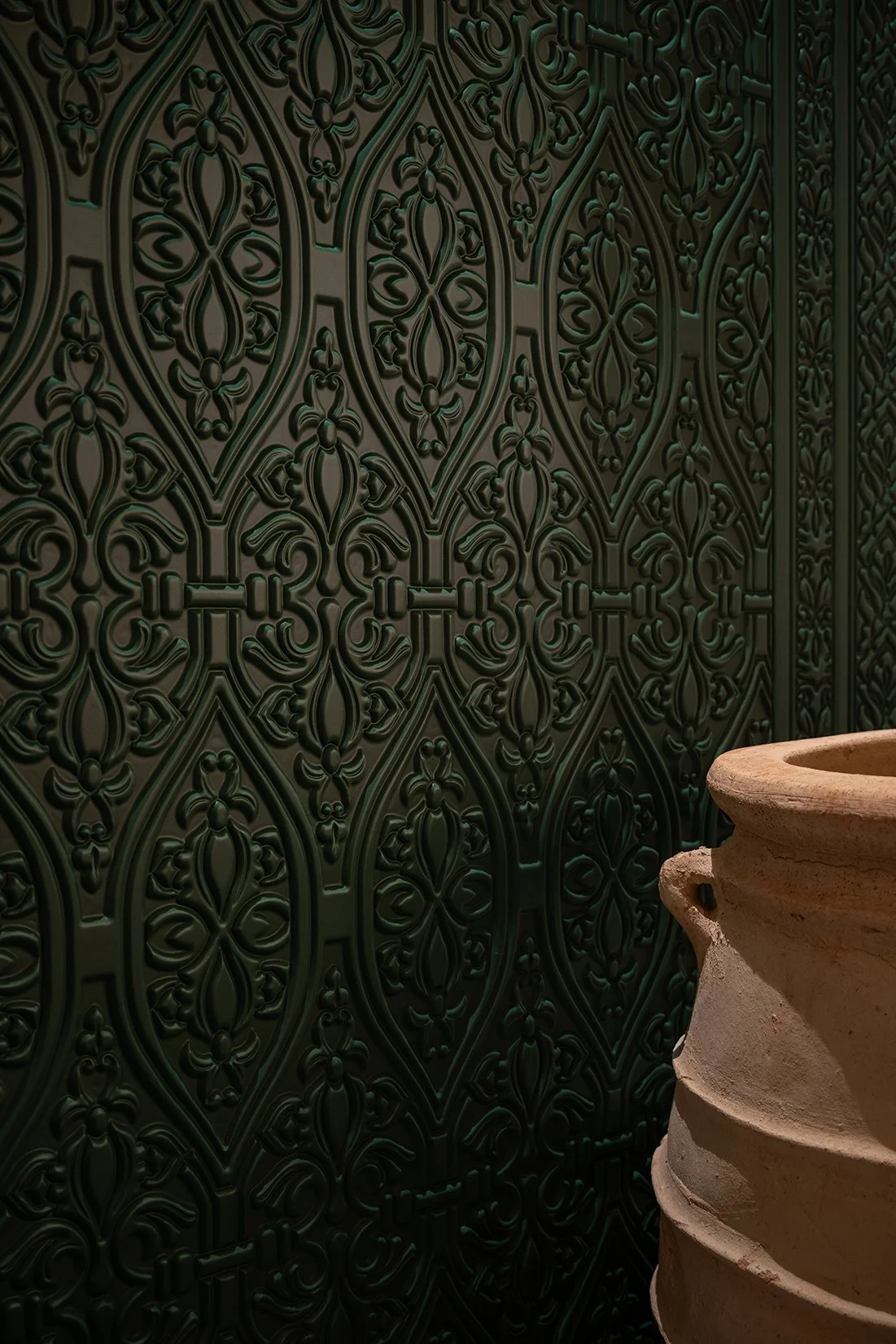
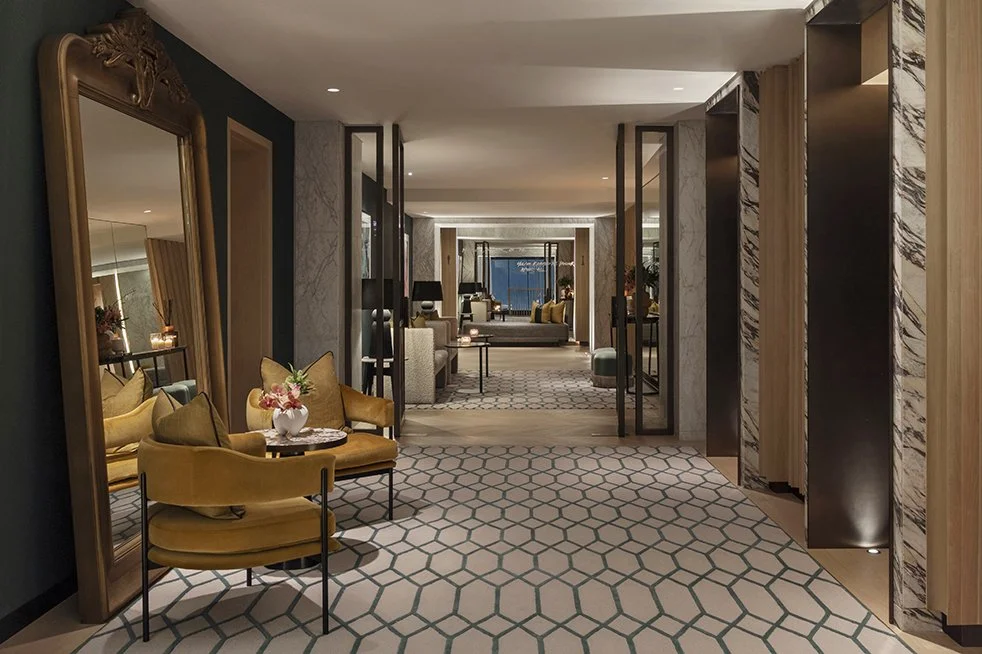
The studio’s 2026 calendar represents a high-water mark for international expansion. The year commences with the sophisticated transformation of the Intercontinental Table Bay in Cape Town, followed by a refined overhaul of the public realm at Grosvenor House Dubai.
By mid-year, the momentum shifts toward the Kingdom of Saudi Arabia, marking a definitive entry into the region's "New Era" of luxury with the debut of Four Seasons Madinah and W Riyadh. Simultaneously, the studio’s work in East Africa, a market poised as the next great growth frontier, reaches a milestone with the JW Marriott Mt. Kenya Rhino Reserve.
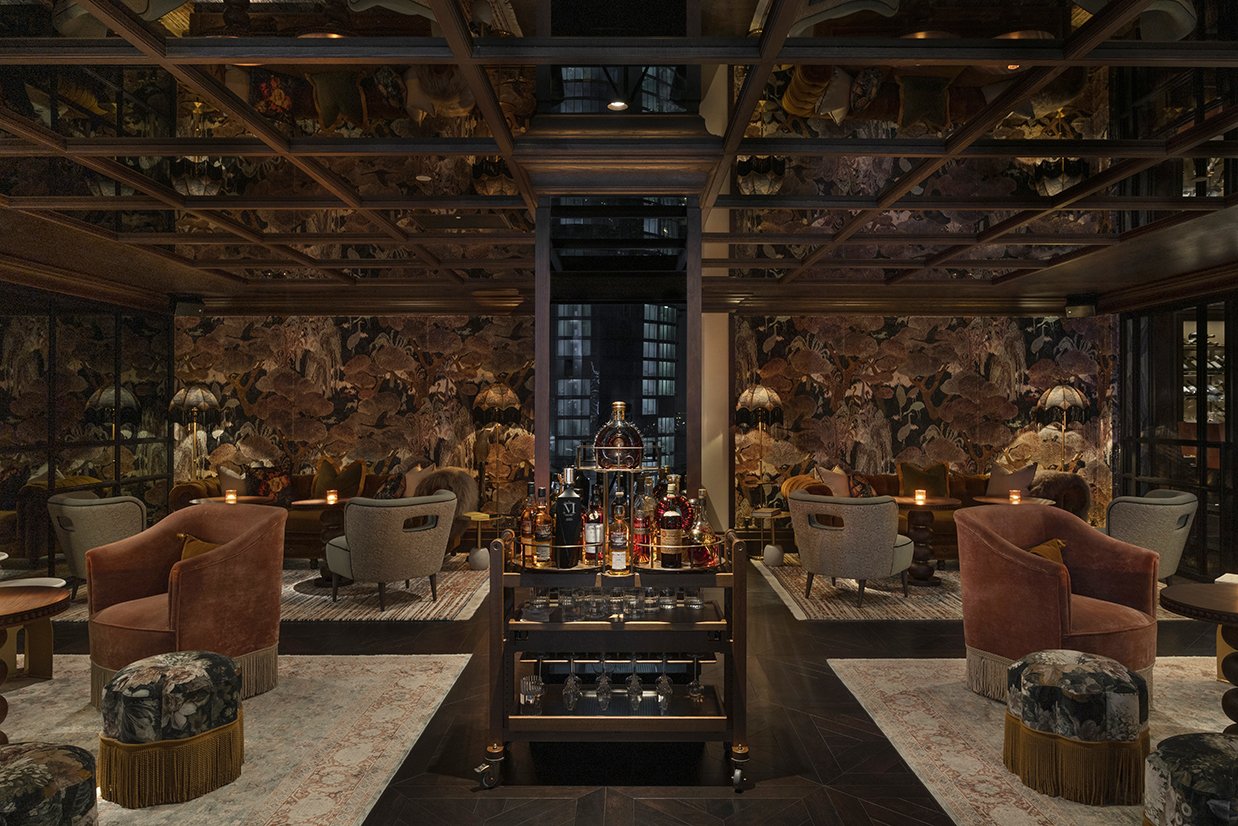
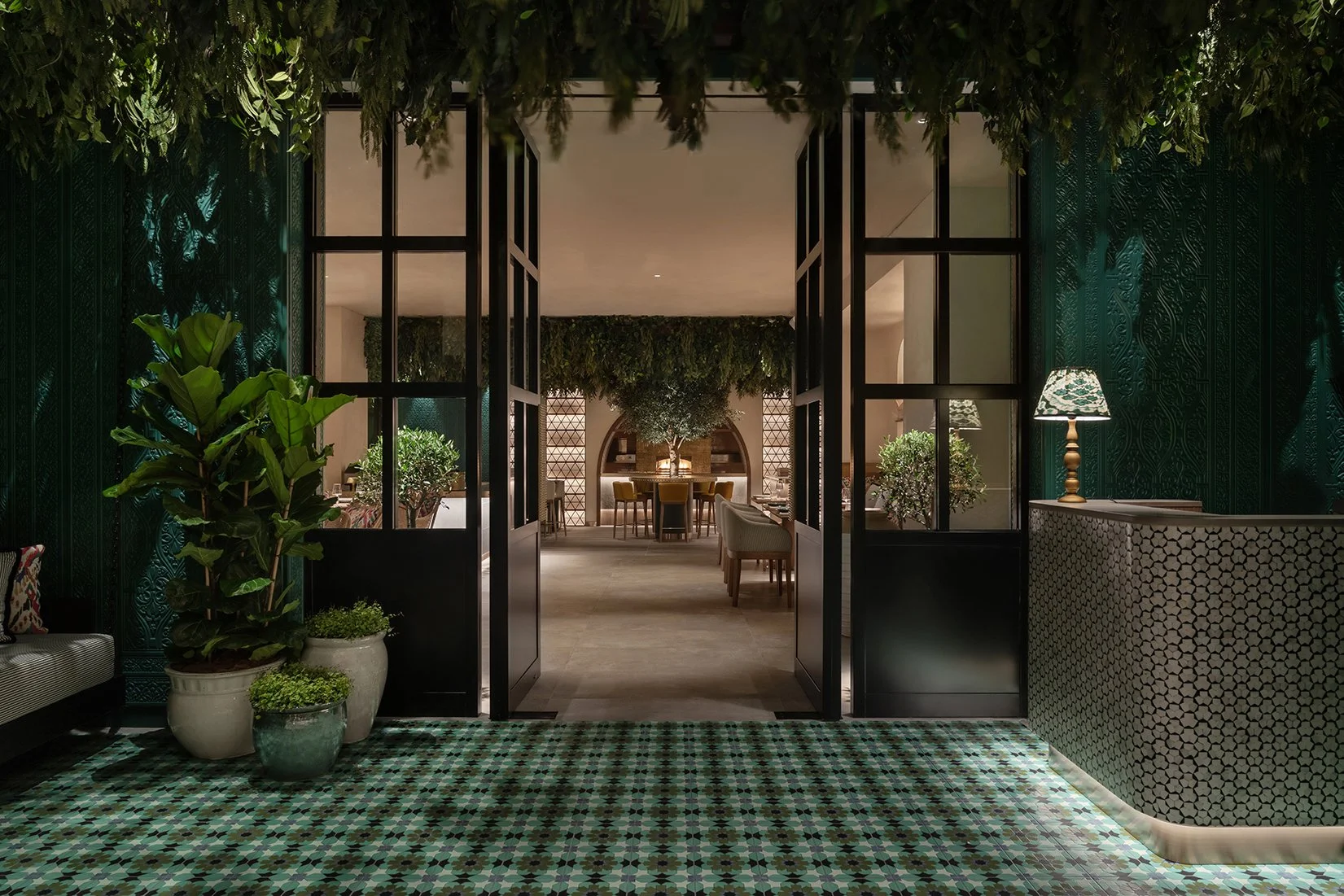
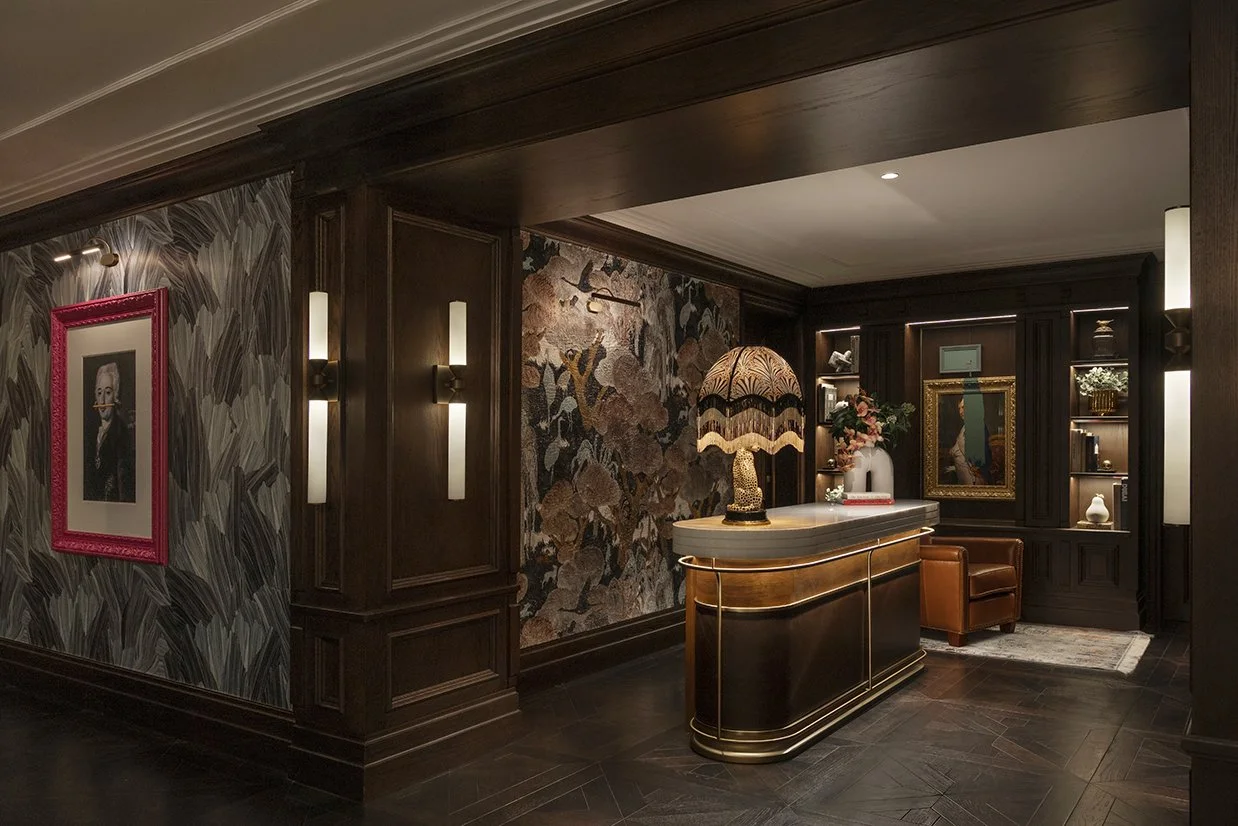
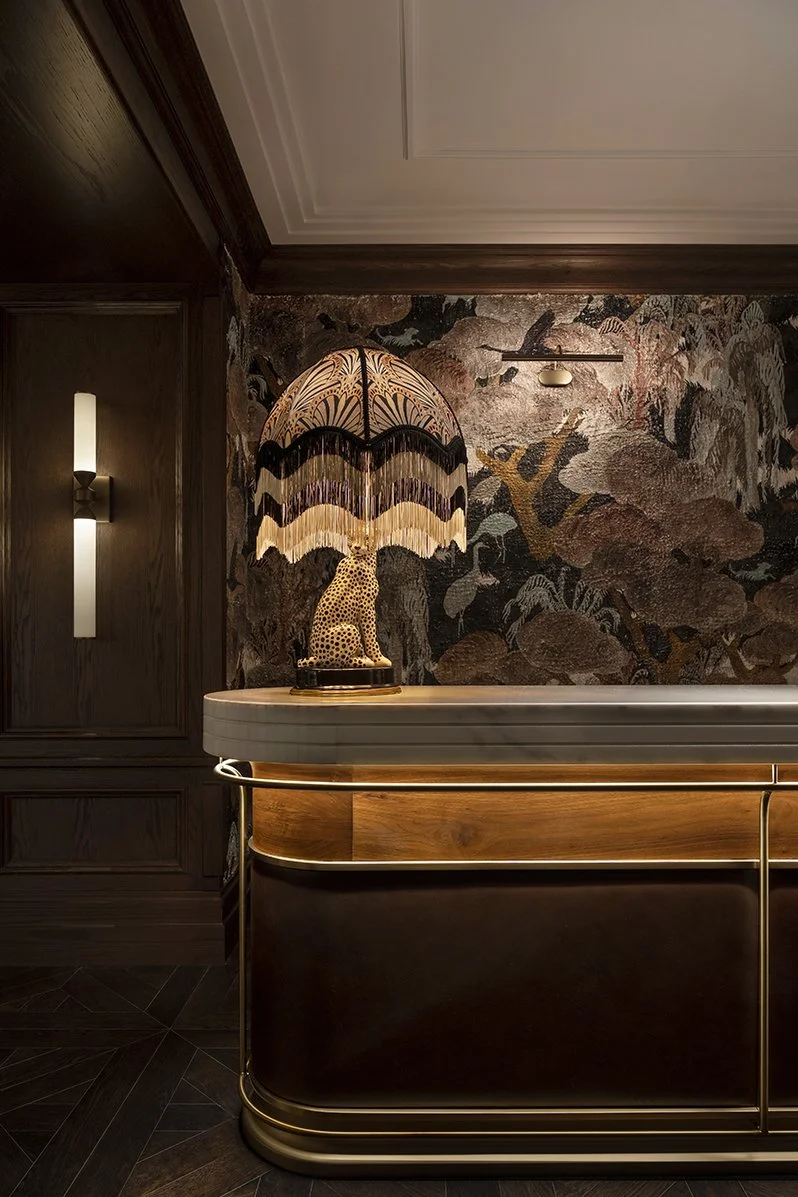
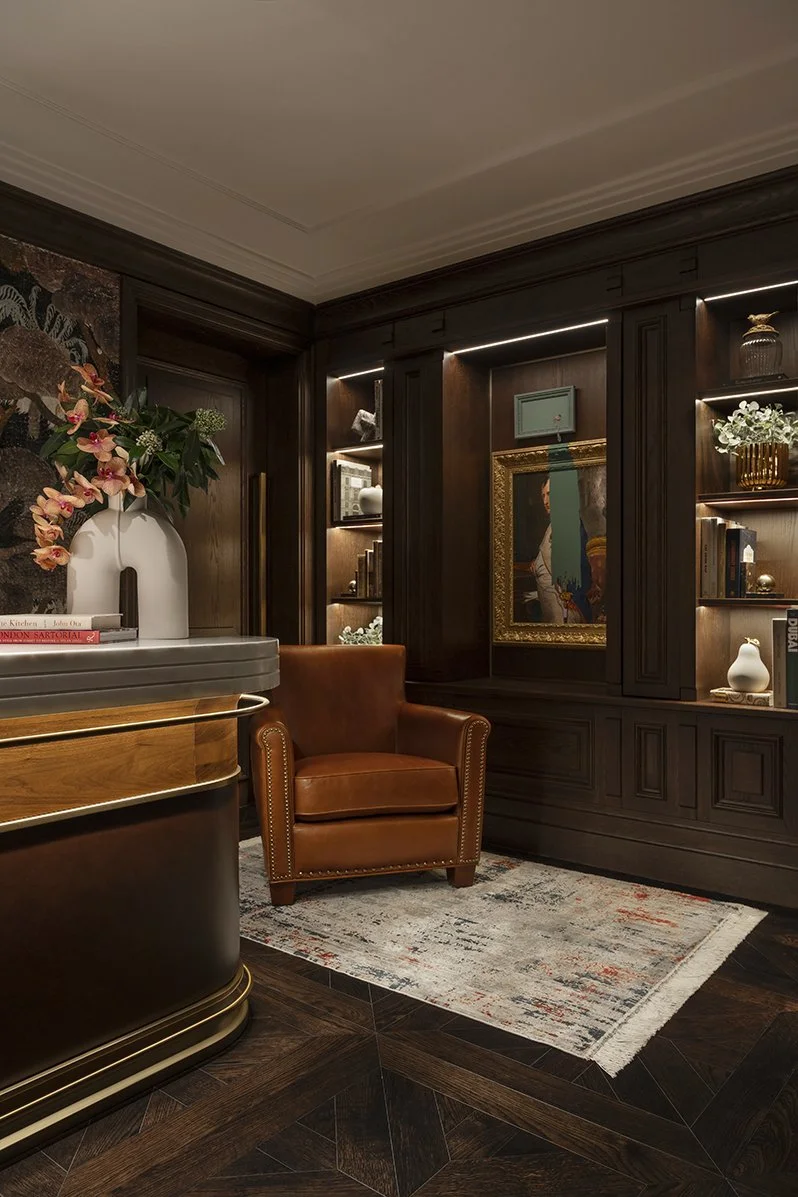
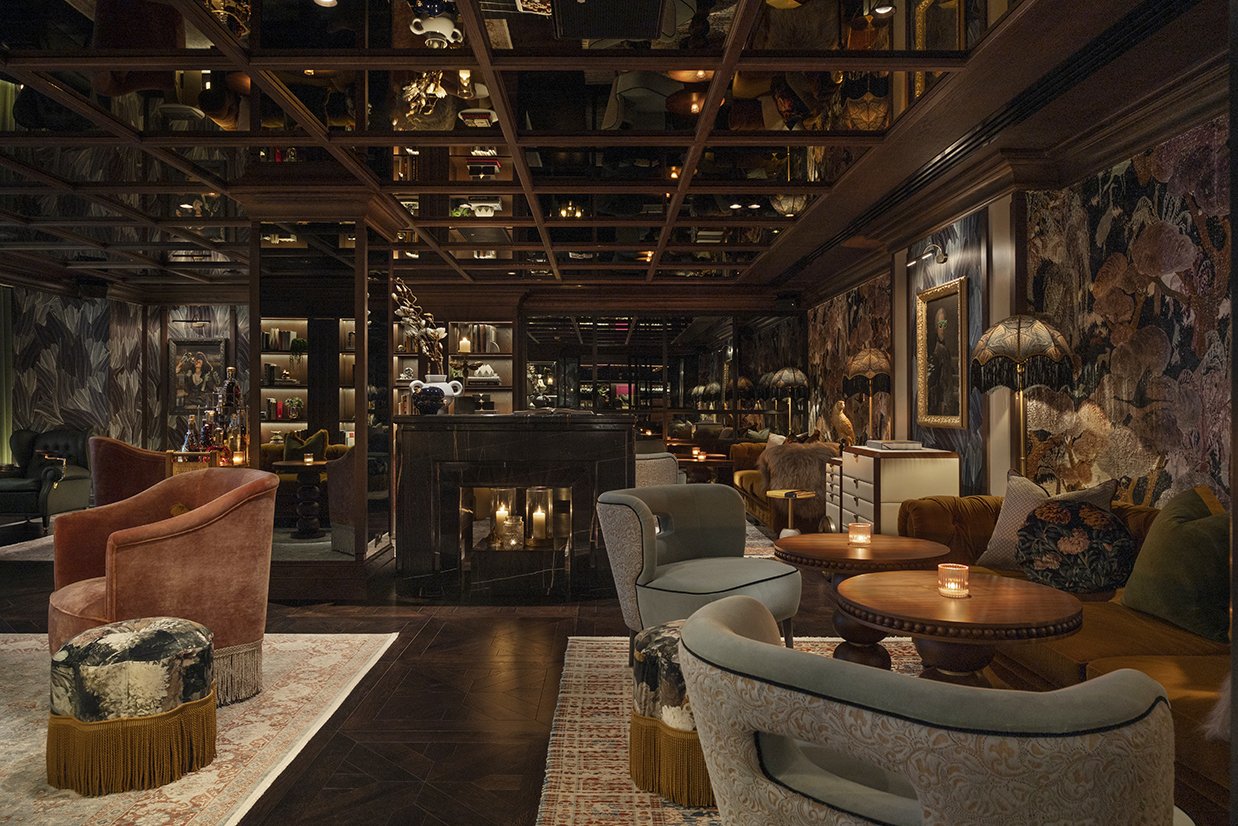
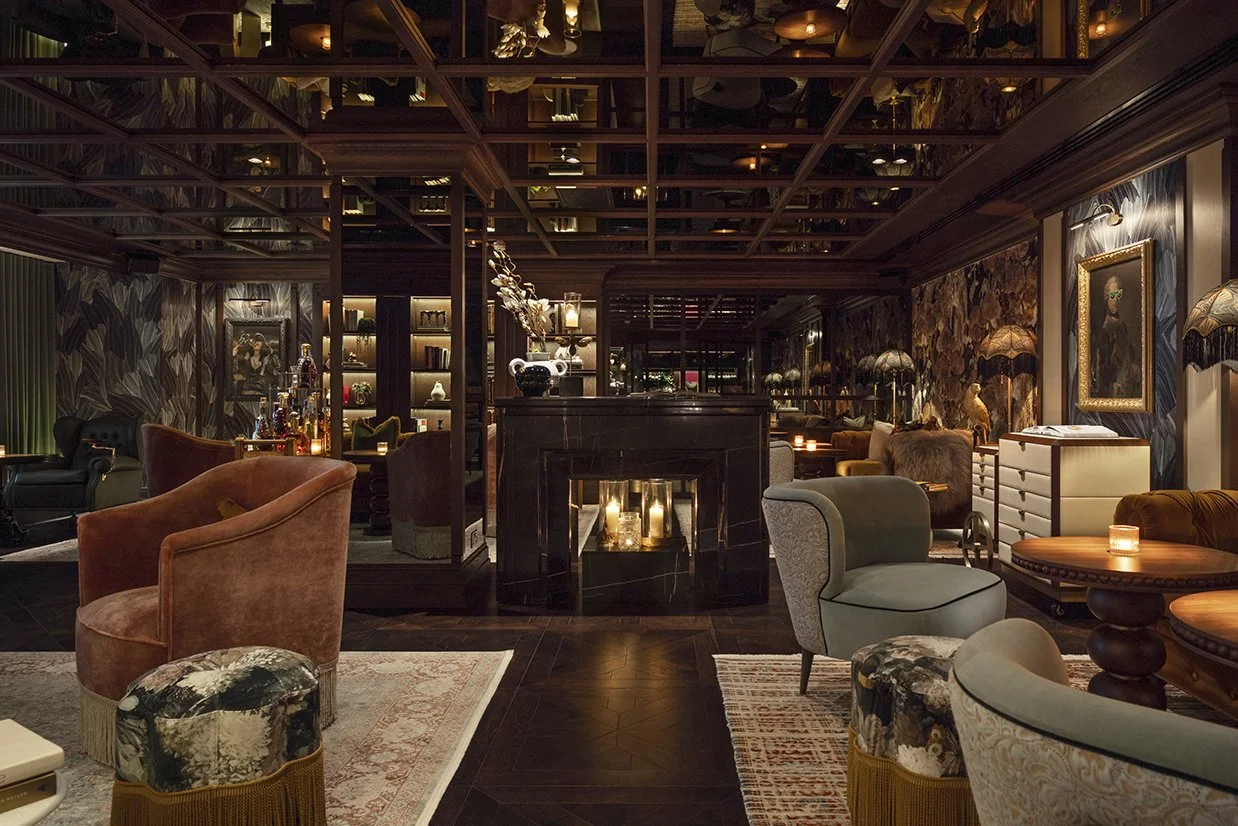
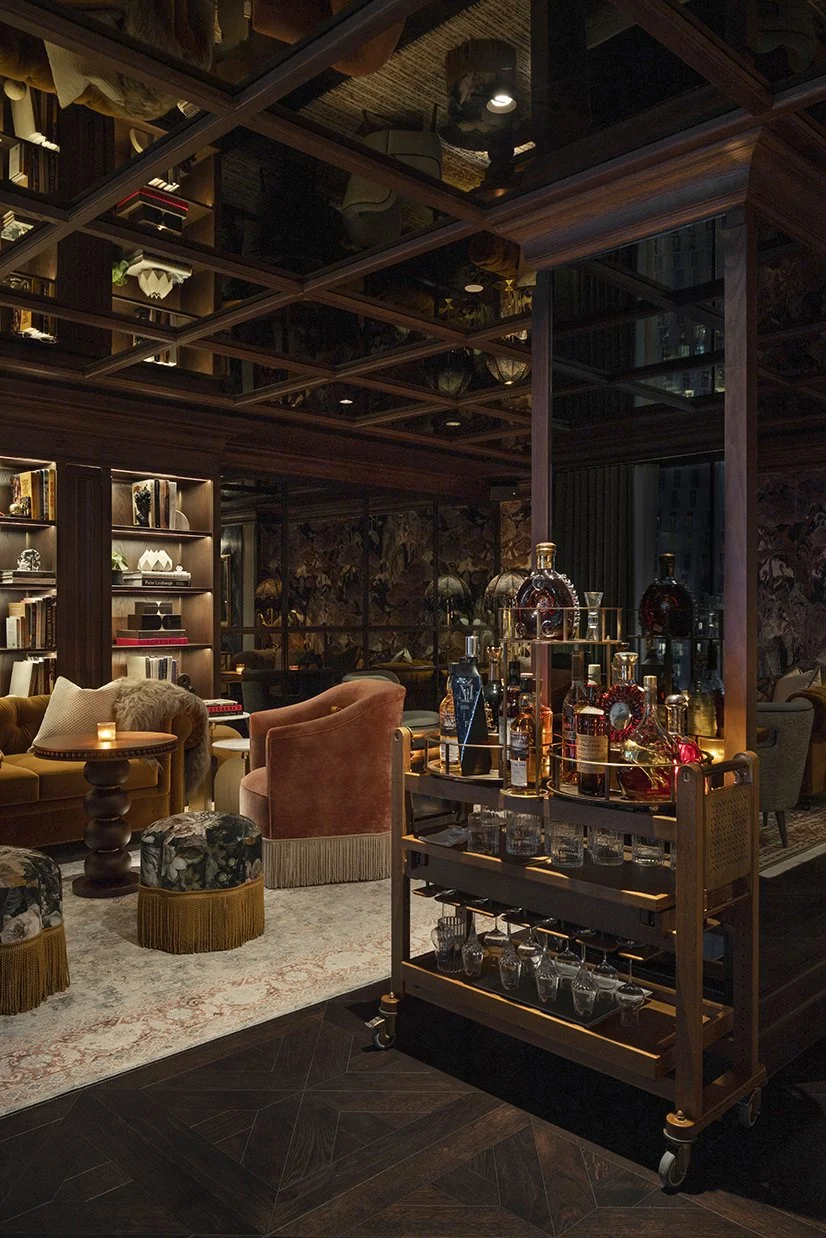
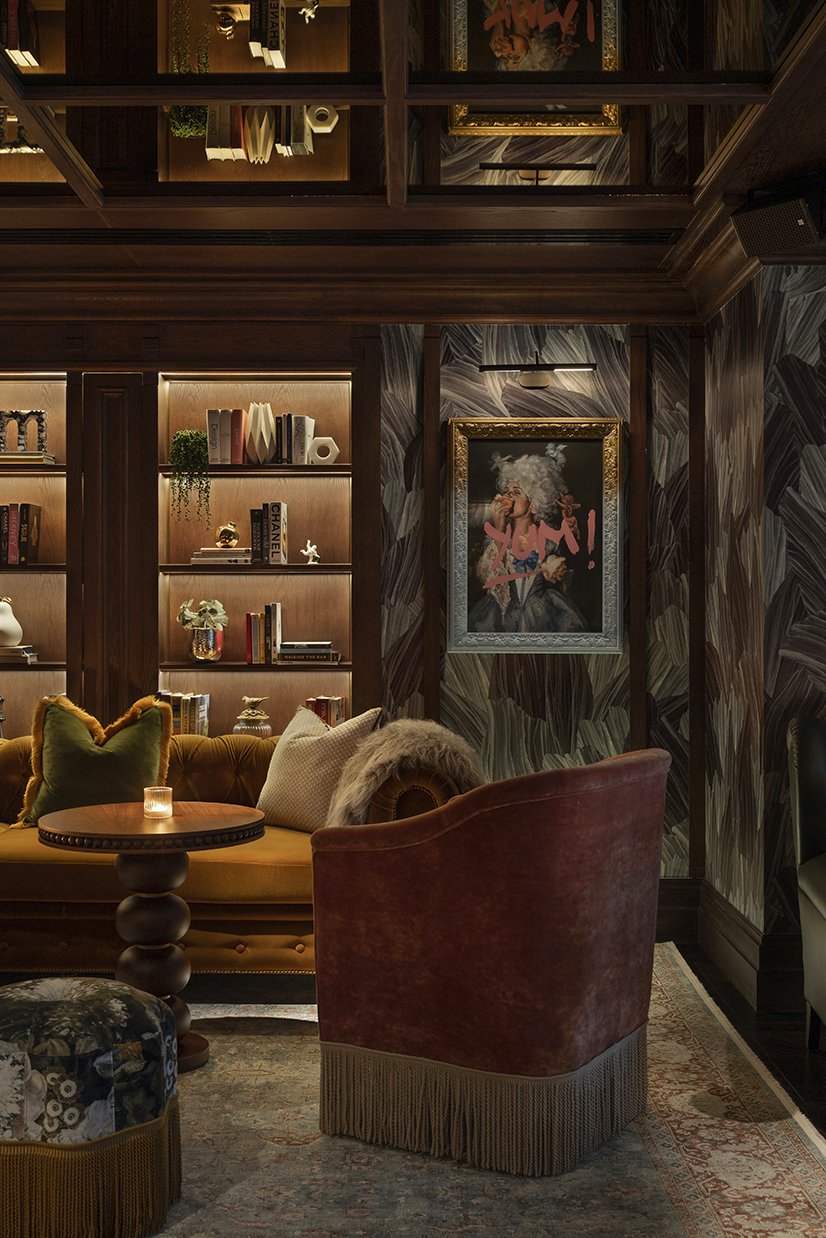
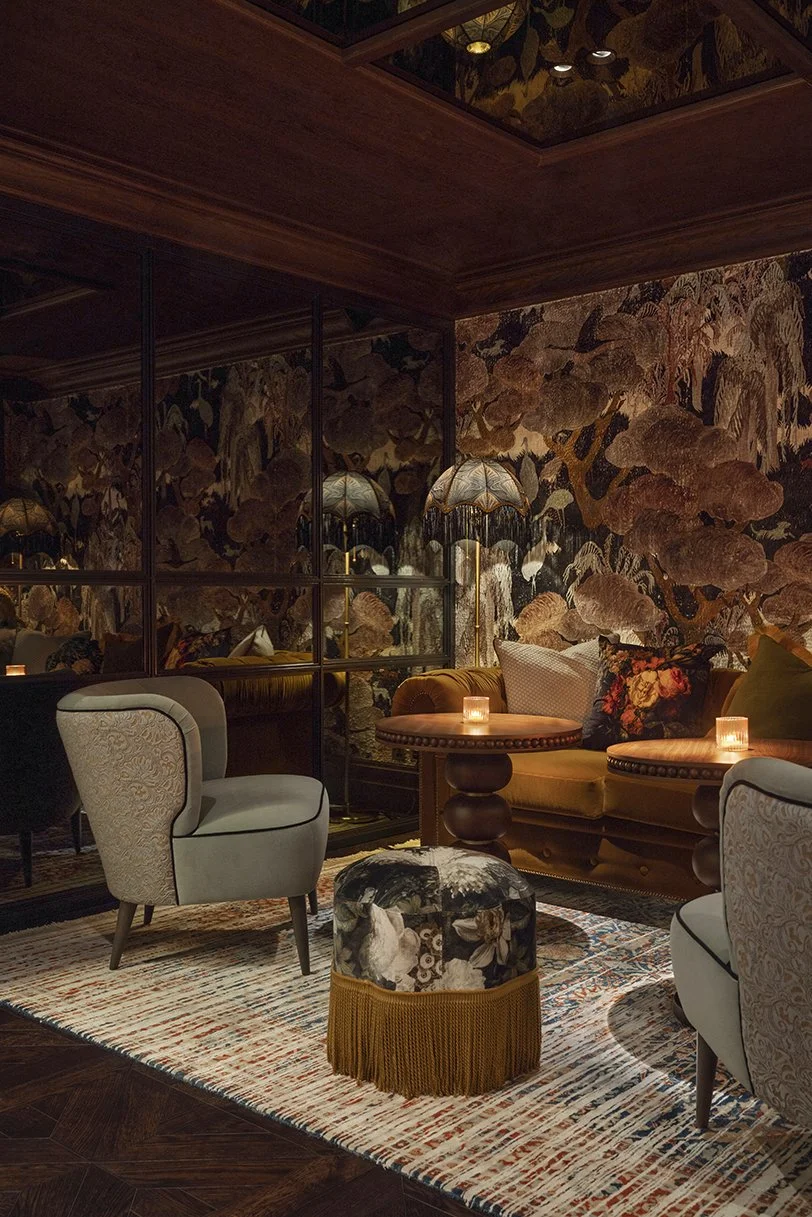
Perhaps the most avant-garde addition to the portfolio is Hotel REM in Macau. Opening in July, this all-suite concept within the City of Dreams complex is a vibrant and eclectic exercise in narrative-driven design, demonstrating that luxury in 2026 is as much about character as it is about comfort.
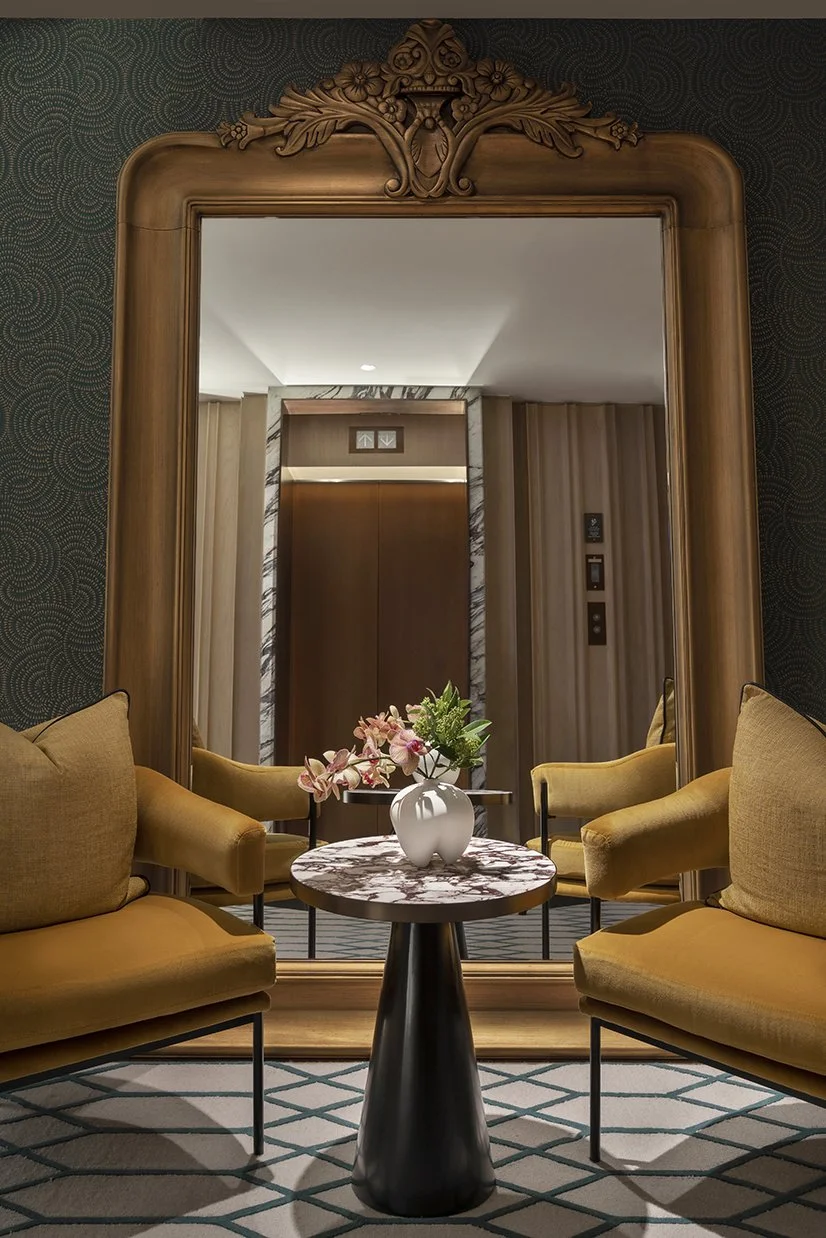
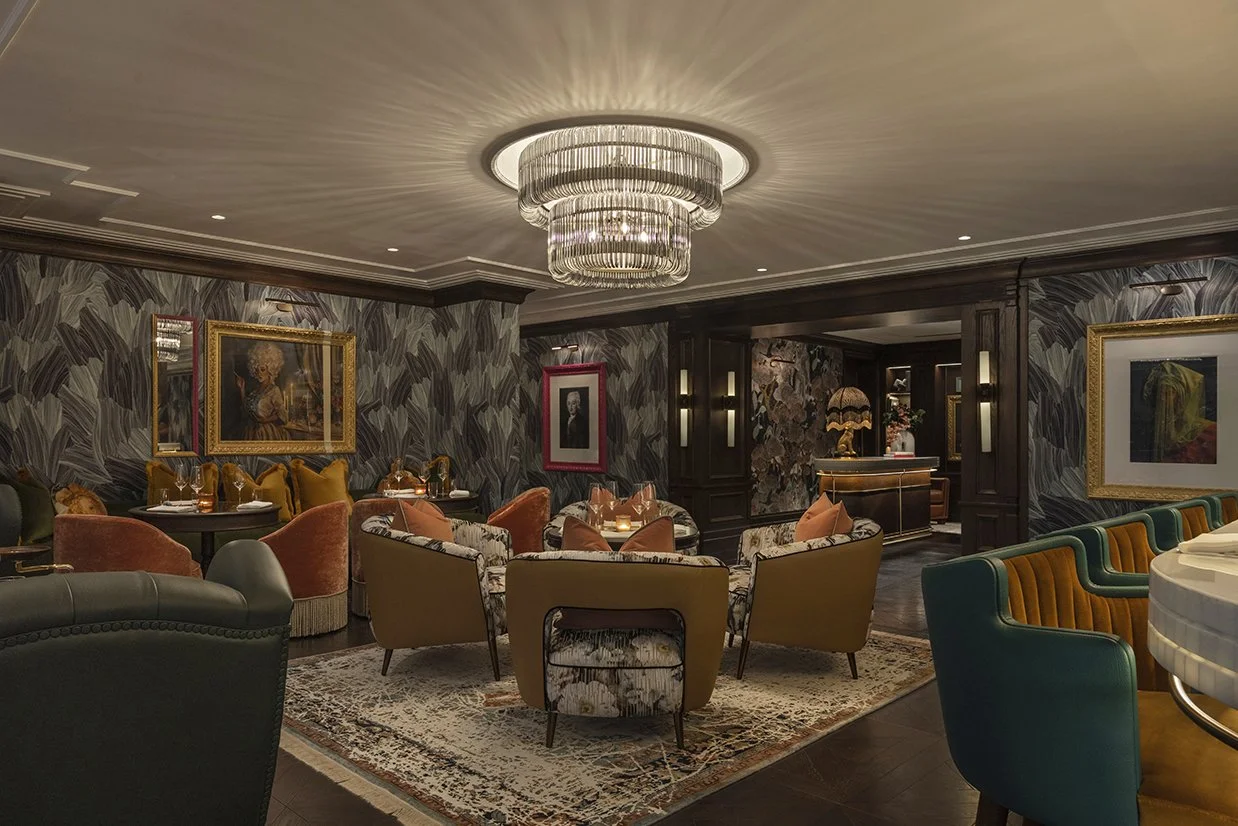
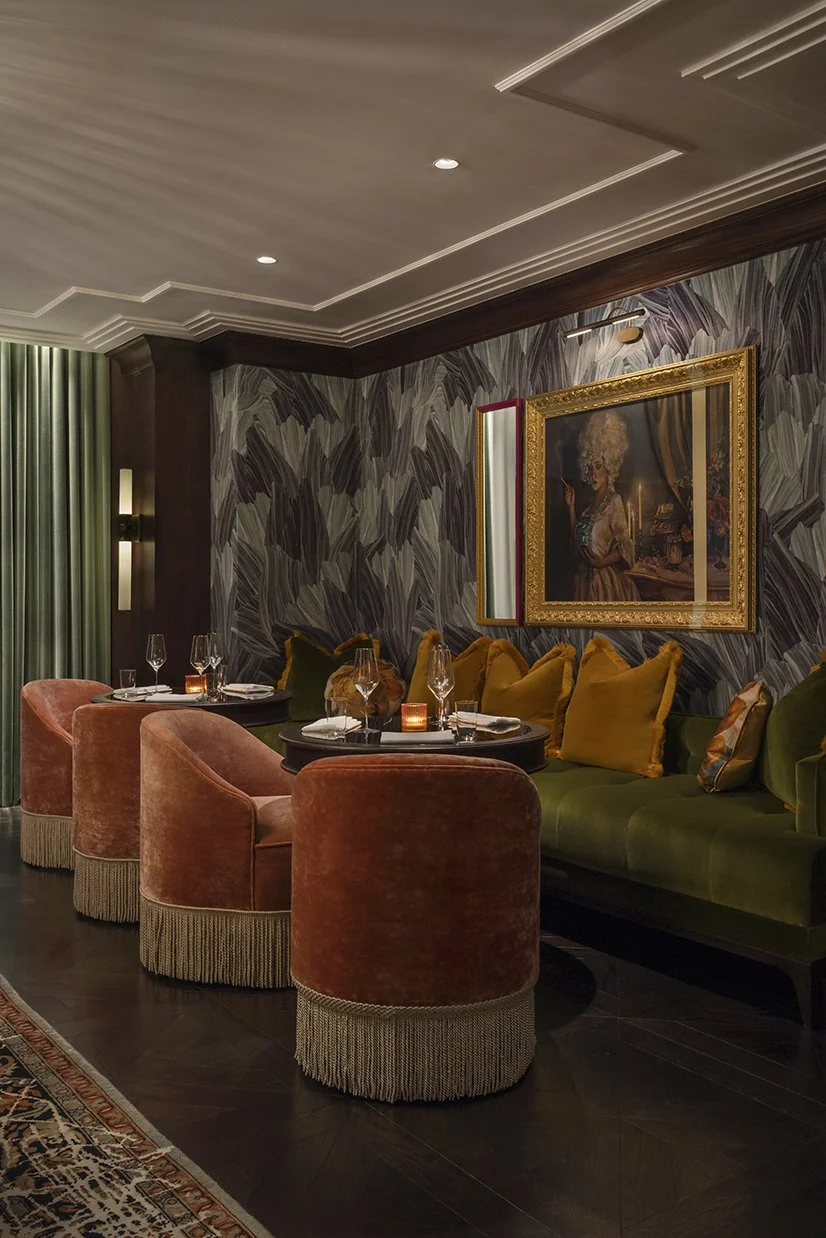
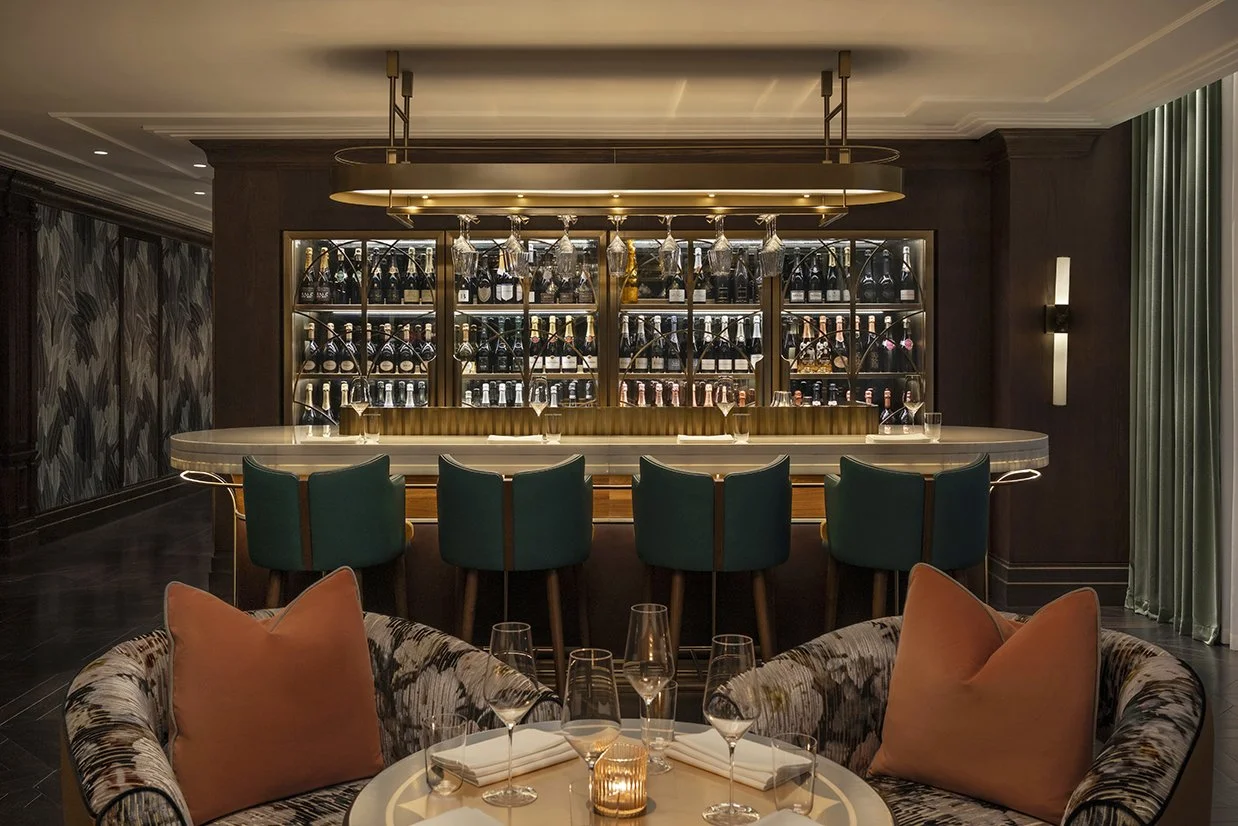
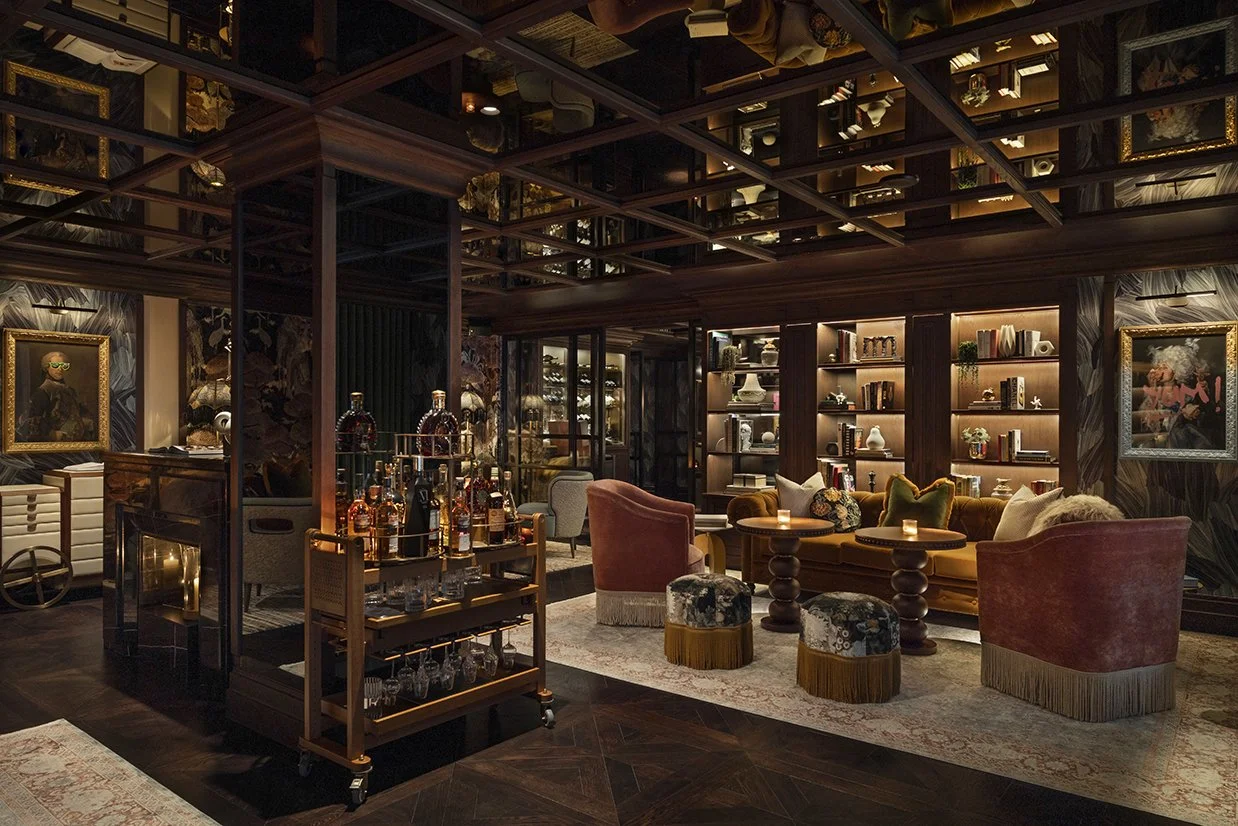
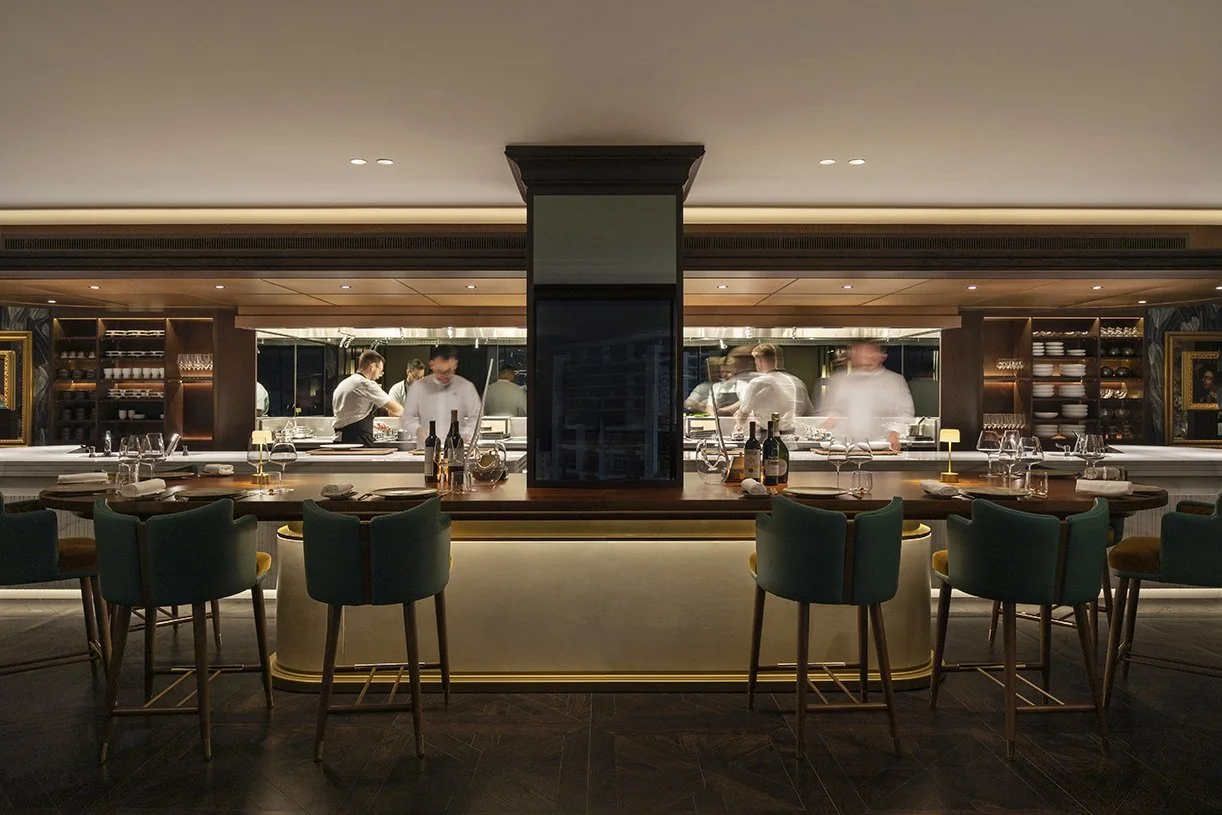
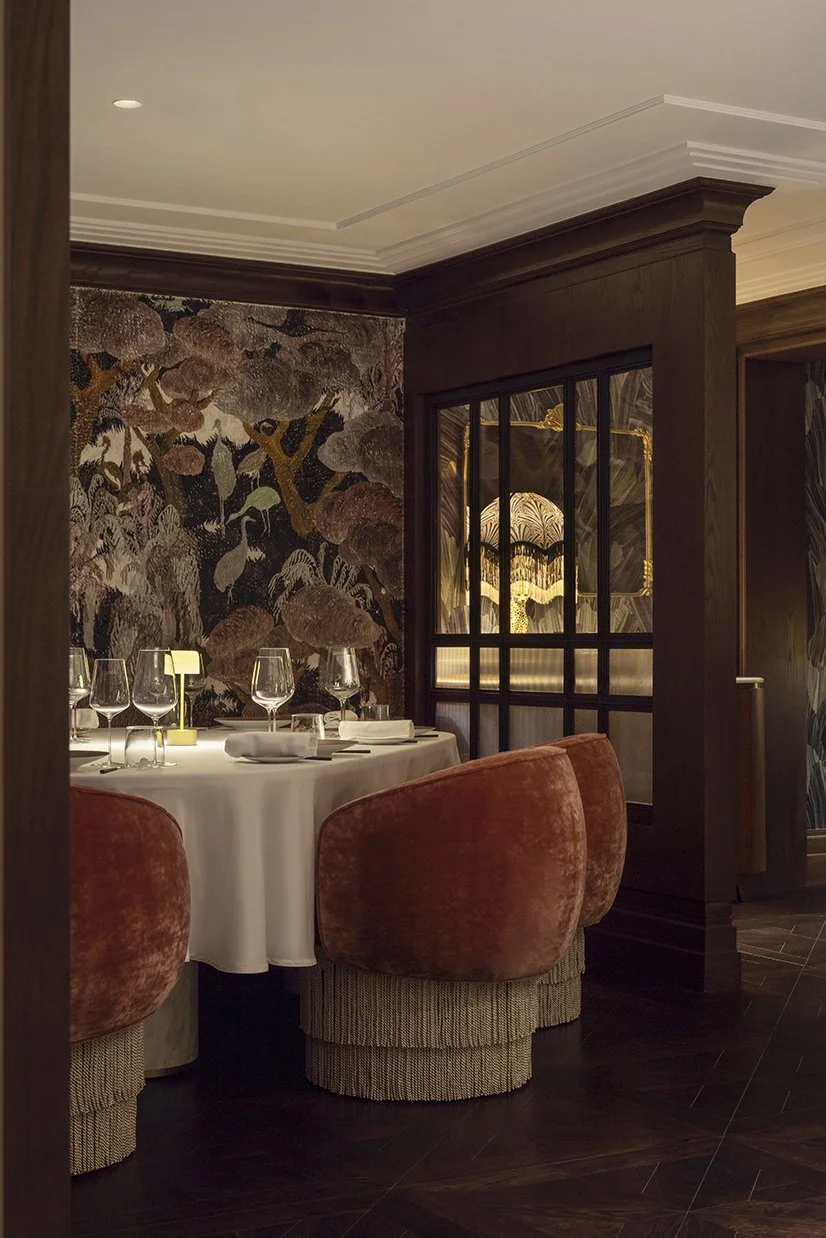
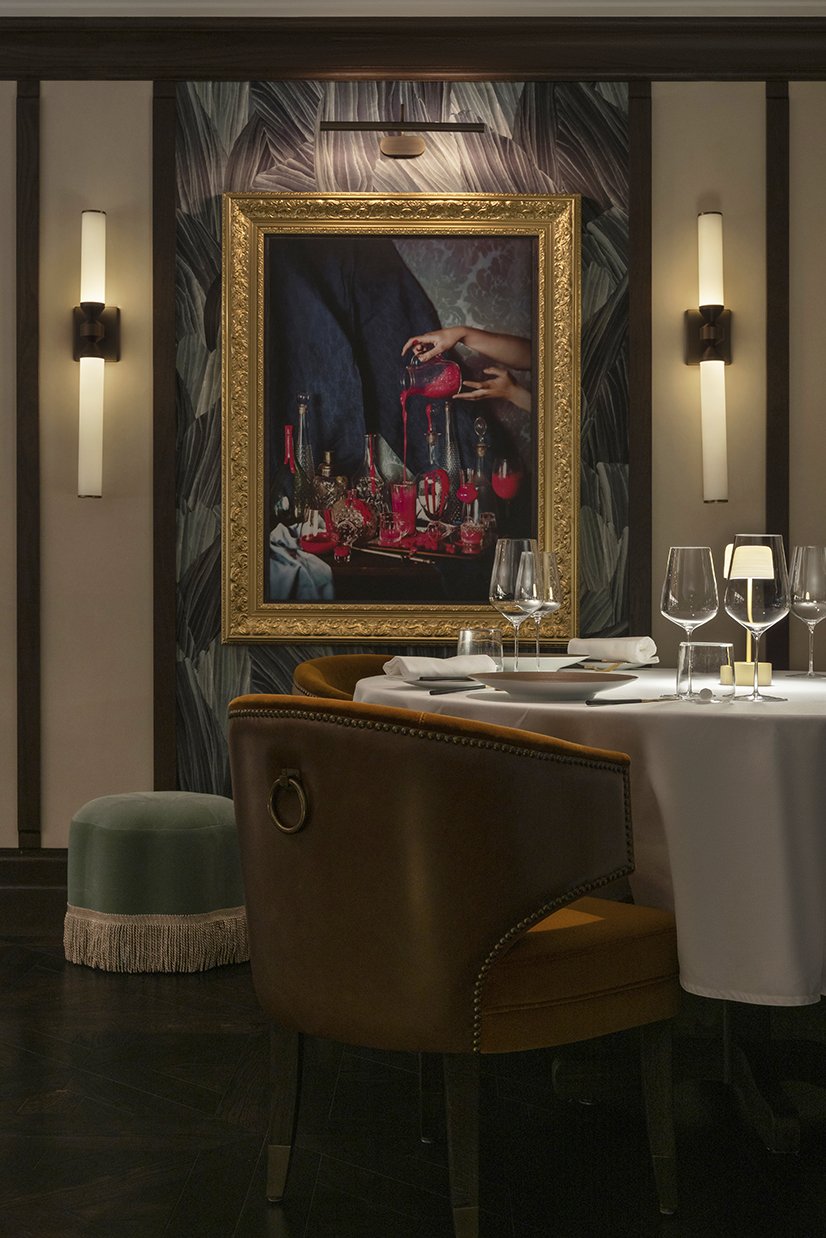
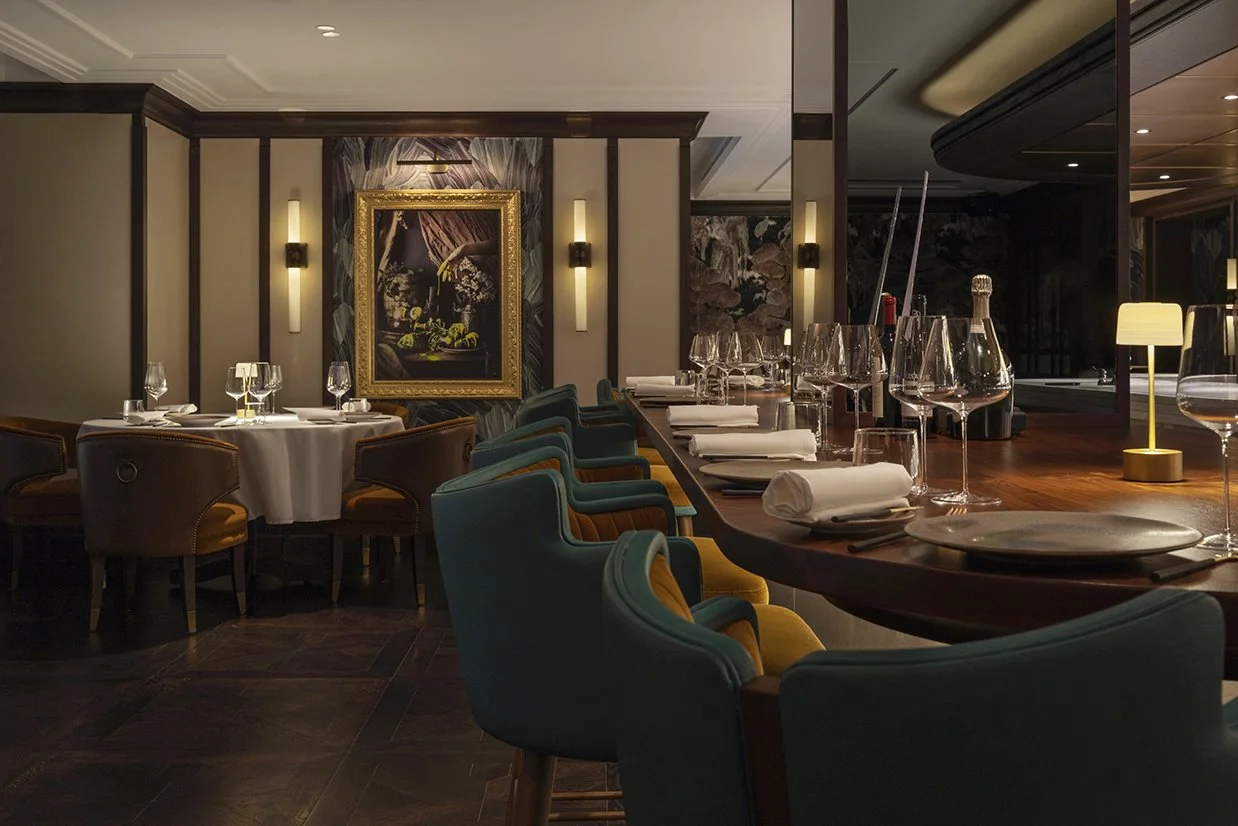
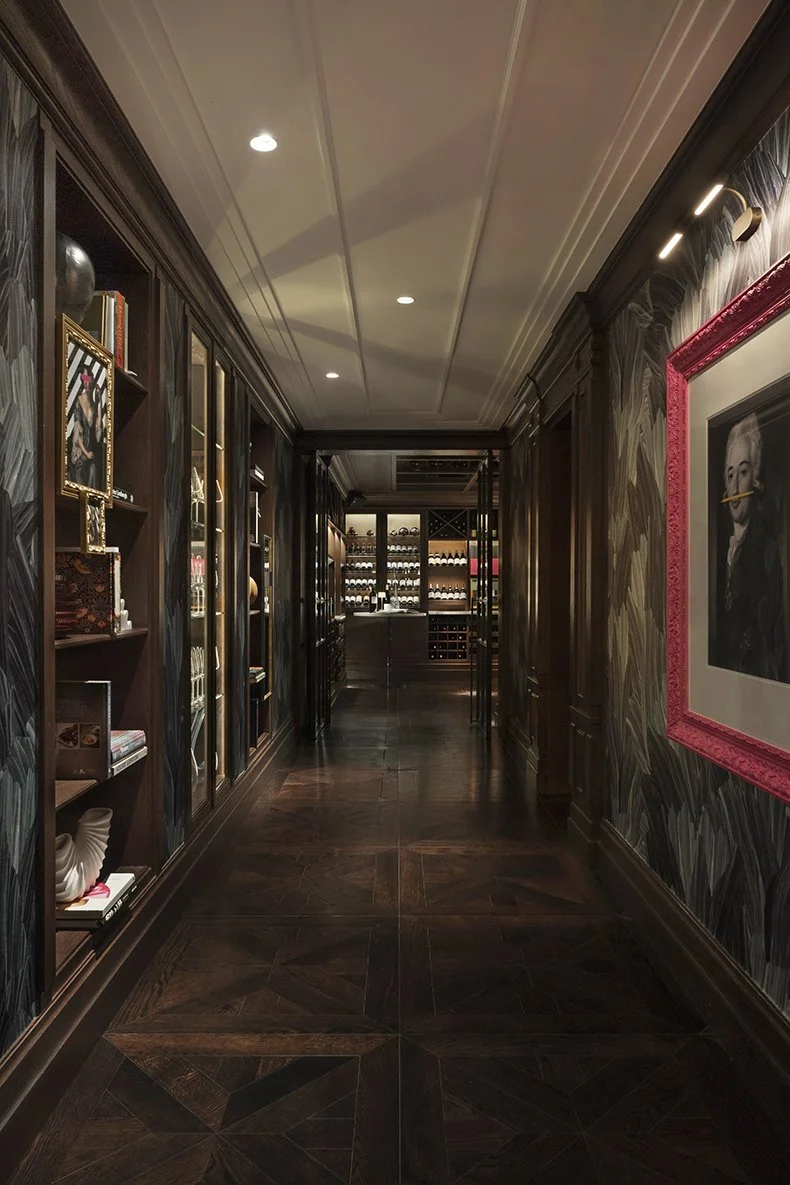
The Art of the Journey
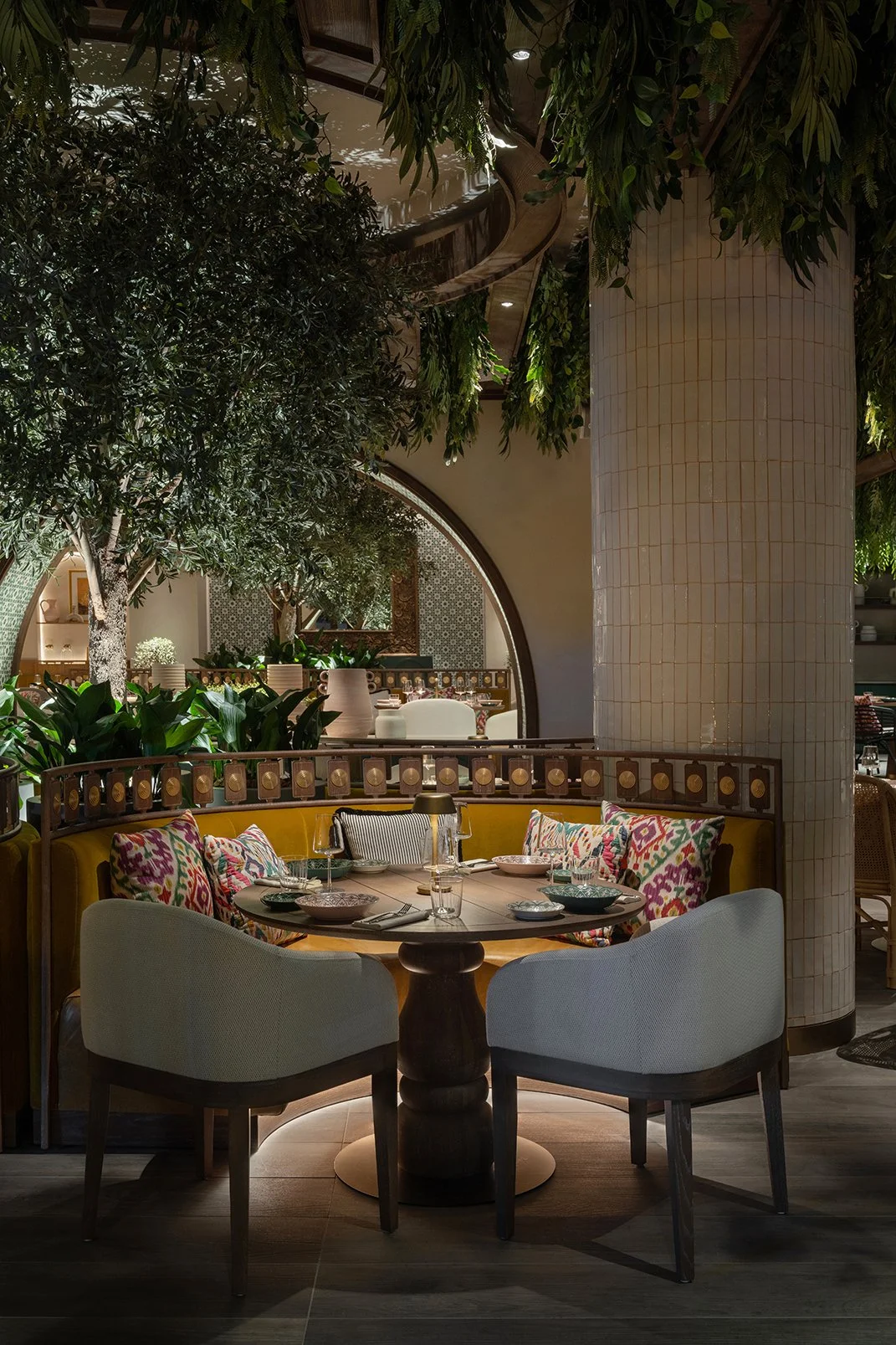
As the studio’s geographic footprint expands, the core philosophy remains anchored in the art of the journey. Whether crafting a wilderness lodge in Kenya or a high-octane dining room in Toronto, the sequence of arrival and the emotional impact of transition guide the work. A wellness retreat in Malta requires a different rhythmic sensitivity than a Riyadh flagship, yet the underlying intention to foster connection and discovery remains the unwavering constant.
A Year of Realization
2026 is less about change and more about clarity. LW Design has reached a point of alignment where creative voice and global experience meet. It is a year defined by a borderless mindset, one that treats every project not as a regional task, but as a contribution to a global conversation on how we live, dine, and rest.
Conran and Partners references Canada Water’s dock trade history at Dock Shed
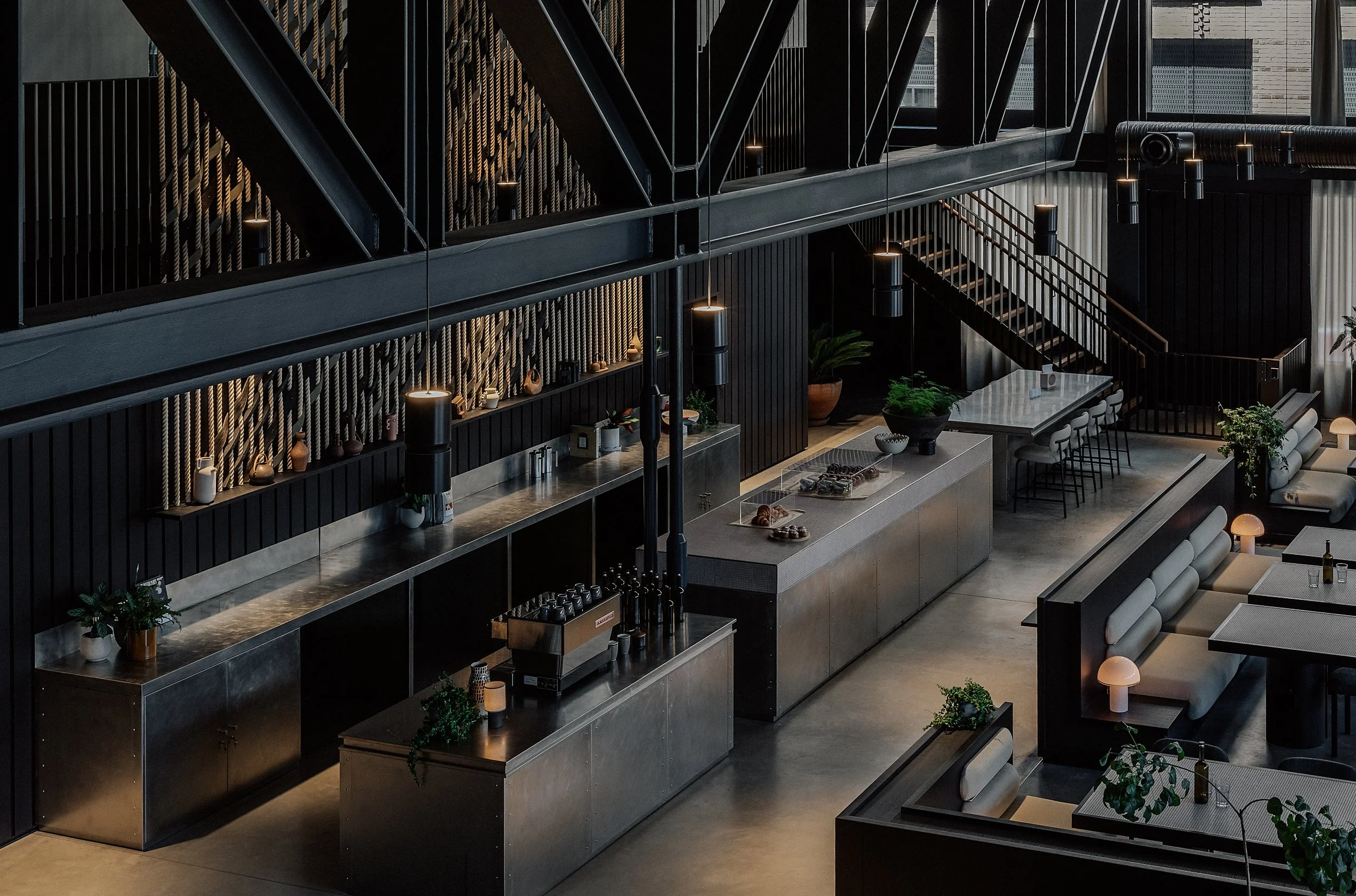
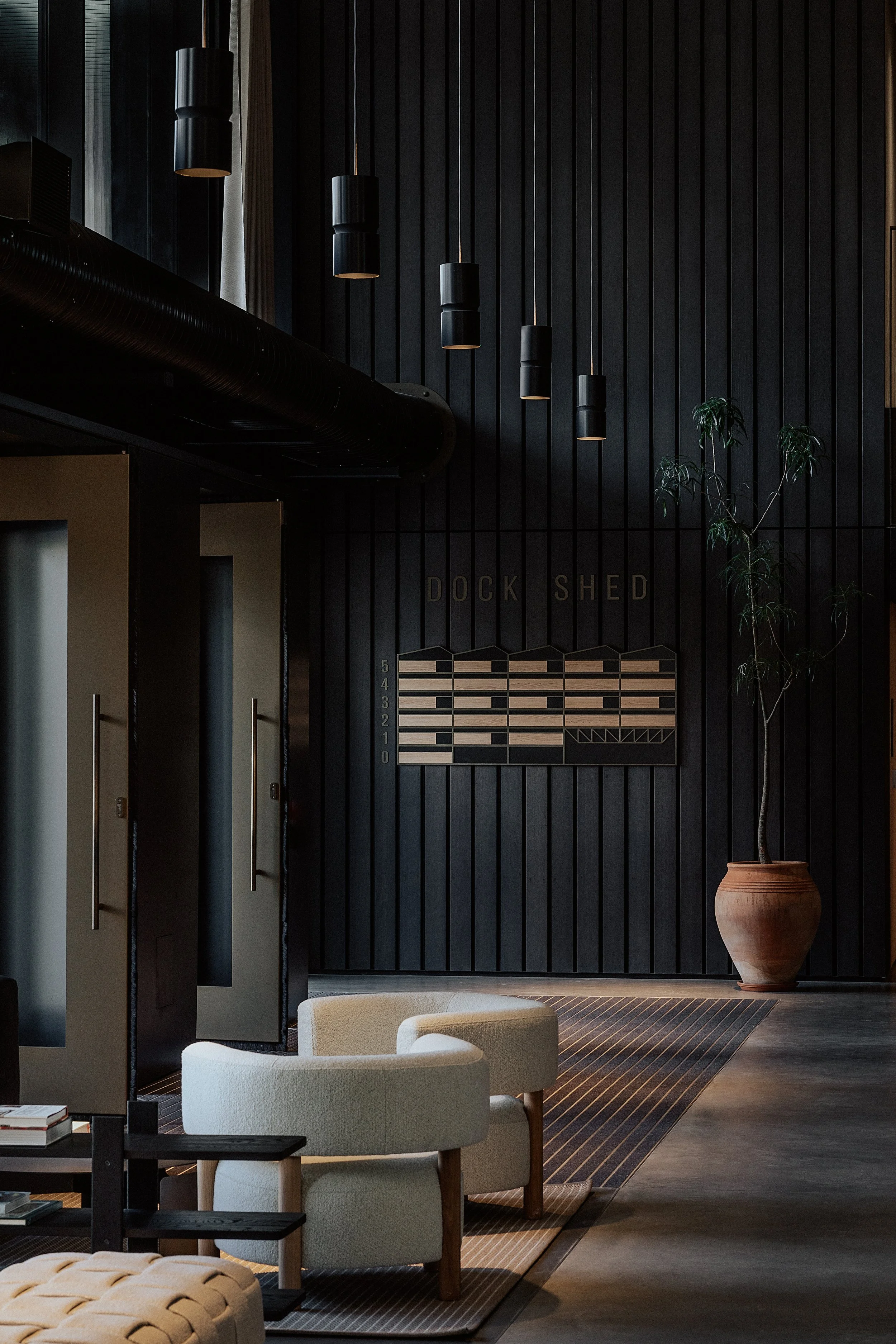
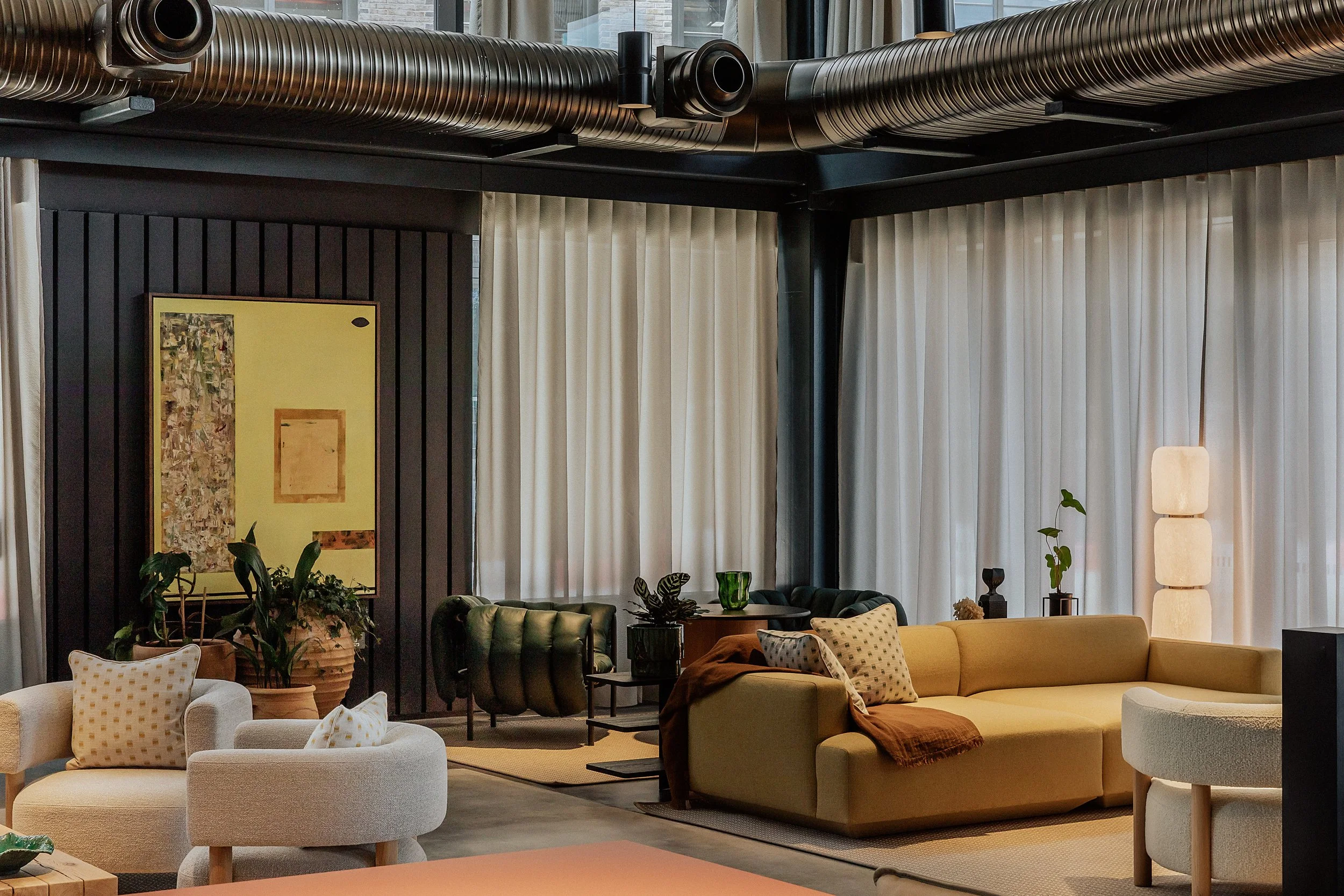
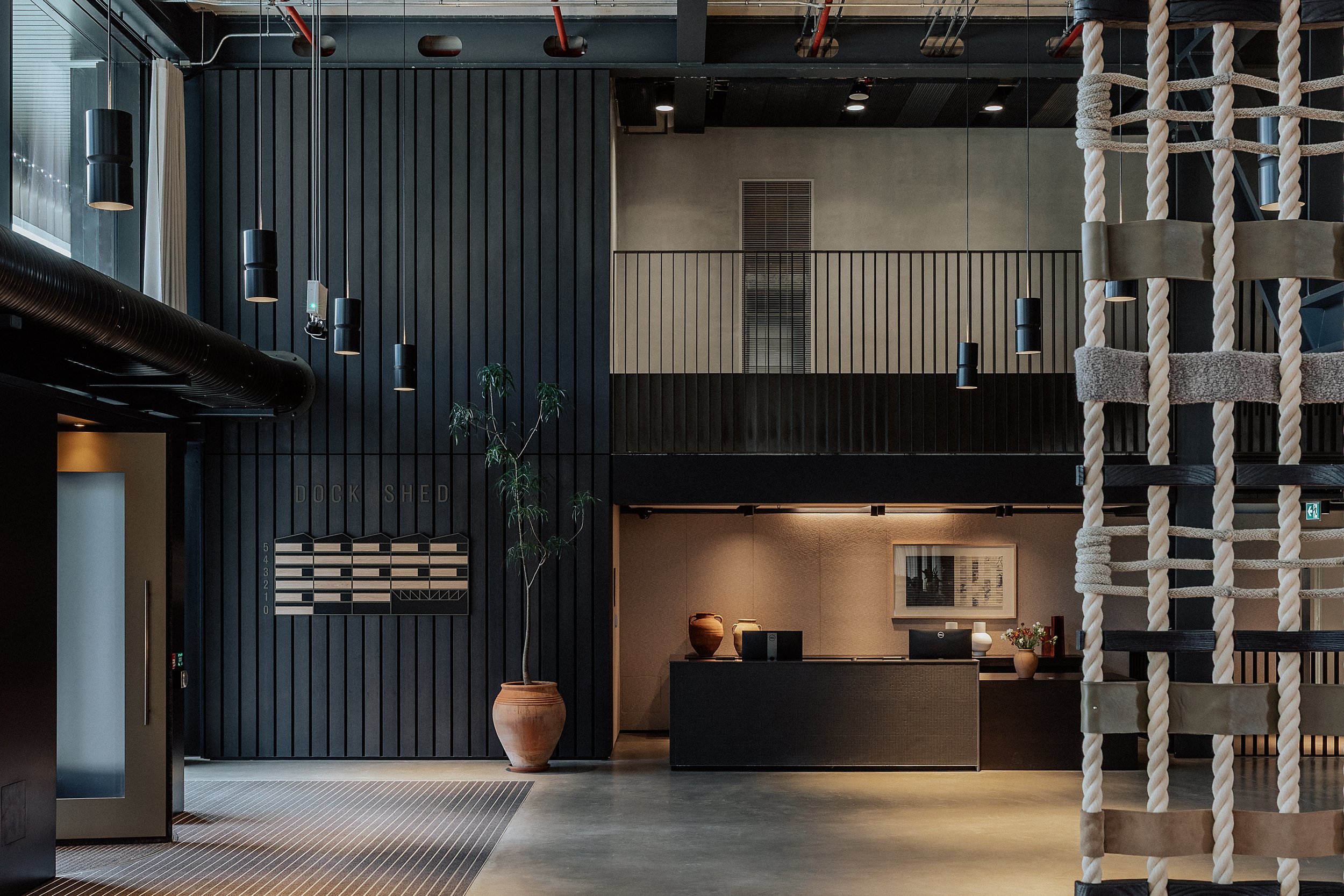
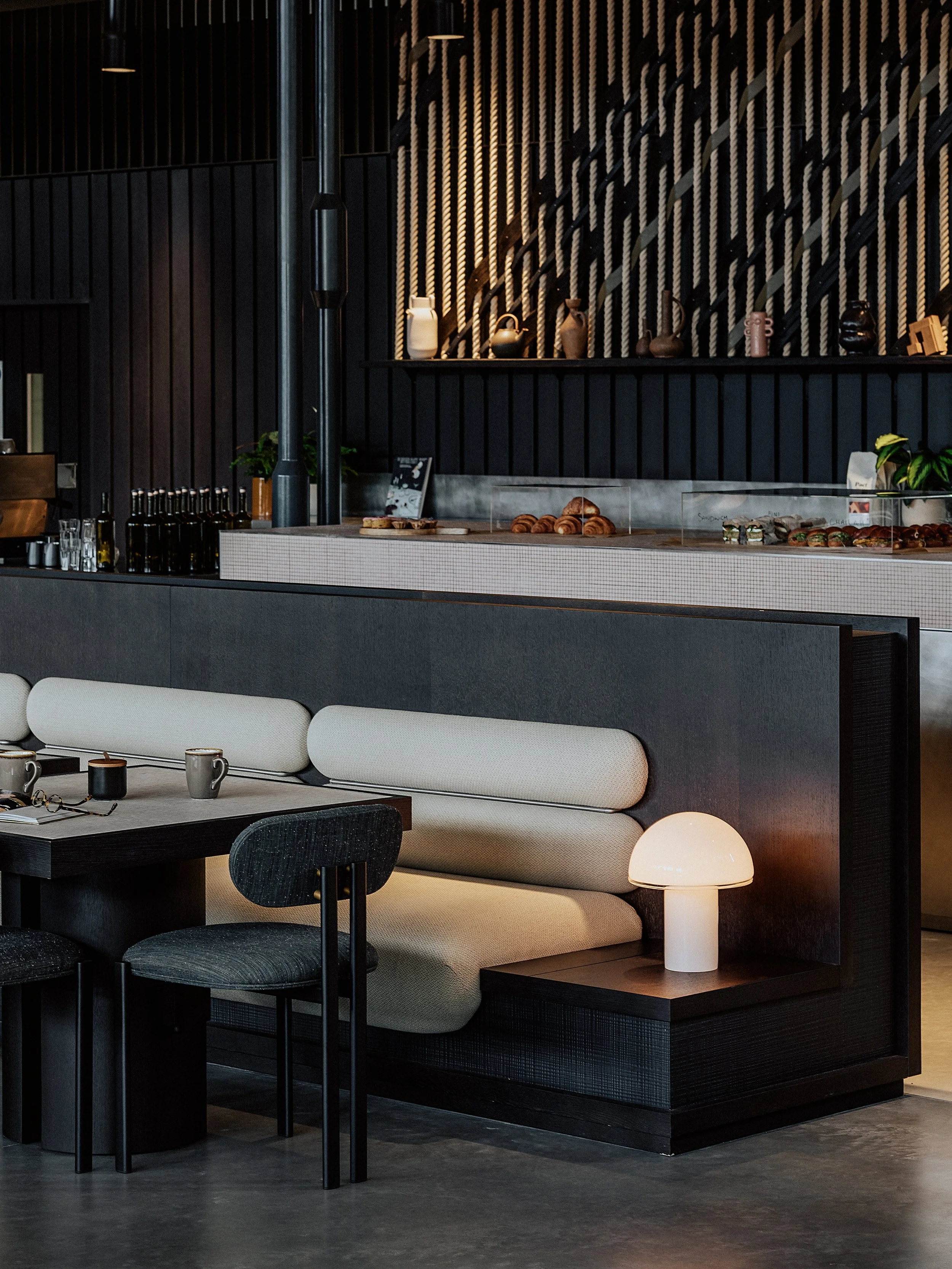
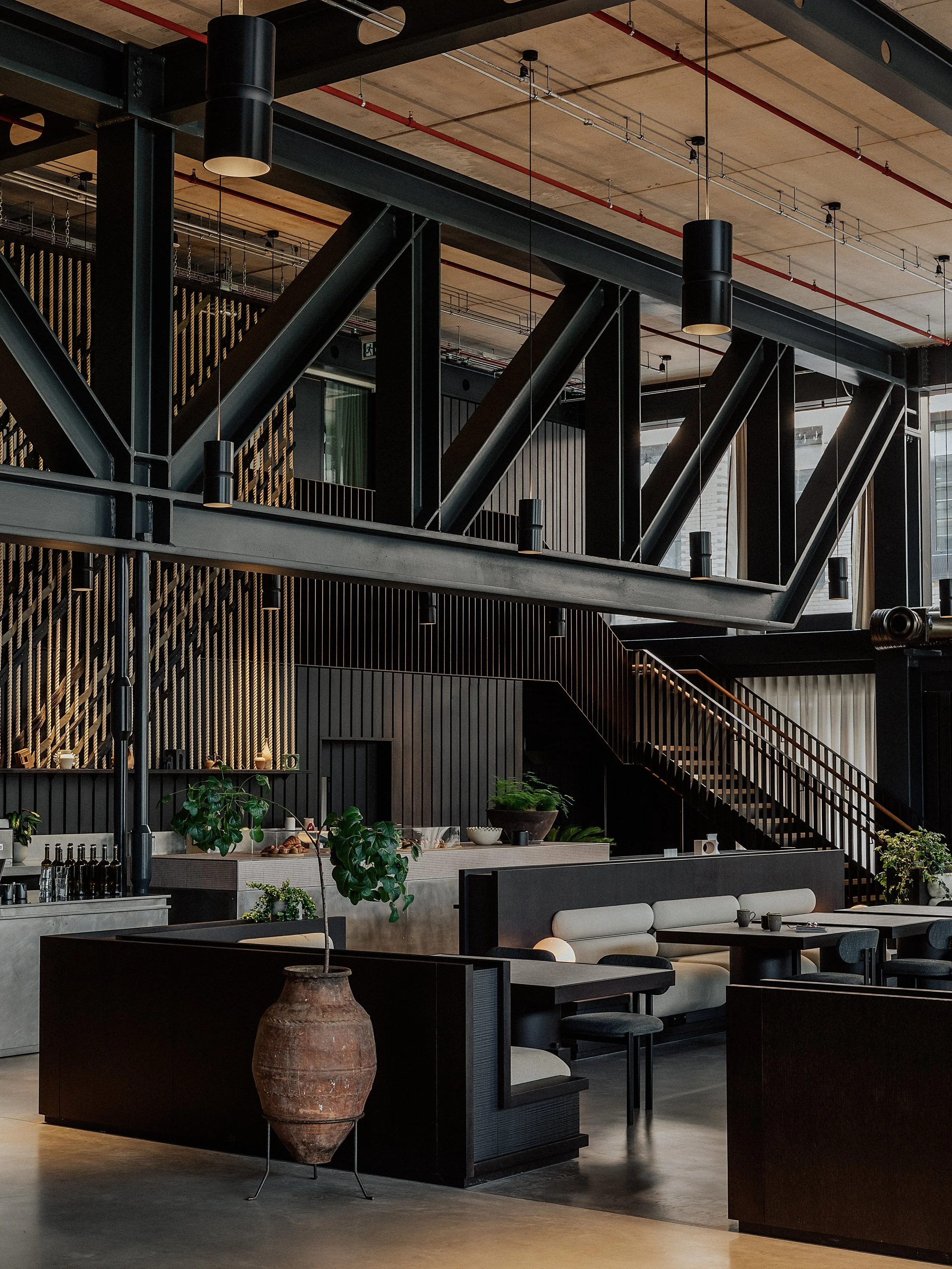
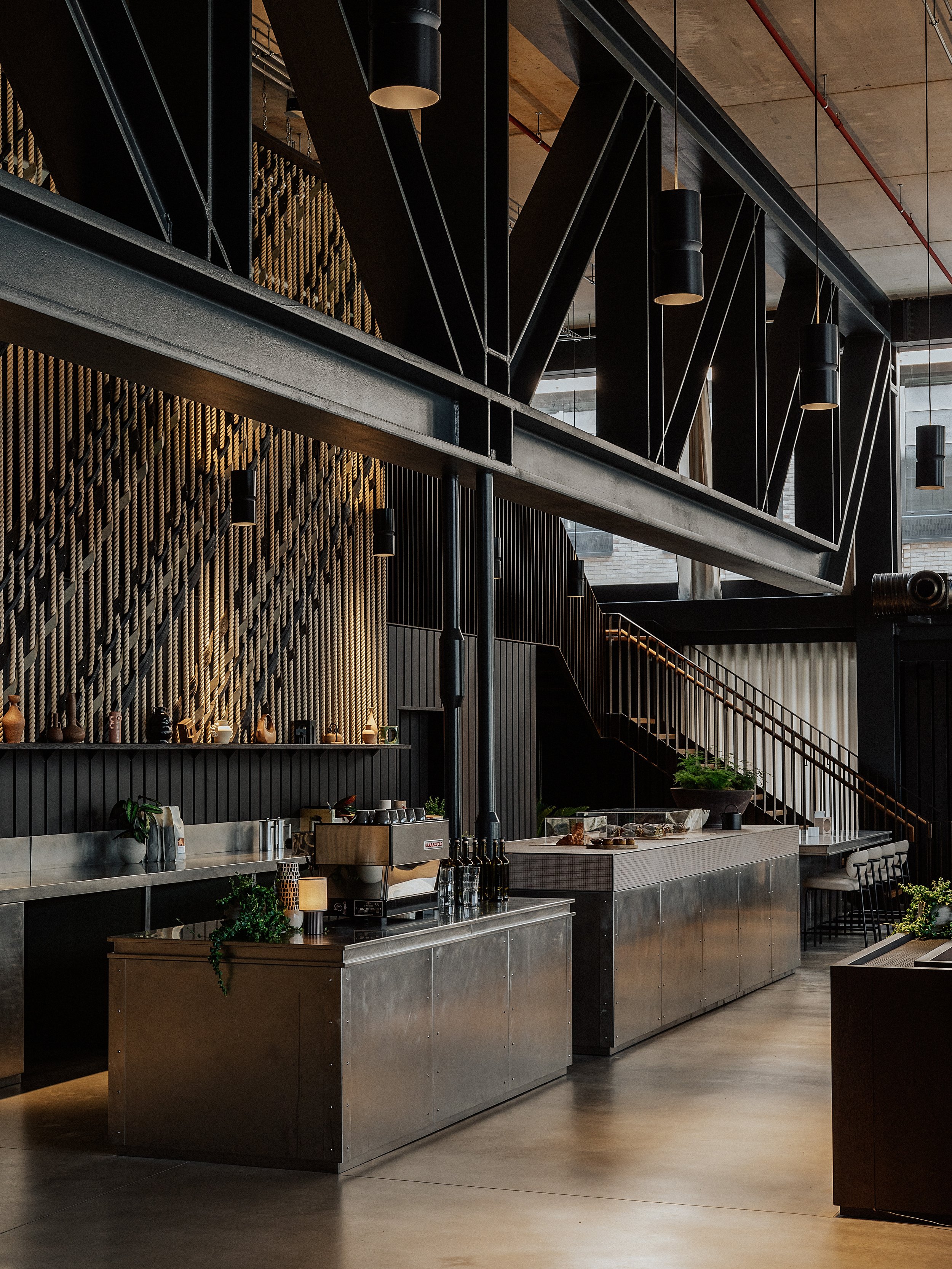
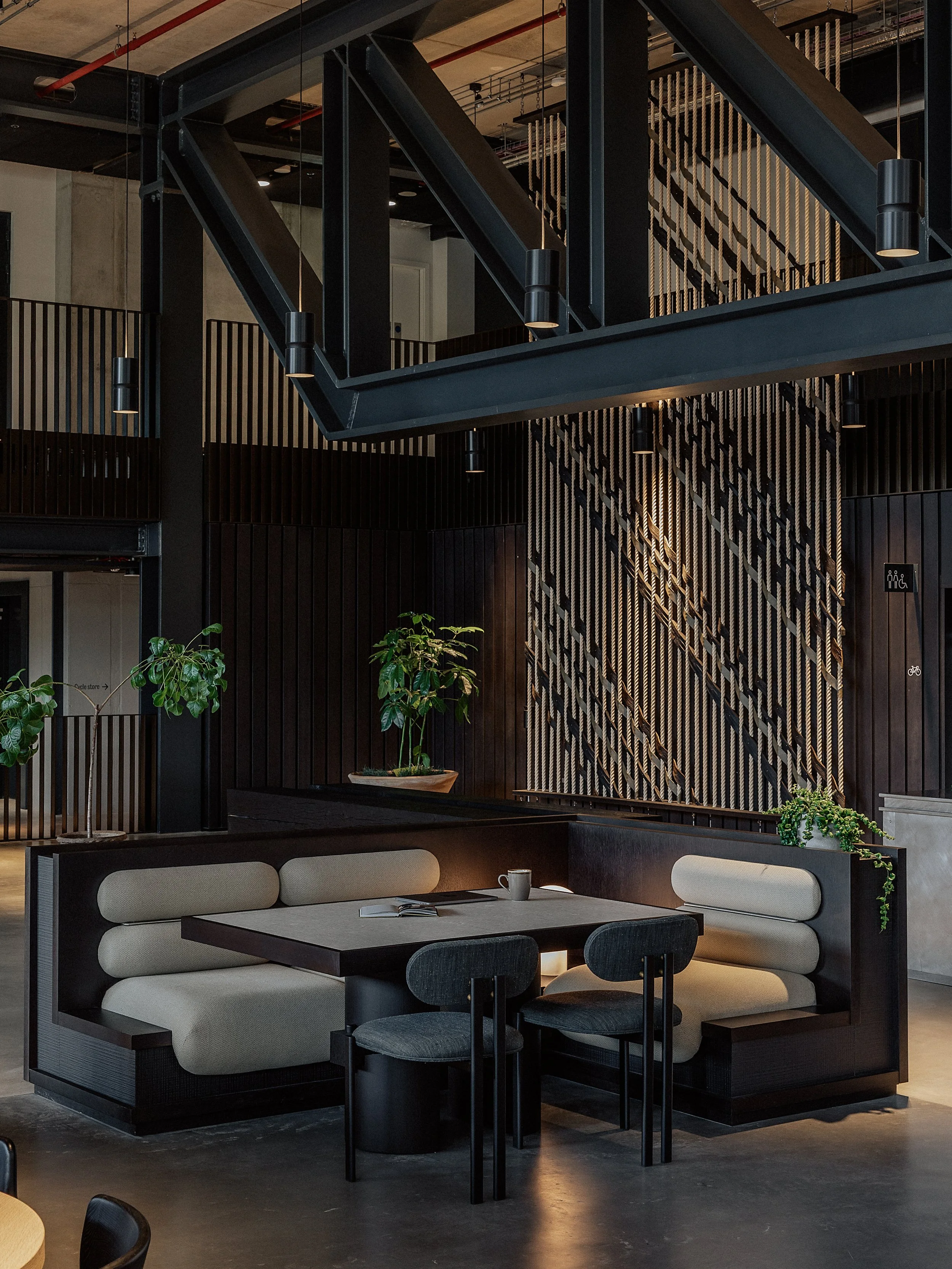
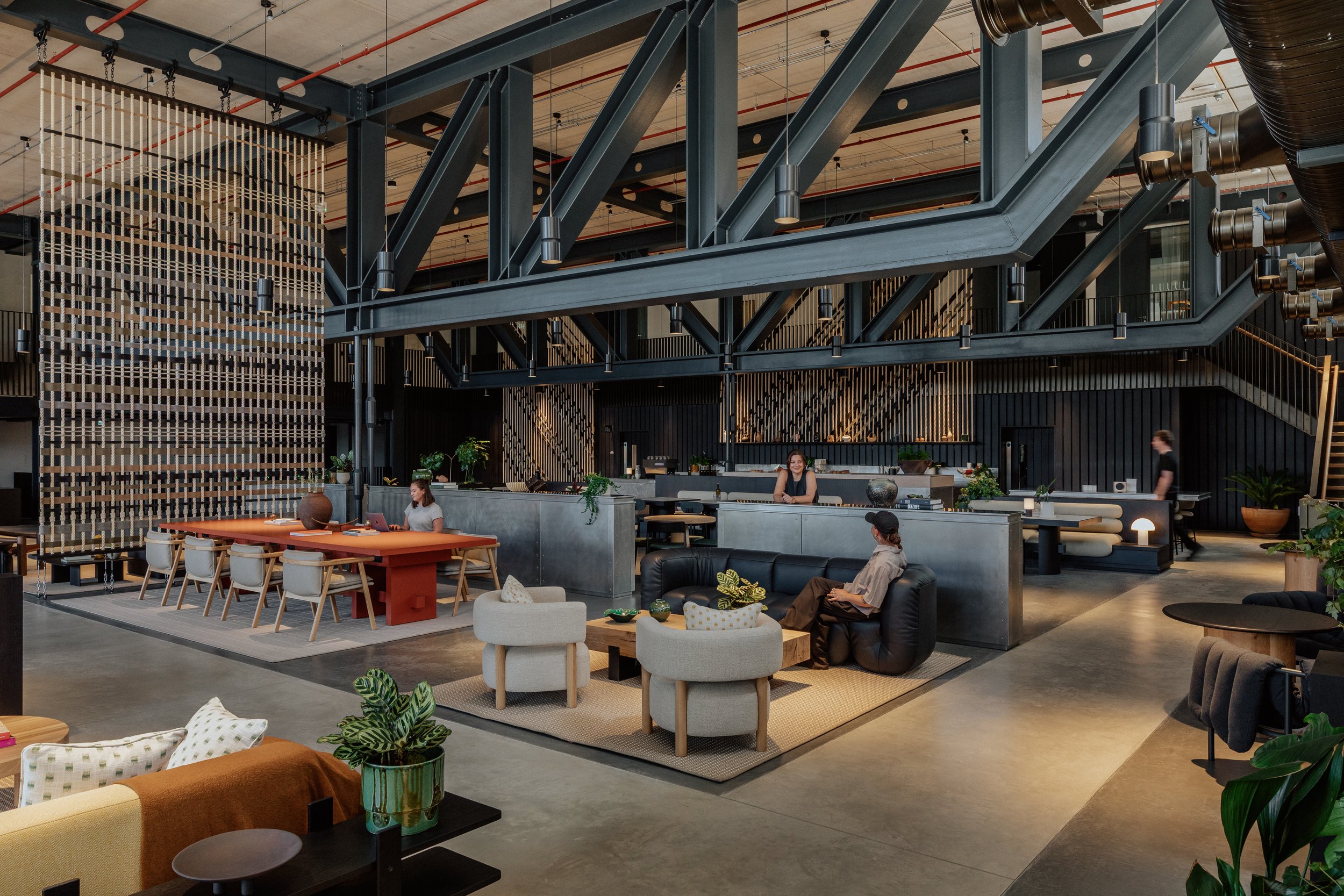
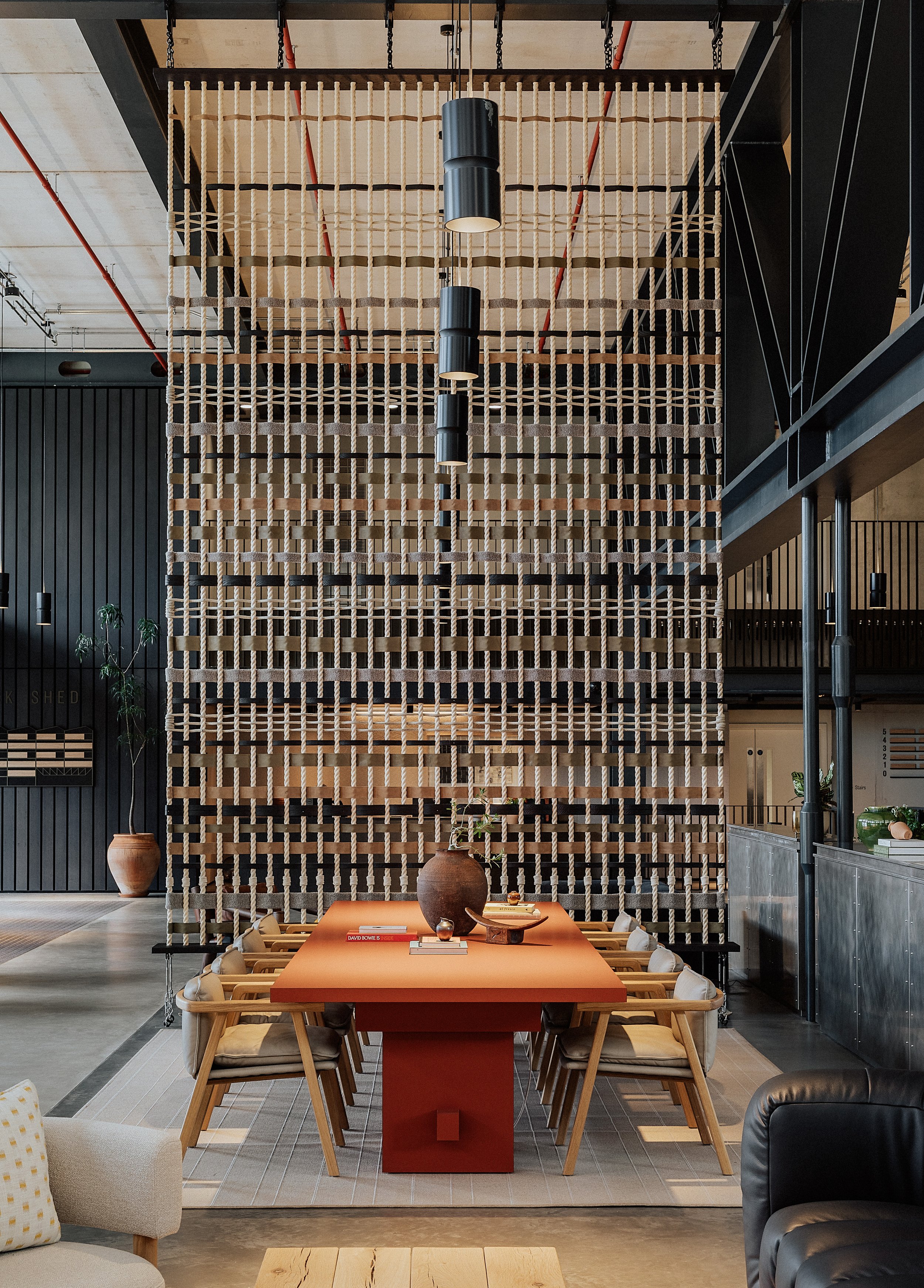
Conran and Partners has curated the interior design and fit-out of a 7-meter-high lobby and café space at Dock Shed, a six-storey office building part of British Land’s transformative regeneration of Canada Water. Positioned opposite the newly established Rafter Walk and overlooking the wetlands of the Old Surrey Docks, the space creates a welcoming environment for office tenants and the wider local community.
The design of the lobby celebrates raw industrial design while creating a warm social hub.
Conran and Partners has curated the interior design and fit-out of a 7-meter-high lobby and café space at Dock Shed, a six-storey office building part of British Land’s transformative regeneration of Canada Water. Positioned opposite the newly established Rafter Walk and overlooking the wetlands of the Old Surrey Docks, the space creates a welcoming environment for office tenants and the wider local community.
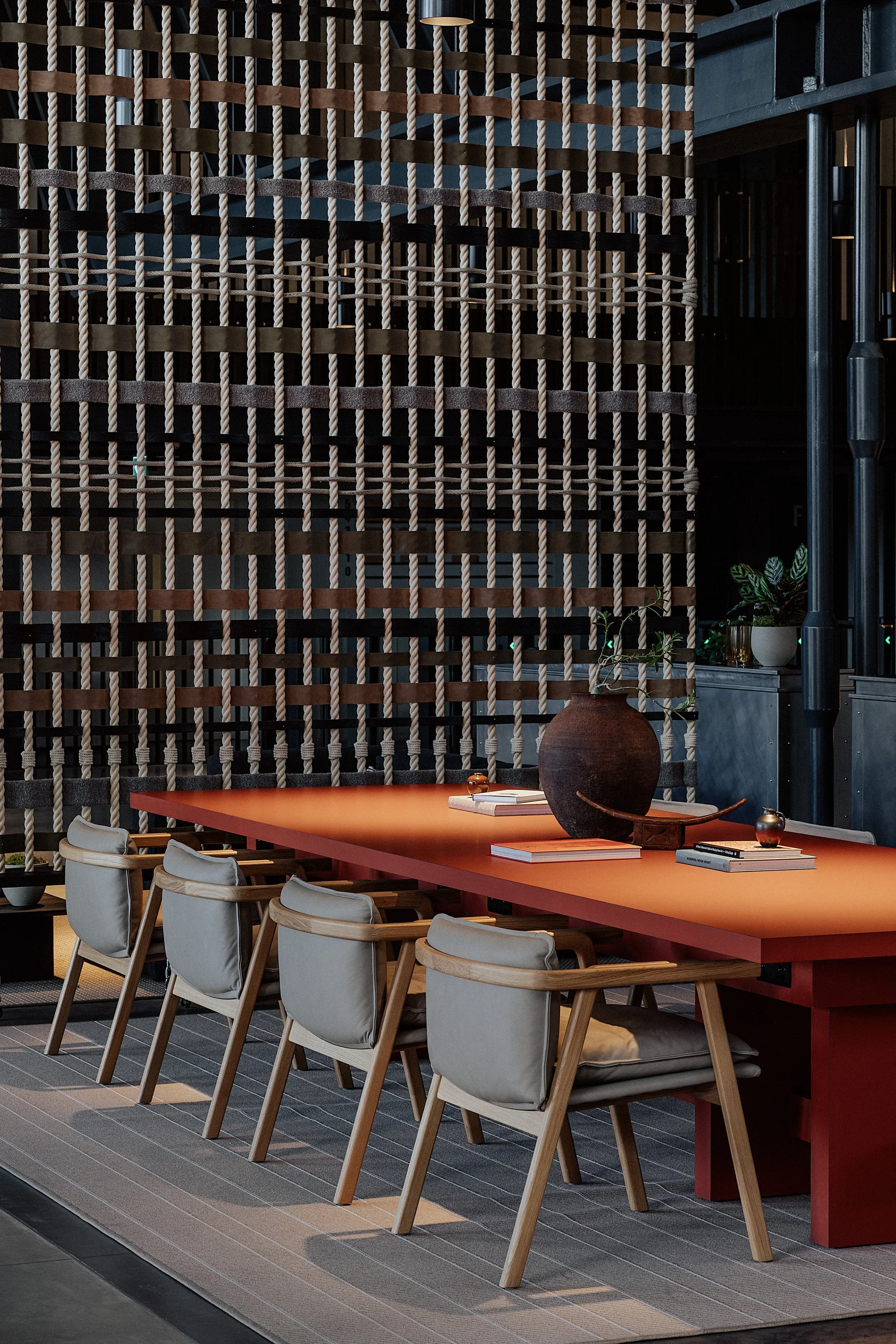
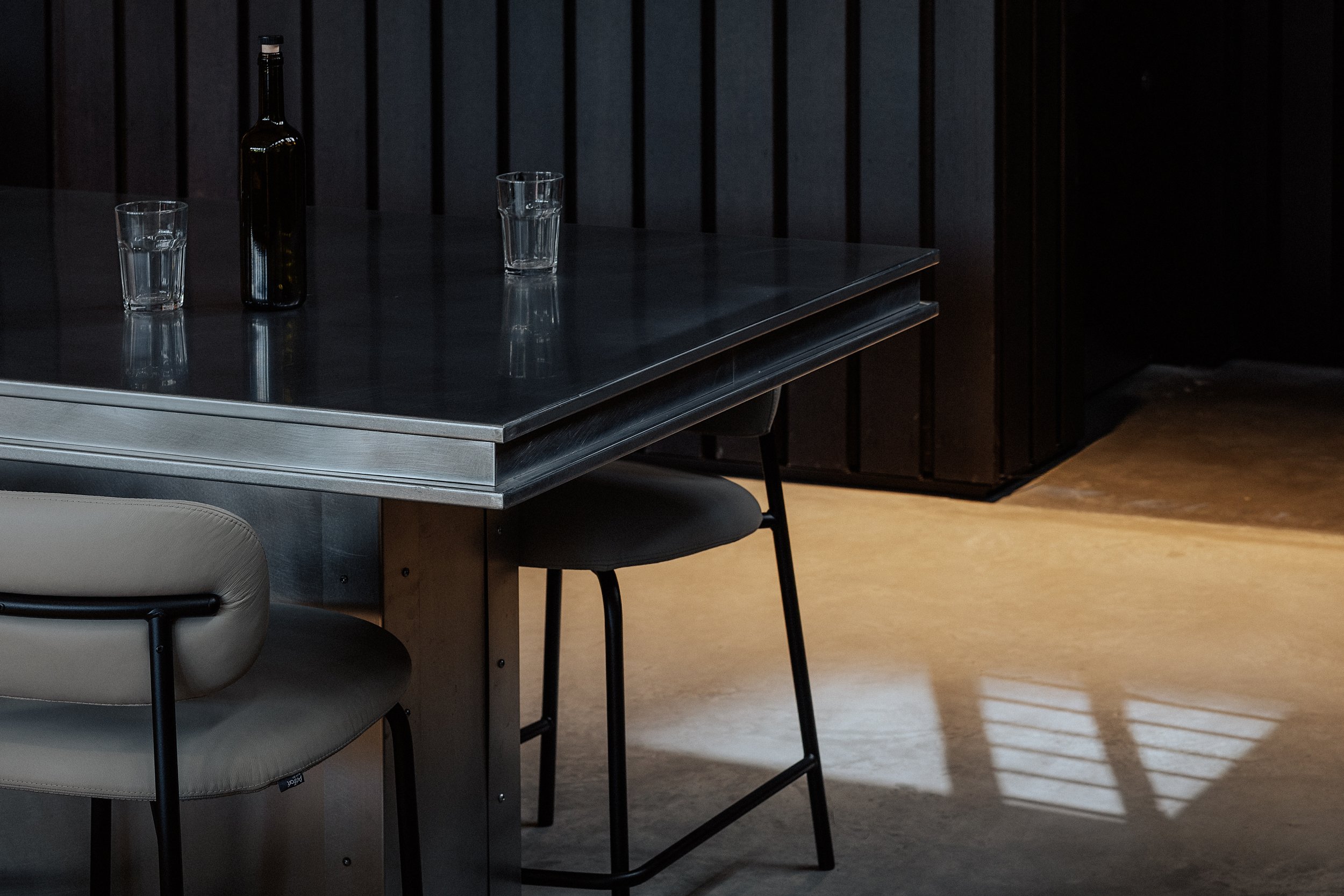
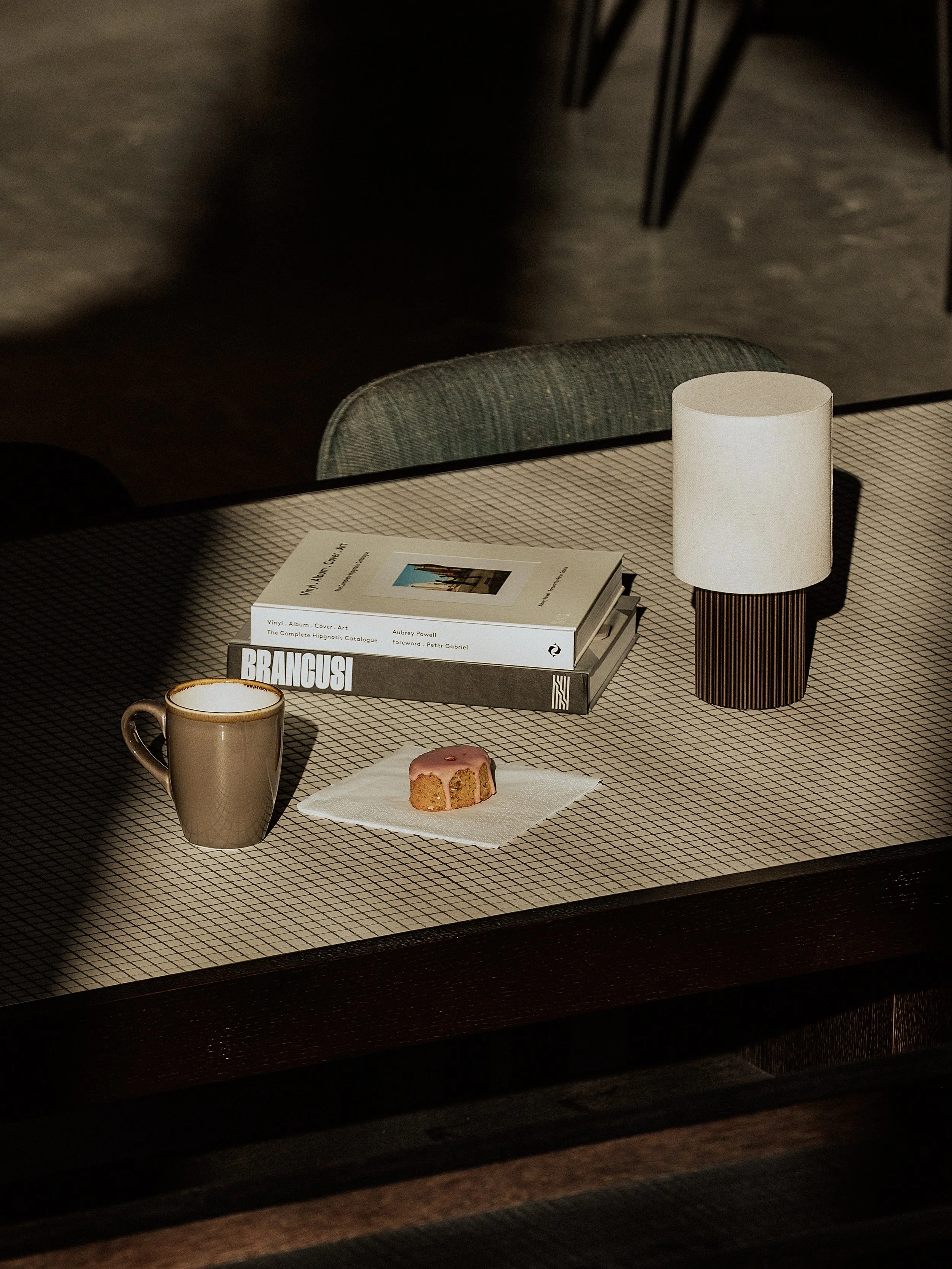
The design brief sought a sophisticated balance between elegance and casual comfort, seamlessly fusing elements of dock trade and industrial design. This vision is brought to life through raw, handcrafted details - visible bolts, patina finishes, and hand-buffed tables with unique patterns, all celebrating an intentionally unfinished aesthetic. Layered textures and thoughtfully chosen materials enhance the space's warmth and authenticity, creating an inviting yet dynamic atmosphere.
The design takes cues from the building’s architectural expression - its industrial trusses, gridded structure and dockside heritage - establishing a linear, zoned layout. Rather than imposing divisions, it introduces a variety of layered interventions: soft drapery to balance the space’s generous volume and acoustics, sculptural seating arrangements to encourage different modes of working or resting, and curated zones that shift in mood from open and communal in the central area to intimate and focused on the perimeter.

For more information, please stay tuned at our up-coming magazine.
About Conran and Partners
Conran and Partners is an internationally renowned architecture and interior design practice, founded by Sir Terence Conran. With studios in London and Hong Kong, Conran and Partners’ portfolio extends around the world and embraces a rich and varied range of cultures, typologies and scales. Conran and Partners delivers award-winning buildings and spaces, that endeavour to be progressive and sustainable. This is achieved through a carefully considered and collaborative design process that addresses the needs and desires of the users, as well as the wider environment. Each project is given its own sense of location and personality through their response to their context and use, manifested by their performance, crafted form, detail and materiality.
About British Land
British Land is a UK commercial property company focused on real estate sectors with the strongest operational fundamentals: London campuses, retail parks, and London urban logistics. We own or manage a portfolio valued at £14.6bn (British Land share: £9.5bn) as at 31 March 2025. Our purpose is to create and manage Places People Prefer – outstanding places that deliver positive outcomes for all our stakeholders on a long term, sustainable basis. We do this by leveraging our best in class platform and proven expertise in development, repositioning and active asset management. We have both a responsibility and an opportunity to manage our business in an environmentally and socially responsible manner. Our approach to sustainability is focused on three pillars: Greener Spaces, Thriving Places and Responsible Choices.
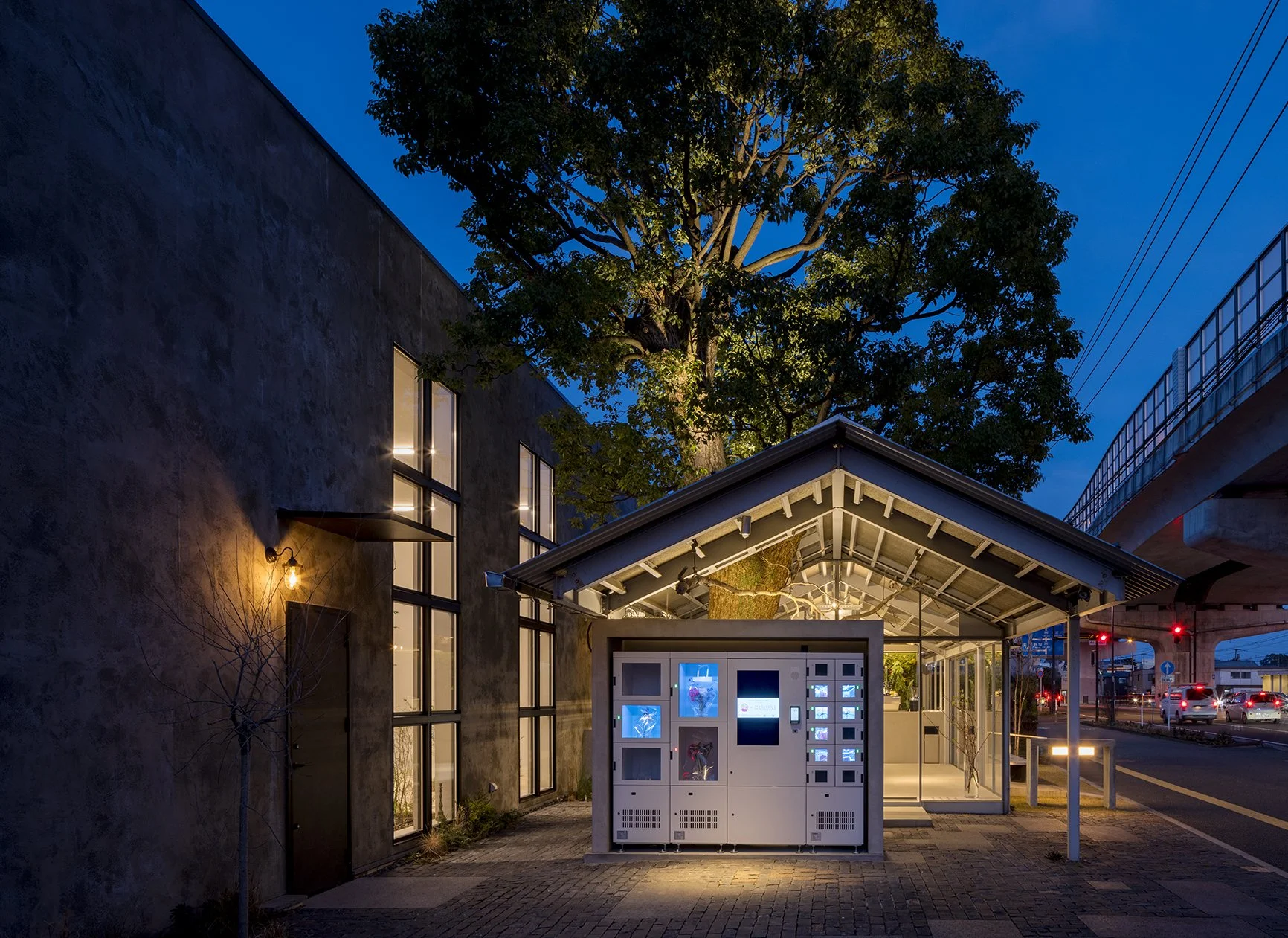
Where Design Reconnects People, Plants, and the Urban Landscape - House, designed by Jindesign Co., Ltd.
“House” designed by Jindesign Co., Ltd. from Japan. This project reimagines a functional roadside site as a walkable, lifestyle-oriented environment where architecture, landscape, and daily life intersect. By celebrating irregular plant forms and allowing greenery to shape movement and experience, the design reframes nature as an active presence rather than a backdrop. More than a building, it operates as a small urban landscape, offering a place for gathering, pause, and connection within the rhythm of the city.
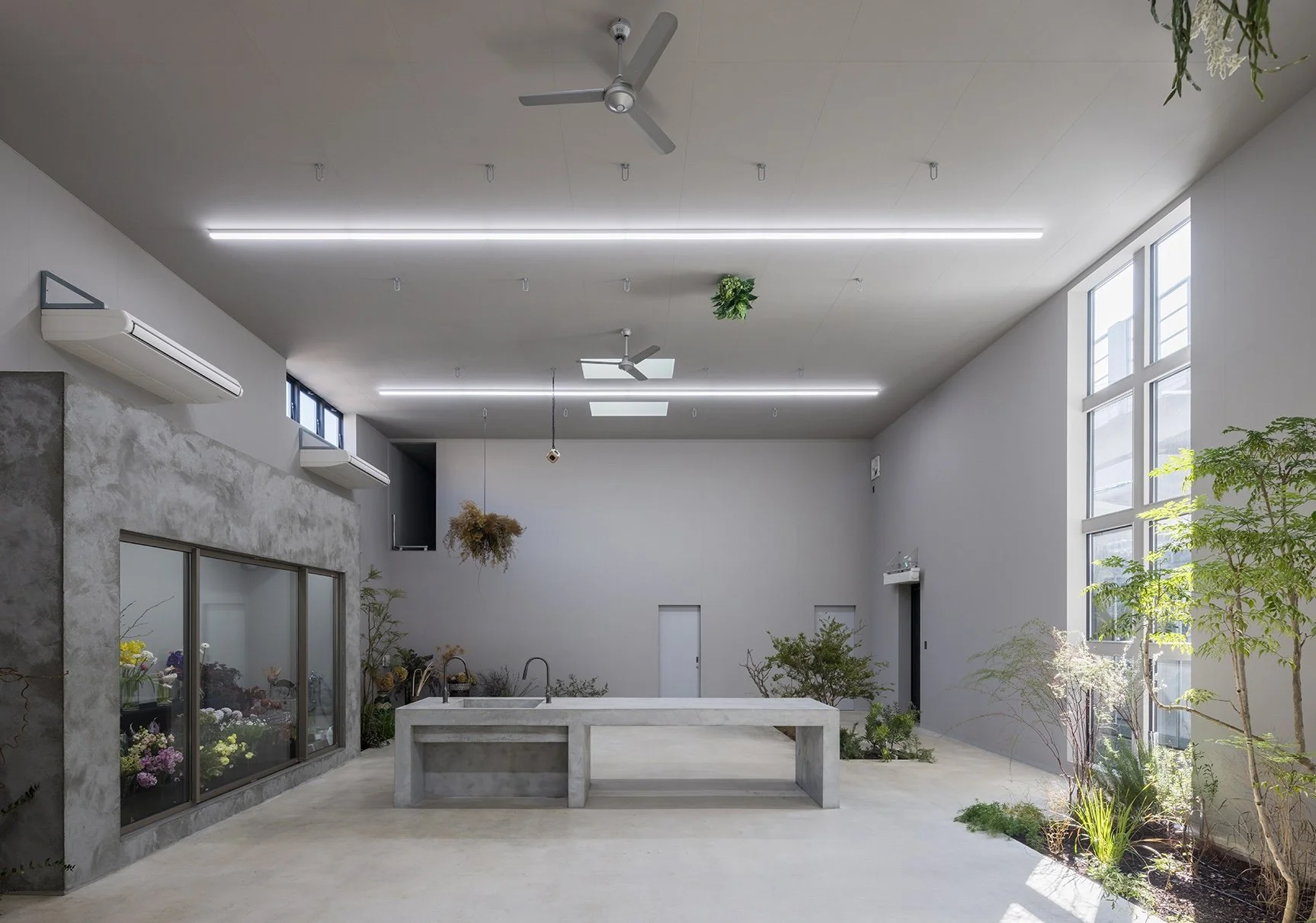
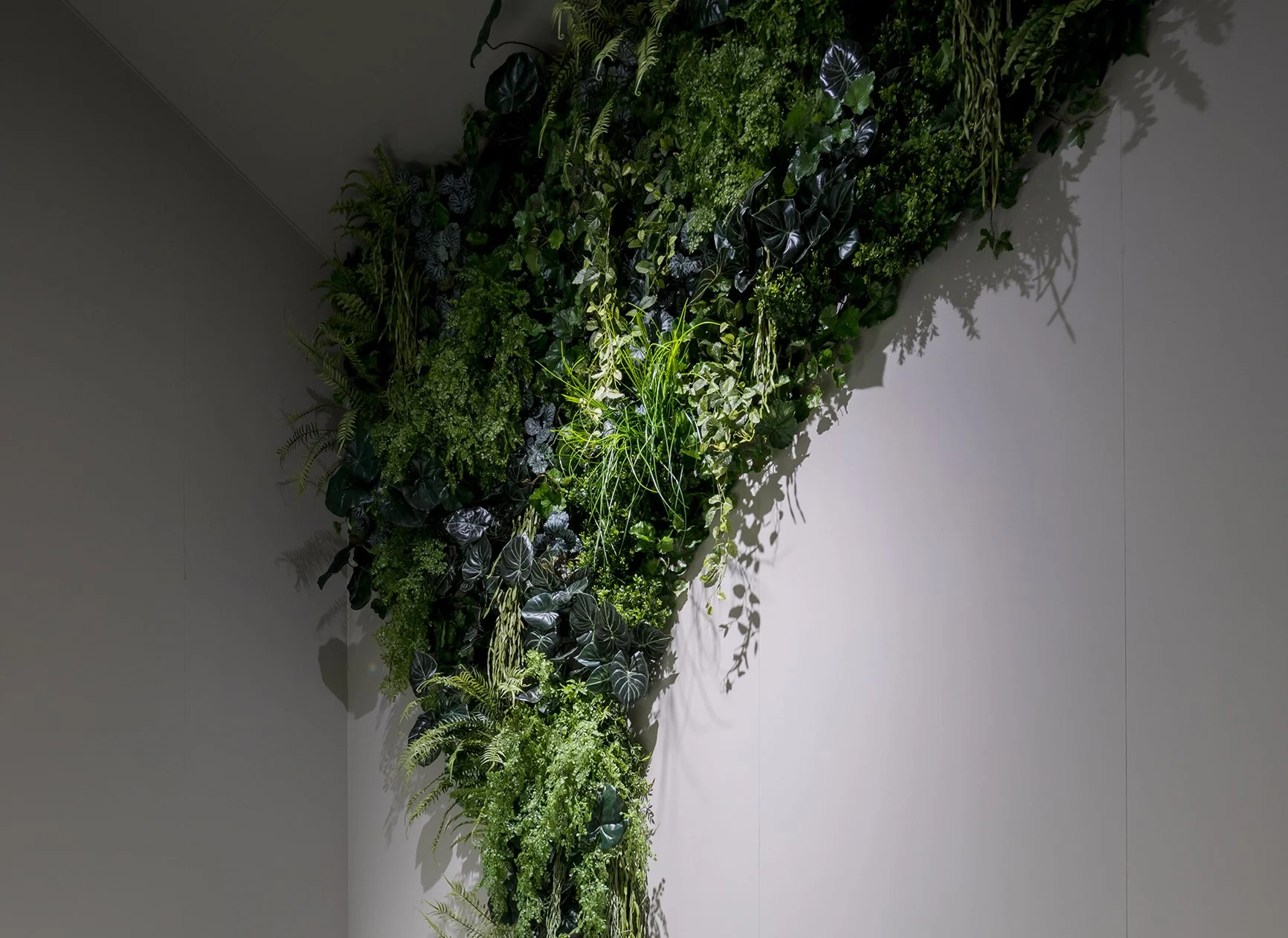
In an industry often defined by conformity, where only straight-stemmed, perfectly shaped plants are favored, this project boldly champions a different vision. Here, beauty is found in the unexpected: bent trunks, asymmetrical growth, and those plants typically overlooked by the market are celebrated as central figures. The client’s philosophy turns away from conventional horticultural standards, placing character, resilience, and individuality at the very heart of the enterprise.
Situated along a major artery of logistics and distribution, the project emerges as a lifestyle destination where nature is seamlessly woven into the fabric of daily life. The complex unites a flower shop, retail space, café, plant showroom, and a spacious event hall under one vision. Rather than dividing commerce from experience, the architecture elevates plants as vibrant, living presences, inviting visitors to pause, observe, and rediscover the vitality of the natural world.
The design is rooted in the thoughtful renewal of an existing glass-gabled structure, complemented by the addition of a new building to the rear. In the original building, openness and visual continuity take precedence. Superfluous interior elements are stripped away, and external equipment is relocated, unveiling the full potential of the glass façade. The result is an environment of transparency and effortless flow, where sightlines are uninterrupted and movement feels intuitive. Children wander freely while remaining visible, fostering a sense of security and openness. Outside, a gently sloping lawn merges with the sidewalk, dissolving boundaries and welcoming visitors with a sense of ease.
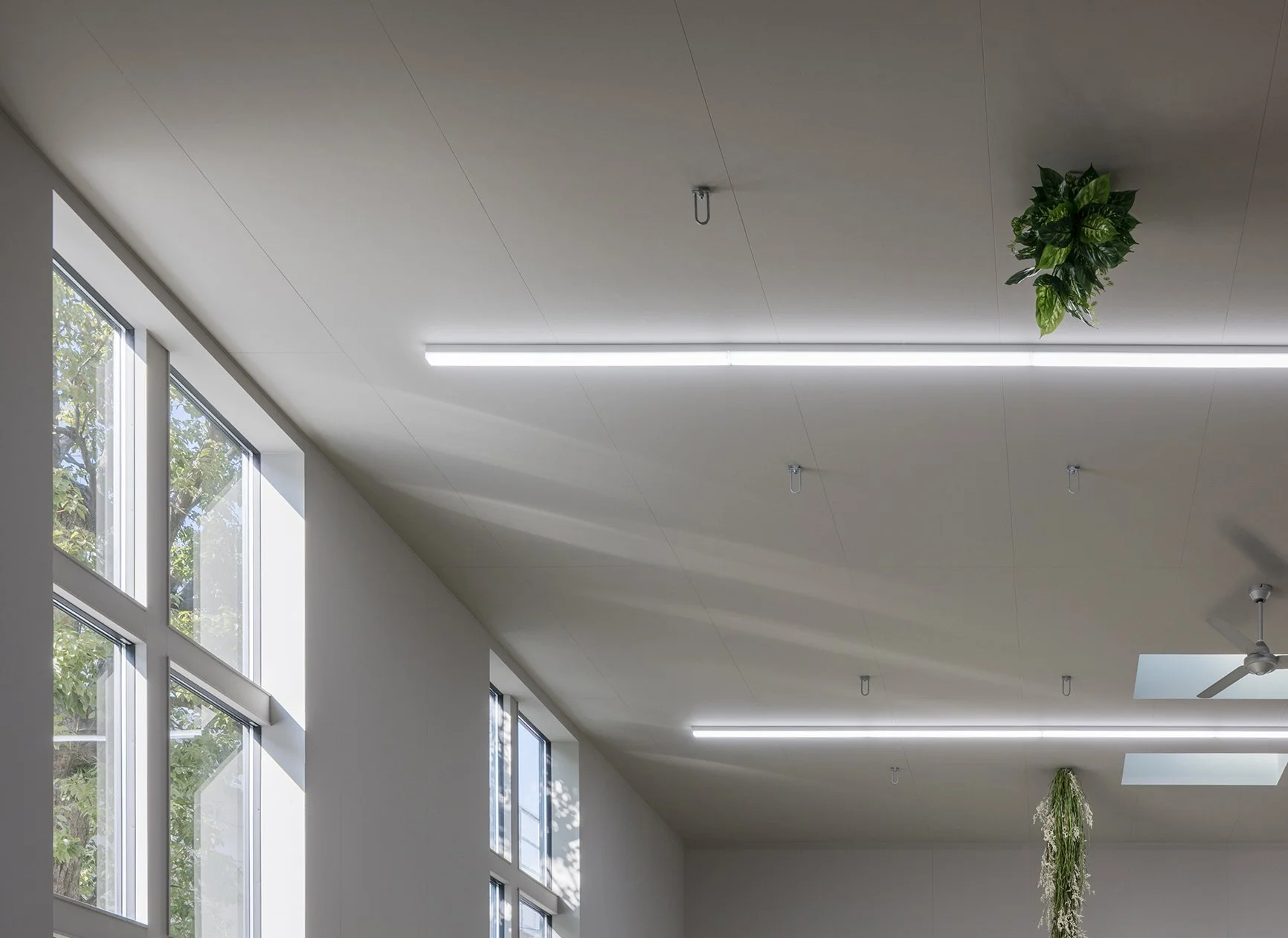
In contrast, the new building adopts a restrained, linear architectural vocabulary. Crafted from natural materials and shaped by a philosophy of subtraction, it serves as a tranquil backdrop to a symbolic camphor tree, a living centerpiece radiating presence and vitality. The building’s low profile harmonizes with the surrounding residential landscape, while its interior unfolds as an expansive, hall-like space. A subtle palette of soft, light greys allows the greenery to command attention, affirming the architecture’s role as a quiet frame rather than a dominant object.
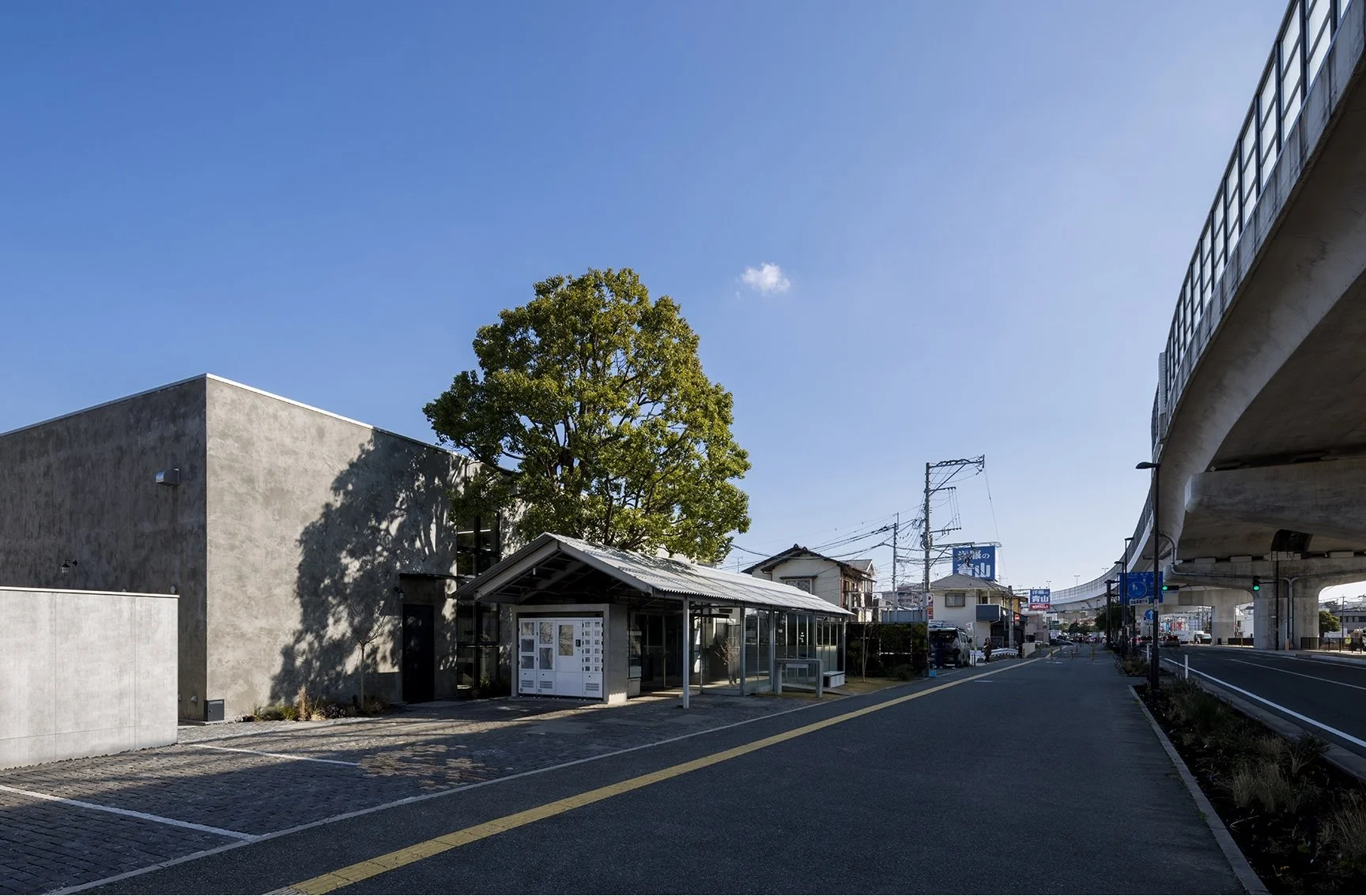
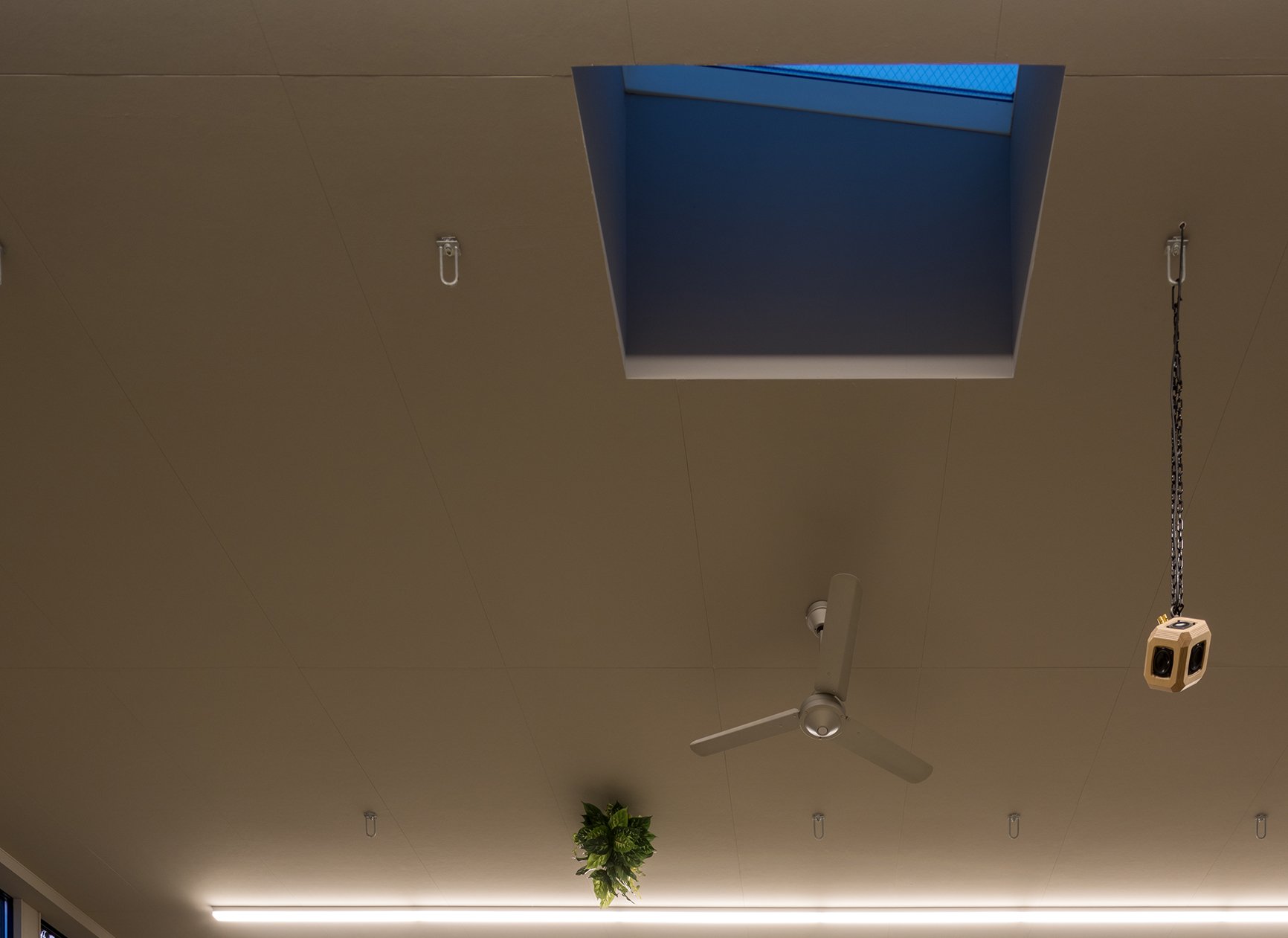
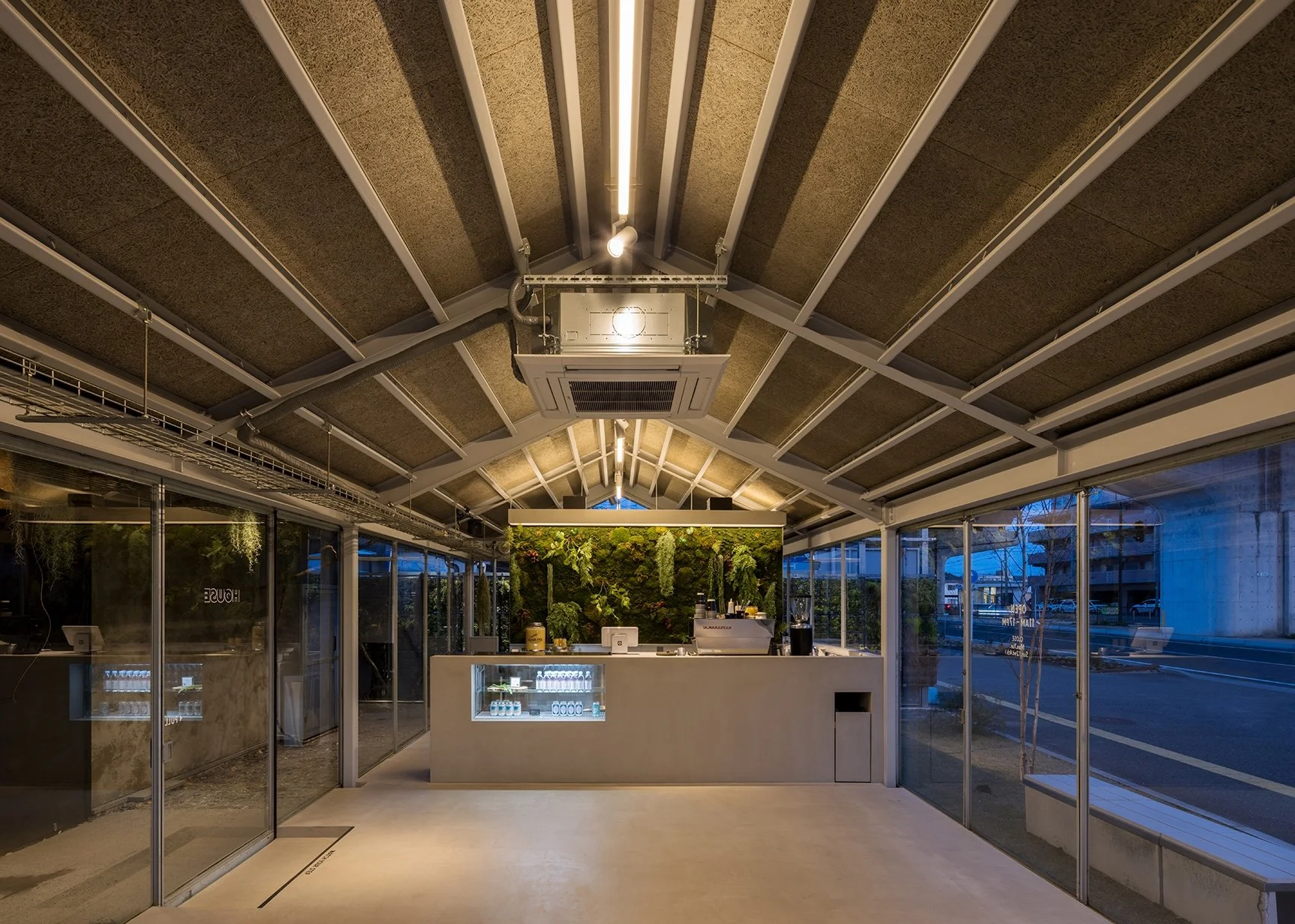
Between the two buildings, a narrow passageway serves as both connector and sanctuary. Protected from the elements, this outdoor corridor offers a tranquil pause, subtly guiding visitors across the site. The closely positioned entrances foster a seamless flow, reinforcing the walkable and human-scaled spirit of the complex. Beyond its architectural clarity, the project carries its philosophy into the urban realm. The client, personally planting perennial greenery along the sidewalk, allows the landscape to spill beyond property lines and into the city. This simple yet powerful act transforms the site from an isolated destination into a vibrant participant in the community. Further reflecting this ethos, the client proudly serves as an ambassador for Fukuoka City’s One Person, One Flower initiative.
Through a harmonious integration of architecture, landscape, and vision, this project transcends its commercial purpose. It emerges as a semi-public indoor park, a gathering place for families, a sanctuary where nature is observed rather than controlled, and a setting where design gently redefines beauty, value, and the rhythms of everyday life.
Designing a Place Where Nature, Daily Life, and the City Converge

Toyotaka Aoki
Graduated from Kyushu University in 2009, received a master’s degree from Kyushu University in 2011. In 2016, Aoki established his firm, Jindesign Co., Ltd., which is composed of architects, lighting designers and graphic designers. He has worked on a variety of projects in Japan and China, including commercial facilities, housing complexes and medical facilities, as well as public structures. Since 2012, the Fukuoka Architecture Foundation has served as a platform for another architectural activity: introducing and sharing the values of local architecture with the general public.
Designed by Jindesign Co., Ltd. (Japan)
Sky Design Awards 2025 — Bronze Winner, Architecture Division
Jindesign Co., Ltd. (Japan) website: https://www.jindesign.co.jp
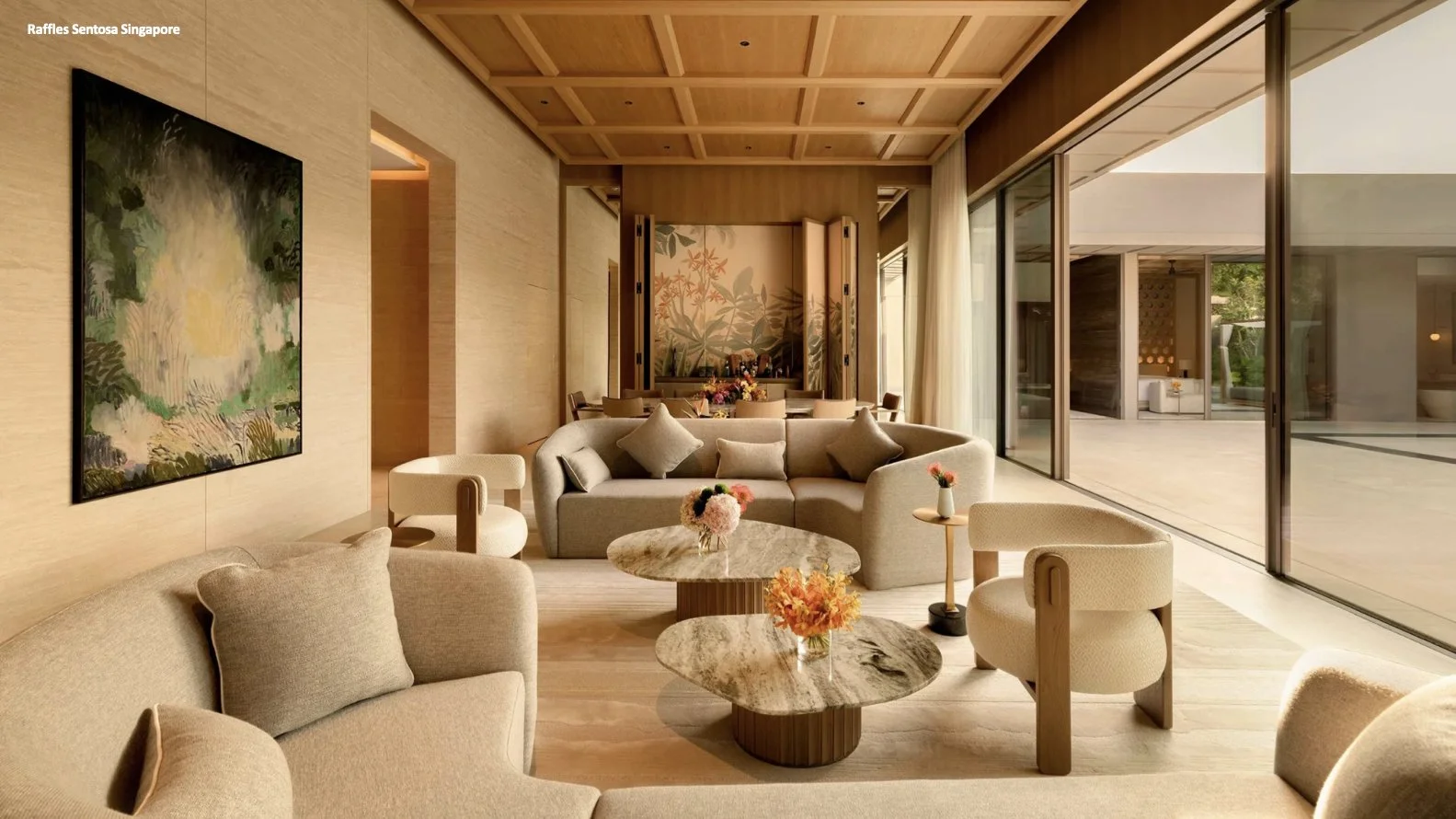
The Privilege of Tranquillity - Raffles Sentosa Singapore
Set between sea and tropical rise, Raffles Sentosa Singapore offers a contemporary lesson in calm. Yabu Pushelberg’s interiors and Stellar Works’ crafted furnishings create a quietly choreographed world where materials, light, and landscape work in unison. This is luxury without noise—an architecture of stillness, a design language of restraint, and a hospitality experience that prizes tranquillity above theatrics.
Raffles Sentosa Singapore opens with a promise, expressed not in grand gestures but in the gentle language of place and purpose. The experience welcomes guests into a world where every detail is considered, each space designed to invite calm, and every moment shaped by quiet, unwavering confidence.
Nestled between gentle shorelines and the soft embrace of tropical hills, Raffles Sentosa Singapore redefines contemporary luxury. The environment never overwhelms. Every aspect orchestrates an experience, inviting guests into a measured rhythm where design, light, and nature engage in quiet dialogue. Hospitality moves beyond spectacle, becoming a state of mind shaped by the resonance of place and the elegance of restraint.
Yabu Pushelberg’s interiors flow with the grace of a gentle tide, each space dissolving seamlessly into the next, courtyards merging with water, and expansive sightlines drawing the island’s landscape indoors. The architecture exudes an effortless calm, defined by purposeful restraint. Each softened edge and elongated transition calibrates the rooms to frame the horizon, celebrating rather than competing with it.
Within this contemplative sanctuary, Stellar Works embarks on one of its most ambitious hospitality collaborations to date. The magnitude is impressive, yet scale alone does not define the project. The true story lies in the coherence of craft, a harmonious consistency of touch, tone, and timber across a constellation of private villas. Over a thousand pieces of furniture have been meticulously crafted for Sentosa, each revealing the artistry of the hand rather than the repetition of the machine. The warmth of hand-finished timber, the authenticity of woven rattan, and grounded textures that echo the island’s botanical palette all speak to a legacy of careful making.
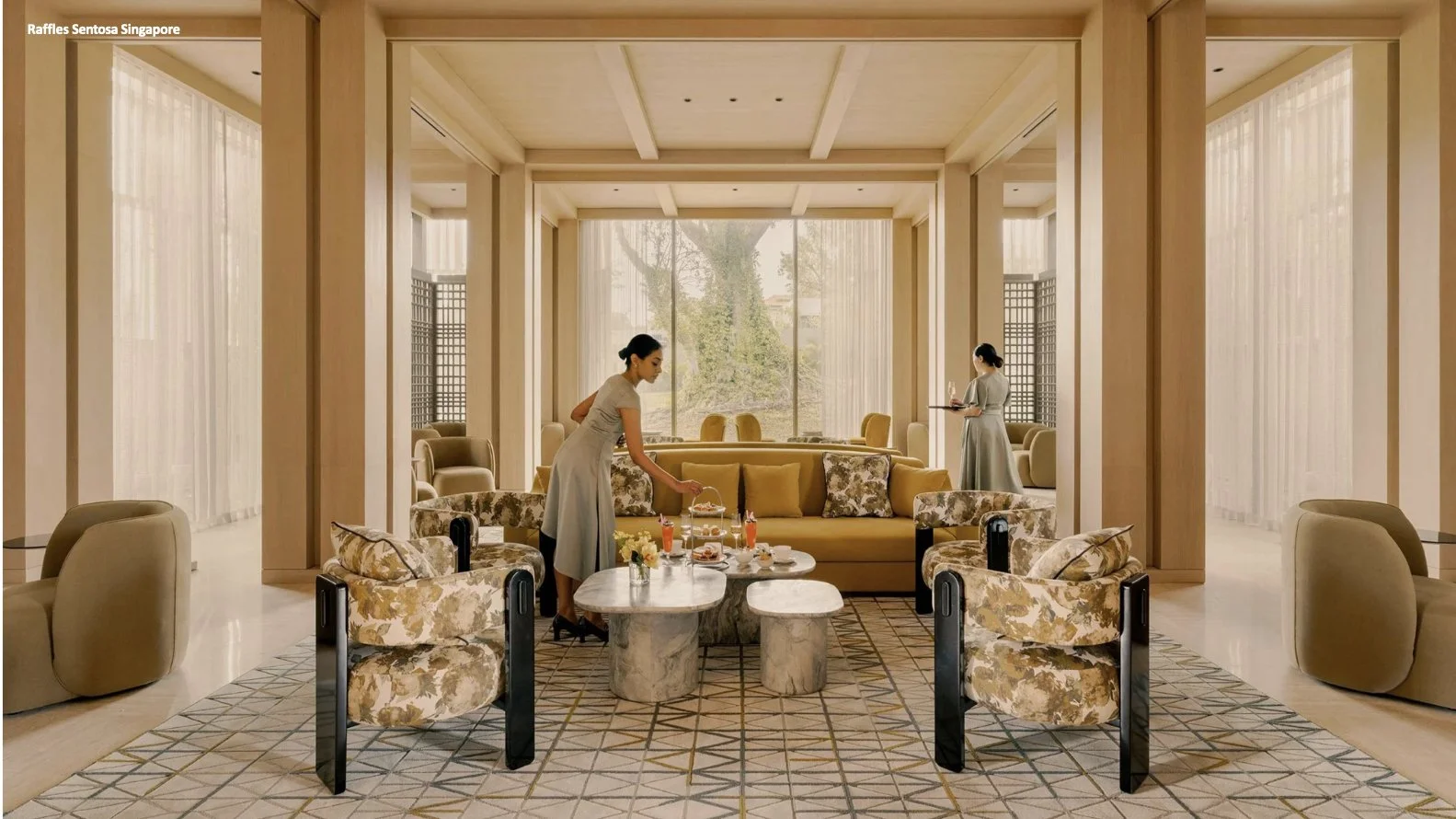
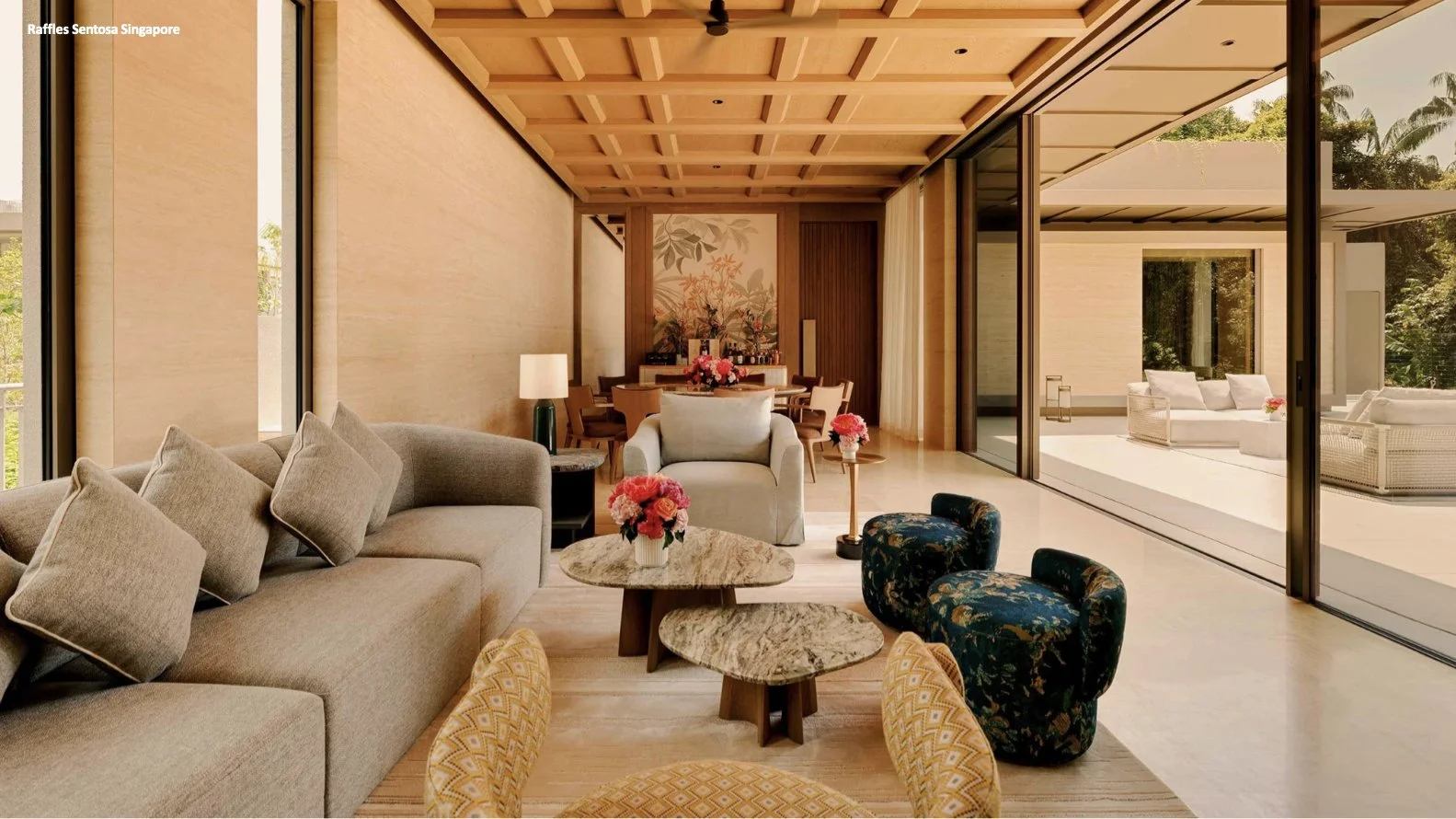
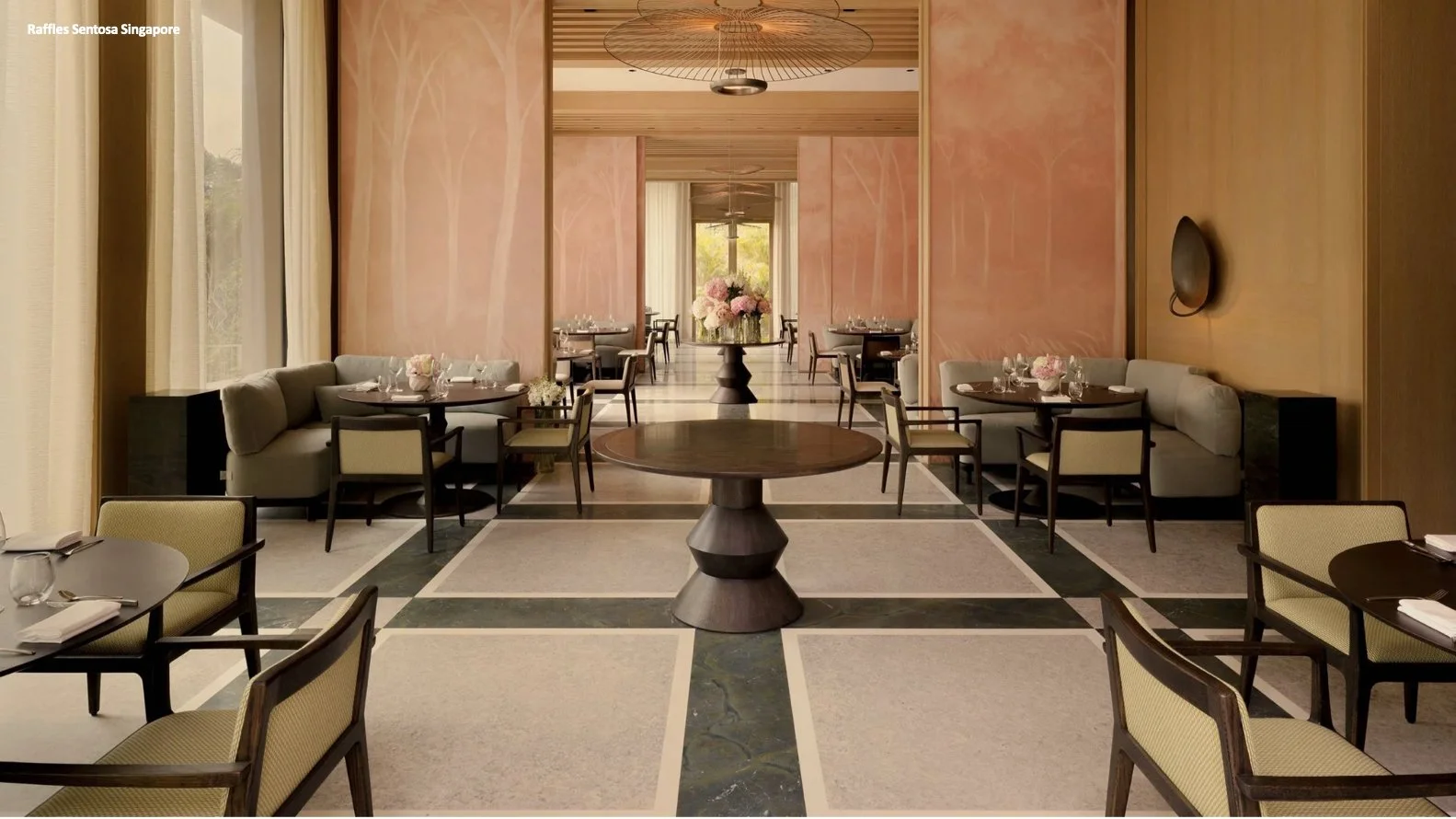
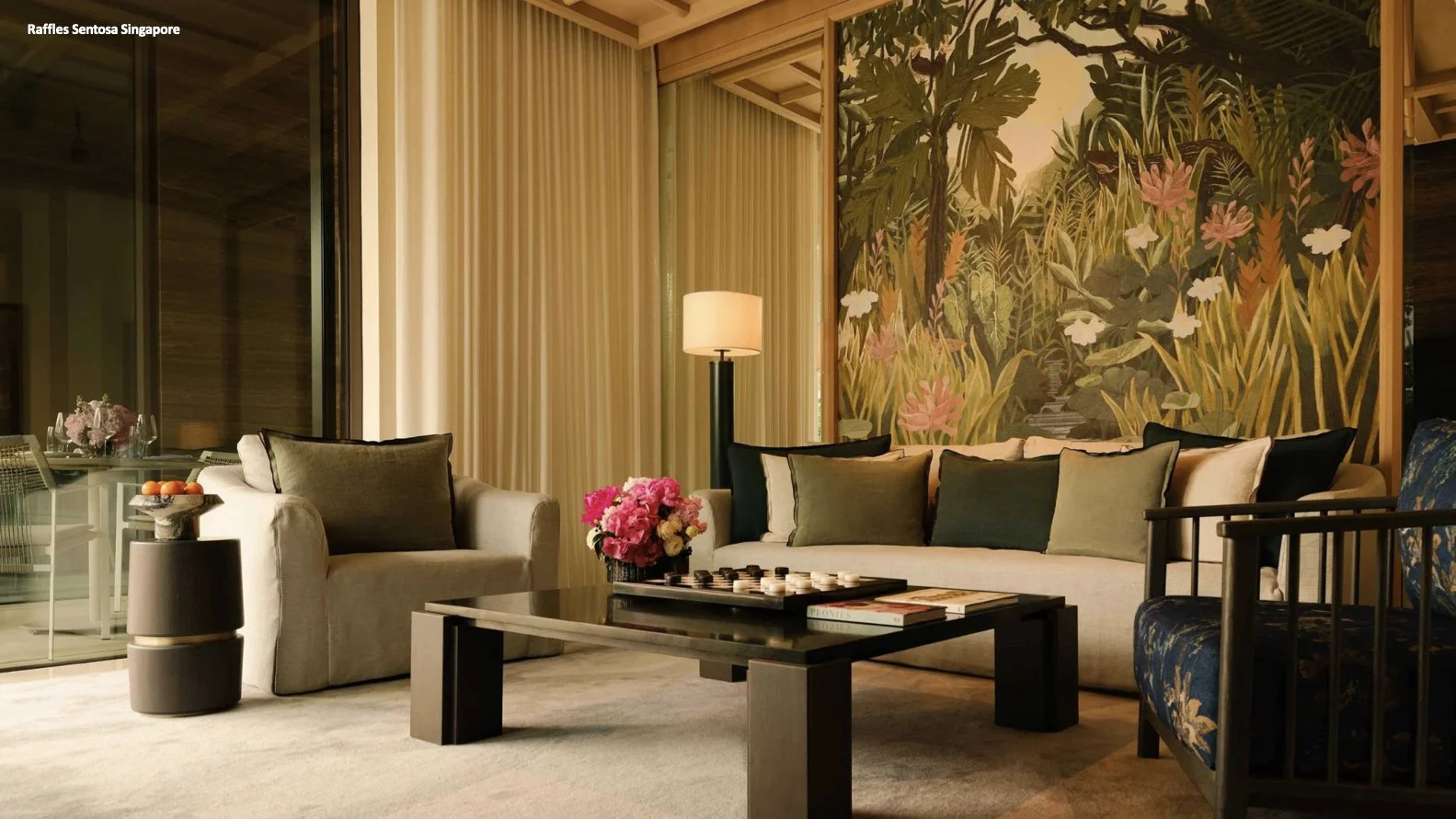
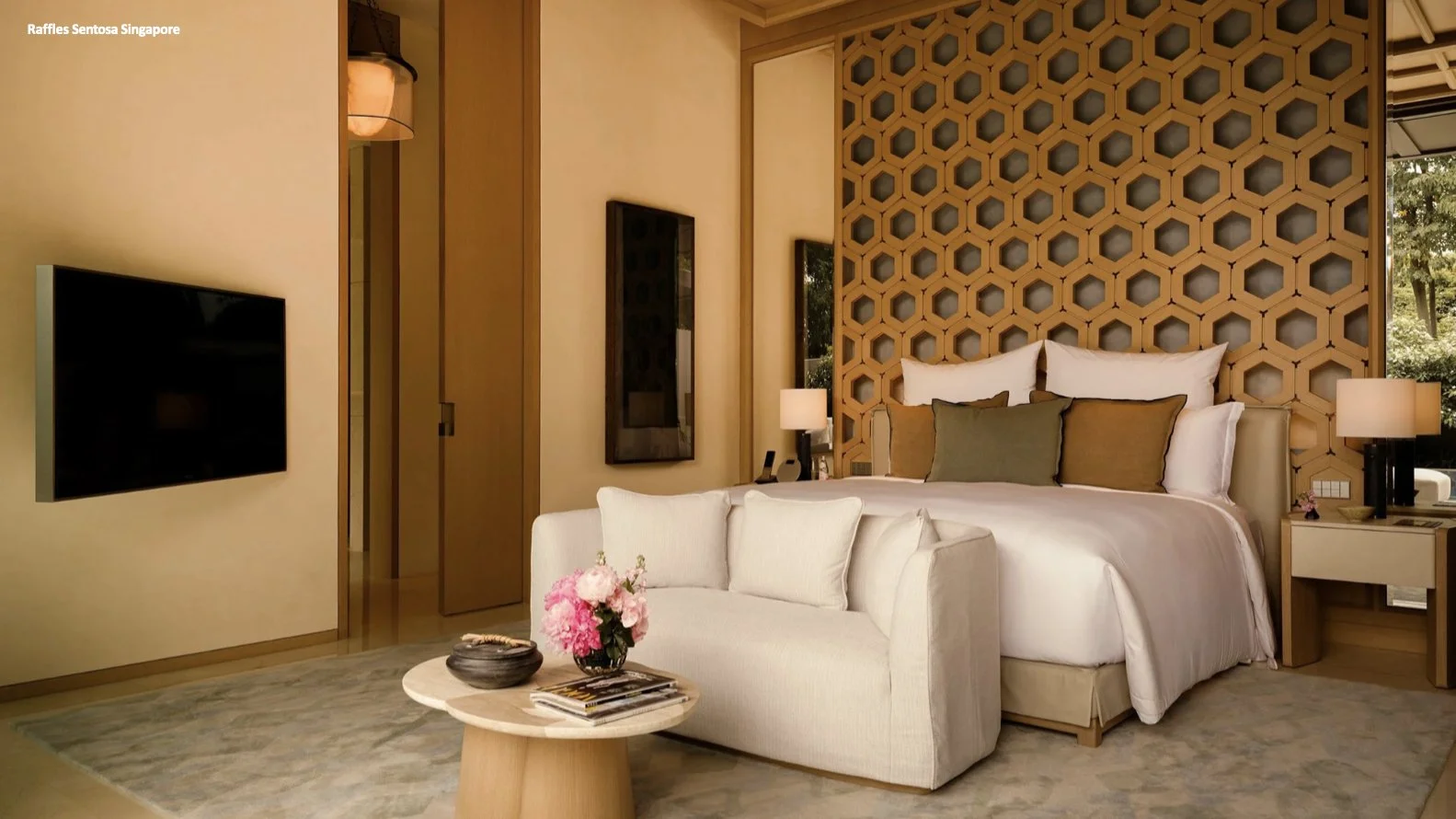
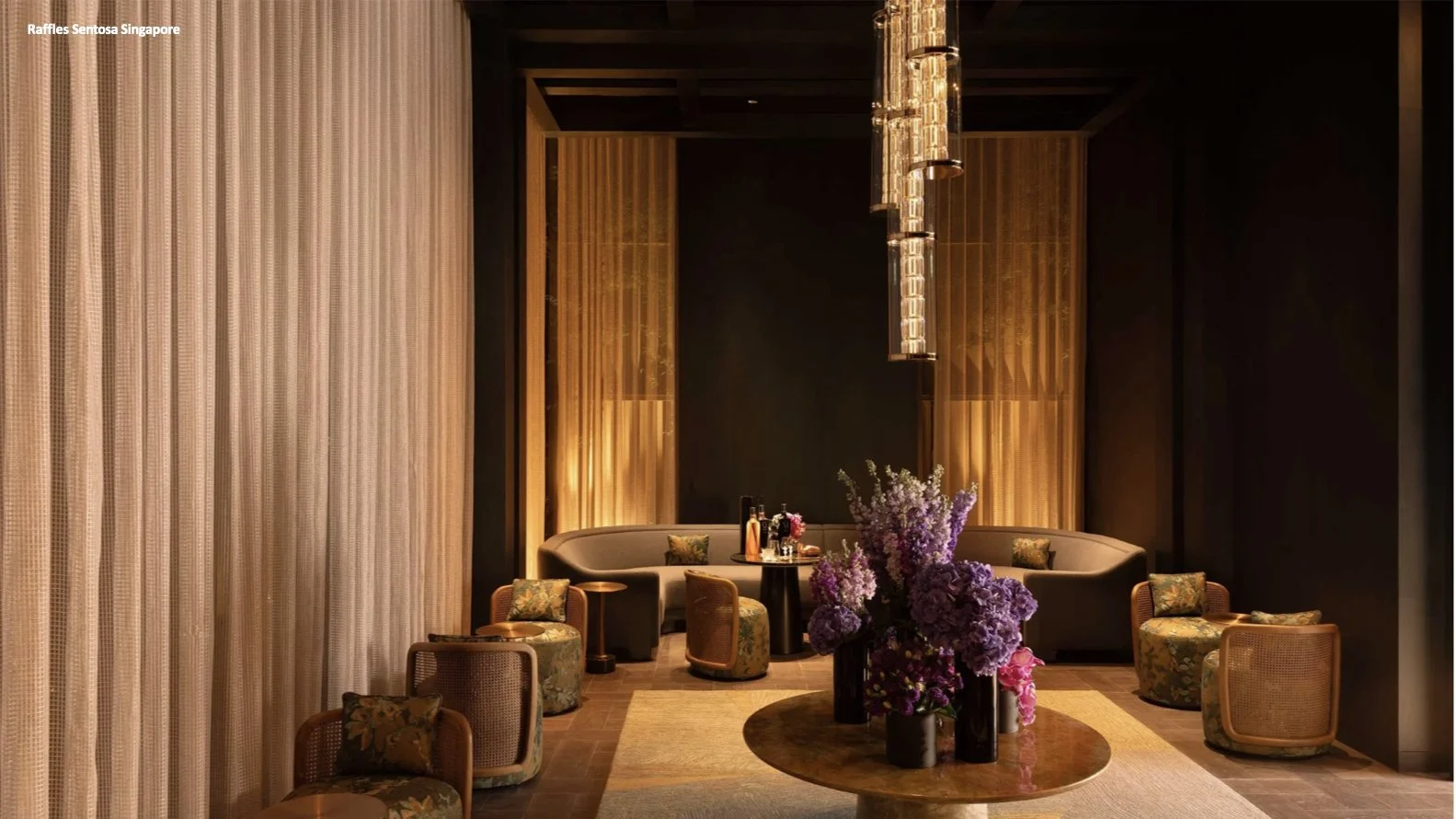
Materiality remains deliberately understated. Travertine, pale woods, and naturally veined surfaces offer quiet hospitality, absorbing light with grace. The colour palette mirrors the surrounding terrain: subtle greens, sandy hues, and earth tones that extend the gardens inward. Luxury comes not from ornament but from the elemental. Comfort is crafted from atmosphere, not accumulation.
Stellar Works’ cross-cultural identity, blending Japanese sensibility with Shanghai craftsmanship, resonates throughout the project. The furniture embodies clarity and precision, distinctly Asian in discipline yet global in ease. Every piece supports the architecture, inviting guests to settle into a sense of calm rather than simply occupy a space. In a region often defined by spectacle, the project stands as a testament to luxury found in proportion, stillness, and the quiet integrity of materials. Amid quiet transitions in the landscape, Stellar Works introduces a distinct layer of refinement that feels both crafted and effortless. The brand’s vision is woven into all 62 villas, where a comprehensive family of custom furnishings supports the resort’s calm, residential rhythm. Sofas with softened silhouettes, sculpted lounge chairs, dining pieces shaped for long conversations, bespoke beds, and cabinetry all share a unified language of warmth and tactility. Each piece settles naturally into the architecture, with hand-finished timber, woven rattan, and botanical tones echoing the island’s light and vegetation. The outcome is not a mere display of scale but a coherent mood. Every element is tuned to the same quiet frequency, reinforcing the resort’s vision of tranquillity through thoughtful, understated craft.
Raffles Sentosa reveals more than a collection of villas; it presents a worldview. Landscape, design, and craft move in harmony, each element in quiet dialogue. The most sophisticated gesture is often the gentlest, suggesting a future for hospitality in which the greatest luxury is not spectacle but the privilege of tranquillity.
For more information,
Please visit: https://www.stellarworks.com | https://www.raffles.com/sentosa/
Photographer: Daniel Koh
#stellarworks #rafflessentosa #design #hospitality #YabuPushelberginteriors

Earthboat V1: The Nomadic Timber Retreat Reviving Japan’s Forgotten Leisure Landscapes
In the foothills of rural Japan, PAN- PROJECTS quietly redefines the architecture of impermanence. Their latest prototype, Earthboat V1, is a mobile timber retreat built entirely from Cross-Laminated Timber — designed not to claim land, but to touch it lightly and move on. Equal parts shelter and statement, the 20.5m² cabin revives forgotten leisure sites with Scandinavian clarity and Japanese restraint. Featuring a sauna, modular interiors, and zero foundations, the Earthboat is less about escape than encounter — a new, slower ritual of living with nature.
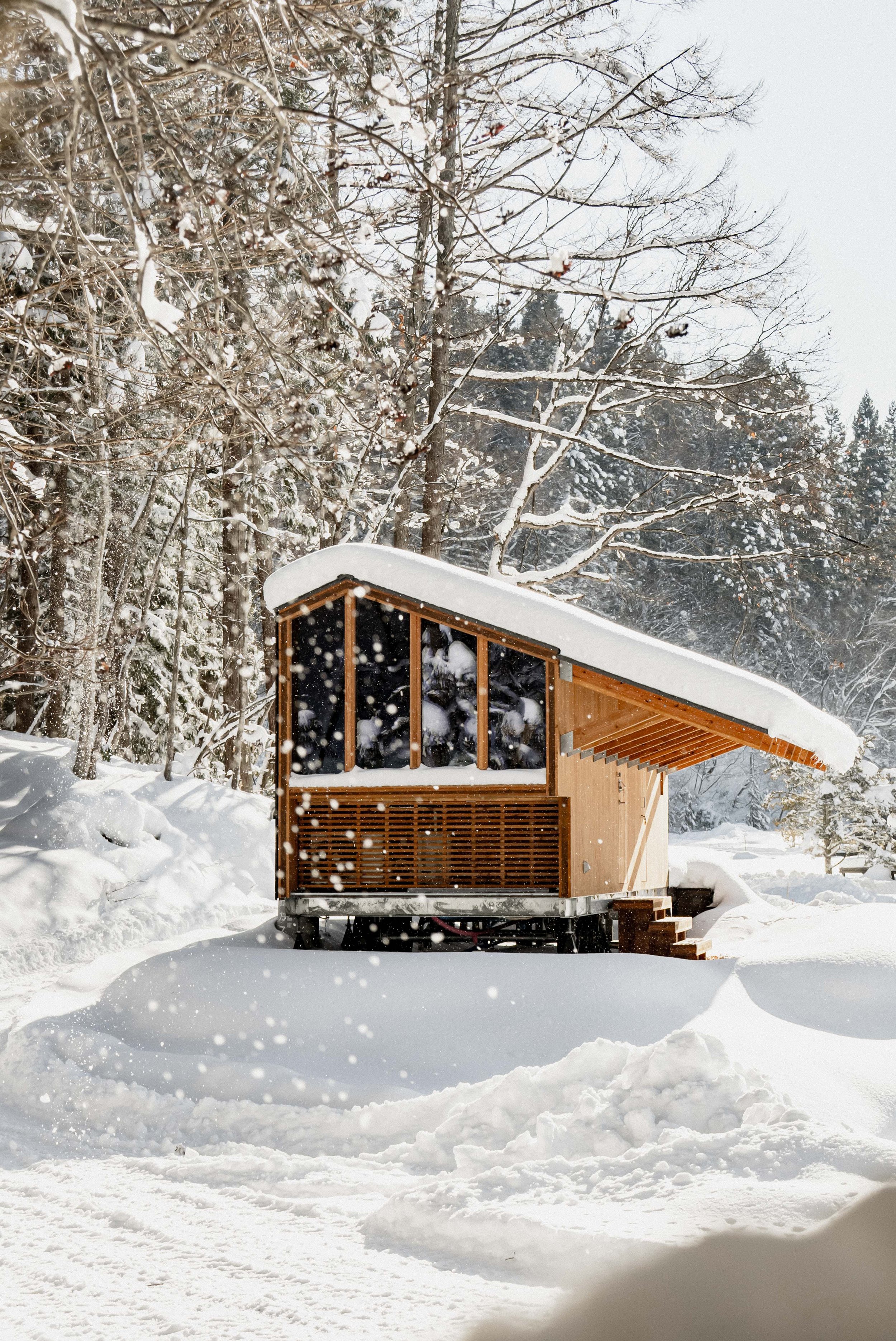
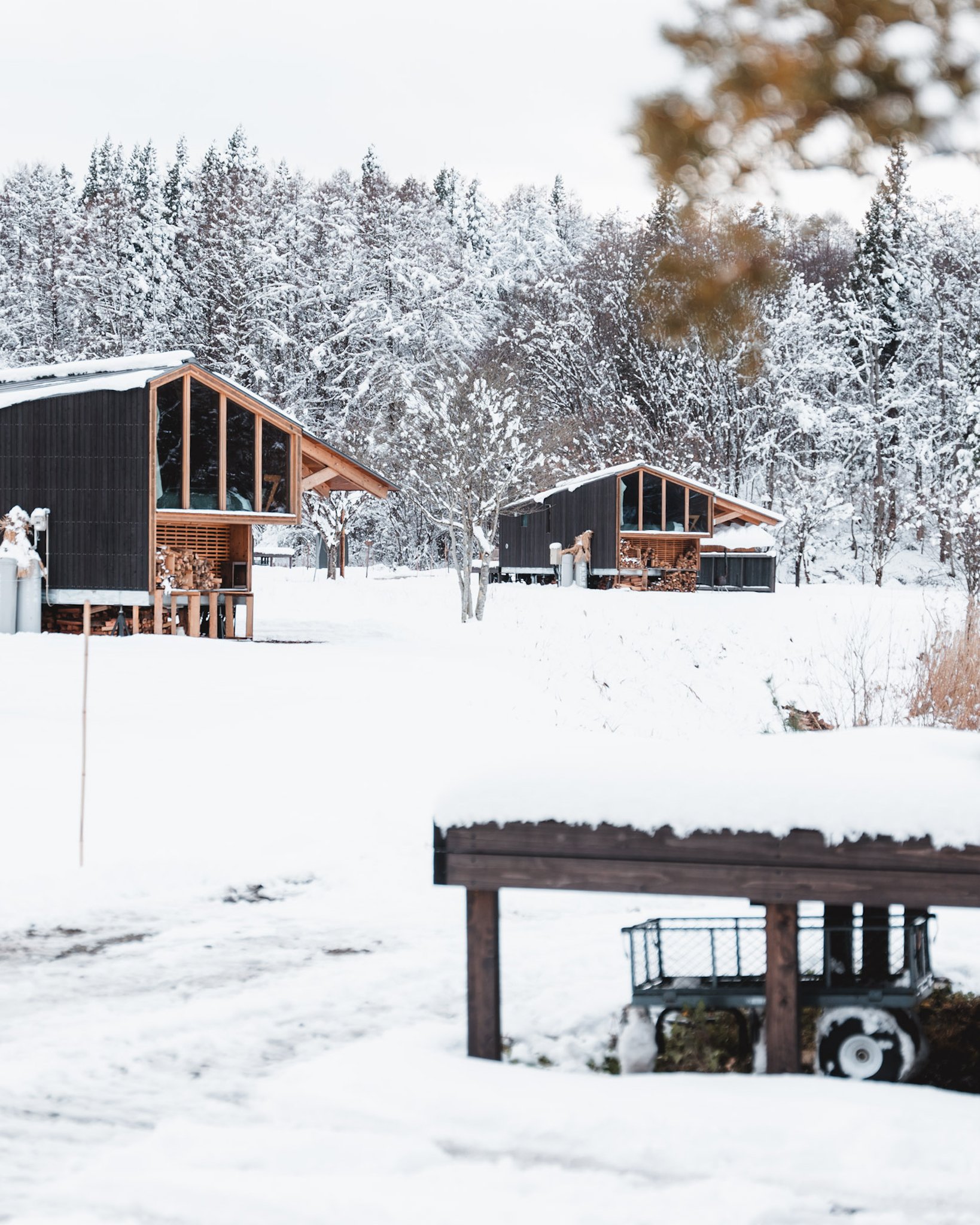
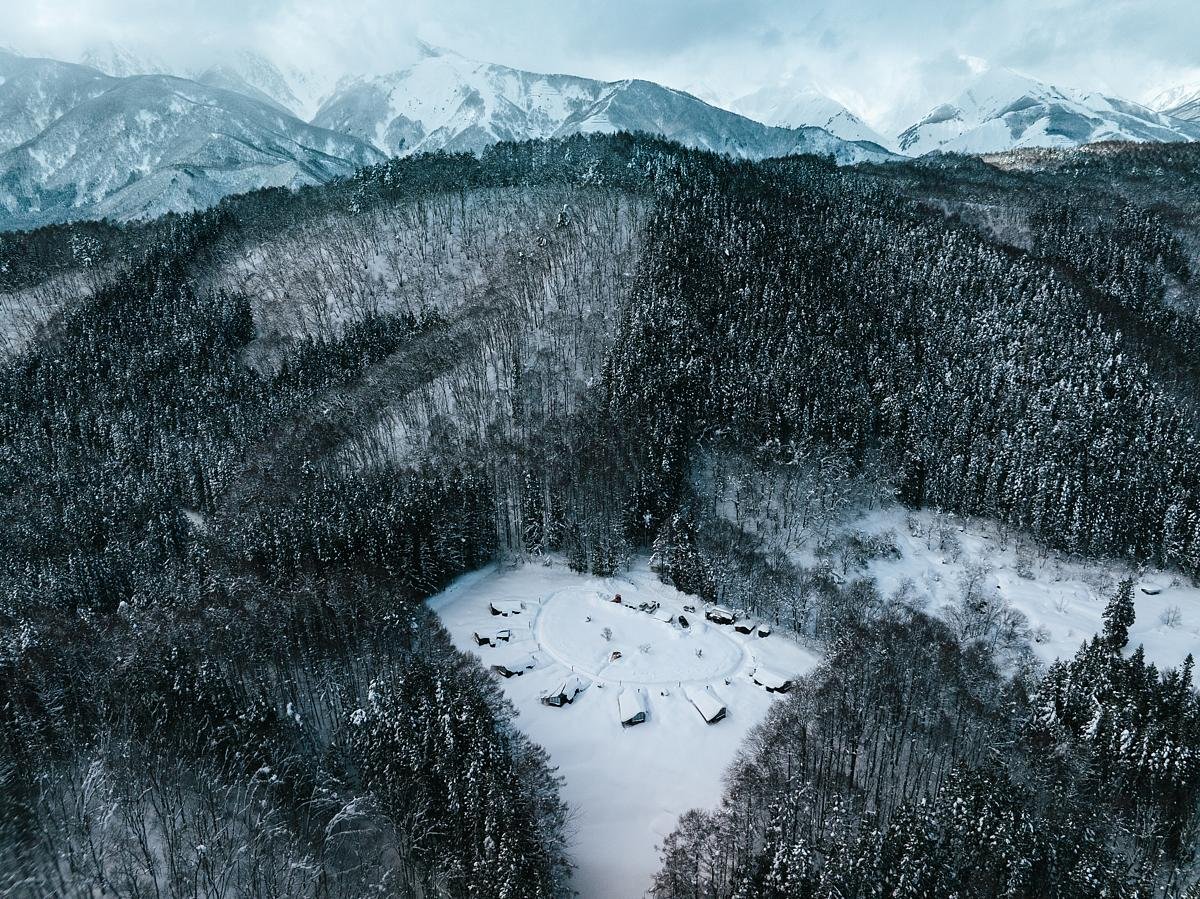
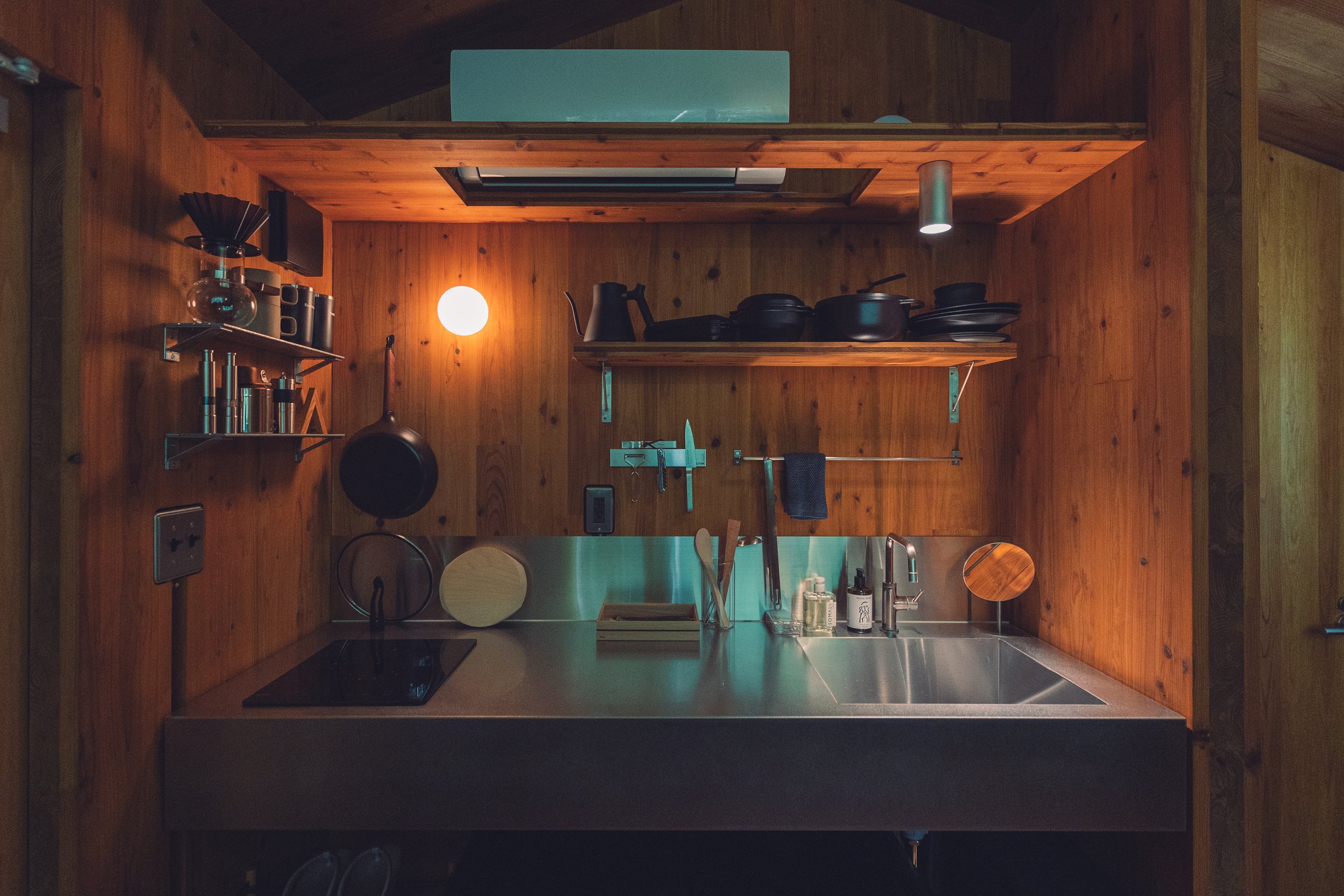

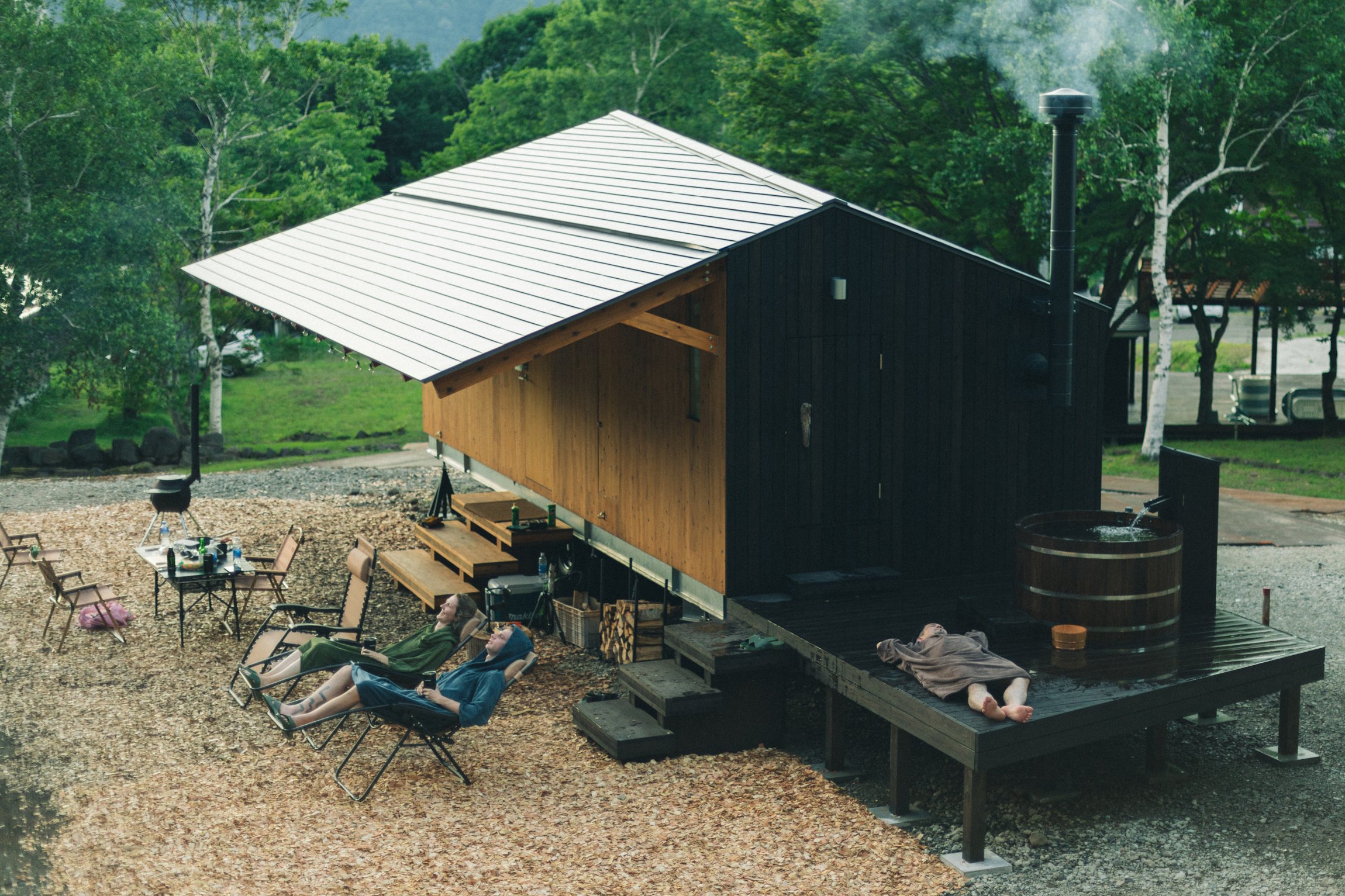
In a serene corner of rural Japan, a remarkable transformation is unfolding—one that reimagines our relationship with space, nature, and the forgotten realms of post-bubble leisure culture. PAN-PROJECTS, a design studio based in London and Tokyo, celebrated for its elegantly restrained interventions and architectural diplomacy, is at the forefront of this movement. Their latest endeavour, Earthboat V1, is a powerful prototype: a compact, mobile cabin crafted entirely from Cross-Laminated Timber (CLT), designed to “float” gracefully above the land it embraces.
The Earthboat transcends nostalgia for countryside glamping; it embodies a thoughtful act of architectural reclamation. Once, Japan’s economic boom filled the countryside with leisure attractions like golf resorts, ski fields, and fishing ponds. Today, many of these sites lie dormant, echoes of a hopeful past. Earthboat V1 gently interacts with these spaces with its humble 20.5 square meter footprint. It eschews traditional foundations, resting lightly on the terrain, preserving the landscape while inviting a refreshing temporary habitation.
At first glance, the cabin's silhouette is strikingly modernist—a beautifully balanced architectural haiku in timber. A refined yet functional layout features a sauna, modular storage, and panoramic views that dissolve the boundaries between the indoor and outdoor worlds. The prefabricated design enhances assembly and ensures the unit can be relocated, minimizing environmental impact and adapting to evolving needs or seasonal contexts.
The concept remains dynamic, with around sixty Earthboat units now distributed across seven sites in Japan. This architecture moves—responsive to the land, memories, and utility. Each deployment signifies an act of regeneration—a fleeting reanimation of neglected spaces, sidestepping conventional development's permanence (and often abandonment).
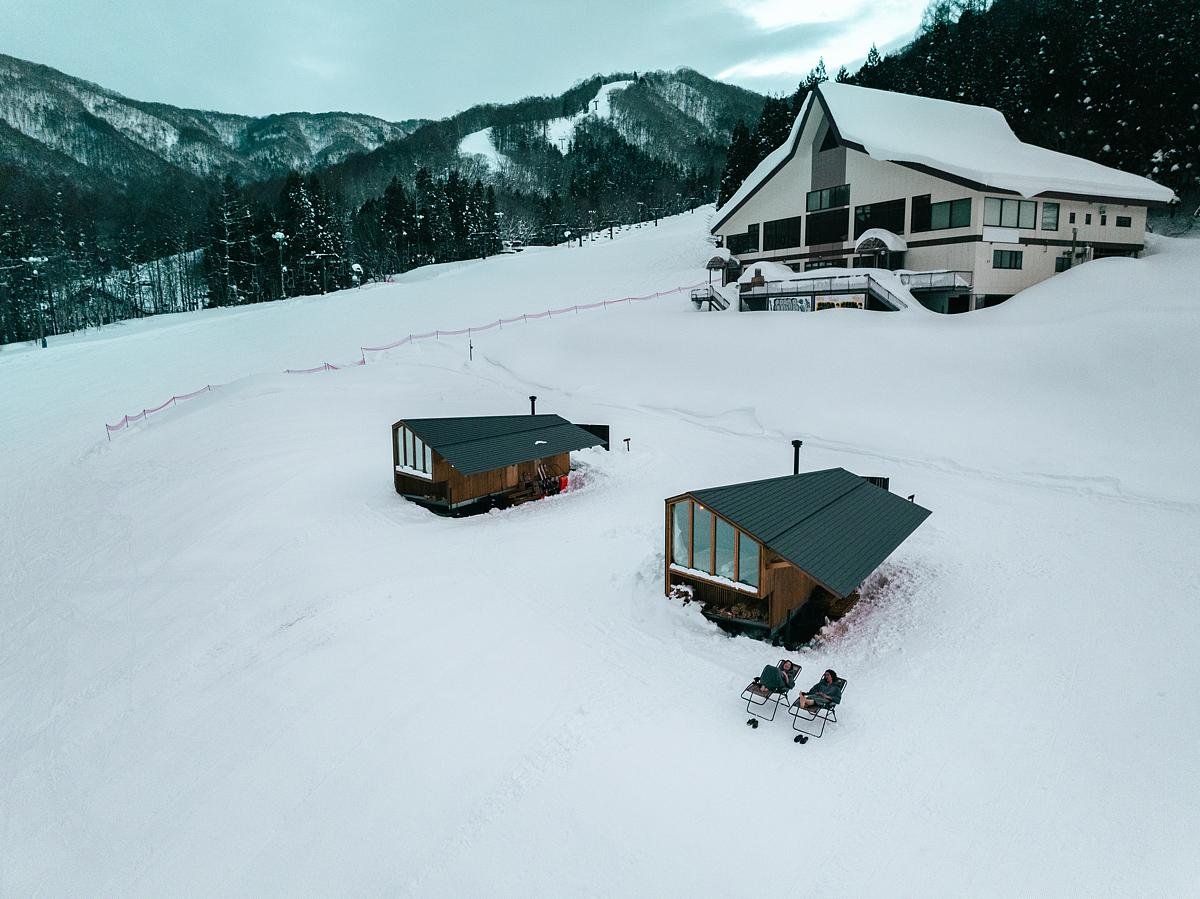
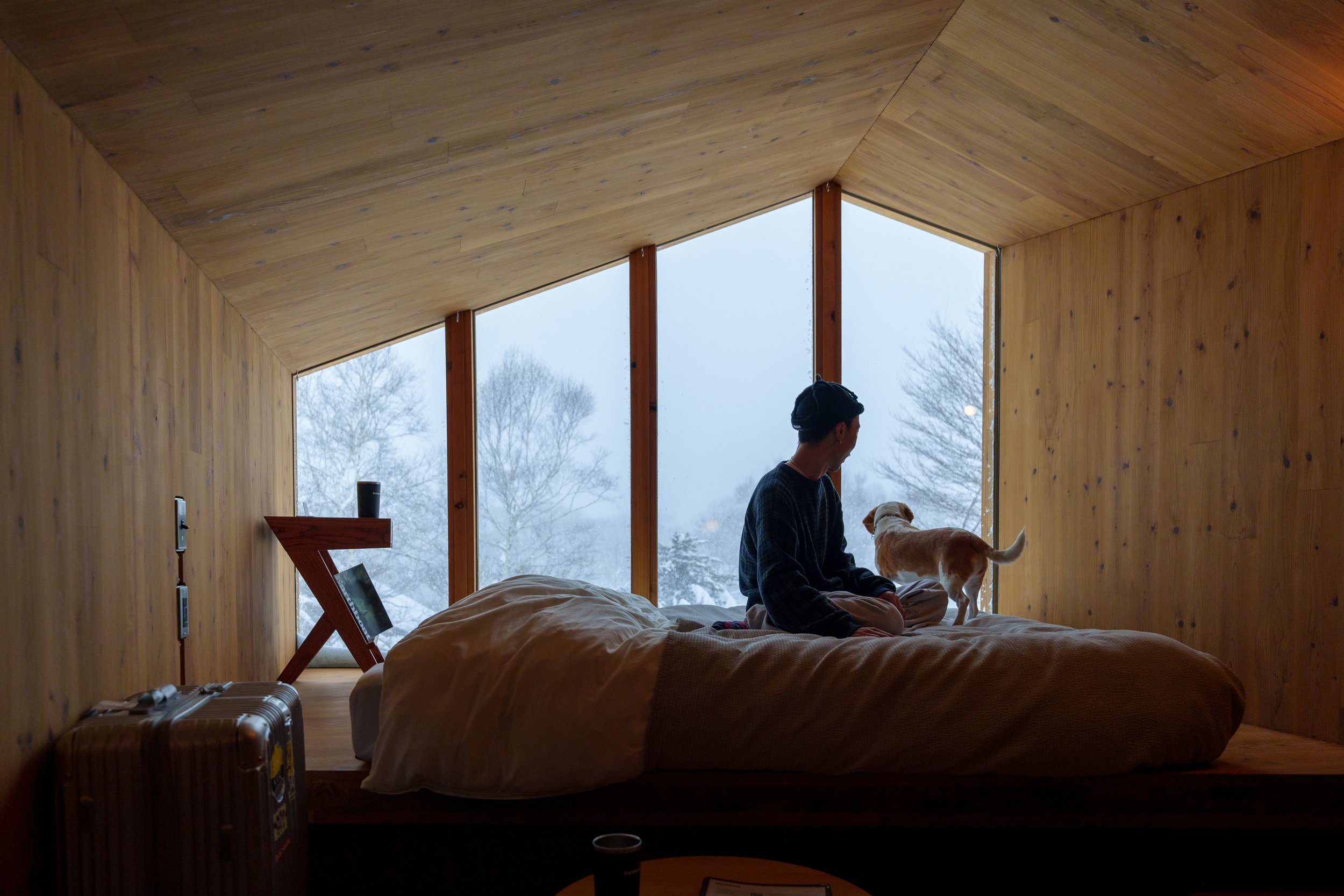
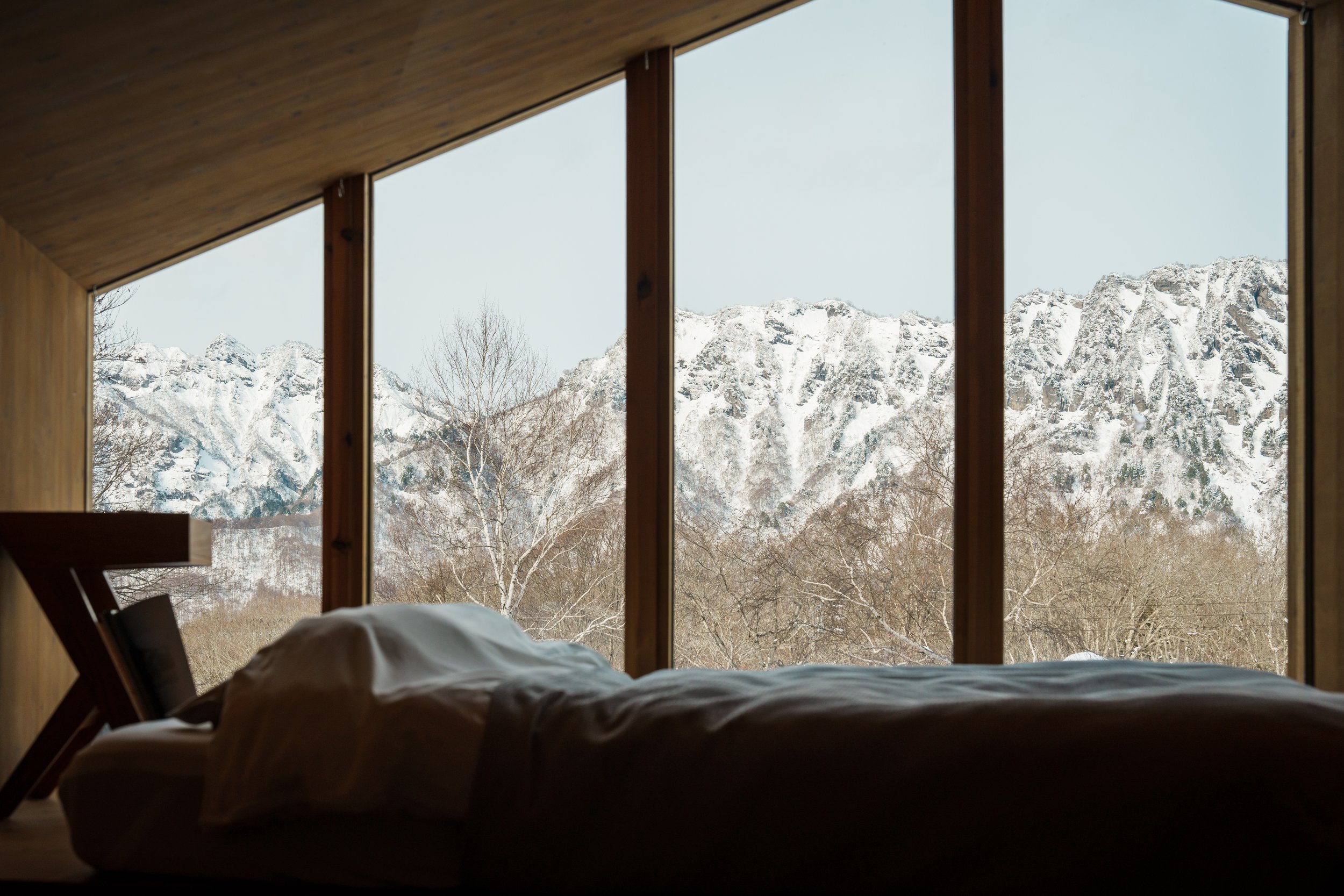
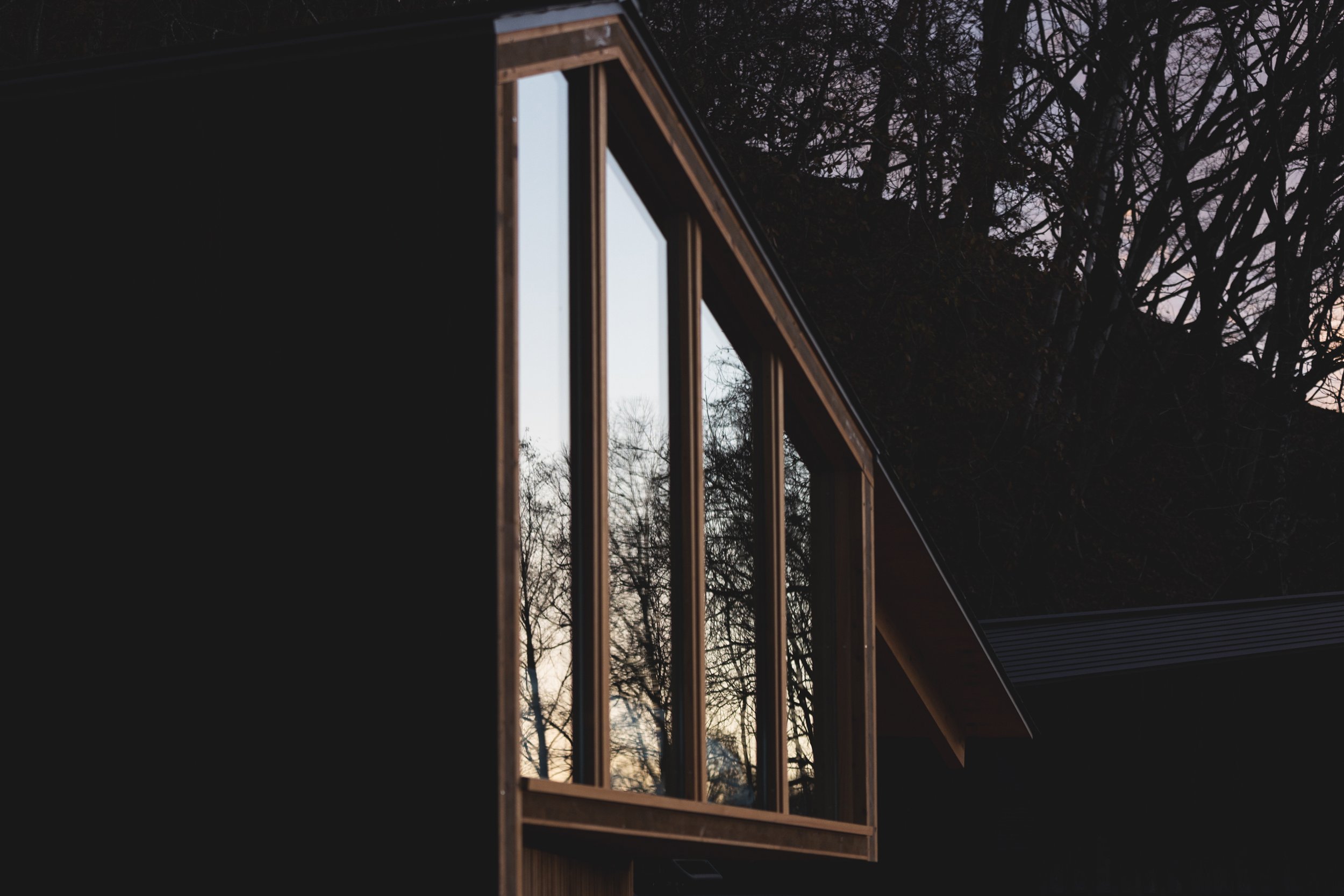
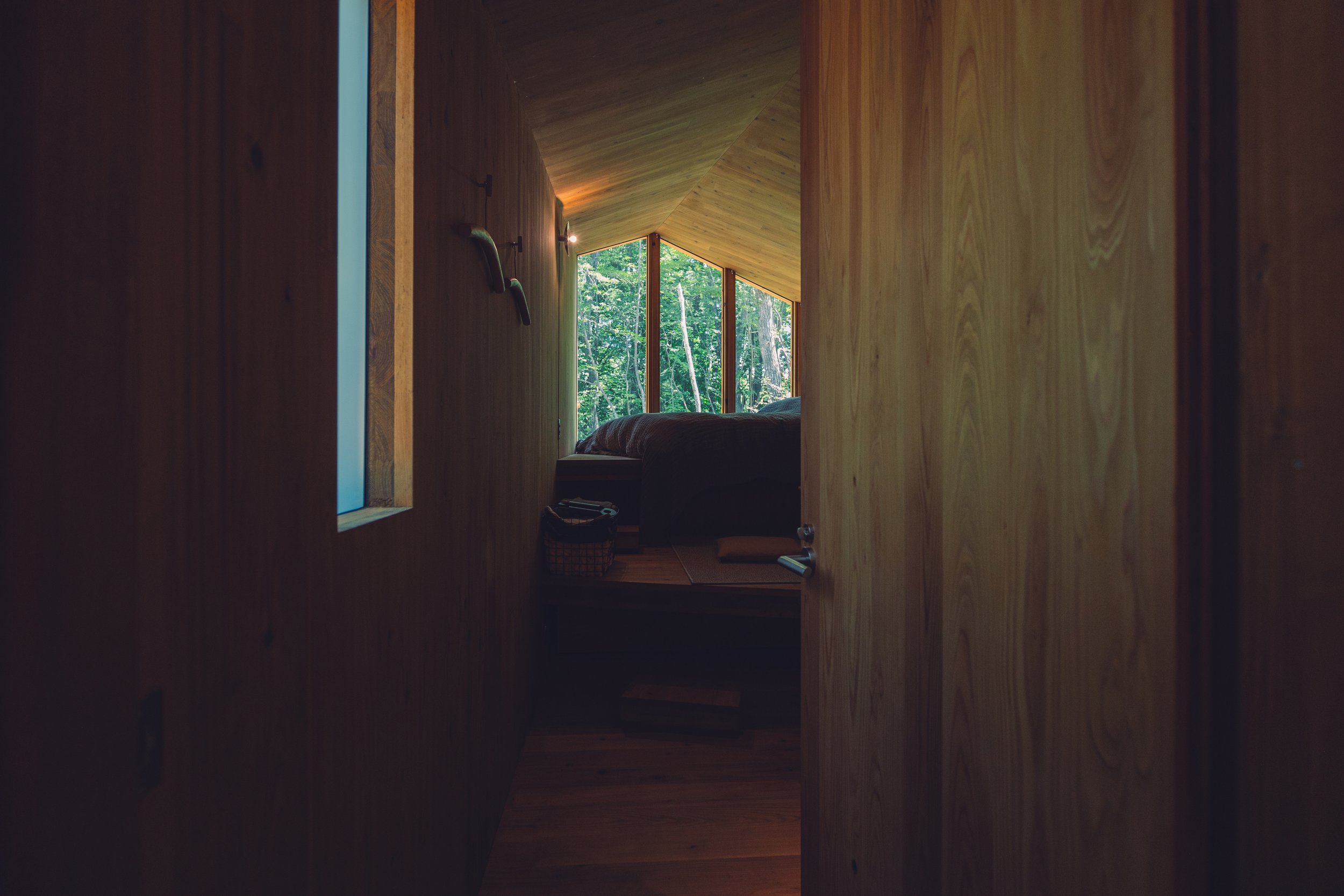
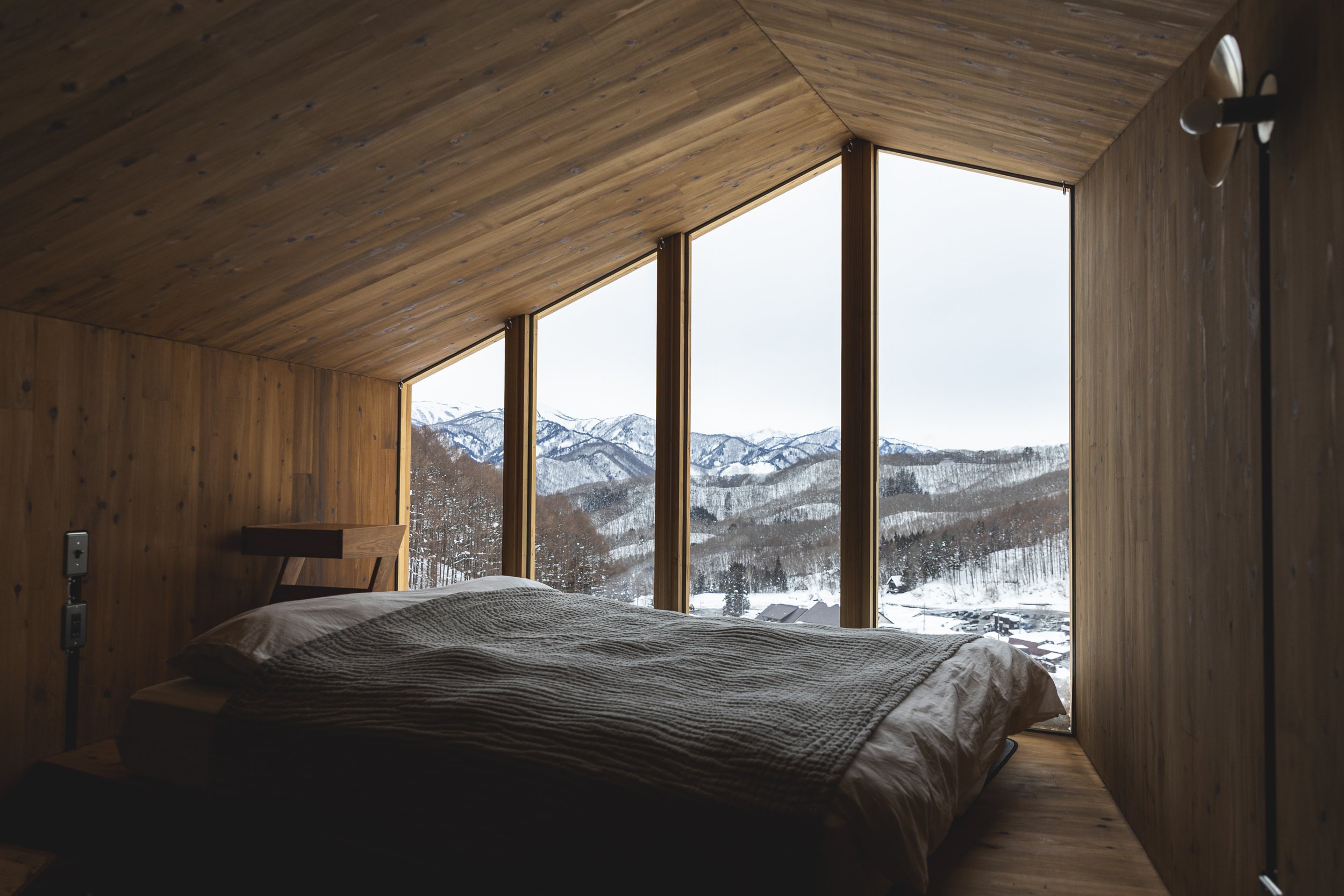
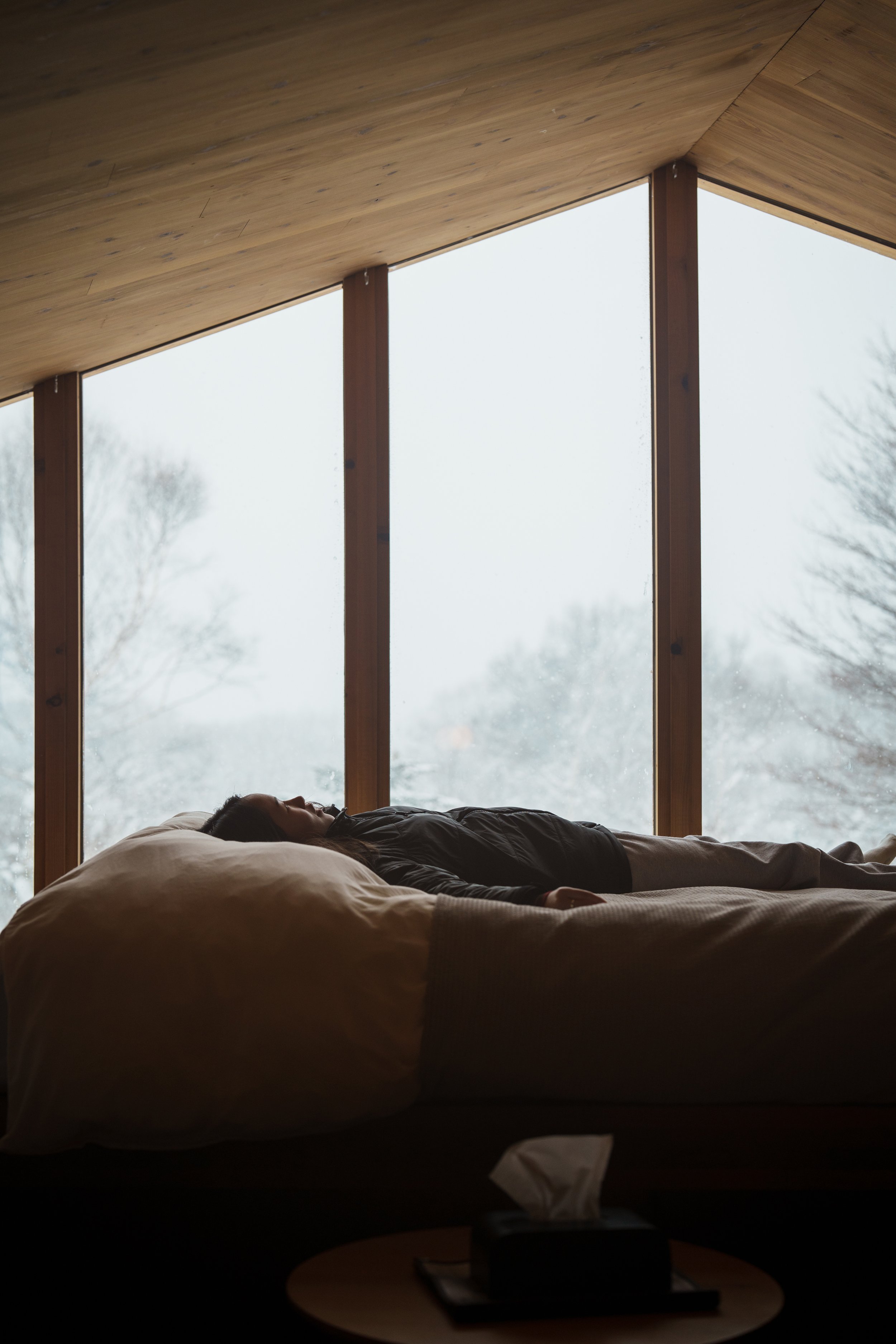
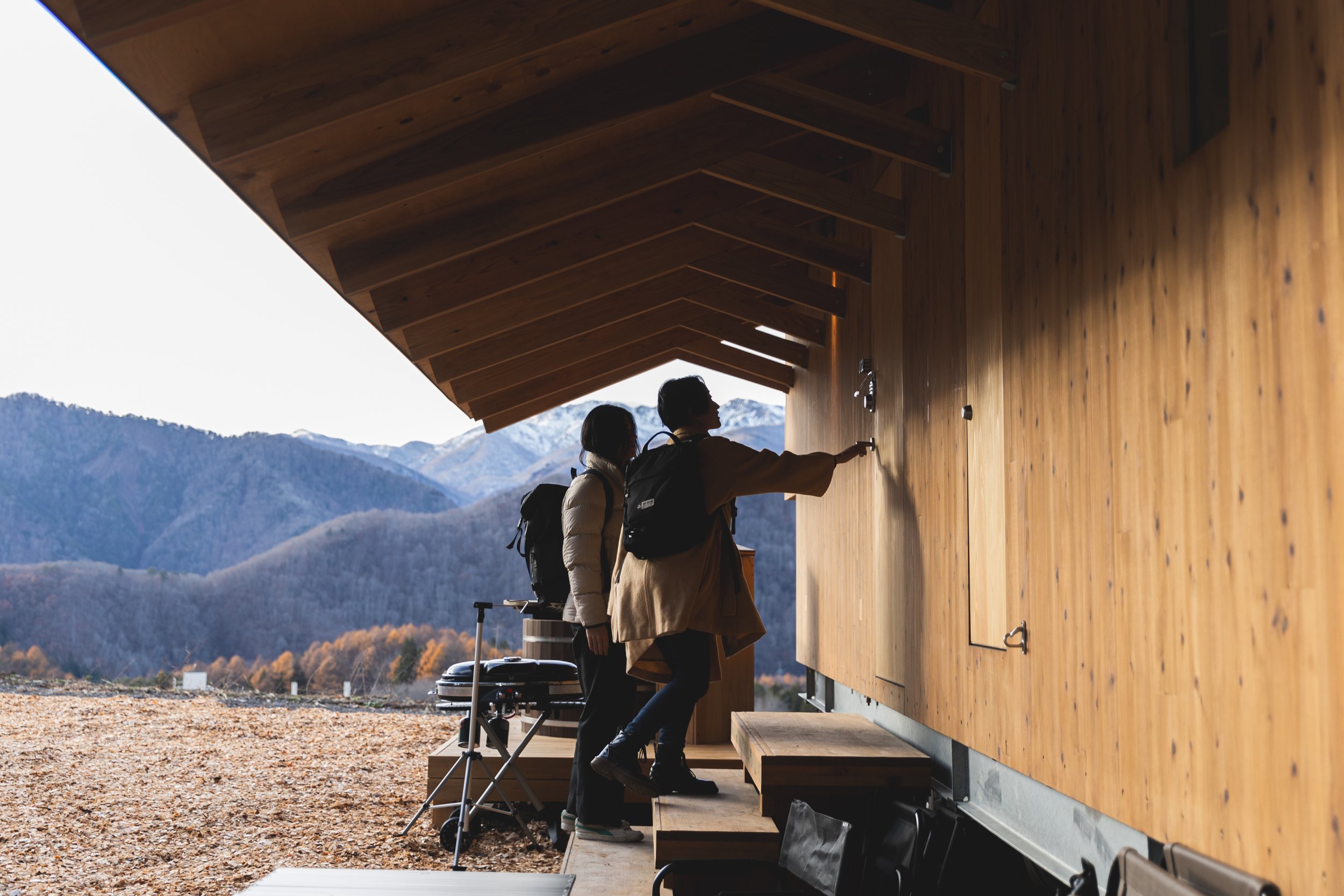
The true innovation lies in its material intelligence. In a culture where CLT tends to be reserved for larger structures, Earthboat V1 recalibrates this scale, marrying high-performance, sustainable timber technology with a human-centred, emotionally resonant format—a quiet revolution in Japanese architecture.
As both a retreat and a powerful idea, Earthboat V1 exemplifies the pinnacle of hospitality architecture: providing shelter and offering a new lens through which to experience a place. It invites us to explore how to inhabit the in-between—not as owners or consumers but as thoughtful stewards of space and time.
ABOUT PAN_PROJECTS
PAN- PROJECTS is a London-based architectural design studio co-founded in 2017 by Japanese architects Yuriko Yagi and Kazumasa Takada. The studio engages in architecture, interior, installation, product, and exhibition design through multidisciplinary collaborations.
Founding Partners:
Yuriko Yagi, M.Arch, Arkitekt MAA: Yagi earned her Bachelor and Master of Architecture Design degrees from Kyoto Institute of Technology in 2014 and 2017, respectively.
Kazumasa Takada, M.Arch, ARB/RIBA: Takada completed his Bachelor of Architecture at Waseda University in 2015 and obtained a Master of Arts in Architecture from The Royal Danish Academy of Fine Arts in 2017.

Left: Yuriko Yagi
Co-founder, PAN- PROJECTS | Arkitekt MAA
Right: Kazumasa Takada
Co-founder, PAN- PROJECTS | Architect ARB/RIBA
PAN- PROJECTS has been recognized in the architectural community, including being longlisted for the Emerging Architecture Studio of the Year and Large Retail Interior Design categories at the 2021 Dezeen Awards.