

Diversified by Design: The LW Perspective
As the global hospitality landscape undergoes a profound recalibration, LW Design’s 2026 roadmap offers a masterclass in agility. Here, the studio outlines a year defined not by reinvention, but by the confident realization of a borderless creative identity. If 2026 requires a singular thesis for the design industry at large, it is “Diversified by Design.” We are witnessing a fundamental shift in the cadence of guest engagement and the way global hospitality expresses its soul.
As the global hospitality landscape undergoes a profound recalibration, LW Design’s 2026 roadmap offers a masterclass in agility. Here, the studio outlines a year defined not by reinvention, but by the confident realization of a borderless creative identity.
If 2026 requires a singular thesis for the design industry at large, it is “Diversified by Design.” We are witnessing a fundamental shift in the cadence of guest engagement and the way global hospitality expresses its soul. LW Design’s own trajectory serves as a compelling case study: the studio has matured from its foundations as a hospitality specialist into a polymathic force, shaping wellness destinations, nature lodges, and culturally attuned F&B concepts across four continents.
The Wellness Integration
The most significant shift in the current climate is the demand for holistic well-being. Wellness has moved beyond the "spa" annex; it is now the primary lens through which luxury is filtered. This philosophy, attuning the body, mind, and natural environment, requires a design language that sits at the sharp intersection of creative poetry and technical rigor. In an industry where transparency is absolute, the most successful projects are those that unite imaginative storytelling with forensic operational intelligence.
A Global Dispatch: The 2026 Openings
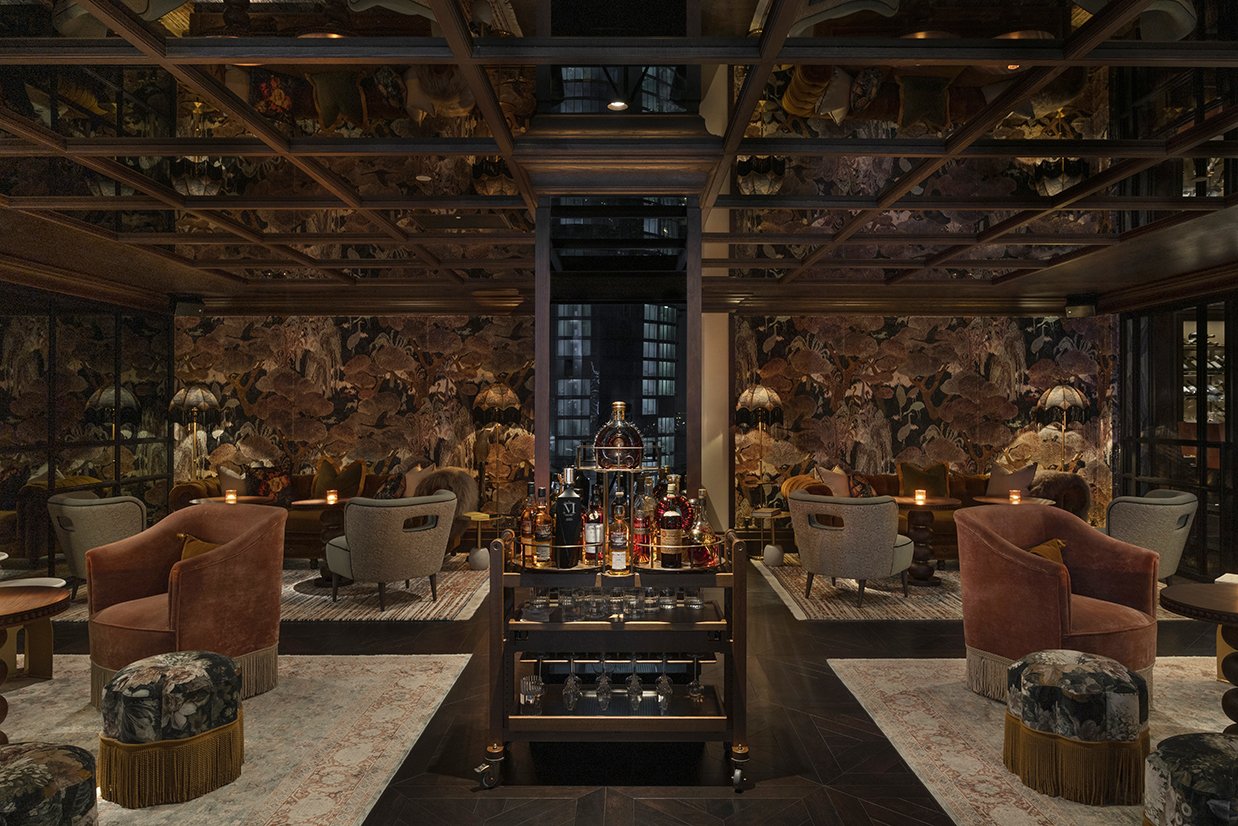
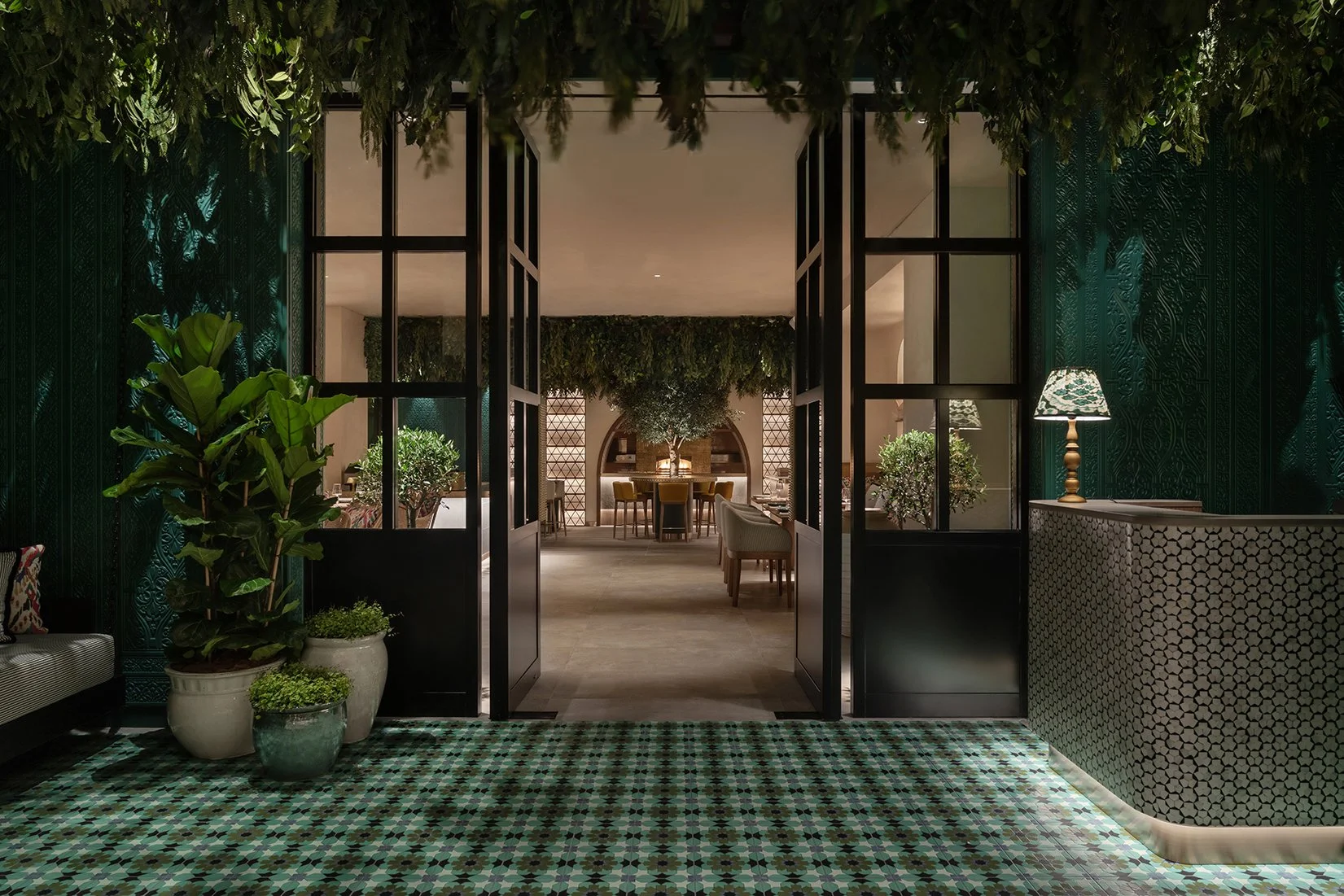
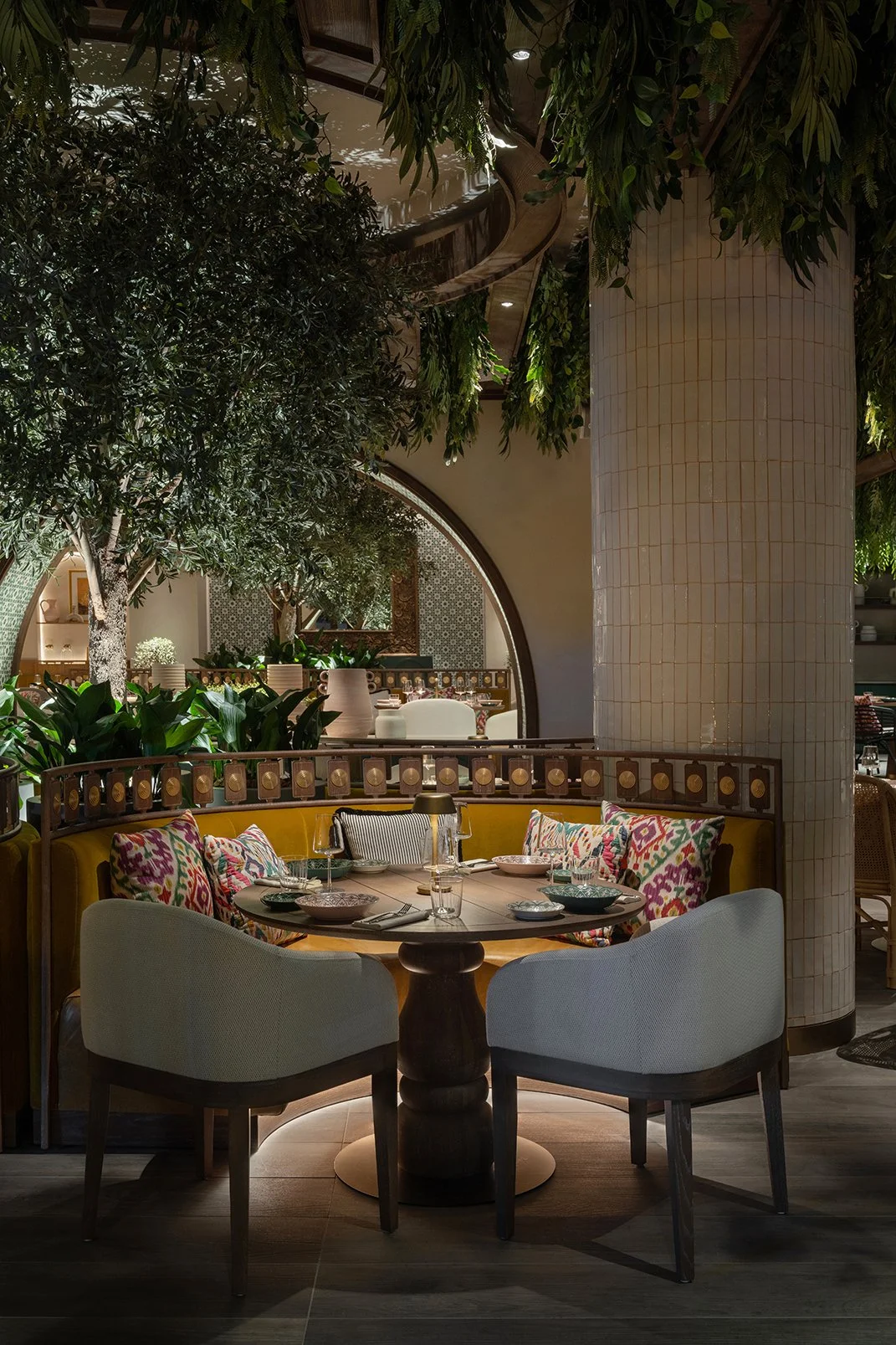
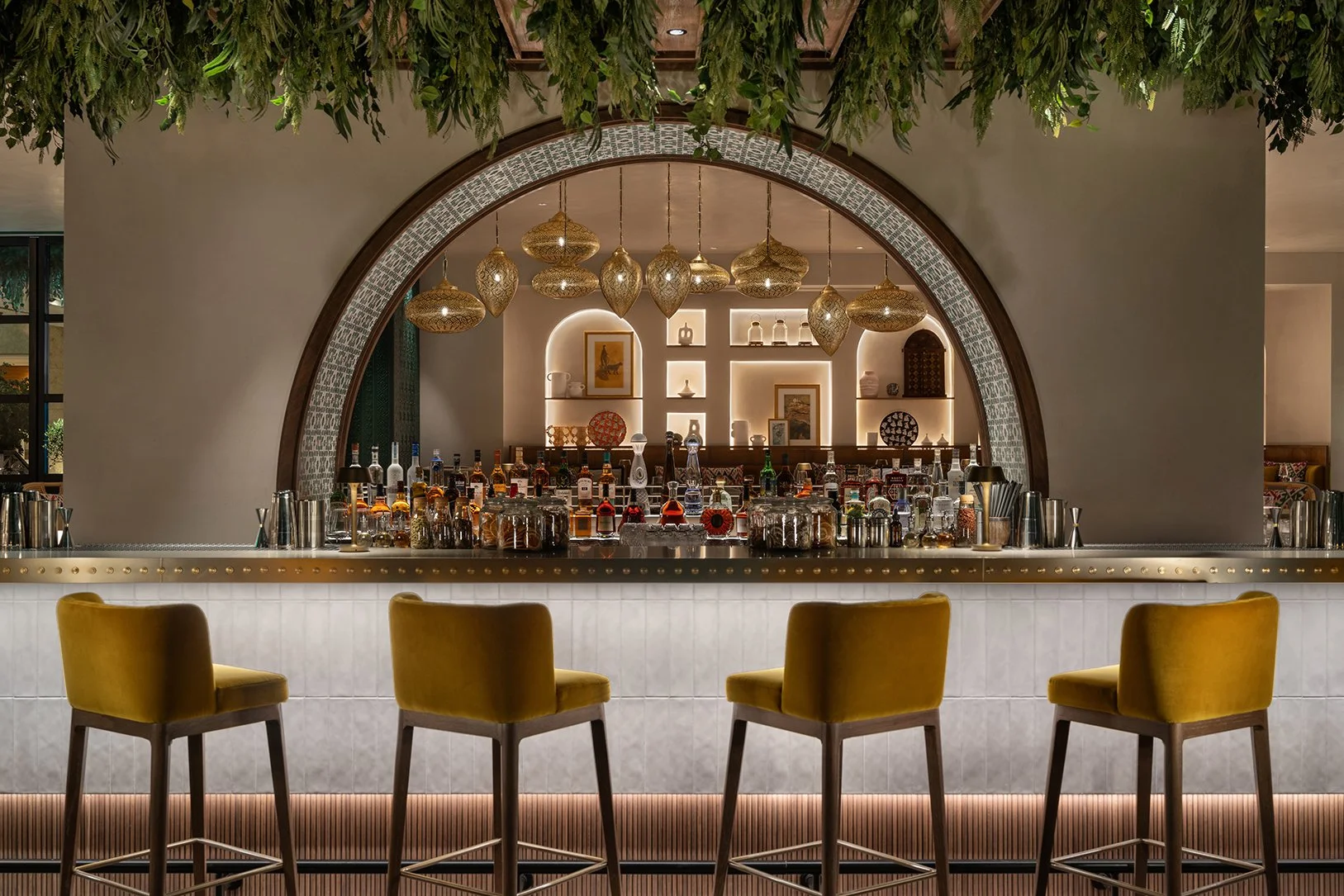
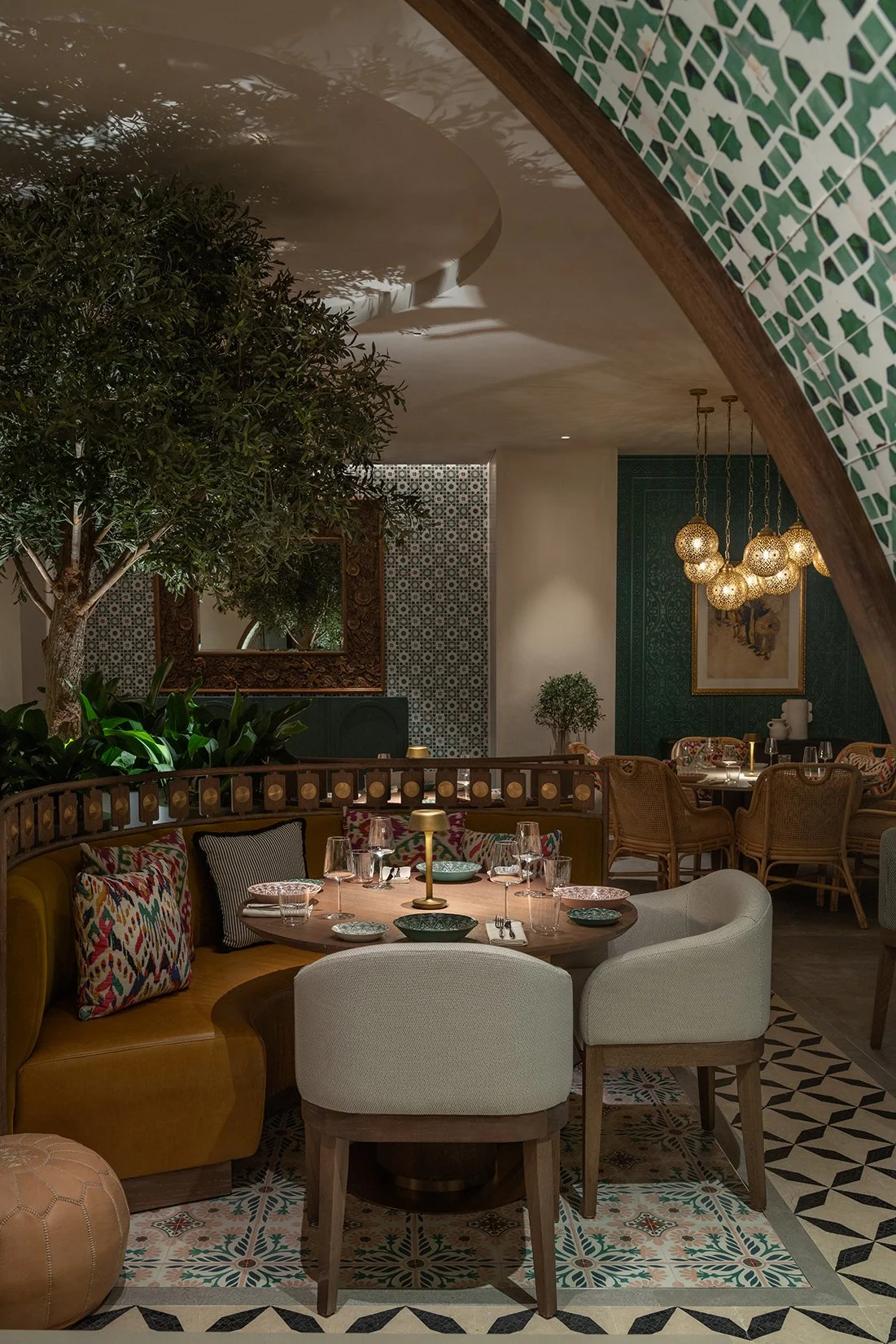
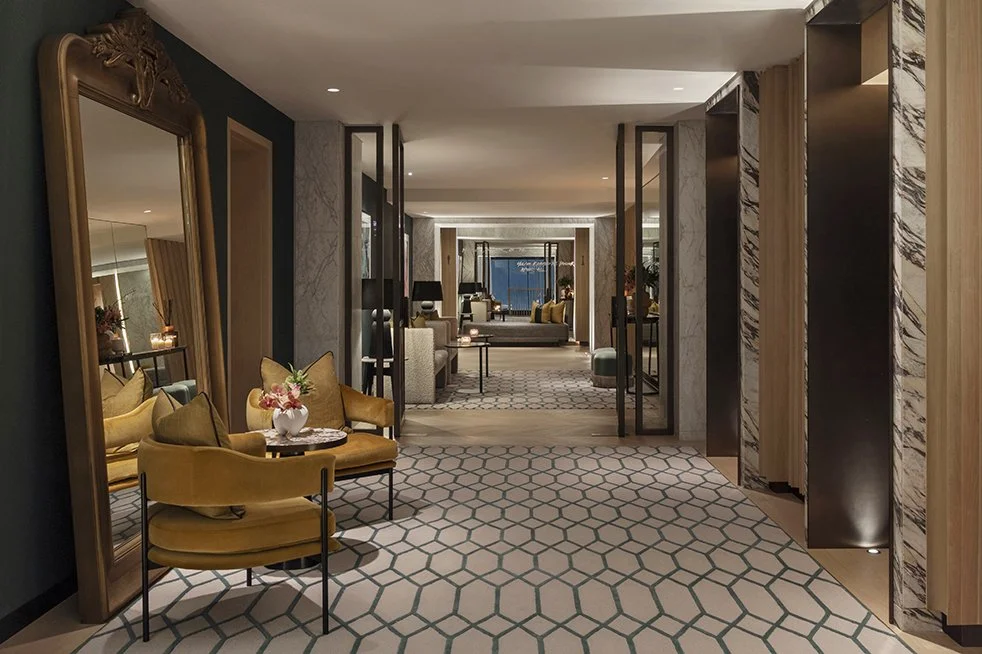
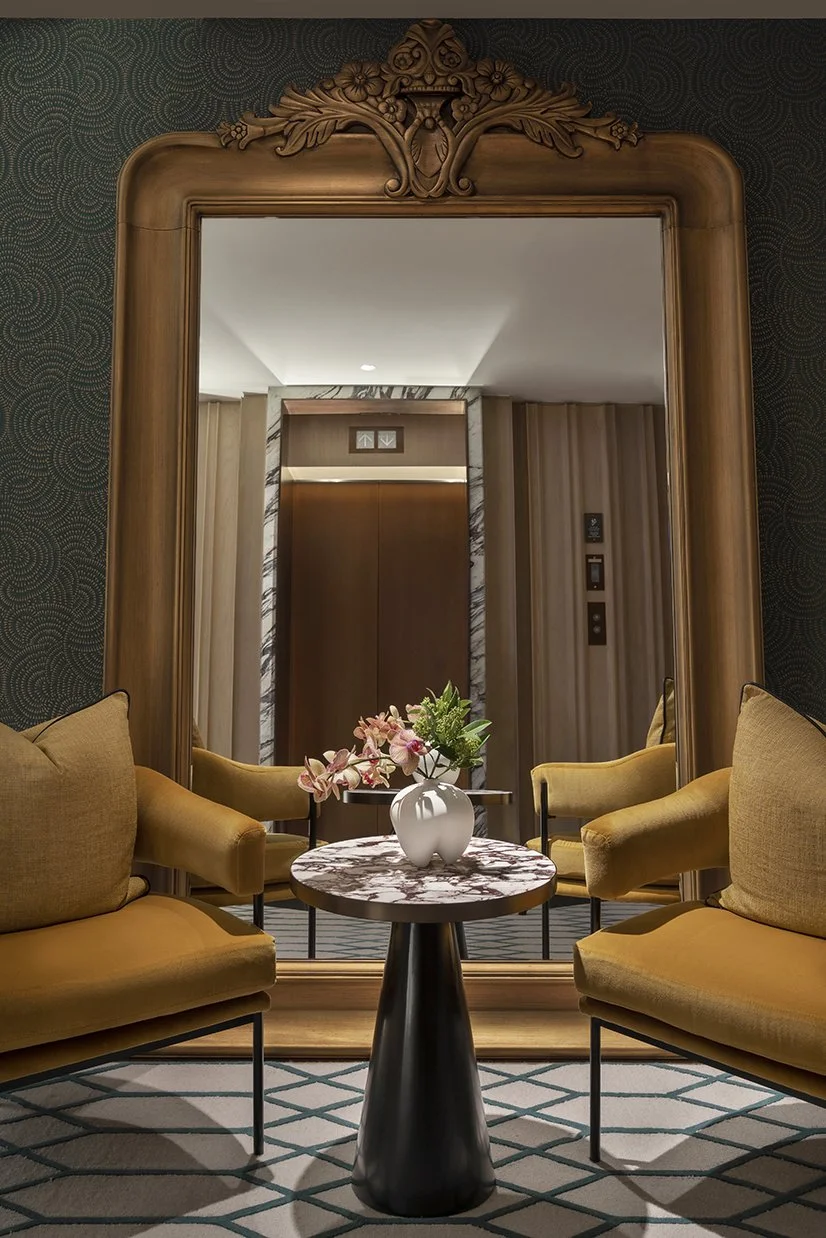
The studio’s 2026 calendar represents a high-water mark for international expansion. The year commences with the sophisticated transformation of the Intercontinental Table Bay in Cape Town, followed by a refined overhaul of the public realm at Grosvenor House Dubai.
By mid-year, the momentum shifts toward the Kingdom of Saudi Arabia, marking a definitive entry into the region's "New Era" of luxury with the debut of Four Seasons Madinah and W Riyadh. Simultaneously, the studio’s work in East Africa, a market poised as the next great growth frontier, reaches a milestone with the JW Marriott Mt. Kenya Rhino Reserve.
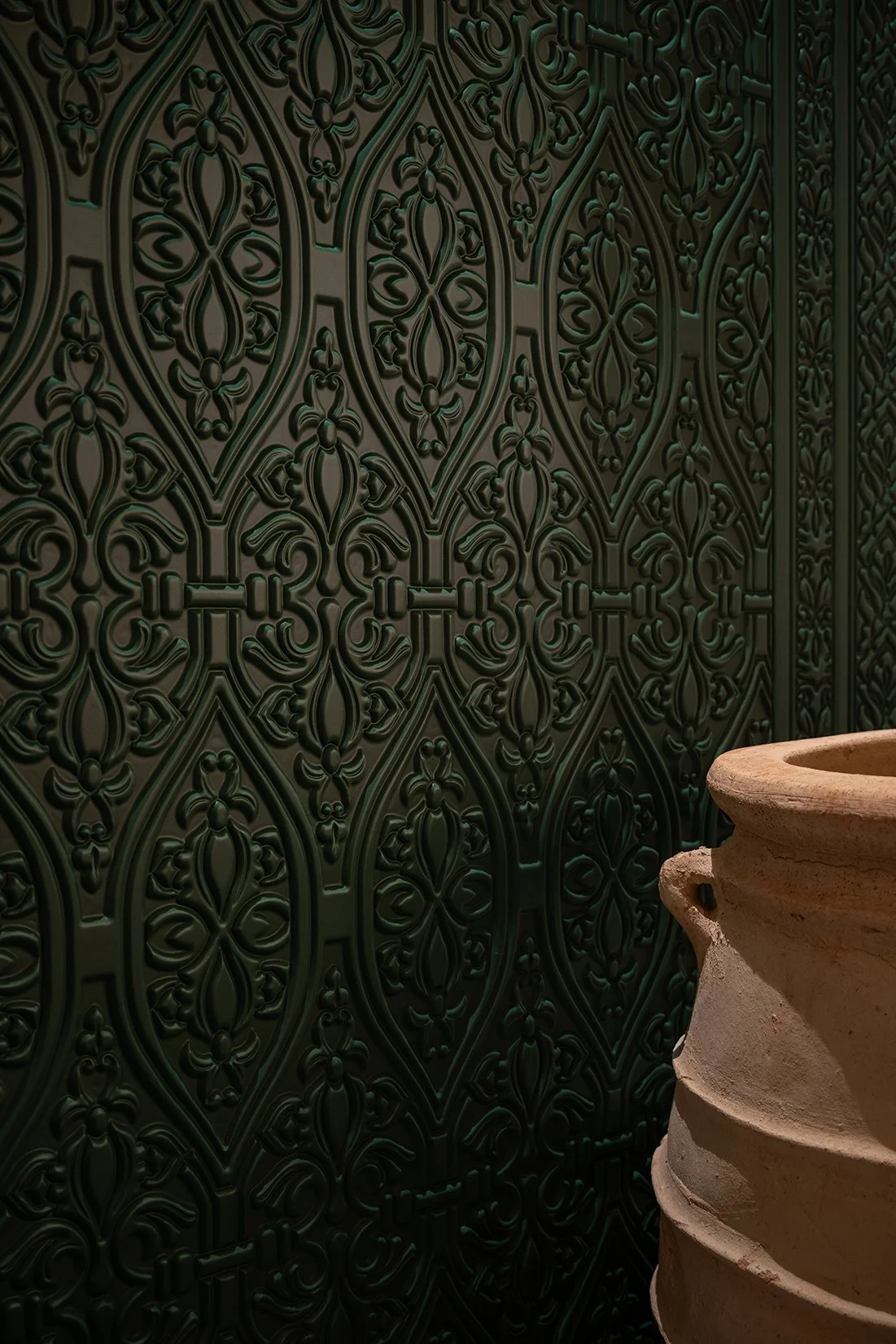
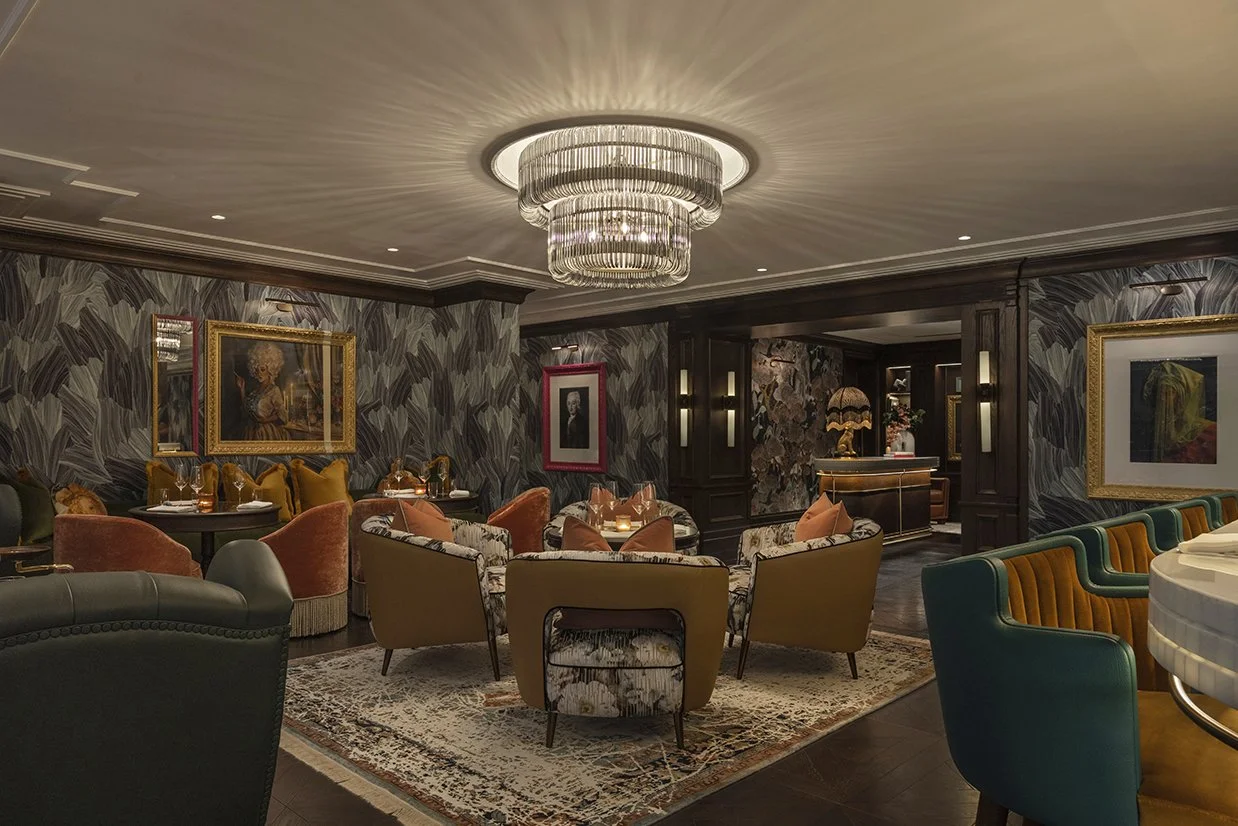
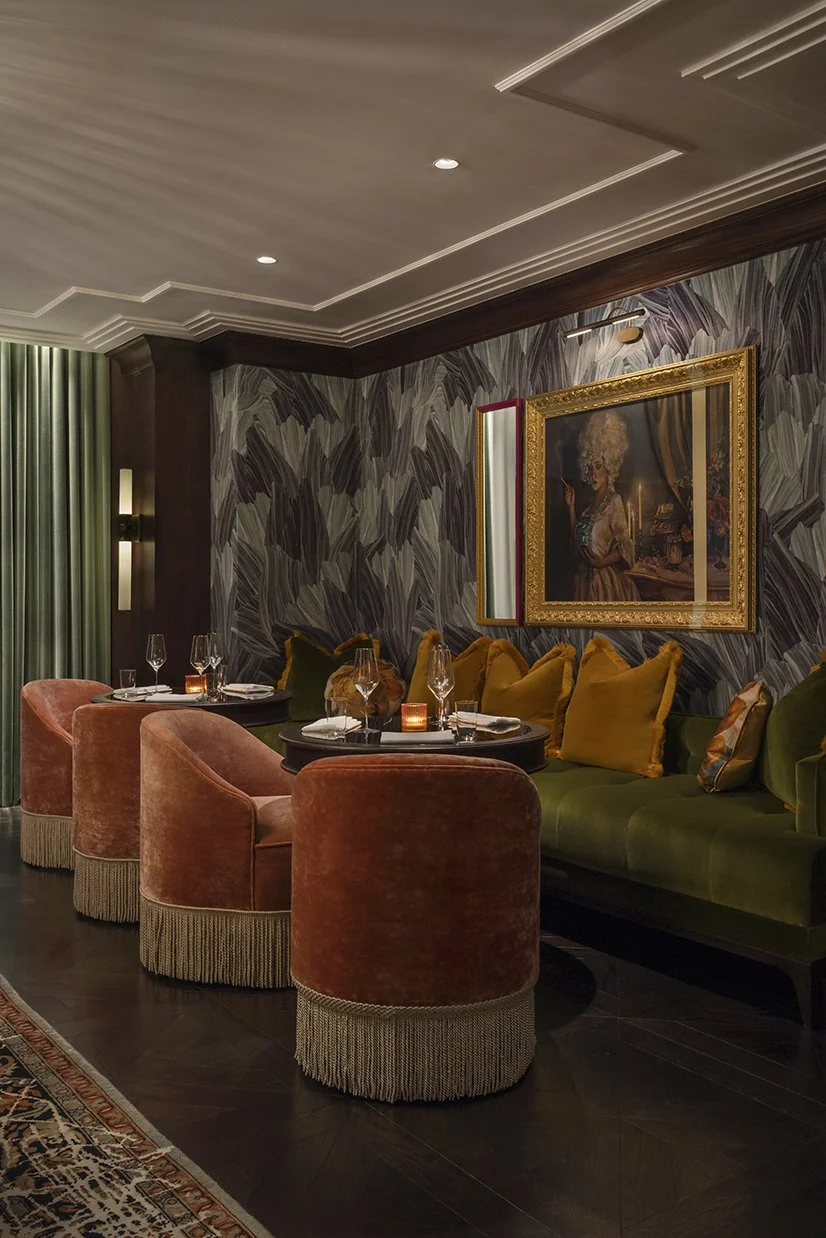
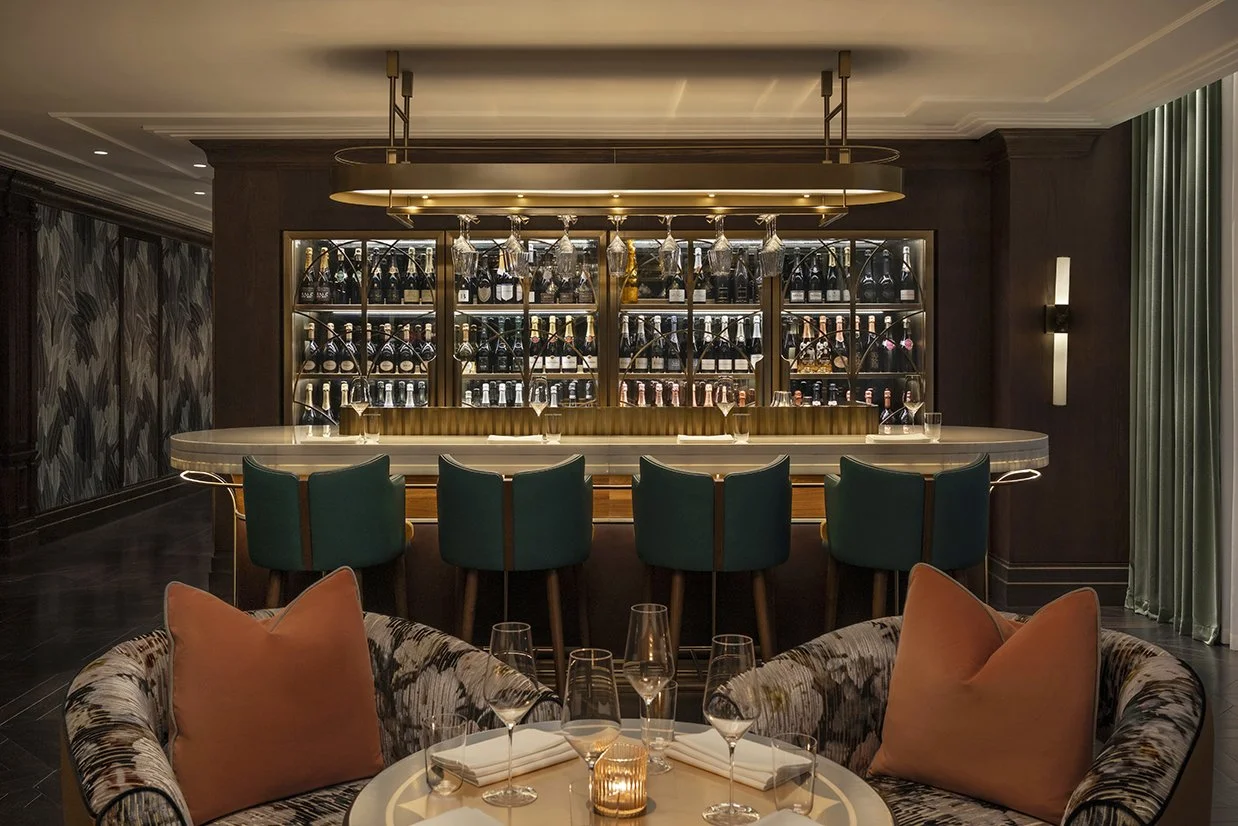
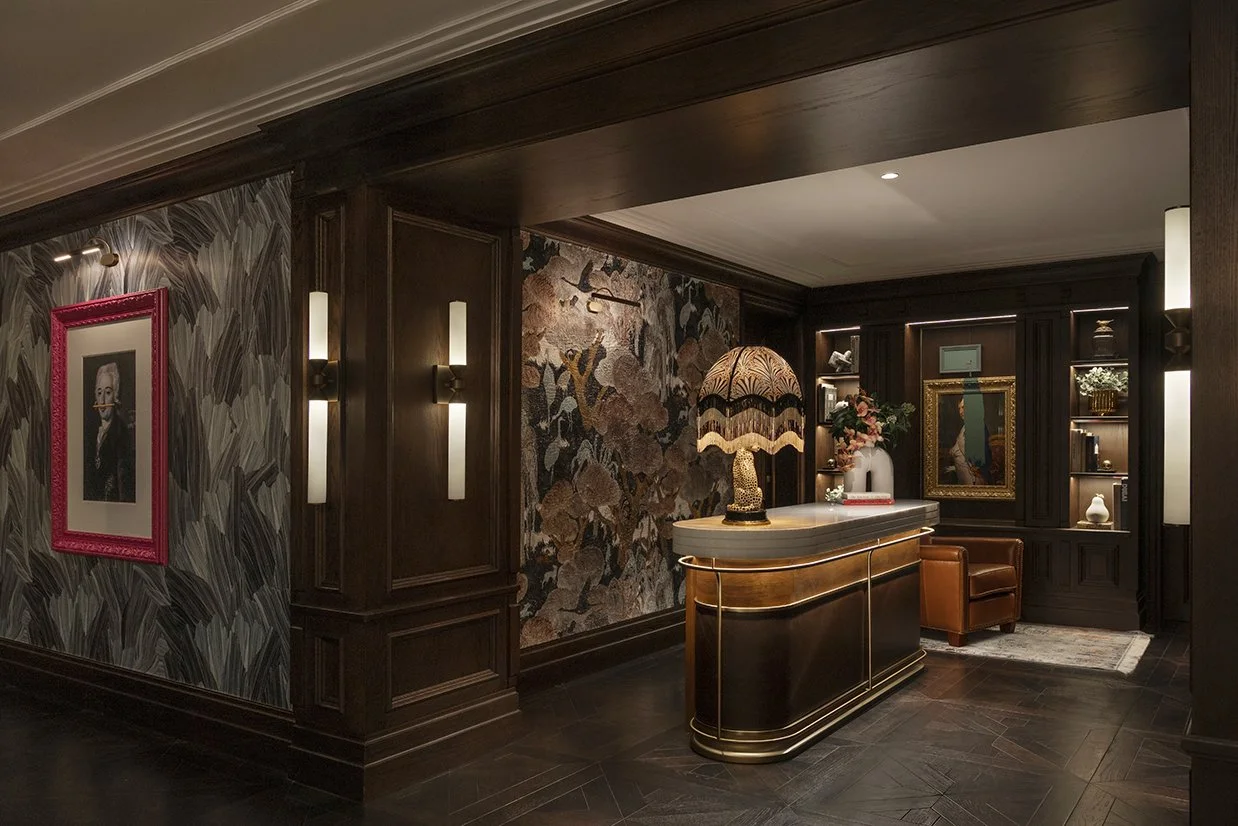
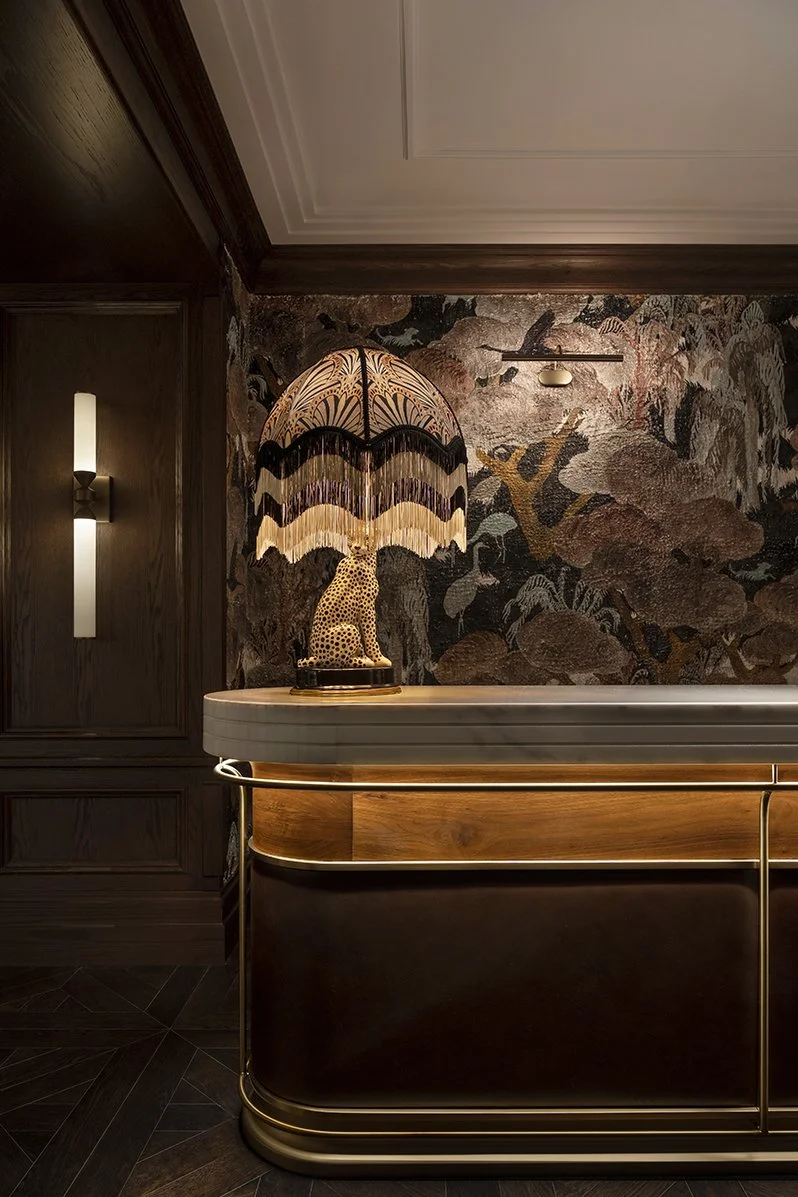
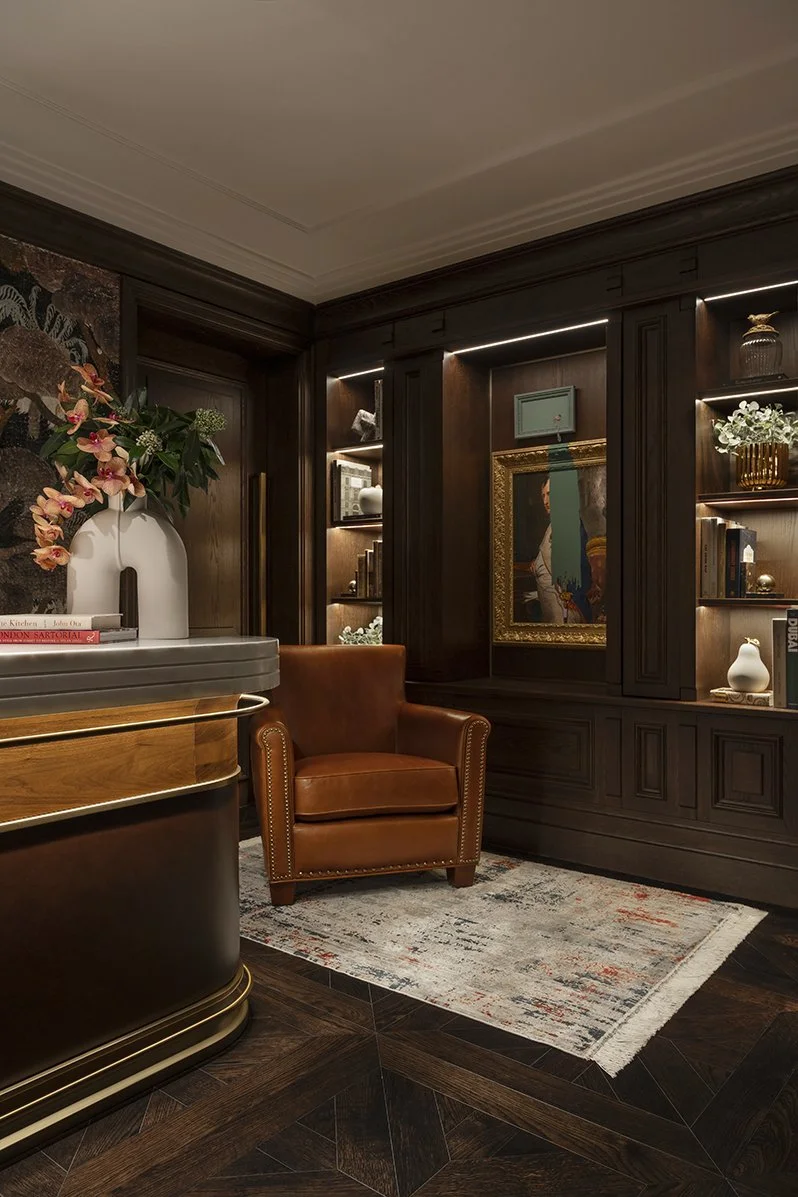
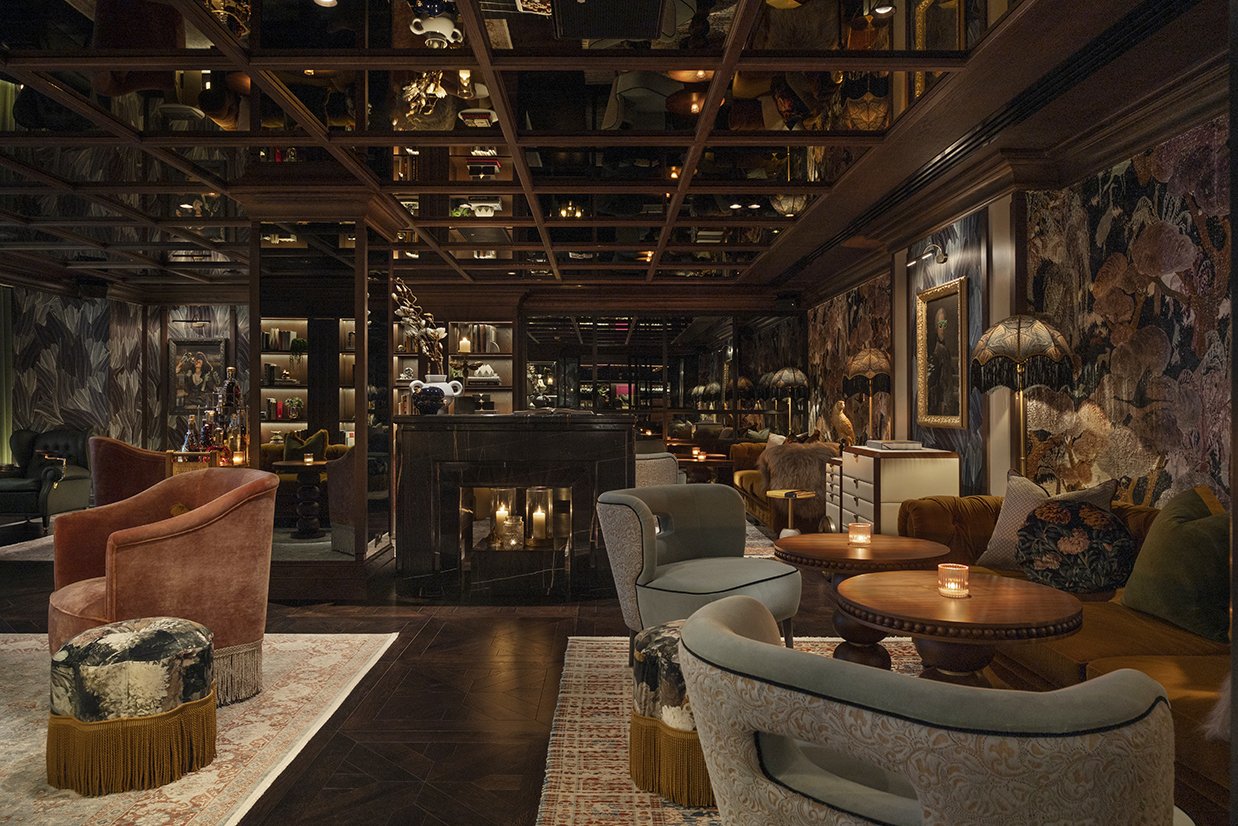
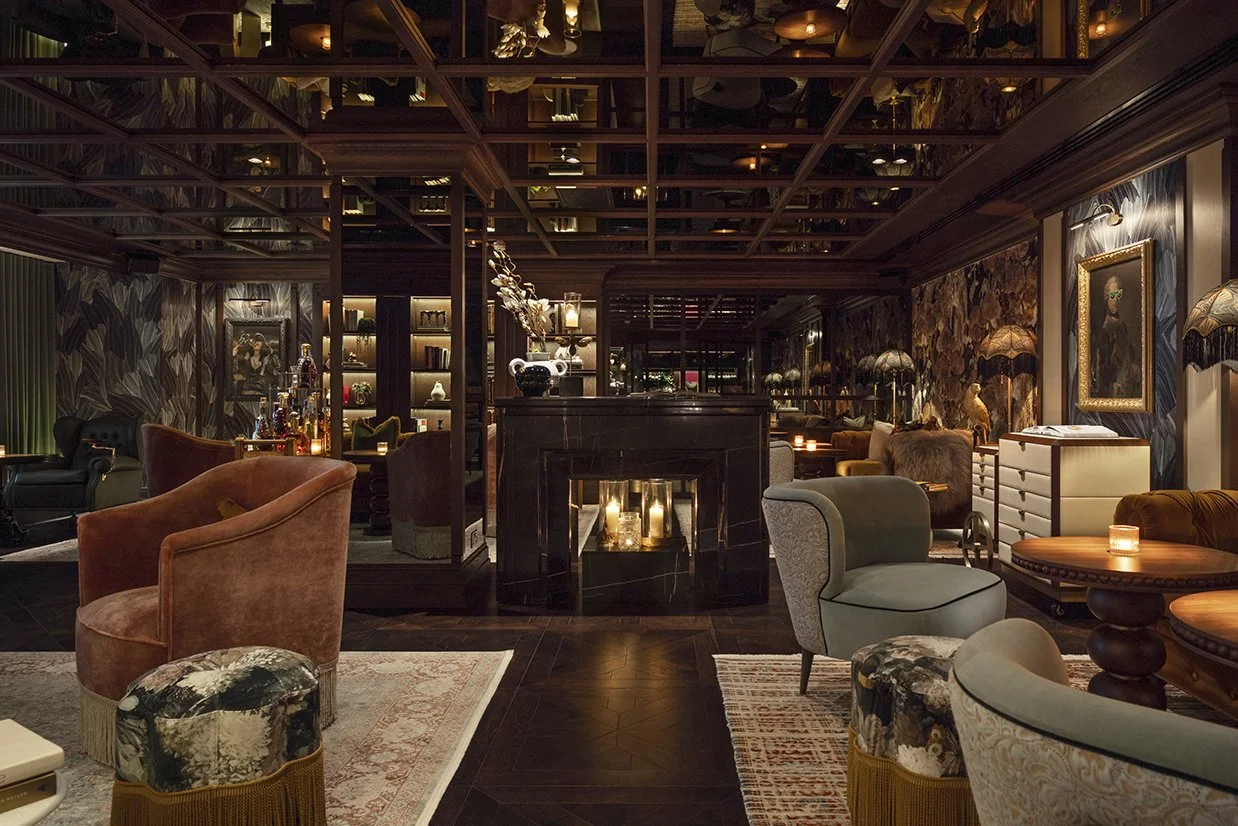
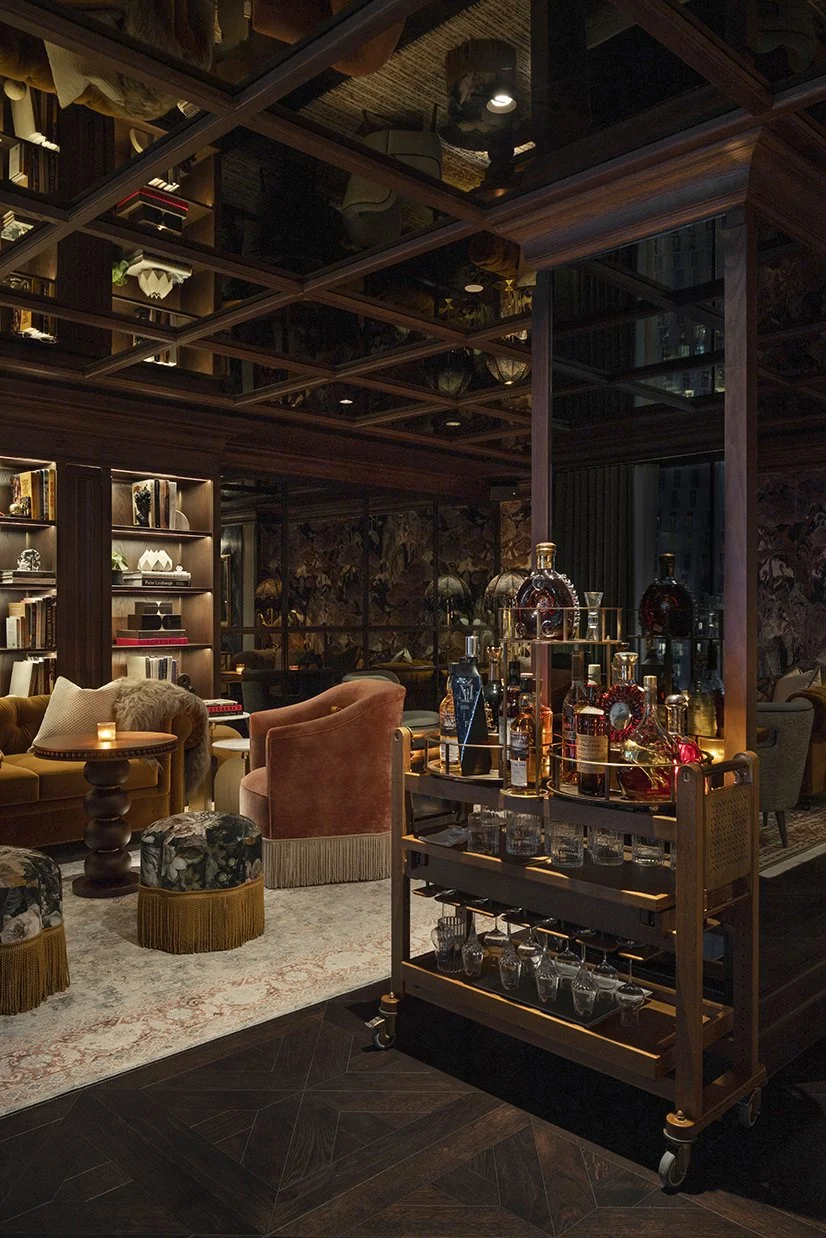
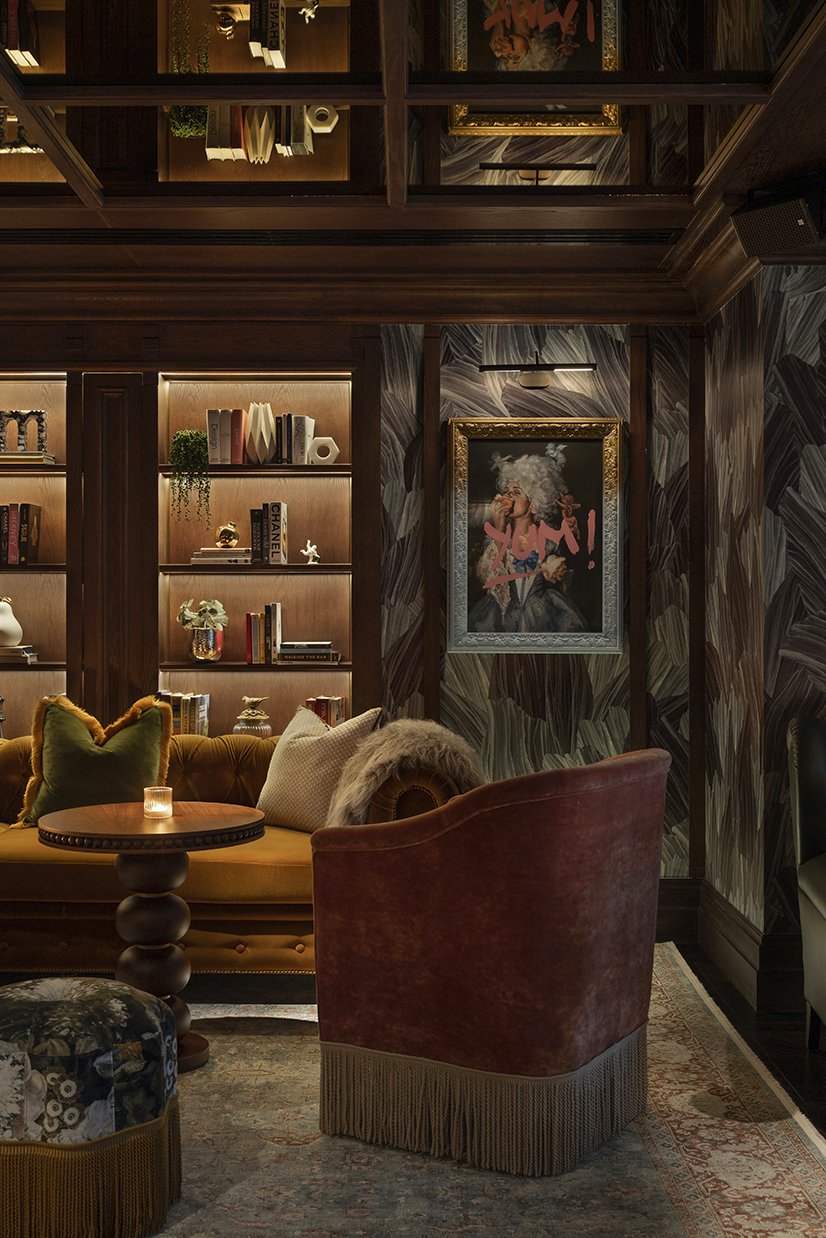
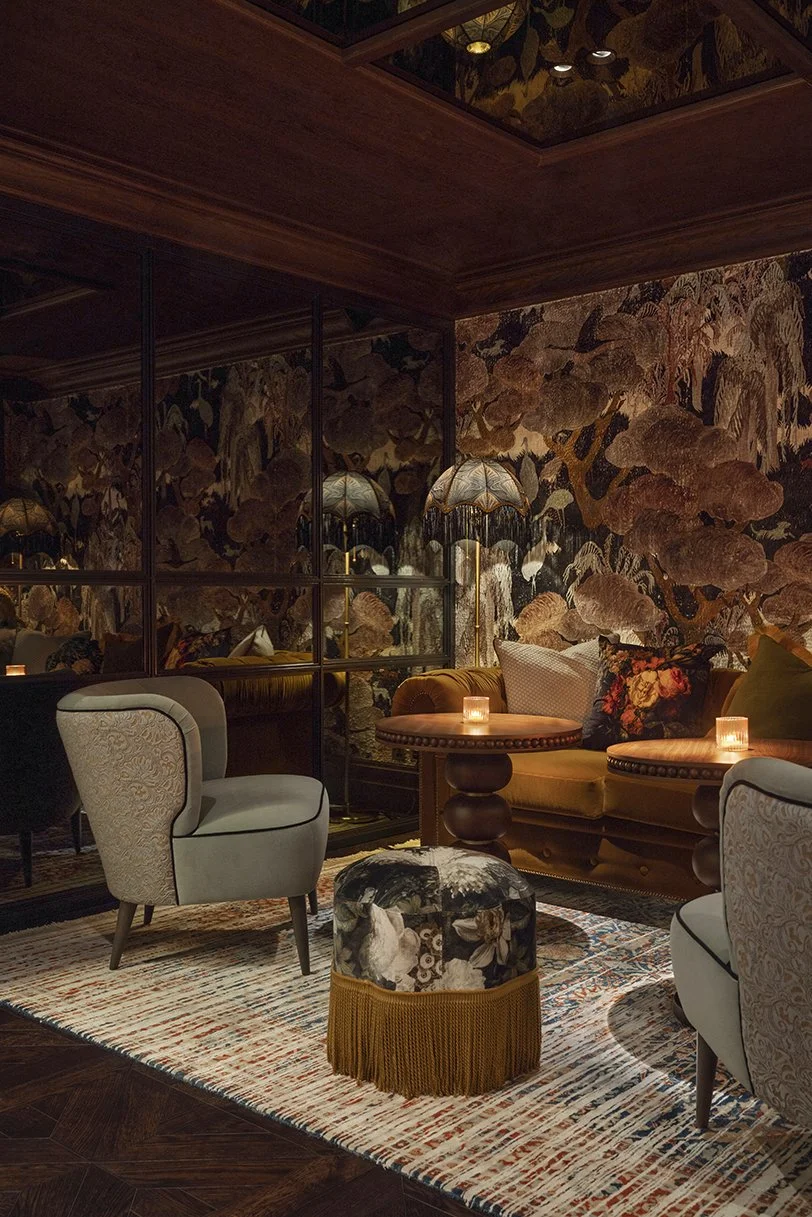
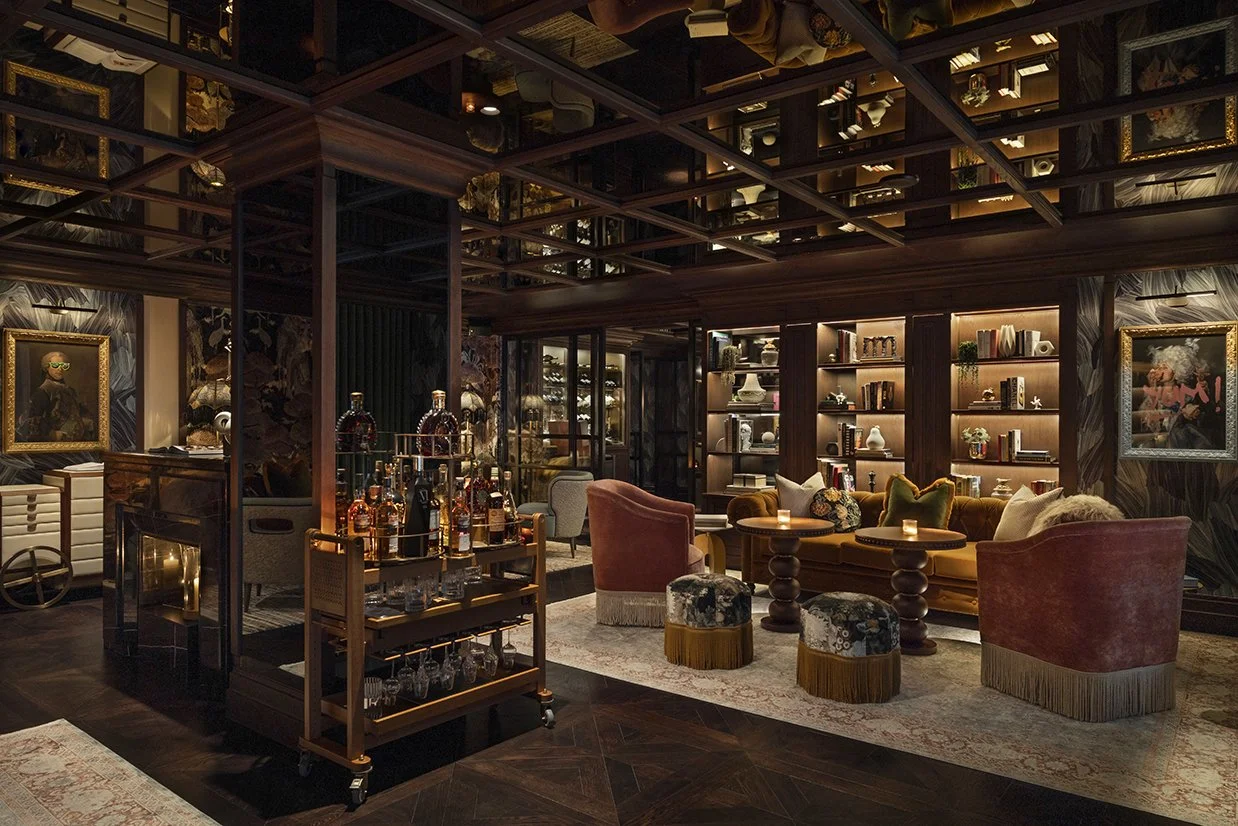
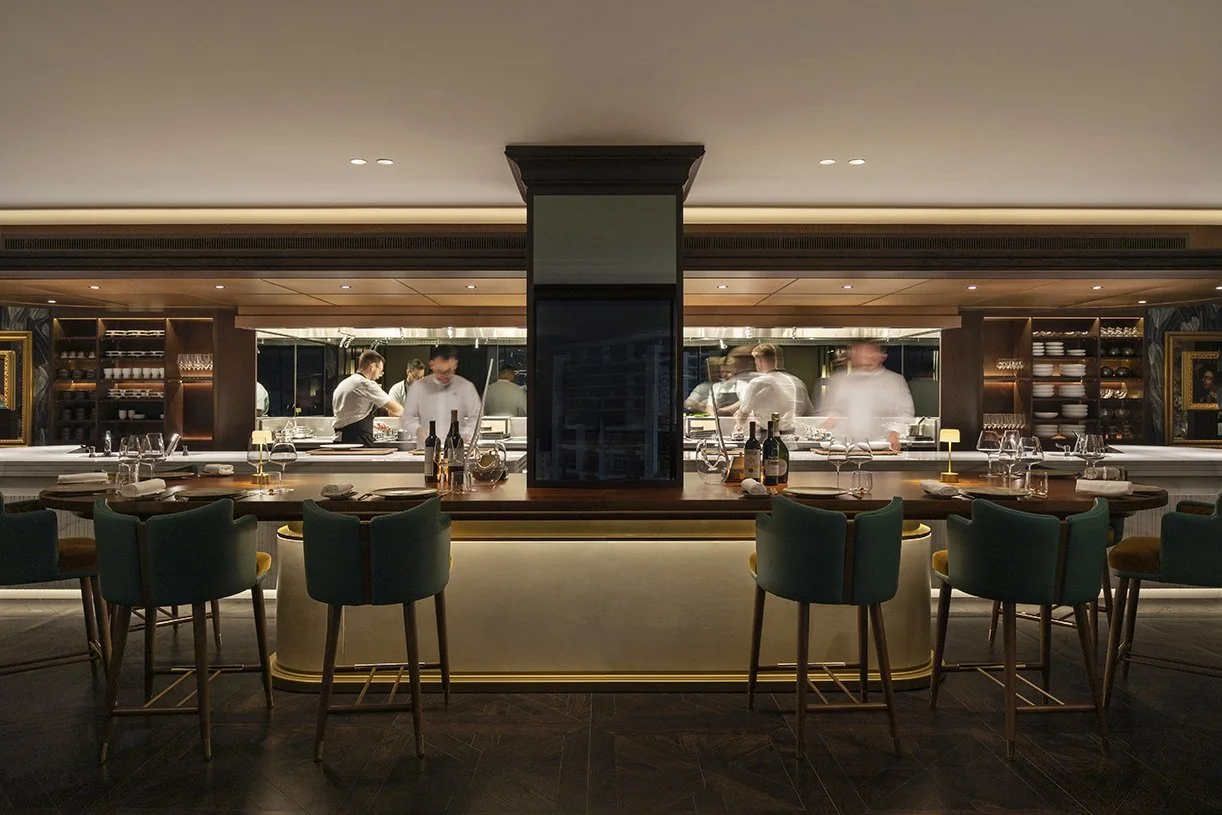
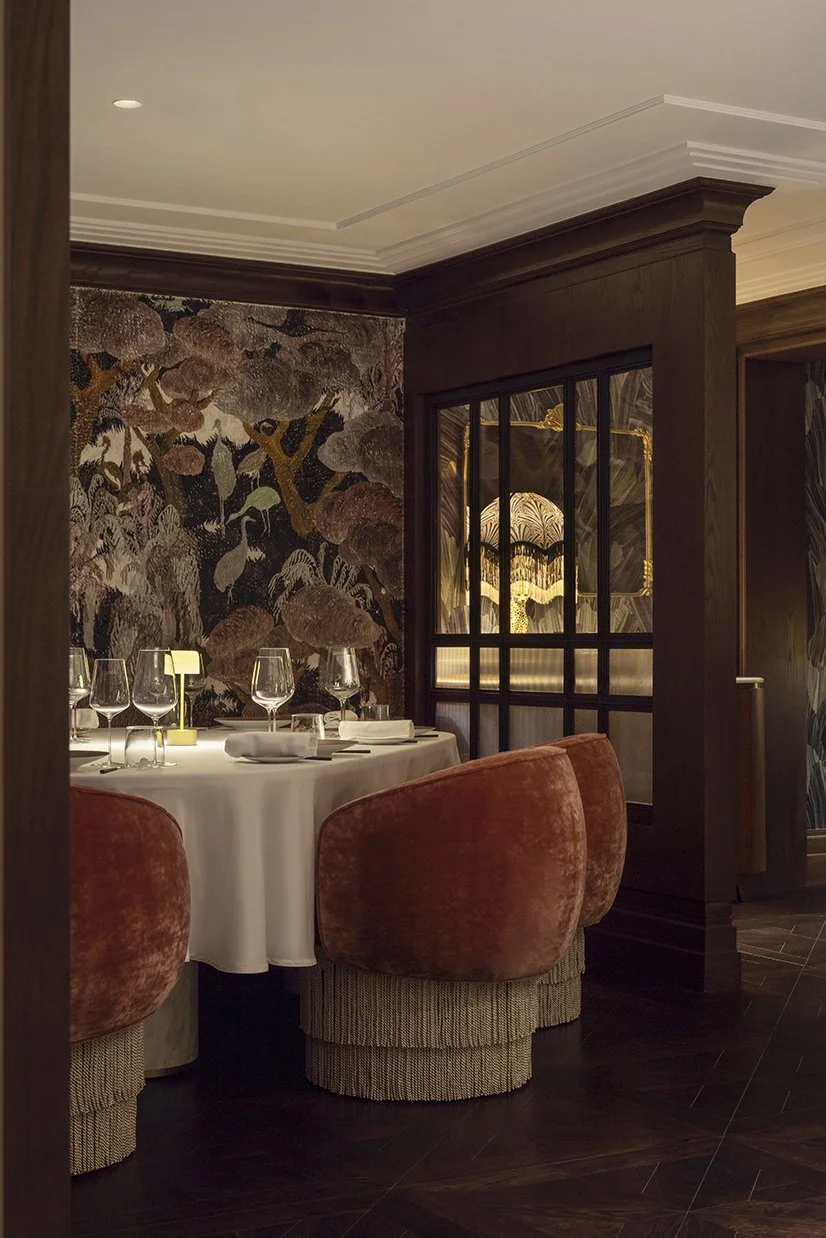
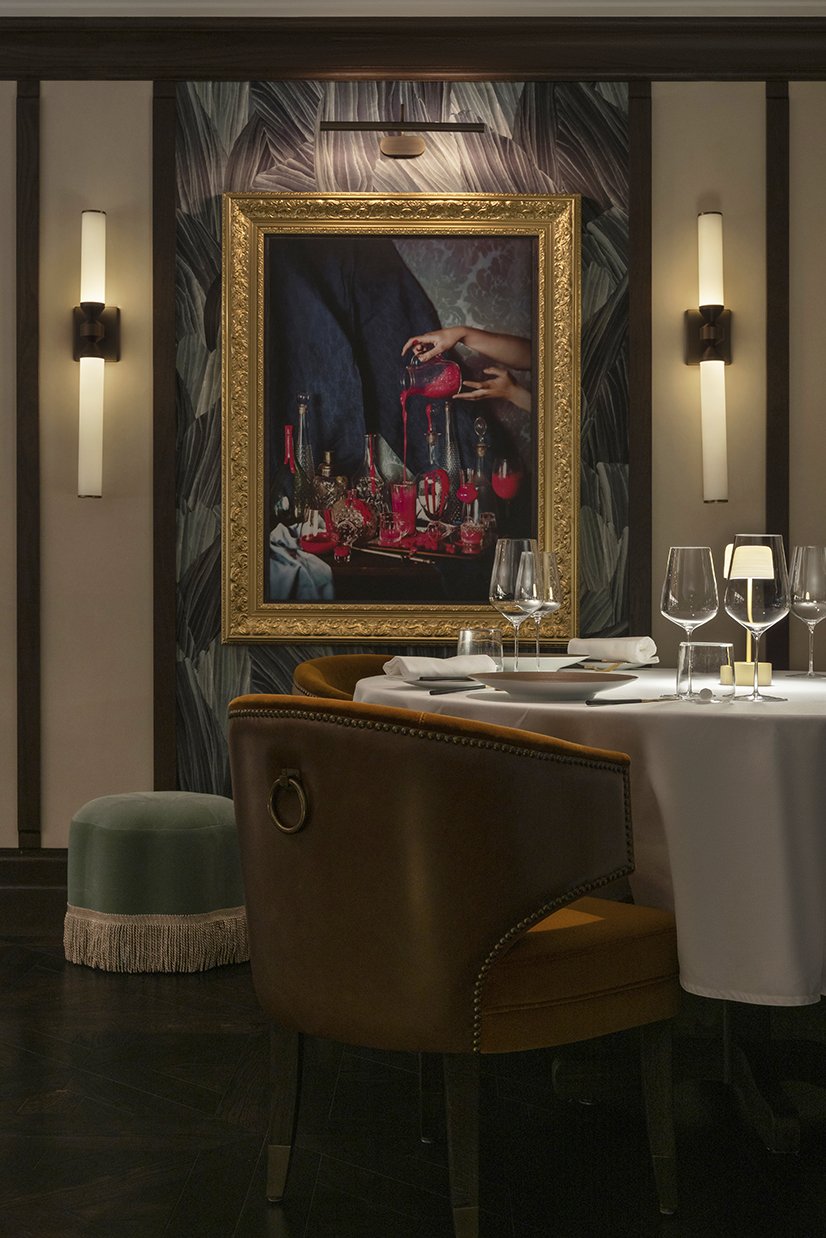
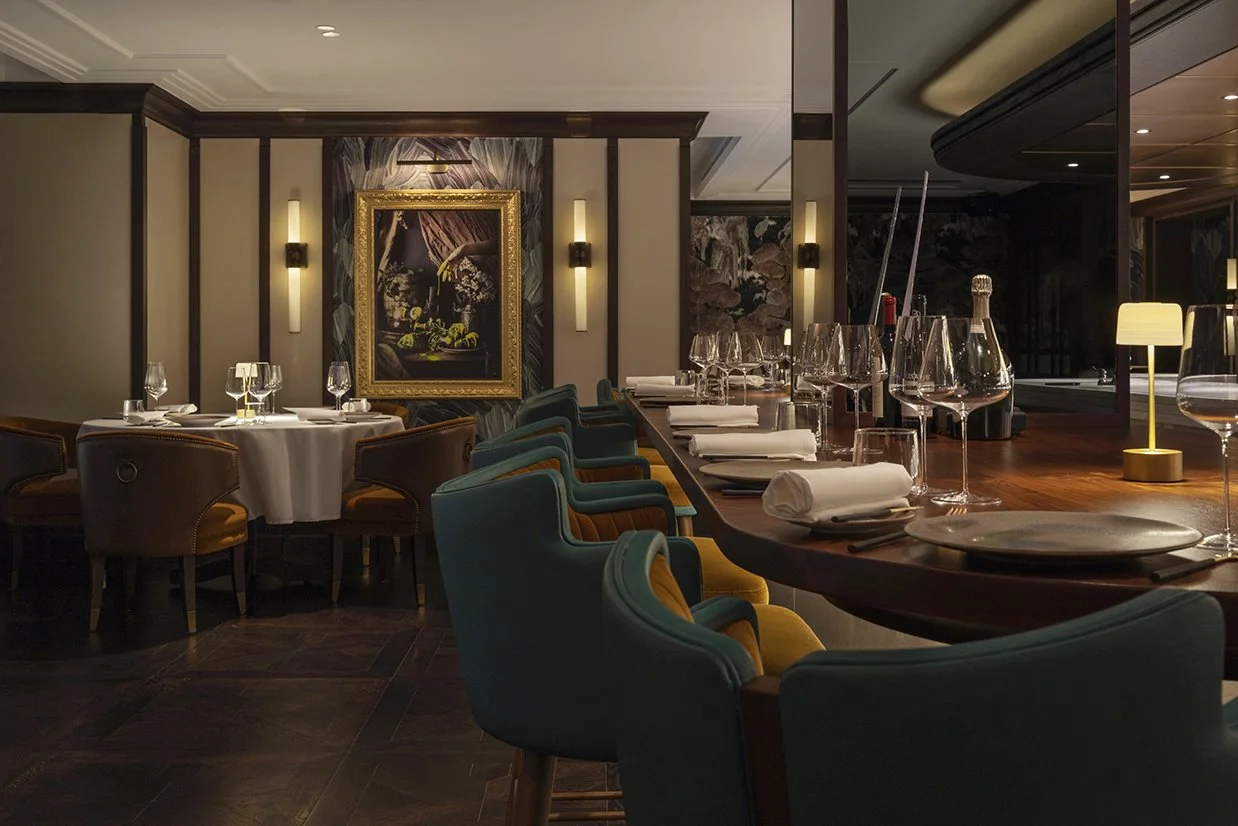
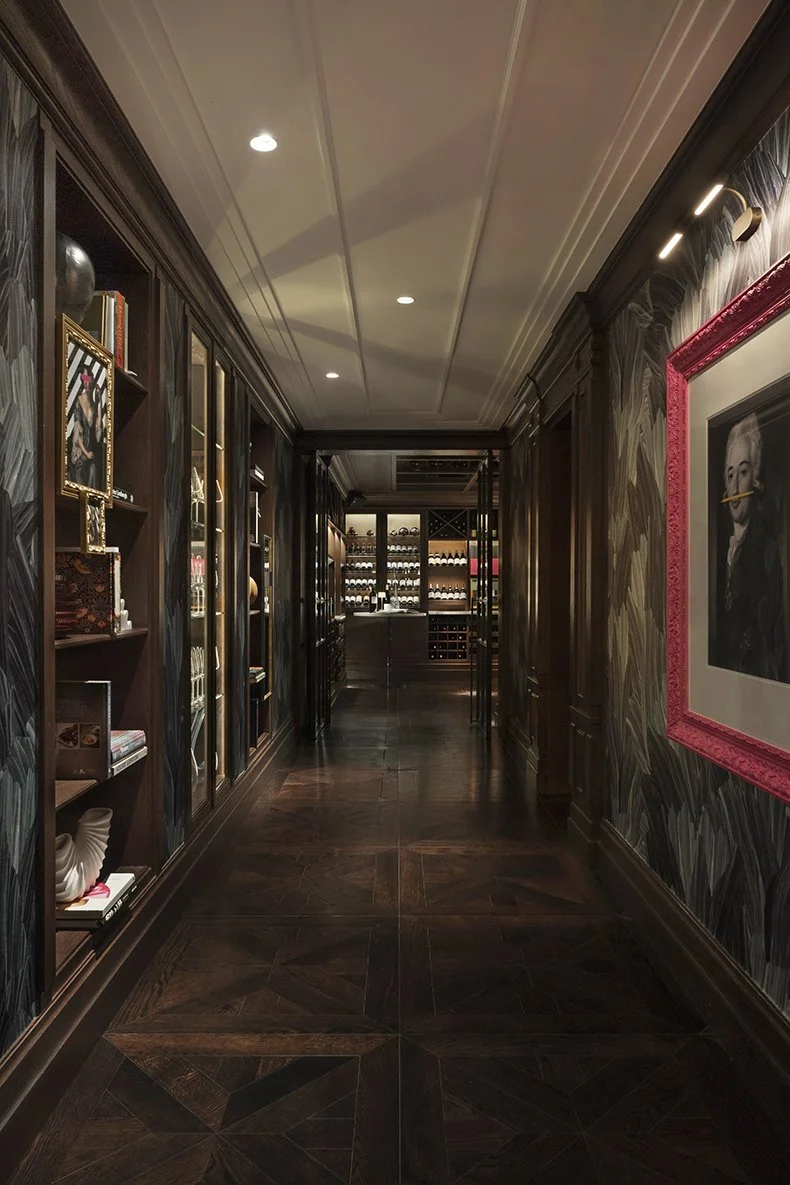
Perhaps the most avant-garde addition to the portfolio is Hotel REM in Macau. Opening in July, this all-suite concept within the City of Dreams complex is a vibrant and eclectic exercise in narrative-driven design, demonstrating that luxury in 2026 is as much about character as it is about comfort.
The Art of the Journey
As the studio’s geographic footprint expands, the core philosophy remains anchored in the art of the journey. Whether crafting a wilderness lodge in Kenya or a high-octane dining room in Toronto, the sequence of arrival and the emotional impact of transition guide the work. A wellness retreat in Malta requires a different rhythmic sensitivity than a Riyadh flagship, yet the underlying intention to foster connection and discovery remains the unwavering constant.
A Year of Realization
2026 is less about change and more about clarity. LW Design has reached a point of alignment where creative voice and global experience meet. It is a year defined by a borderless mindset, one that treats every project not as a regional task, but as a contribution to a global conversation on how we live, dine, and rest.
Where Design Reconnects People, Plants, and the Urban Landscape - House, designed by Jindesign Co., Ltd.
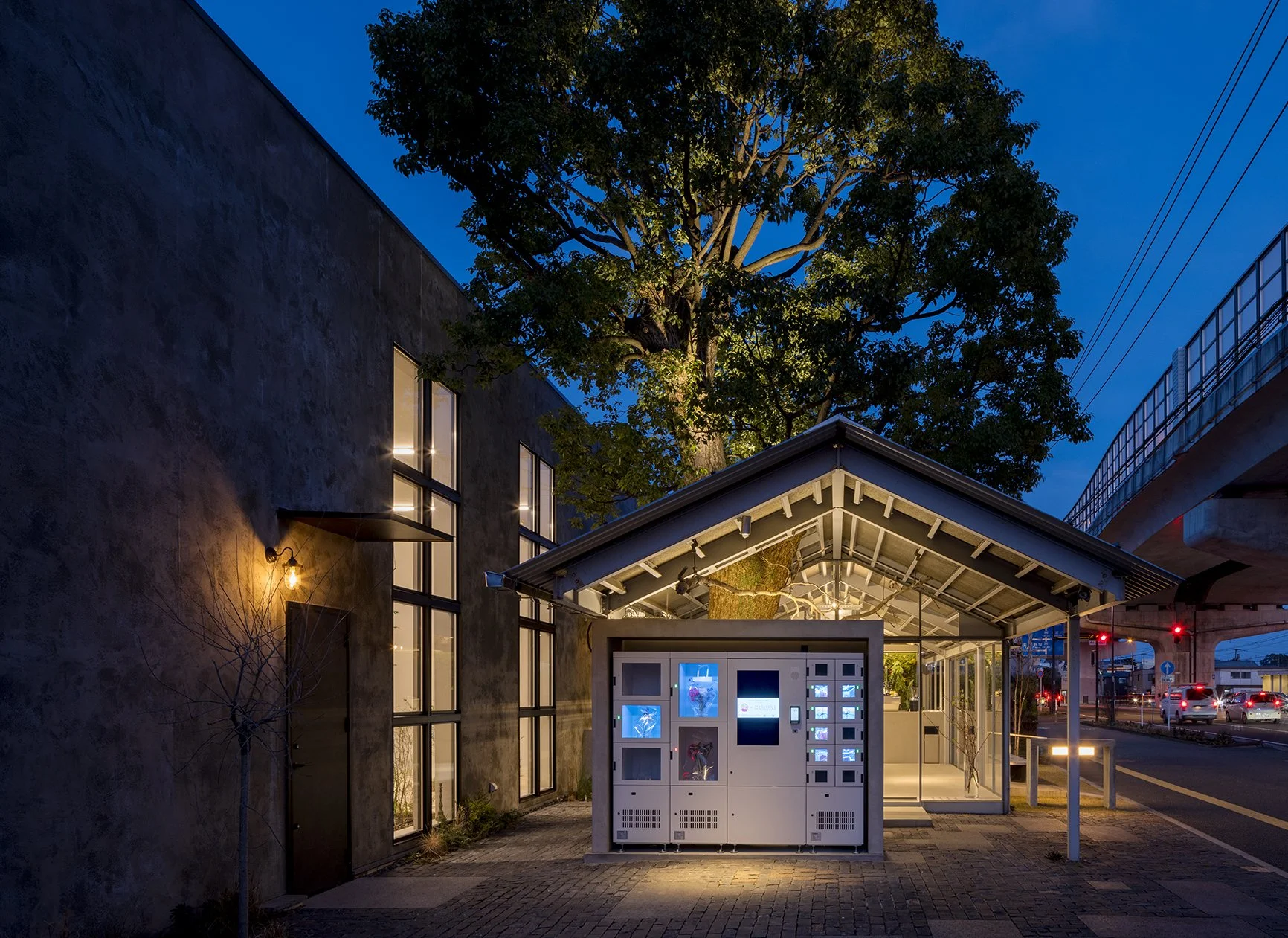
“House” designed by Jindesign Co., Ltd. from Japan. This project reimagines a functional roadside site as a walkable, lifestyle-oriented environment where architecture, landscape, and daily life intersect. By celebrating irregular plant forms and allowing greenery to shape movement and experience, the design reframes nature as an active presence rather than a backdrop. More than a building, it operates as a small urban landscape, offering a place for gathering, pause, and connection within the rhythm of the city.
In an industry often defined by conformity, where only straight-stemmed, perfectly shaped plants are favored, this project boldly champions a different vision. Here, beauty is found in the unexpected: bent trunks, asymmetrical growth, and those plants typically overlooked by the market are celebrated as central figures. The client’s philosophy turns away from conventional horticultural standards, placing character, resilience, and individuality at the very heart of the enterprise.
Situated along a major artery of logistics and distribution, the project emerges as a lifestyle destination where nature is seamlessly woven into the fabric of daily life. The complex unites a flower shop, retail space, café, plant showroom, and a spacious event hall under one vision. Rather than dividing commerce from experience, the architecture elevates plants as vibrant, living presences, inviting visitors to pause, observe, and rediscover the vitality of the natural world.
The design is rooted in the thoughtful renewal of an existing glass-gabled structure, complemented by the addition of a new building to the rear. In the original building, openness and visual continuity take precedence. Superfluous interior elements are stripped away, and external equipment is relocated, unveiling the full potential of the glass façade. The result is an environment of transparency and effortless flow, where sightlines are uninterrupted and movement feels intuitive. Children wander freely while remaining visible, fostering a sense of security and openness. Outside, a gently sloping lawn merges with the sidewalk, dissolving boundaries and welcoming visitors with a sense of ease.
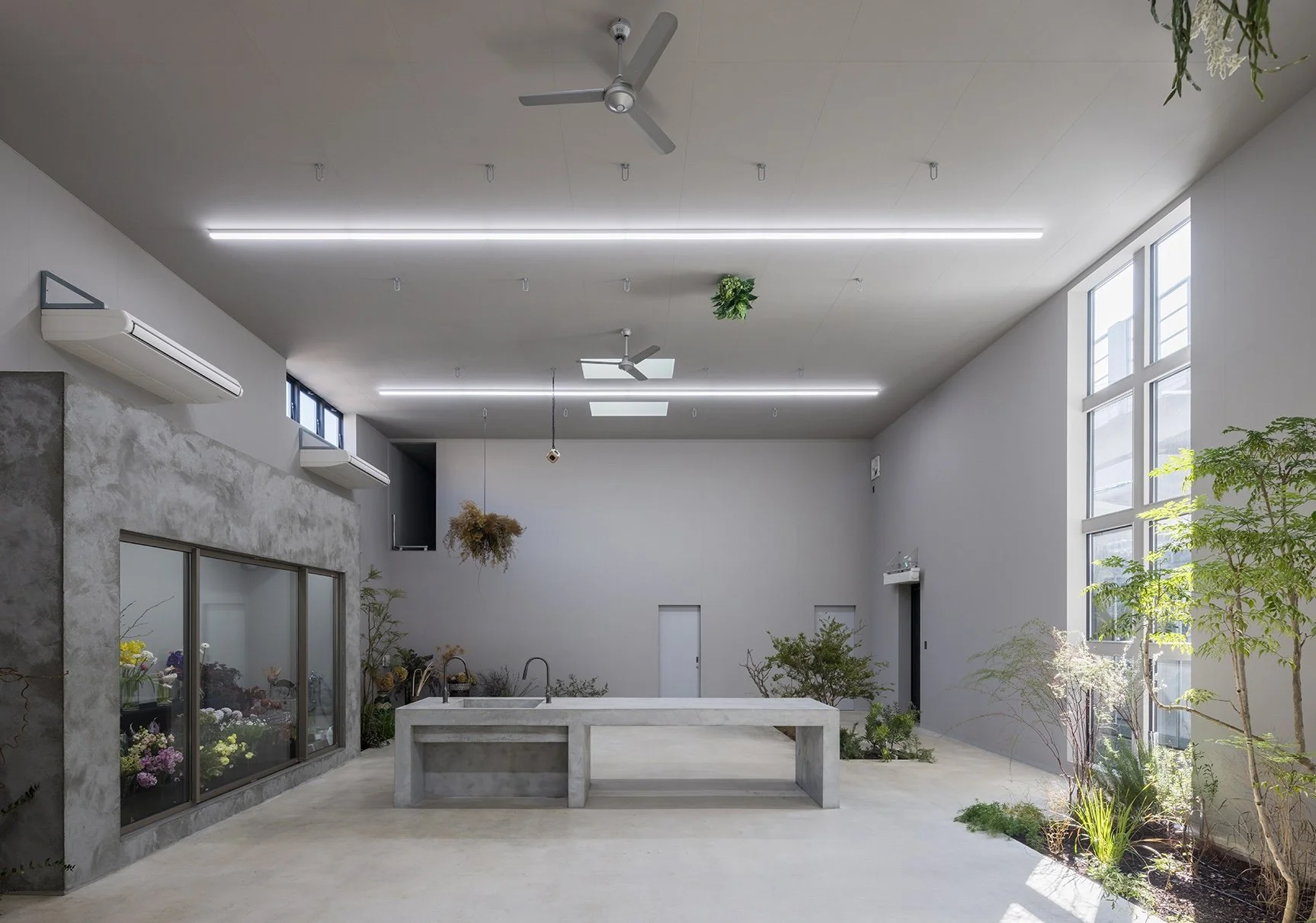
In contrast, the new building adopts a restrained, linear architectural vocabulary. Crafted from natural materials and shaped by a philosophy of subtraction, it serves as a tranquil backdrop to a symbolic camphor tree, a living centerpiece radiating presence and vitality. The building’s low profile harmonizes with the surrounding residential landscape, while its interior unfolds as an expansive, hall-like space. A subtle palette of soft, light greys allows the greenery to command attention, affirming the architecture’s role as a quiet frame rather than a dominant object.
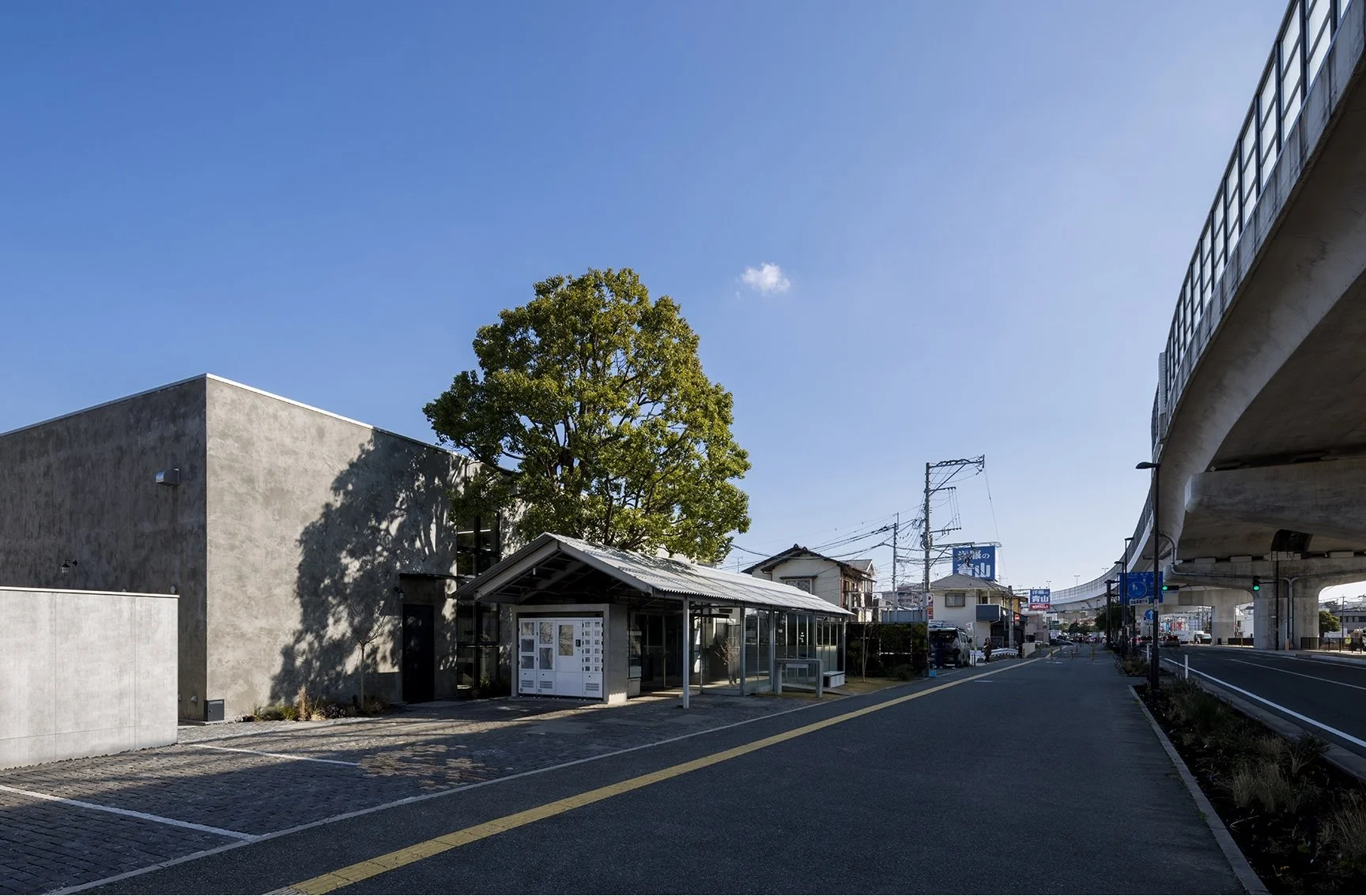
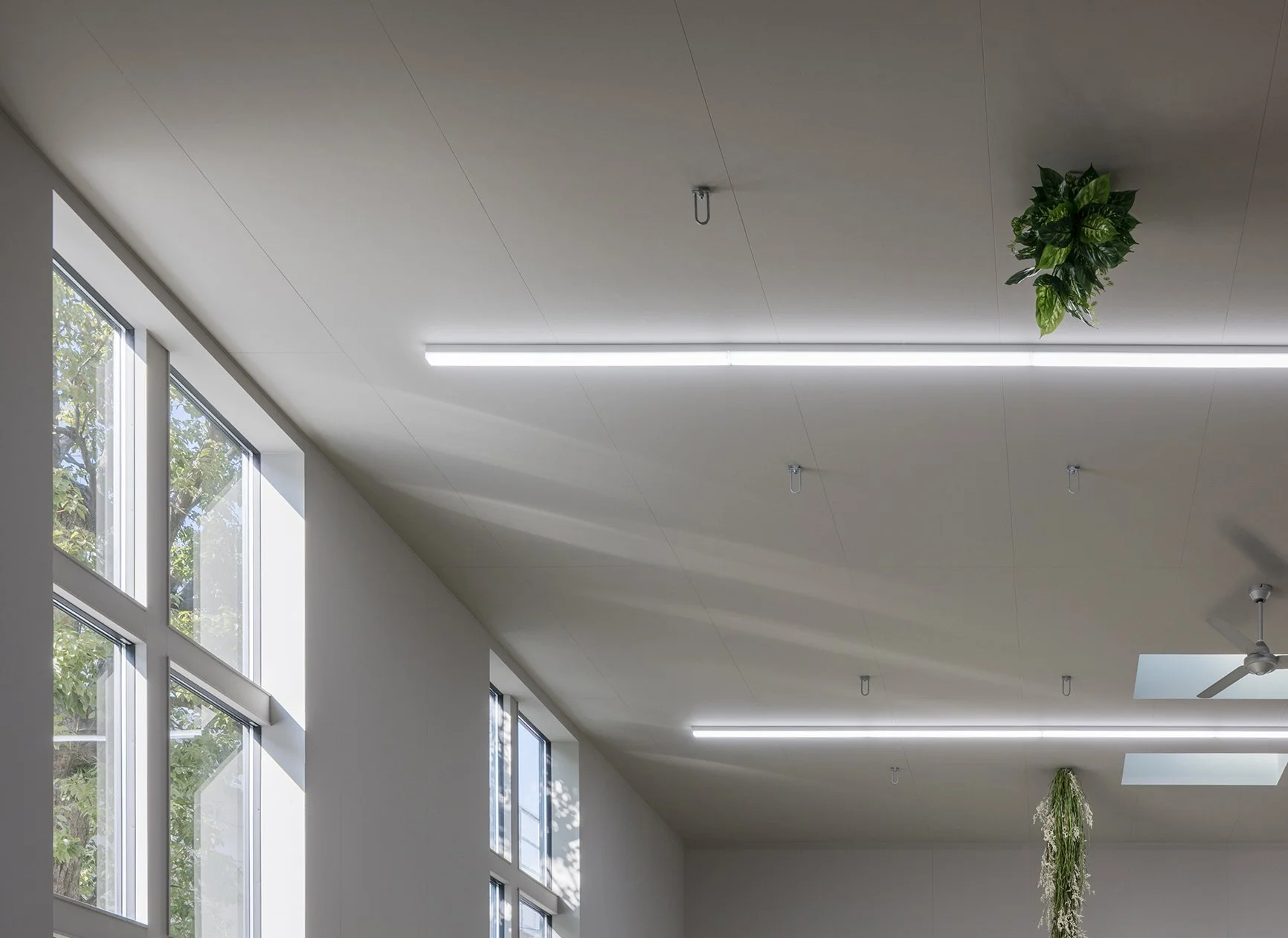
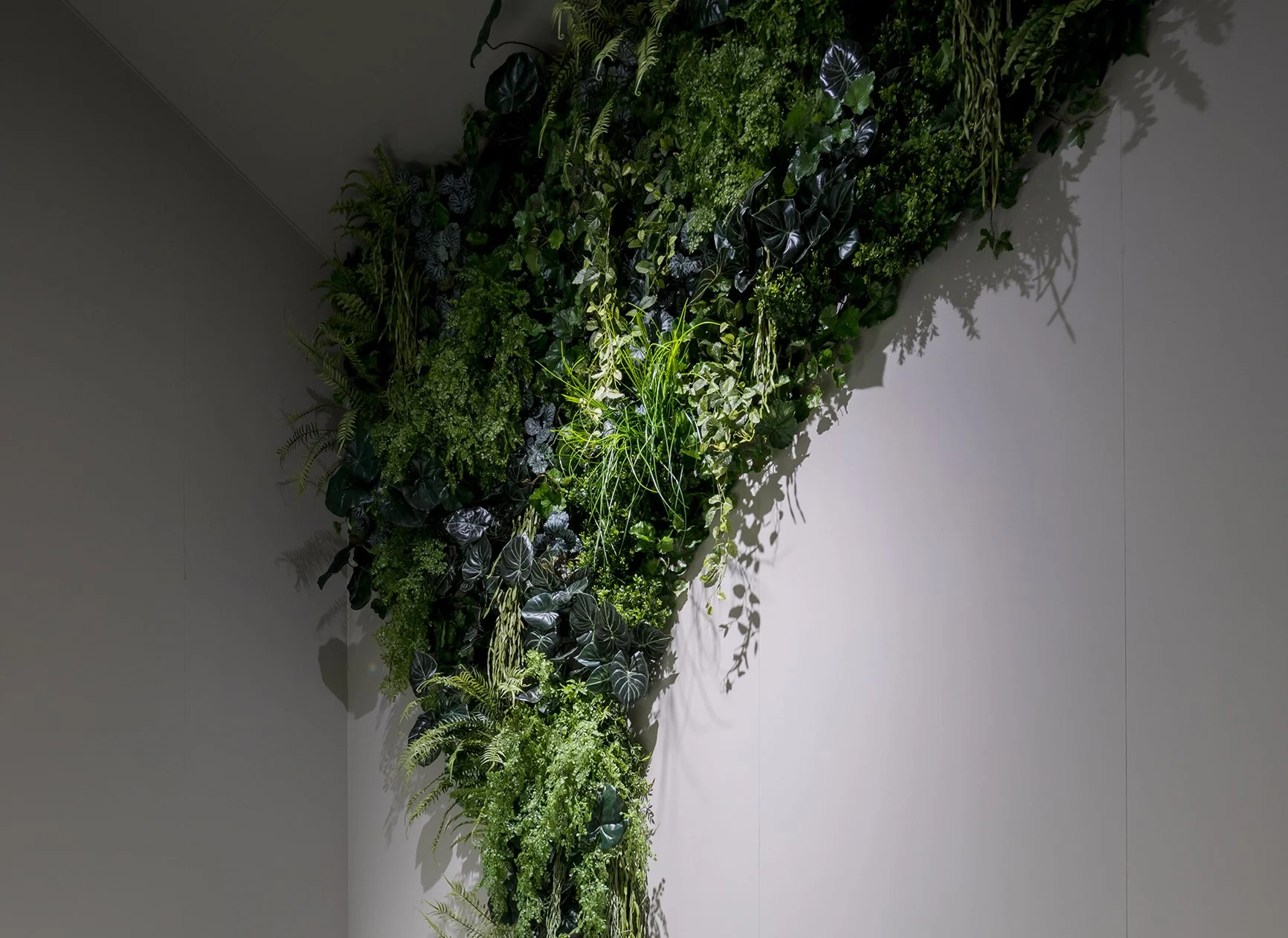
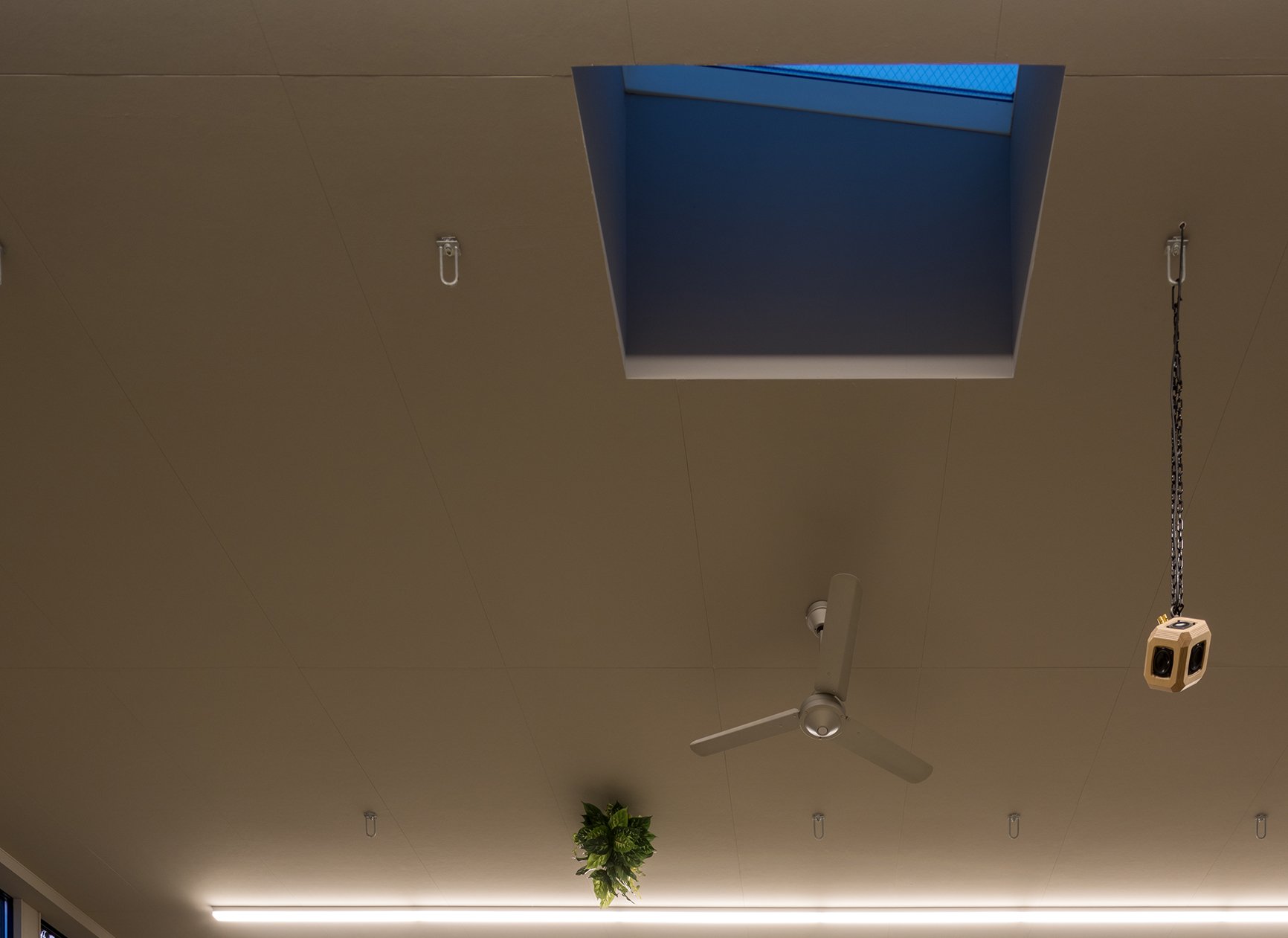
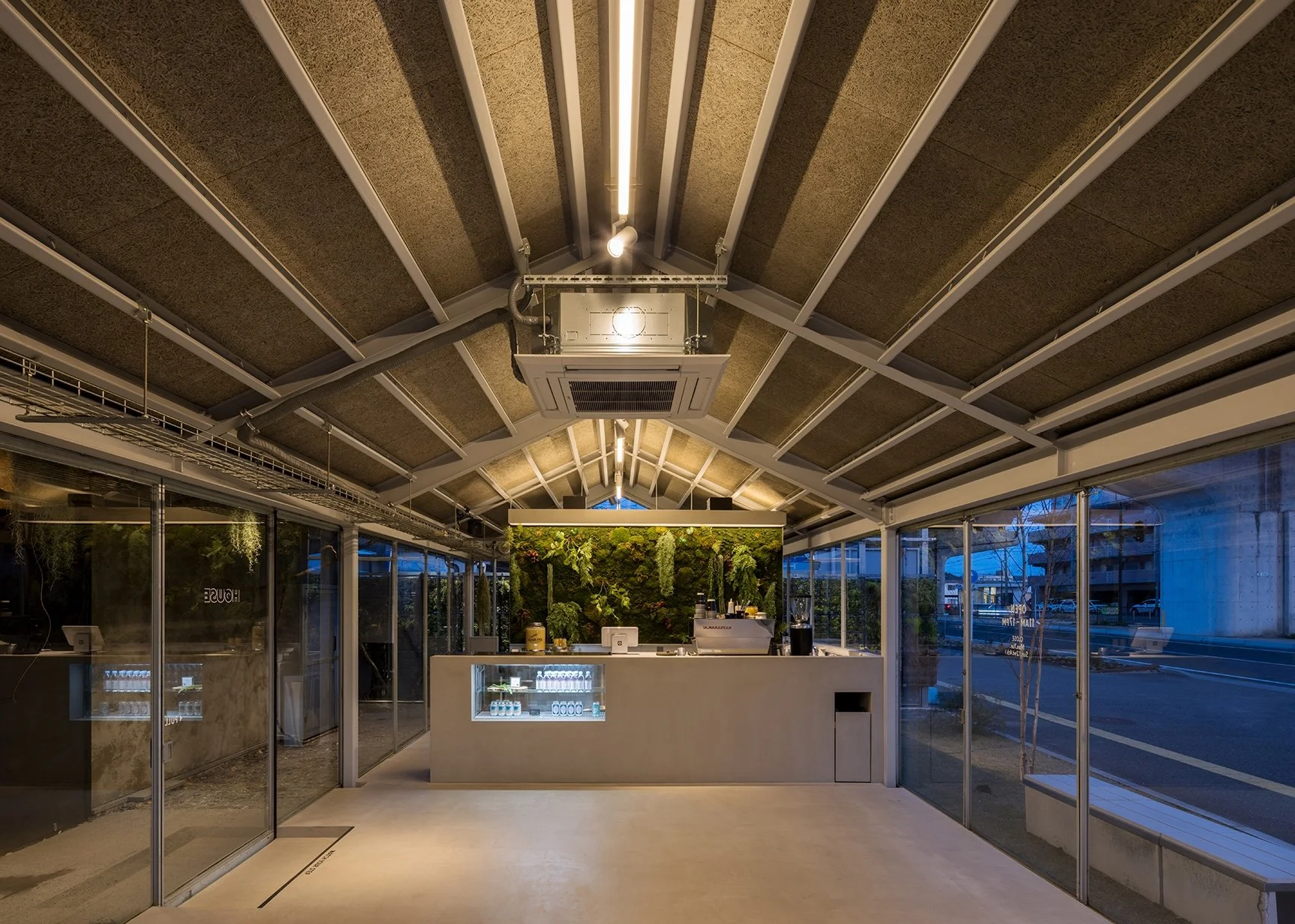
Between the two buildings, a narrow passageway serves as both connector and sanctuary. Protected from the elements, this outdoor corridor offers a tranquil pause, subtly guiding visitors across the site. The closely positioned entrances foster a seamless flow, reinforcing the walkable and human-scaled spirit of the complex. Beyond its architectural clarity, the project carries its philosophy into the urban realm. The client, personally planting perennial greenery along the sidewalk, allows the landscape to spill beyond property lines and into the city. This simple yet powerful act transforms the site from an isolated destination into a vibrant participant in the community. Further reflecting this ethos, the client proudly serves as an ambassador for Fukuoka City’s One Person, One Flower initiative.
Through a harmonious integration of architecture, landscape, and vision, this project transcends its commercial purpose. It emerges as a semi-public indoor park, a gathering place for families, a sanctuary where nature is observed rather than controlled, and a setting where design gently redefines beauty, value, and the rhythms of everyday life.
Designing a Place Where Nature, Daily Life, and the City Converge
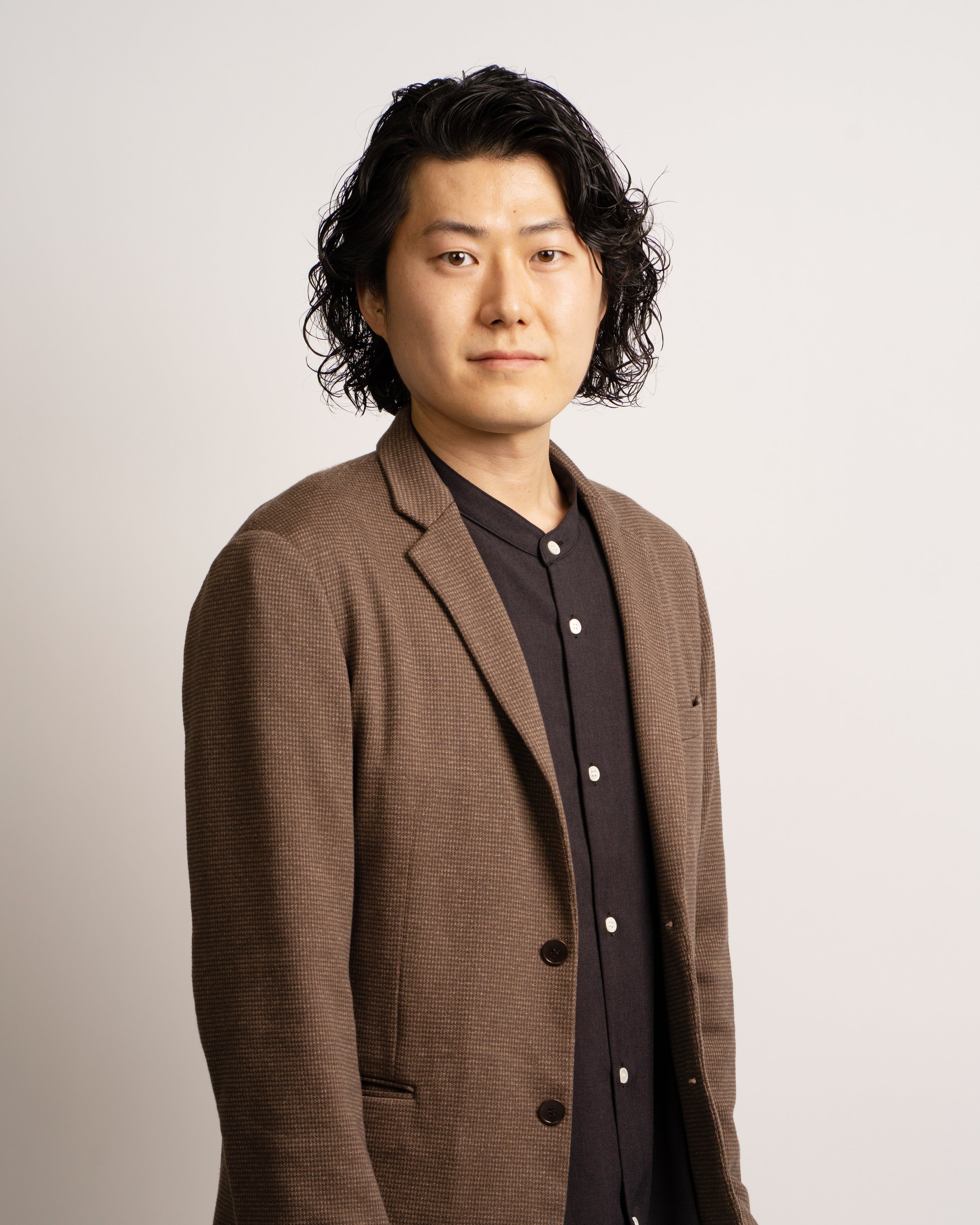
Toyotaka Aoki
Graduated from Kyushu University in 2009, received a master’s degree from Kyushu University in 2011. In 2016, Aoki established his firm, Jindesign Co., Ltd., which is composed of architects, lighting designers and graphic designers. He has worked on a variety of projects in Japan and China, including commercial facilities, housing complexes and medical facilities, as well as public structures. Since 2012, the Fukuoka Architecture Foundation has served as a platform for another architectural activity: introducing and sharing the values of local architecture with the general public.
Designed by Jindesign Co., Ltd. (Japan)
Sky Design Awards 2025 — Bronze Winner, Architecture Division
Jindesign Co., Ltd. (Japan) website: https://www.jindesign.co.jp
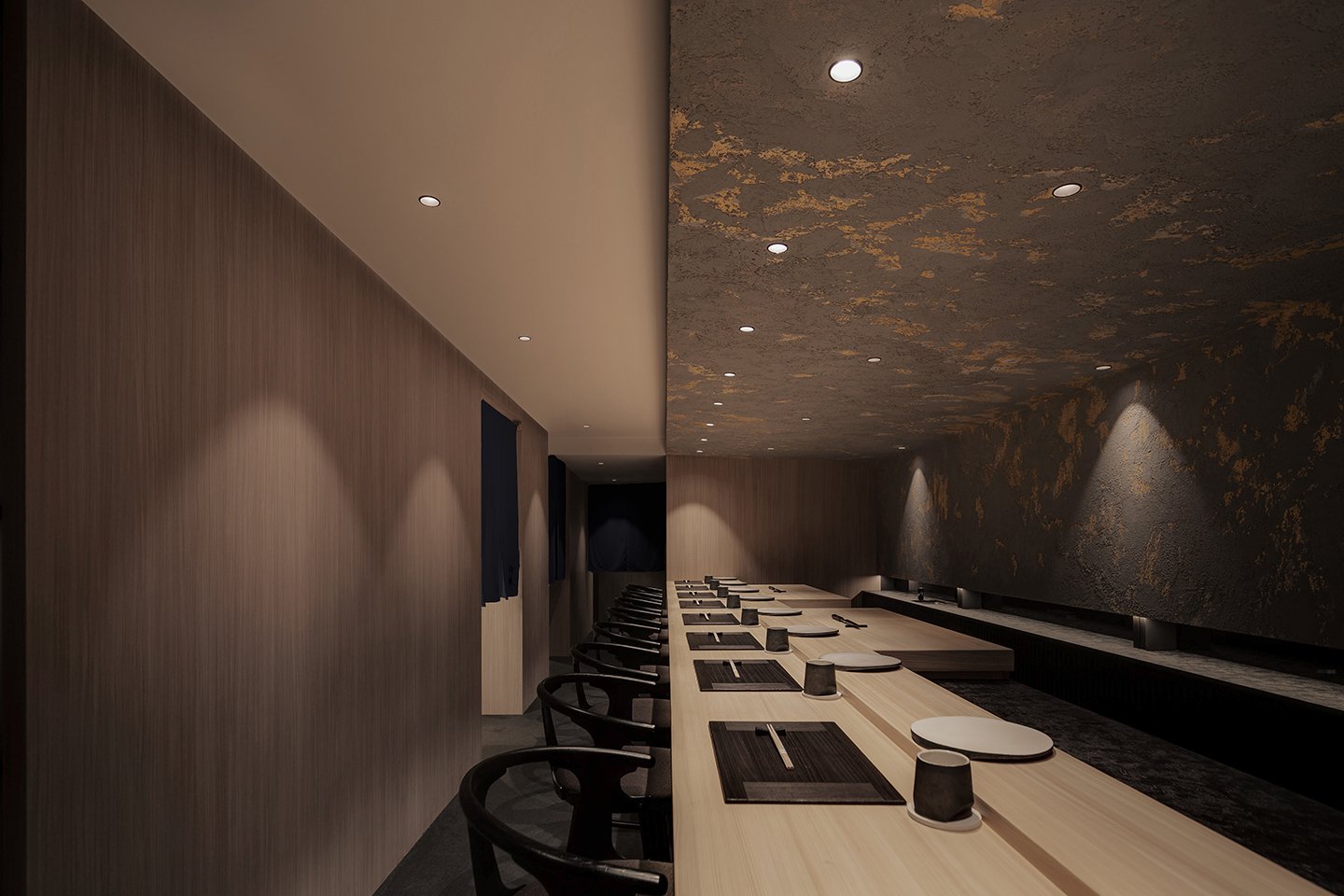
Sushi Kamosu: A Harmonious Ode to Tradition and Innovation in Interior Design
Nestled discreetly within a sleek commercial building in Hong Kong's bustling Central district, Sushi Kamosu offers more than just a dining experience; it provides a serene escape where traditional Japanese aesthetics are seamlessly intertwined with contemporary design. Crafted by the visionary team at Him's Interior Design, this Edomae sushi restaurant presents a refined space that speaks to the heart of Japanese cultural heritage while embracing modernity with a touch of elegance that only 'in Him's" Interior Design can deliver.

Nestled discreetly within a sleek commercial building in Hong Kong's bustling Central district, Sushi Kamosu offers more than just a dining experience; it provides a serene escape where traditional Japanese aesthetics are seamlessly intertwined with contemporary design. Crafted by the visionary team at “in Him's” Interior Design, this Edomae sushi restaurant presents a refined space that speaks to the heart of Japanese cultural heritage while embracing modernity with a touch of elegance.
As guests step into Sushi Kamosu, they are immediately greeted by an ambiance that evokes the tranquillity of a traditional Japanese home. The interior design, a masterpiece "in Him's" Interior Design, emphasizes simplicity and serenity. The gentle glide of shoji screens, made from delicate washi paper, diffuses soft, natural light across the space, creating an ethereal glow that instantly transports guests from the vibrant streets of Central to a peaceful sanctuary.
The design palette has been meticulously chosen, with natural wood tones and muted earth colours dominating the space. These elements establish a deep connection to nature, a core principle in Japanese design. The tactile qualities of the materials—smooth, polished wood juxtaposed with the subtle textures of stone—encourage guests to engage with the environment through their senses, thus enhancing the overall dining experience. The use of natural materials and the emphasis on tactile qualities not only create a serene and inviting atmosphere but also contribute to the appreciation of the culinary artistry of Edomae sushi.
The design of Sushi Kamosu revolves around the sushi counter, a unique feature that serves as the focal point reflecting the restaurant's philosophy. Carved from a single hinoki wood slab, the counter embodies purity and precision, mirroring the craftsmanship of sushi-making. Its unique design and the use of hinoki wood, known for its antibacterial properties and pleasant aroma, make it a standout feature. "in Him's" Interior Design's minimalist approach ensures that the counter serves as the heart of the space, providing a stage for the culinary artistry of Edomae sushi to shine. The surrounding space is deliberately kept uncluttered to emphasize simplicity, quality, and elegance.
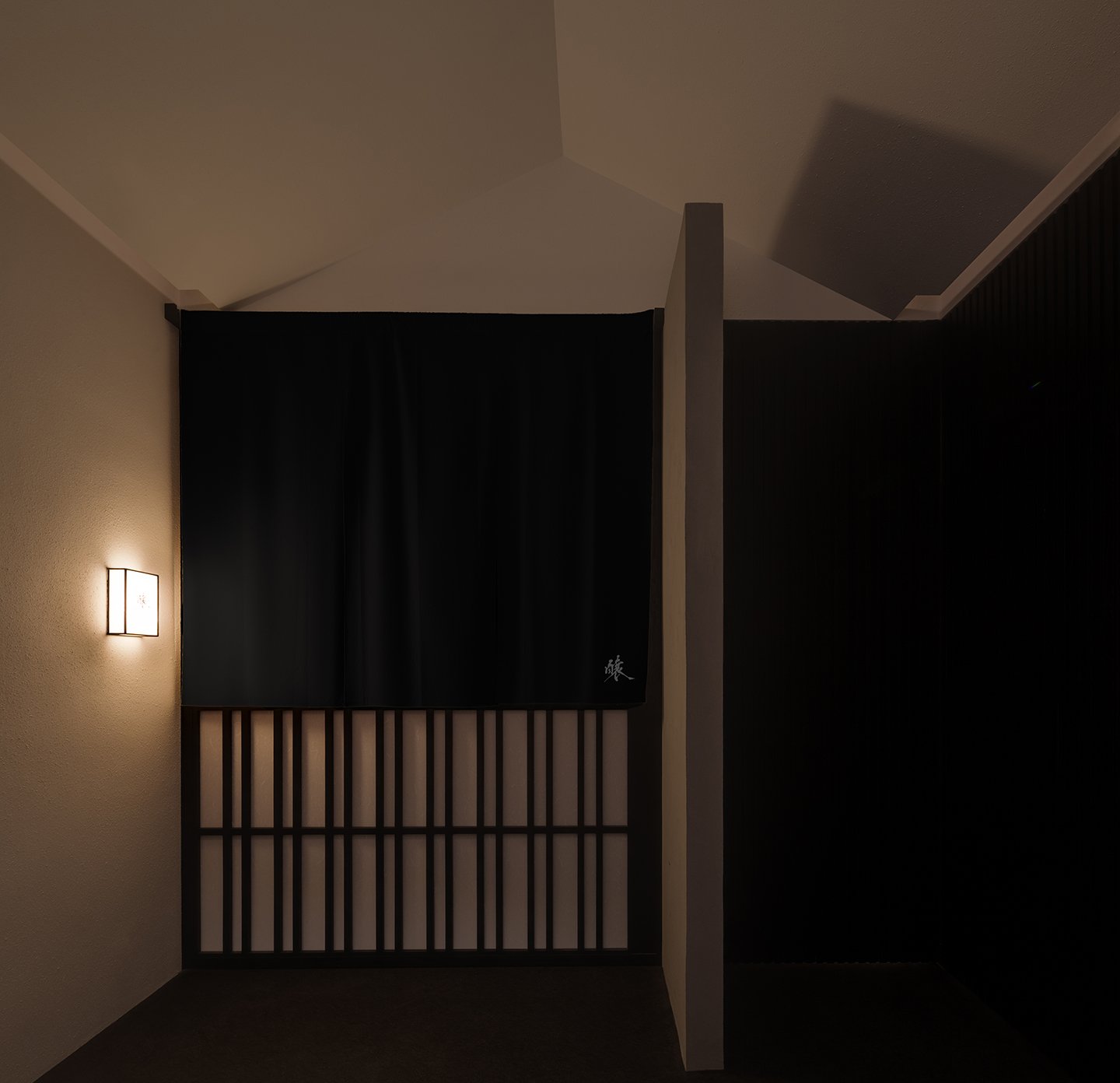

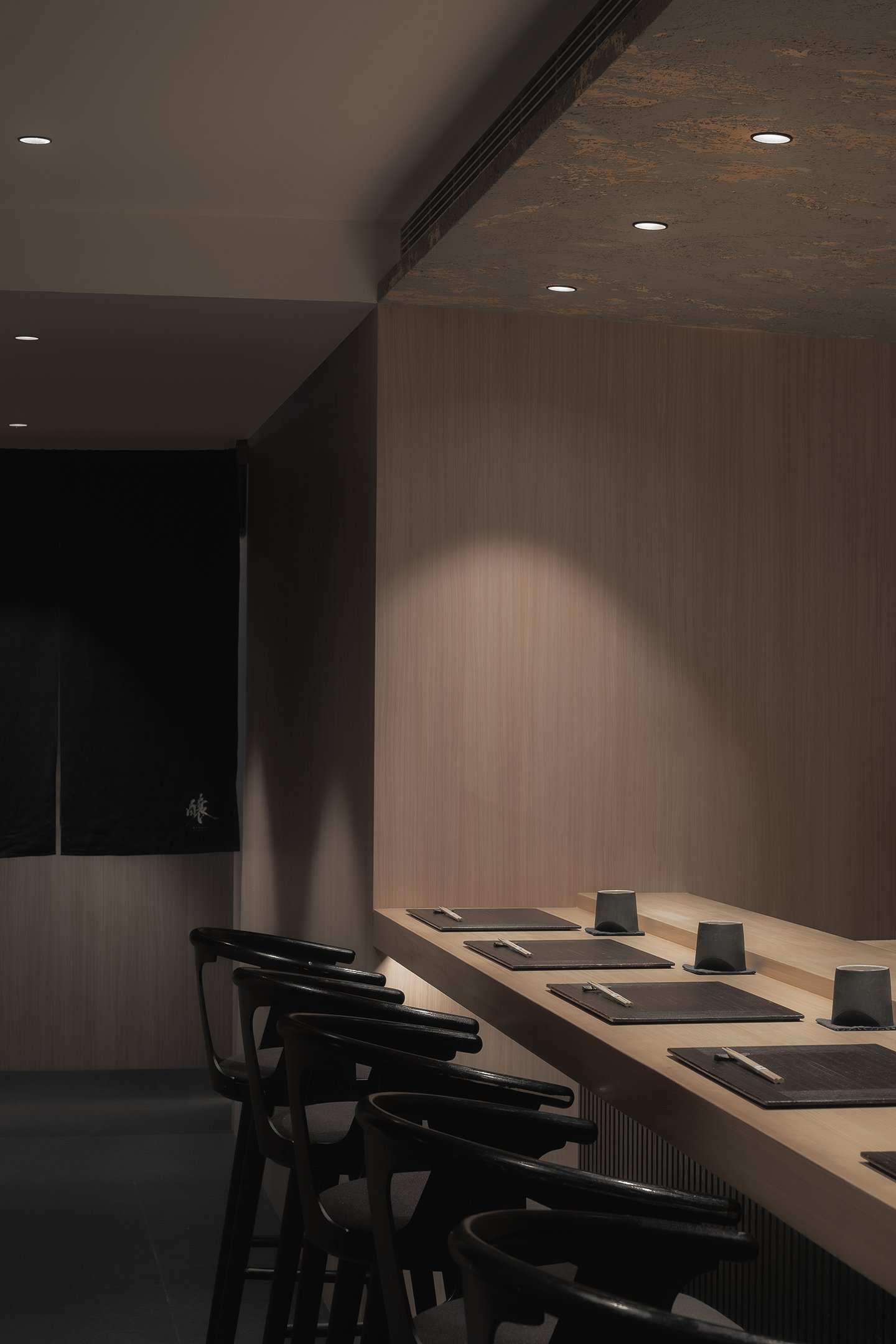
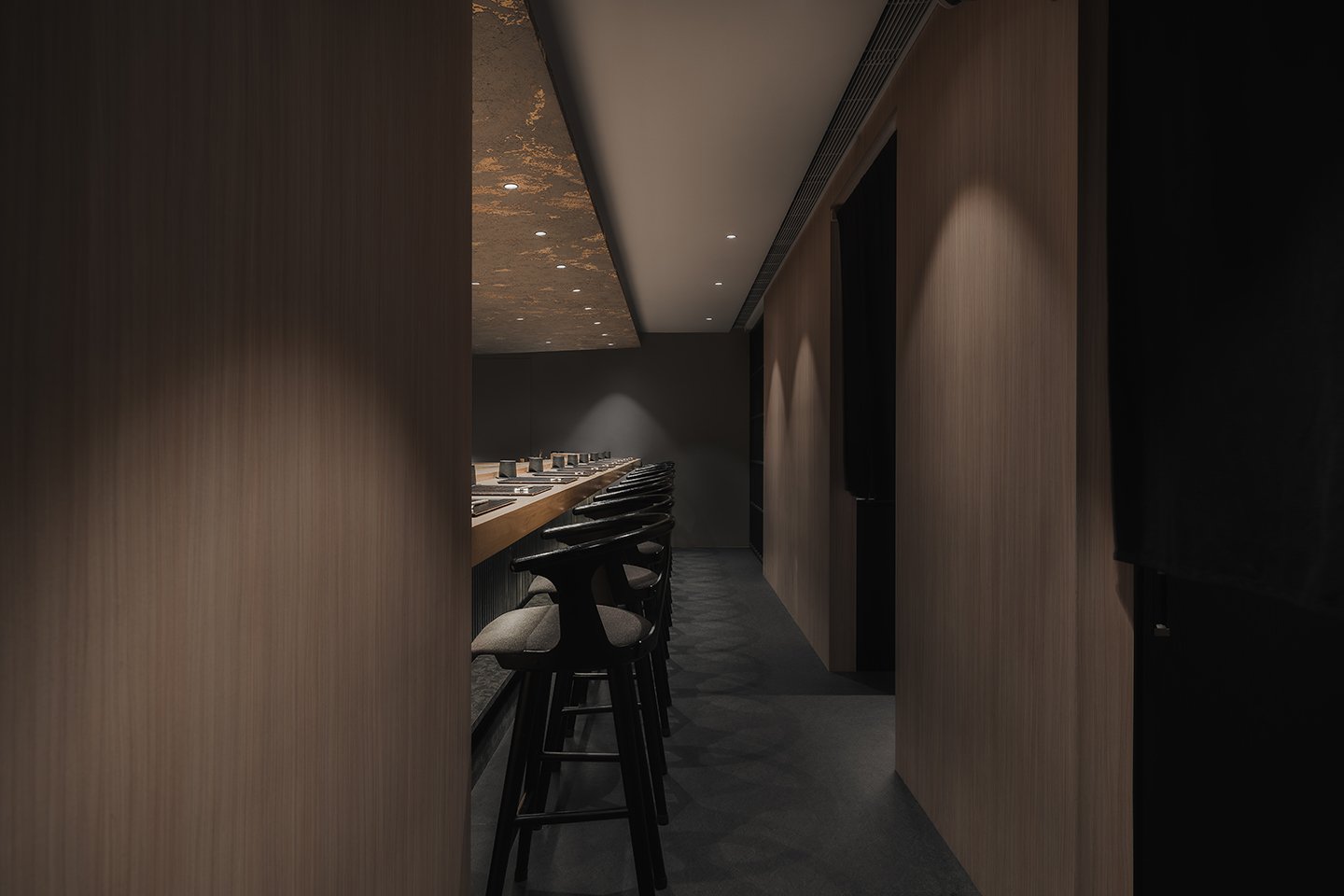
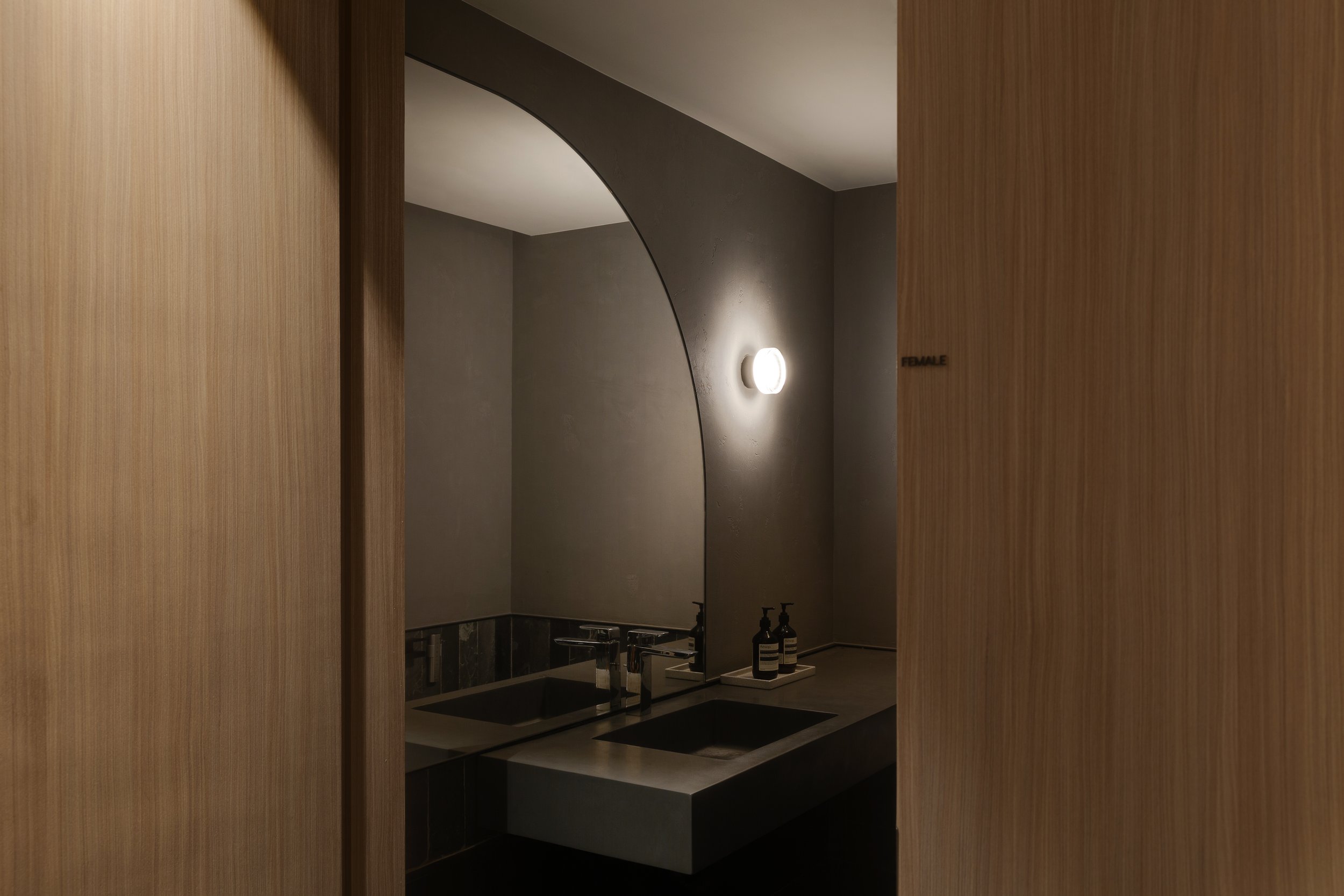

The interior of Sushi Kamosu is a sophisticated blend of tradition and innovation. It reinterprets the enduring principles of Japanese design through a modern lens, creating a harmonious balance of timeless and contemporary elements. Clean lines, open spaces, and the thoughtful use of natural materials all contribute to this unique blend, inviting guests to explore and appreciate the fusion of past and present.
In an era of rapid urbanization, where cultural identity can easily be lost, Sushi Kamosu is a testament to how tradition and innovation coexist beautifully within interior design. The work of "in Him's" Interior Design demonstrates that a space rooted in history and fully engaged with the present can be created by honouring the essence of traditional Japanese aesthetics while embracing modern design elements. Here, every design decision—from the play of light and shadow to the selection of materials—contributes to an atmosphere of quiet luxury, making Sushi Kamosu a true embodiment of the harmonious blend of past and present in the heart of Hong Kong.
For more information, please visit: https://www.inhims.com
*This project is one of the shortlisted project in the Sky Design Awards 2024 - Interior Design - Retail & Club Division