

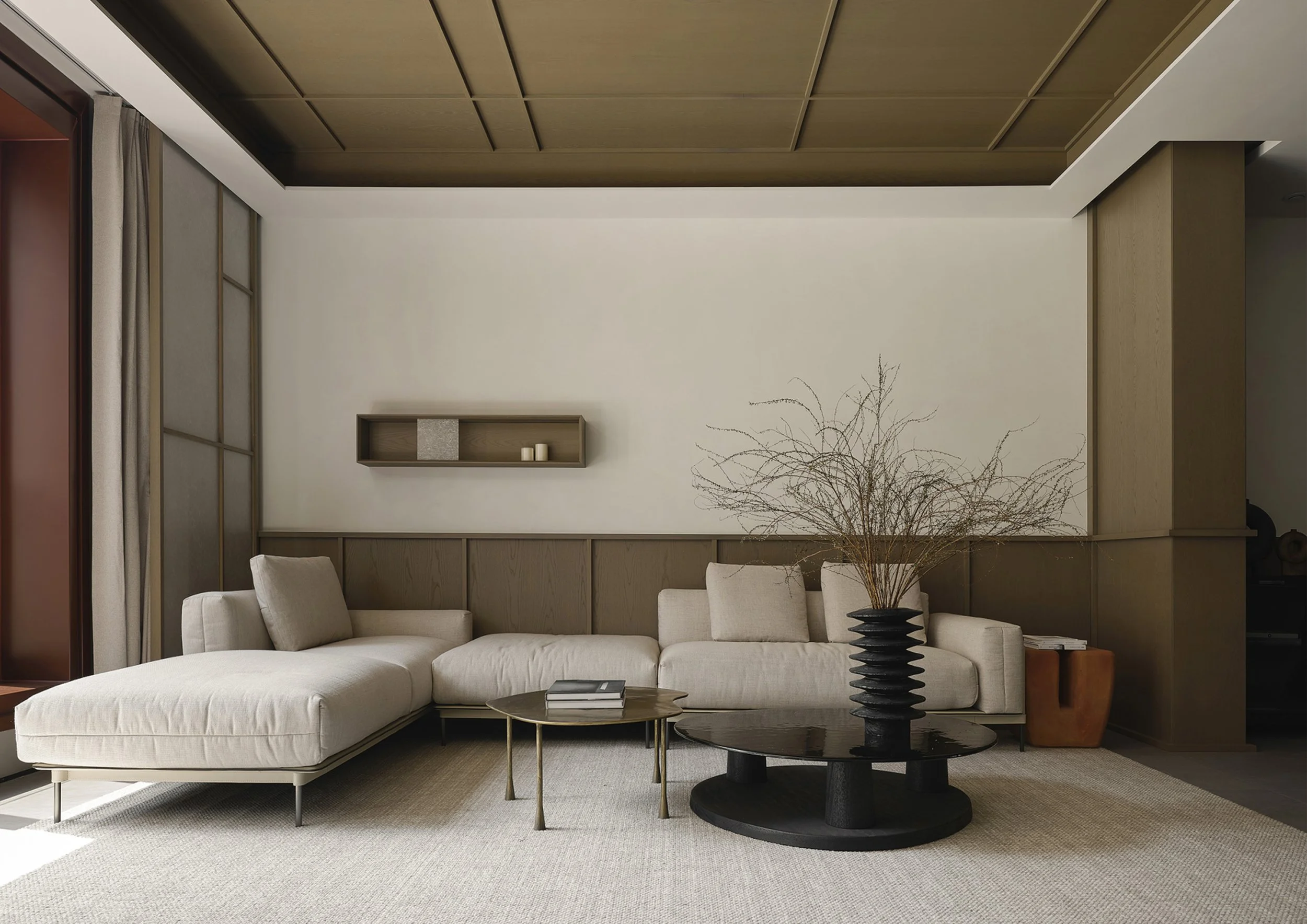
Zimo ● Songjing: A Narrative of Soft Light and Tactile Silence
In the realm of luxury residential interior design, the most successful spaces are those that learn to breathe. The Zimo, Songjing project addresses a classic townhouse renovation dilemma: a narrow, deep-plan layout disconnected from the natural world. Our design intervention reimagines the home not through restrictive walls, but through a central "well of light." By introducing a rhythmic three-flight staircase and a weightless glass elevator, the interior is transformed into a vertical gallery. This natural light optimization allows sunbeams to cascade from the rooftop to the ground floor, turning a once-dark passage into a glowing heart where minimalist aesthetics and daily life converge in a play of glass and shadow.
In the refined sphere of residential design, the most successful spaces are those that cultivate a sense of openness and vitality. Zimo ● Songjing encountered a quintessential interior challenge: a narrow and elongated floor plan that felt isolated from the natural environment. This challenge was addressed not by adding boundaries, but by introducing a central "well of light." The addition of a gracefully articulated three-flight staircase and an elegant glass elevator transformed the interior into a vertical gallery. Sunlight now pours from the rooftop to the ground floor, converting the heart of the home from a dim corridor into a luminous core where the subtle imprints of daily life are revealed in glass and shadow.
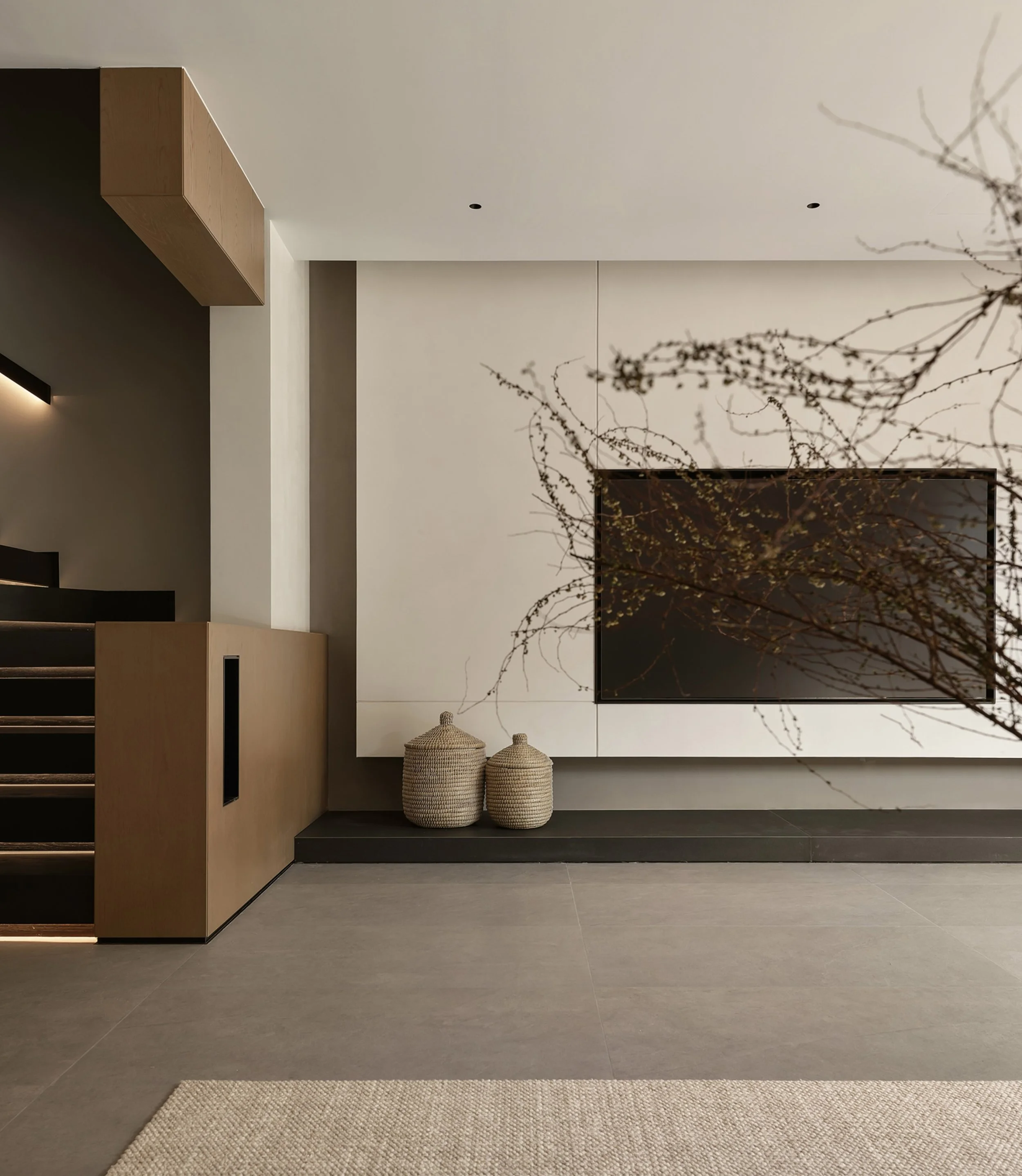
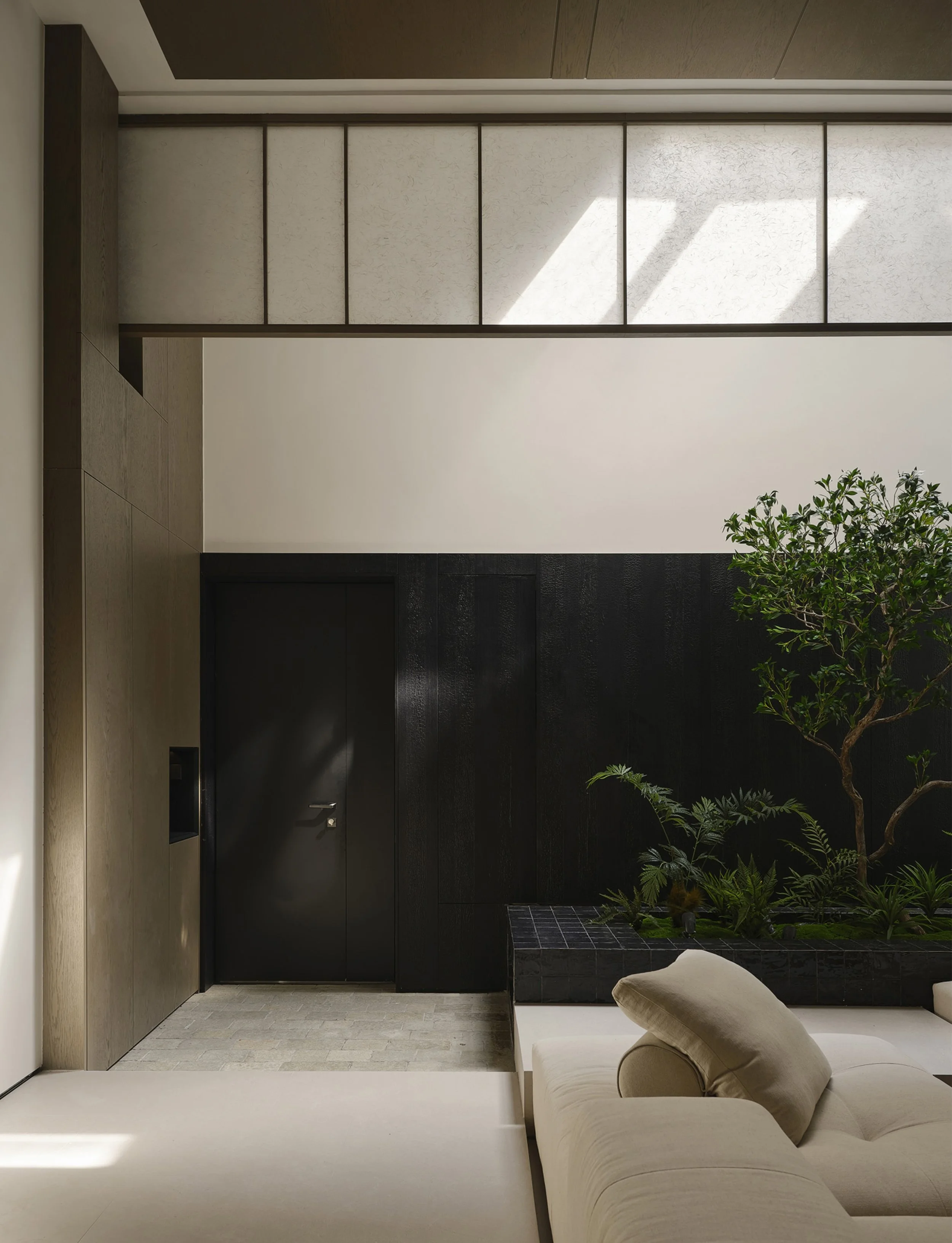
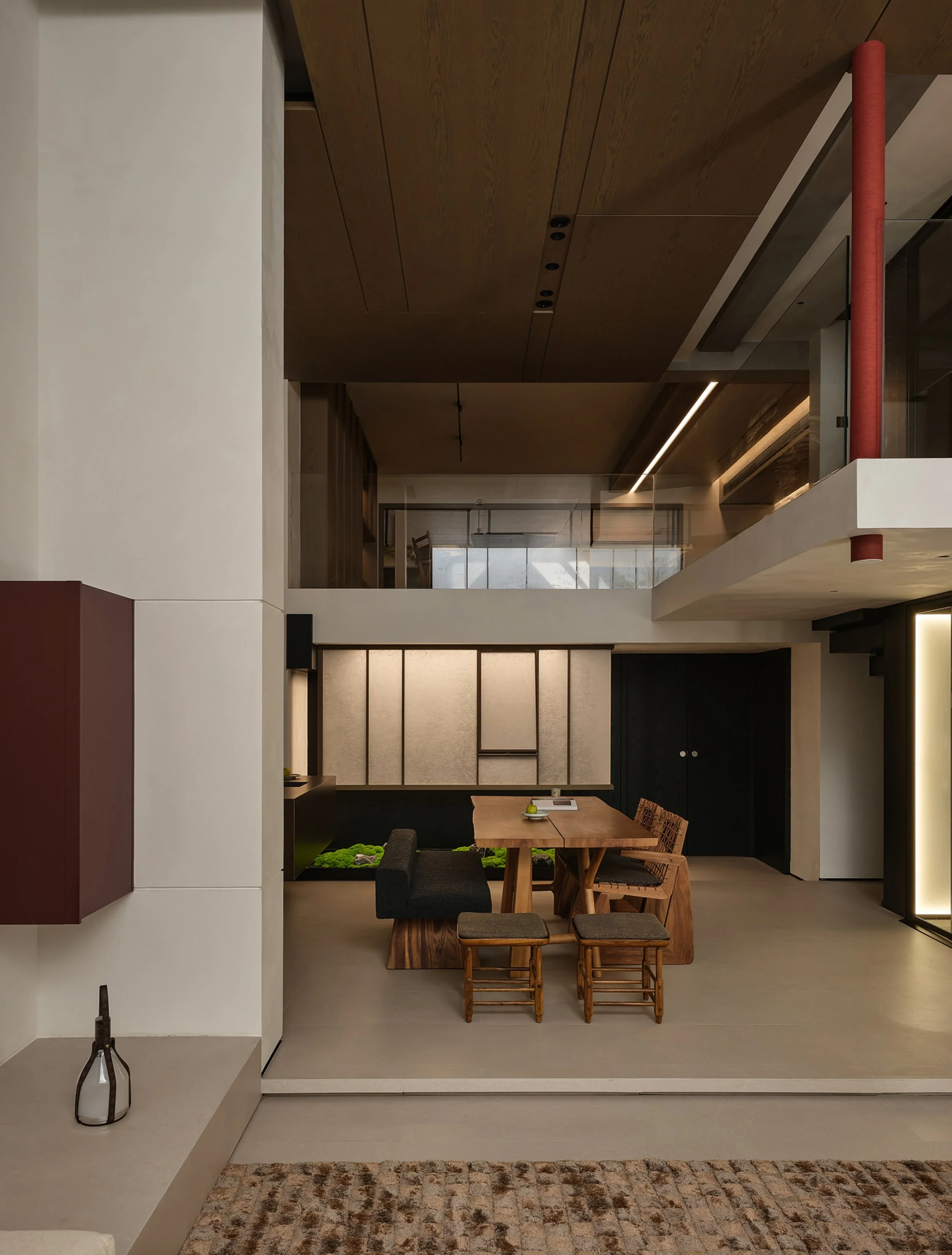
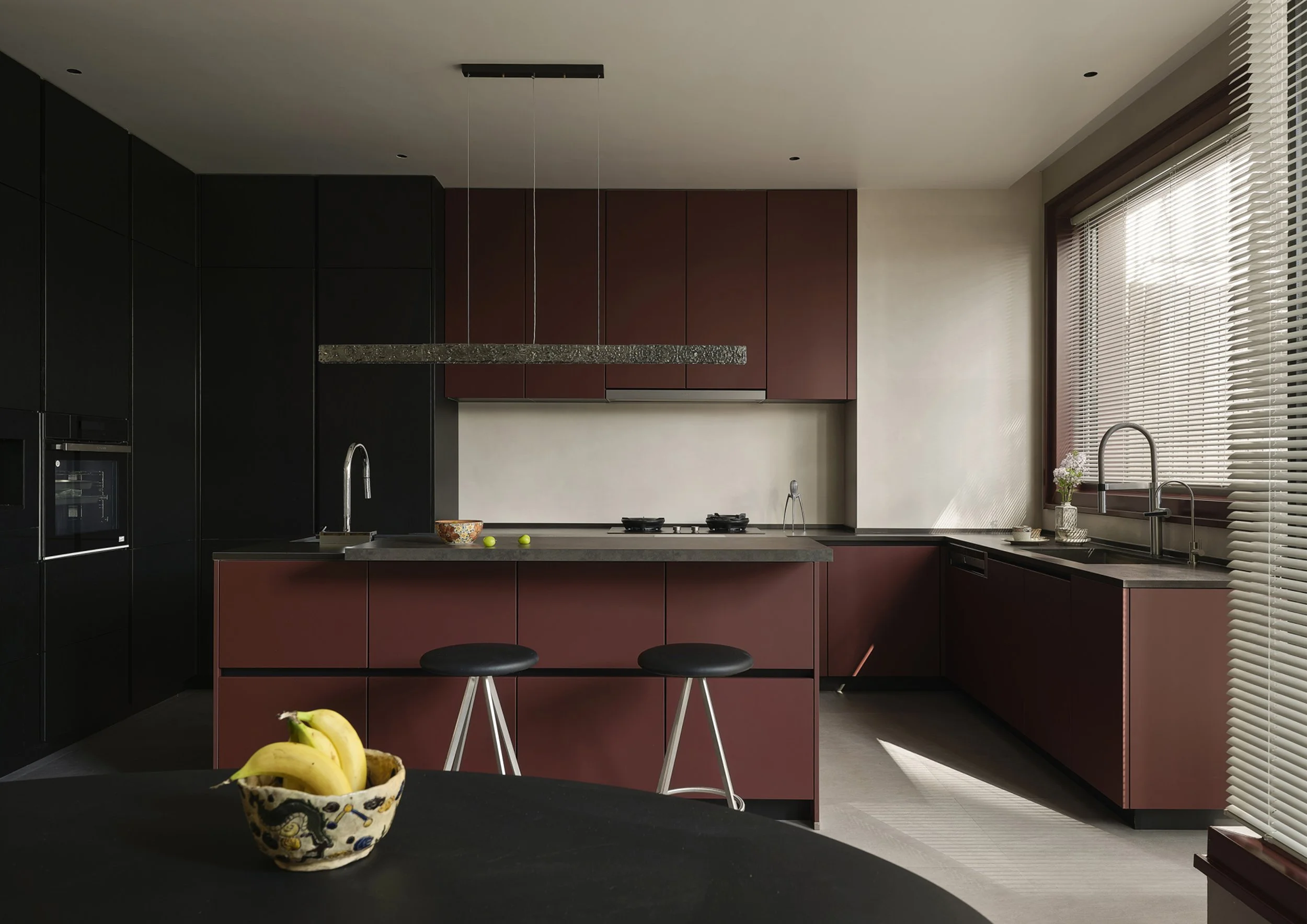
The home's layout is orchestrated through a deliberate choreography of space, distinctly separating communal areas from private retreats. The lower levels, which comprise the basement, ground floor, and mezzanine, are curated for refined living and entertaining. These spaces are open and fluid, thoughtfully designed to accommodate the vibrant gatherings of guests and family. Ascending through the home, the atmosphere transitions toward intimacy and repose. The second and third floors are dedicated to restful rituals, featuring tranquil bedrooms and private dressing suites. This layered spatial organization establishes a clear distinction between activity and serenity, ensuring the residence remains a sanctuary amid the urban landscape.
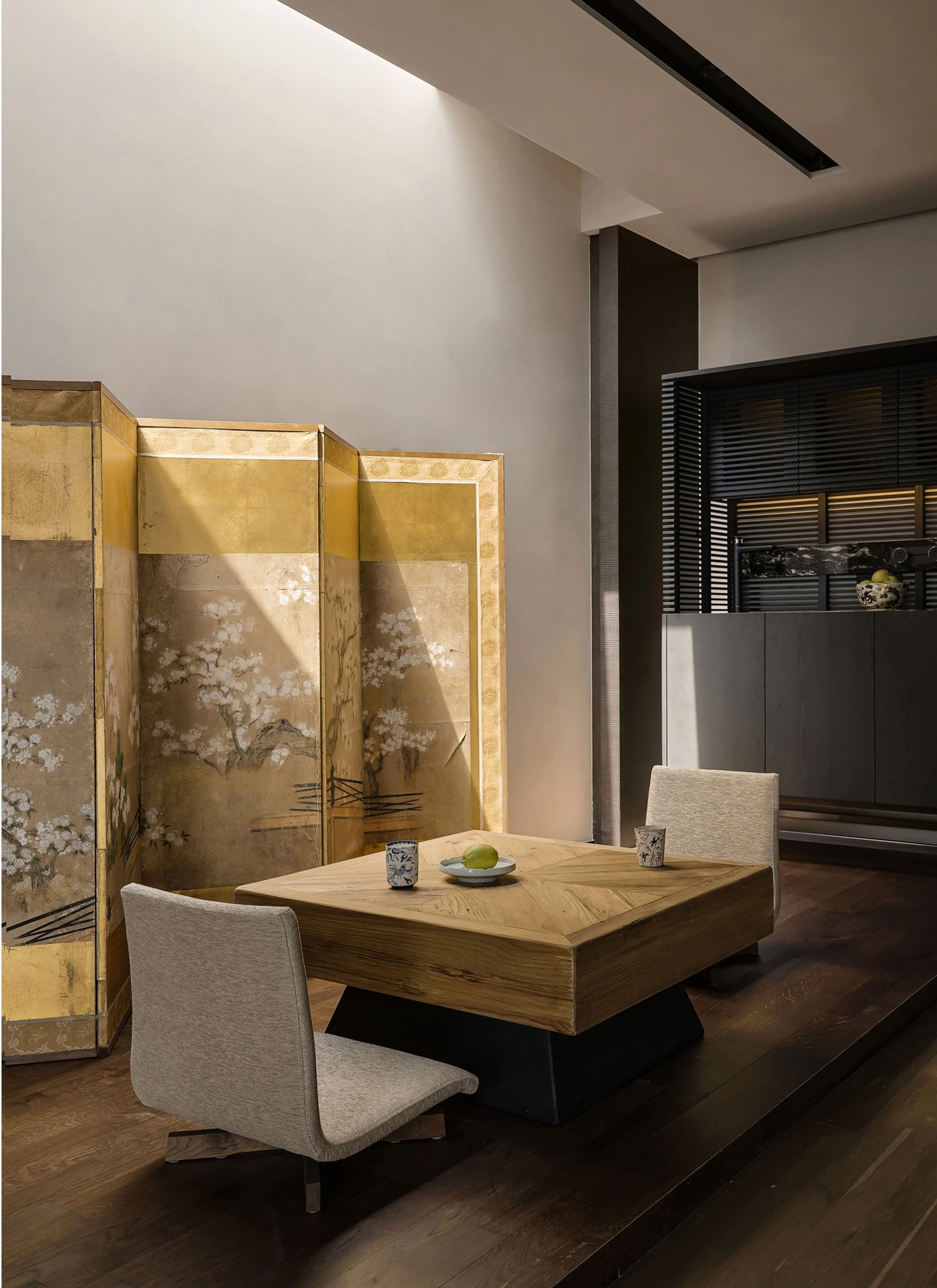
The master suite, located on the third floor, exemplifies the poetry of daily life. The design team chose to open the volume above the tatami area, allowing the afternoon sun to cast dynamic patterns across the walls. Eschewing sterile, flat finishes, the walls are instead adorned with deep, hand-applied textures that interact with light and imbue the room with organic warmth. These nuanced surfaces, combined with rustic screens and rich, grounding timbers, cultivate an ambiance that is enduring rather than ephemeral.
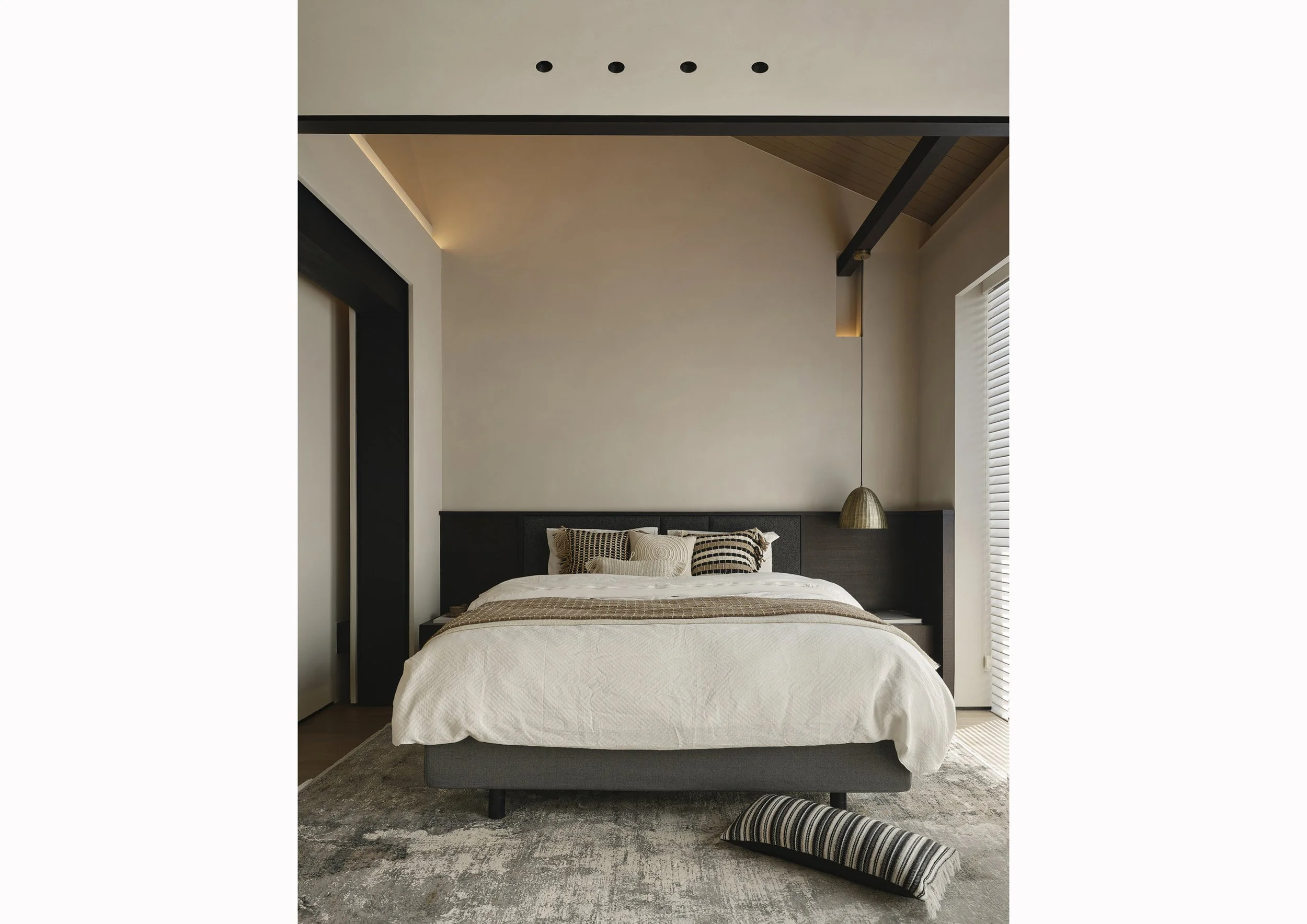
Within the master bedroom, structural elements such as black beams and columns are embraced as decorative anchors, establishing a sense of protection and scale beneath the room’s distinctive sloped roofline. The ensuite extends this interplay of transparency and privacy through a partition composed of rippled glass bricks, a material that introduces rhythmic, fluid light into the morning routine while gently obscuring the silhouette of the walk-in closet beyond.
Every detail, including the acrylic screens on the second floor that discreetly conceal the laundry area, reflects a profound understanding of the owner's lifestyle. This interior is not merely visually captivating; it is a home that thoughtfully addresses the authentic and subtle needs of the human spirit.

This Project is one of the submission from Merci x Sky Design Awards 2026
Category: Interior Design - Residential
NANJING SUKONG INTERIOR DESIGN CO. LTD :
Country: China
NANJING SUKONG INTERIOR DESIGN CO. LTD.
SUKONG DESIGN, established in 2016, is a new prominent space design company.

It is named after two Chinese characters of “su” and “kong”, with the first one indicating modesty and enterprising spirit and the second one representing the idea of emptiness, negative space in aesthetics and a kind of world outlook of sunyata. It is exactly our core design philosophy which leads us in creating first-class designs.
SUKONG DESIGN hopes to integrate localized elements into the world. And we are committed to expressing the rhythm of space and investing the space with expectations and surprises by using simple but elegant designs.
Our projects span a wide range of types including interior design of modern commercial space, modern offices, customized residences and conversion of historical buildings, as well as practices of aesthetics in daily life. The various practices bring diverse ideas together, providing endless possibilities of architectural and interior design.
We are a design team full of vitality, passion and collaborative spirit. We hope to gather more partners sharing the same ideal to strive to be one of the most influential cutting-edge design teams in China.
A Departure Point for Connection: Design & Dialogue in Tsukuba
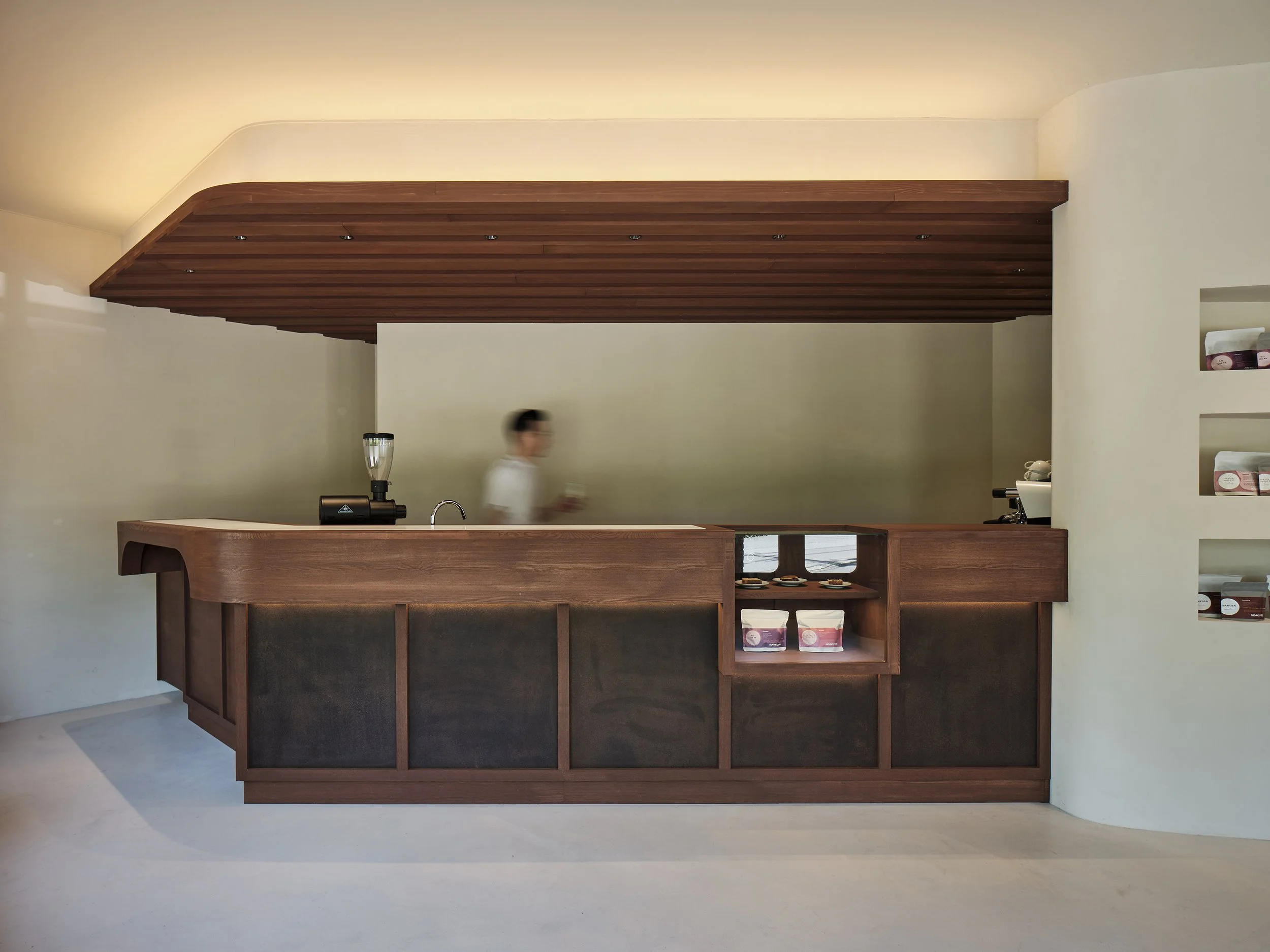
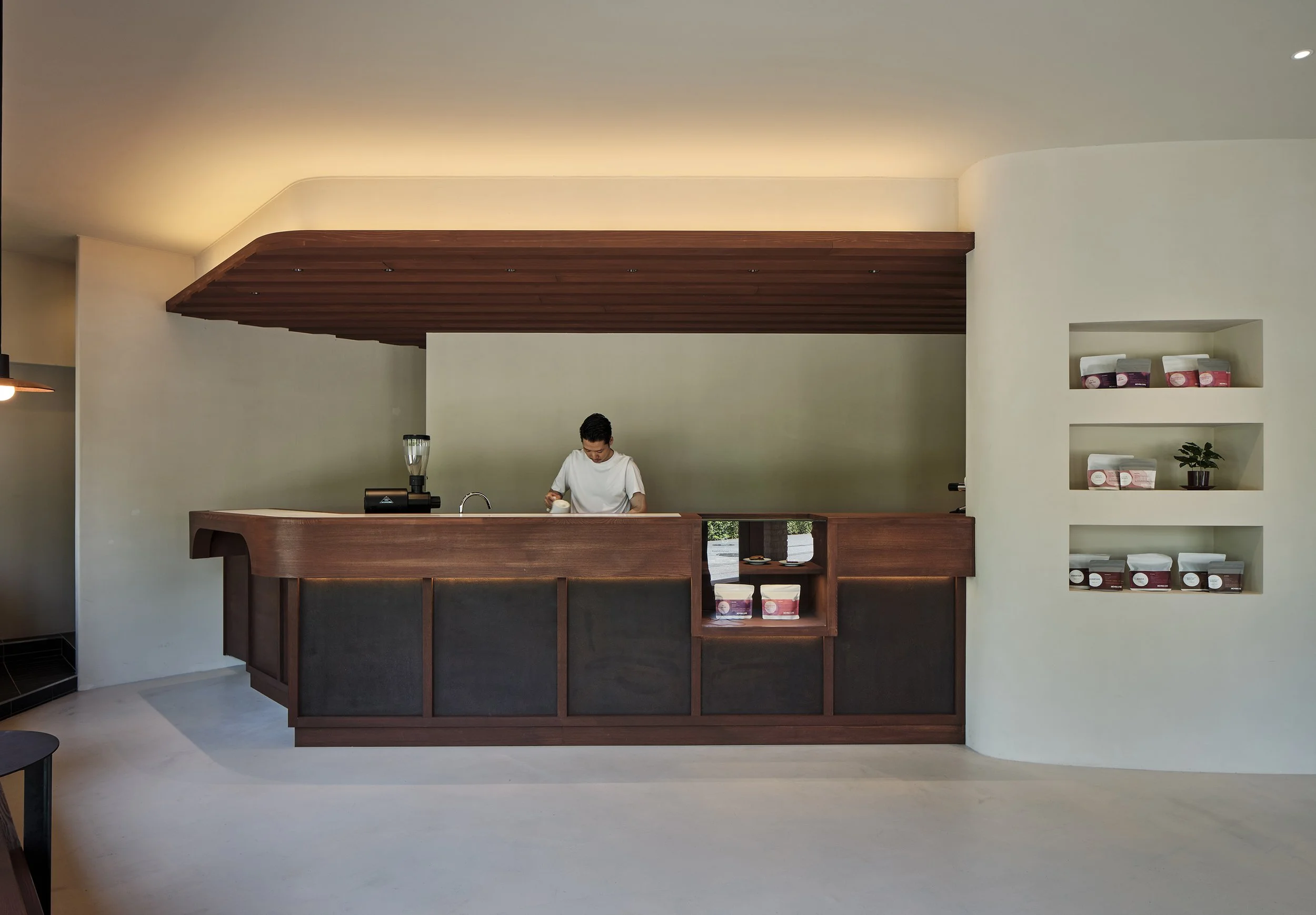
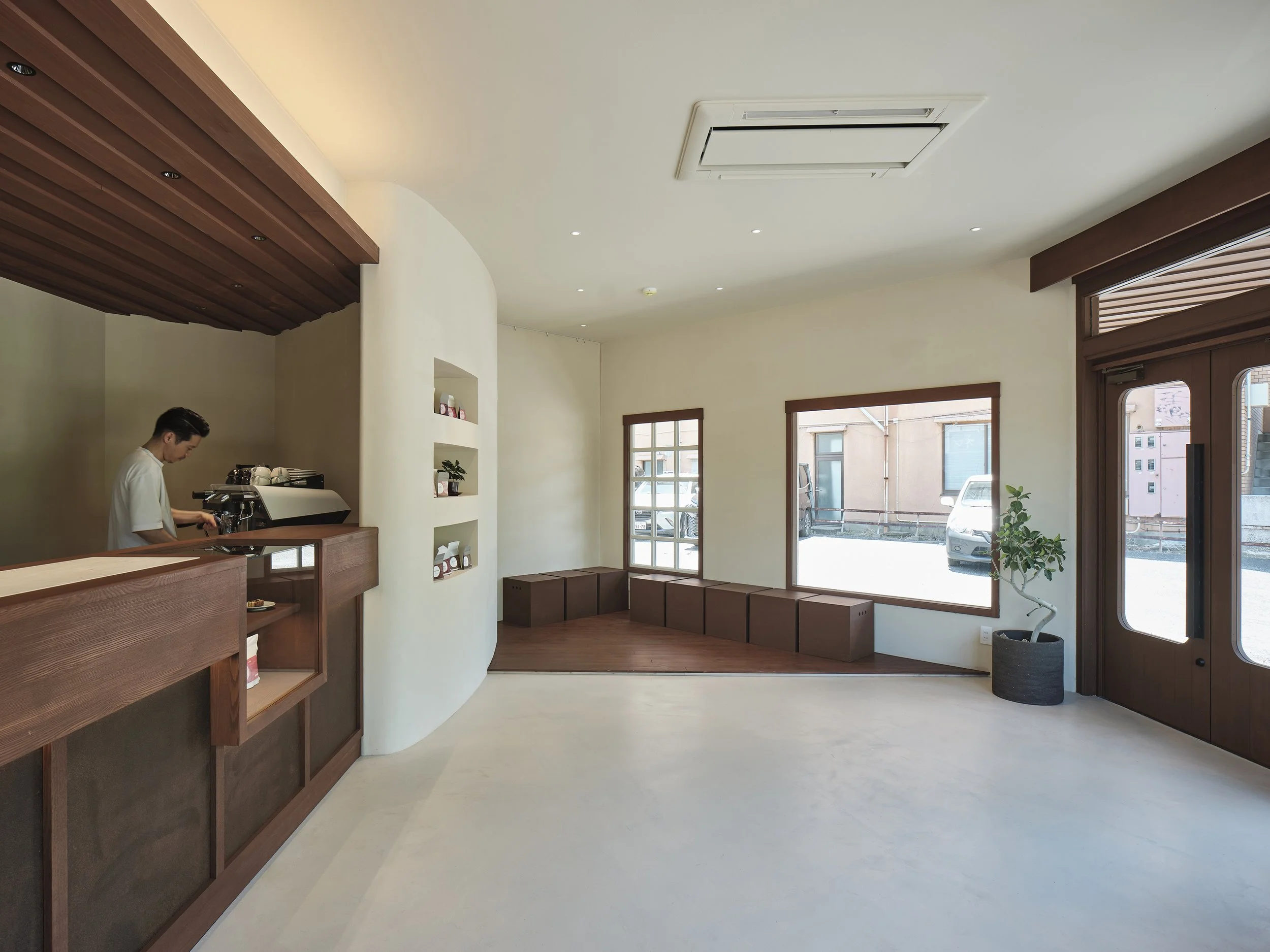
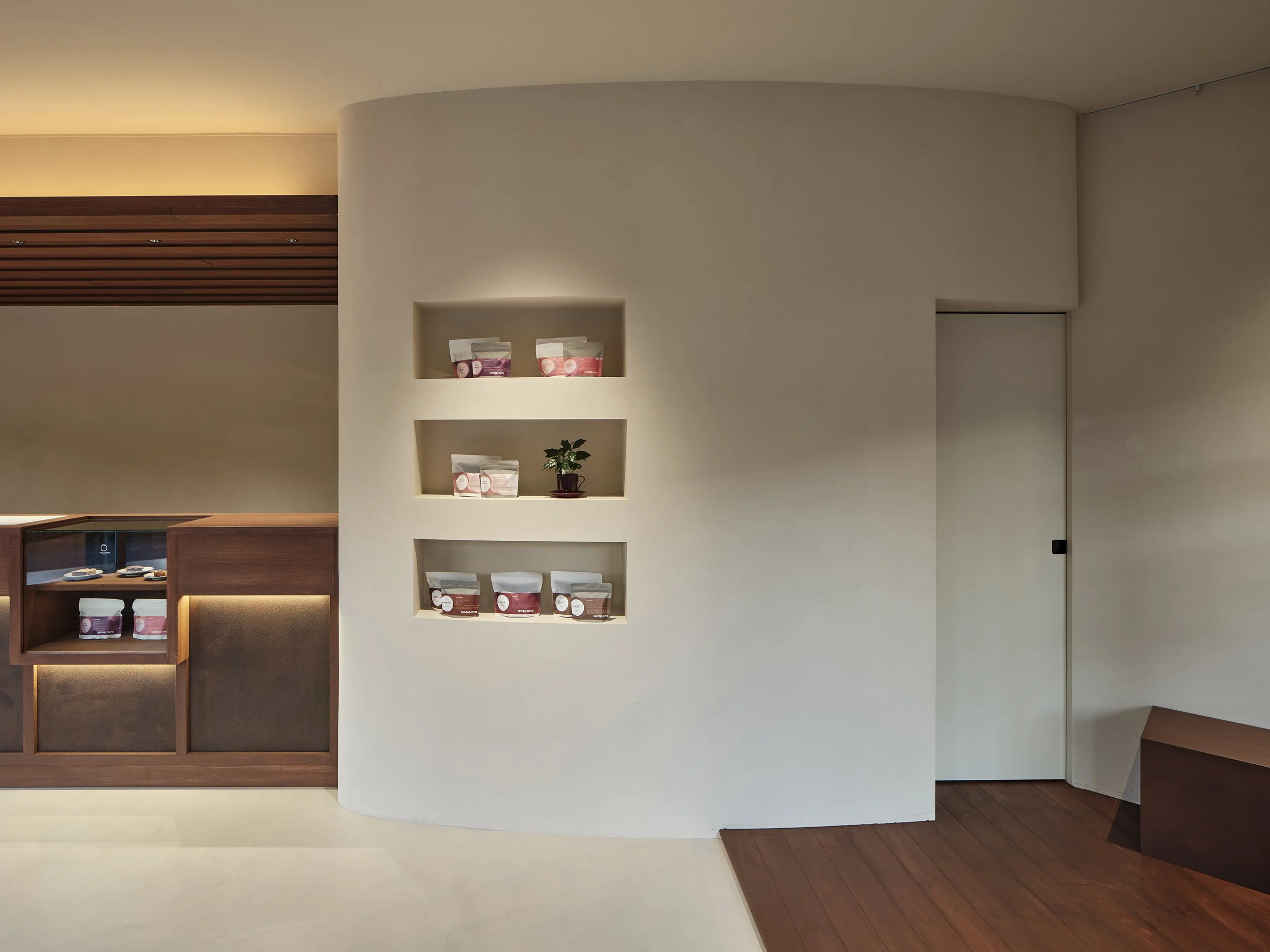
L’hirondelle is designed by Hiro Nakata Atelier, based in Japan. Stepping inside, one is immediately struck by the project’s refusal to be merely a point of commercial transaction. The design language speaks of embrace. The eye is drawn first to the entrance, where a sweeping, arc-shaped wall guides the visitor inward. Finished in white plaster (shikkui), the wall features recessed niches carved directly into the surface. These shelves hold coffee beans and goods not as merchandise, but as art pieces, bathed in a soft, diffuse light that gently washes over the mortar floor. This is a masterclass in the art of subtraction, removing visual noise to amplify a sense of calm.
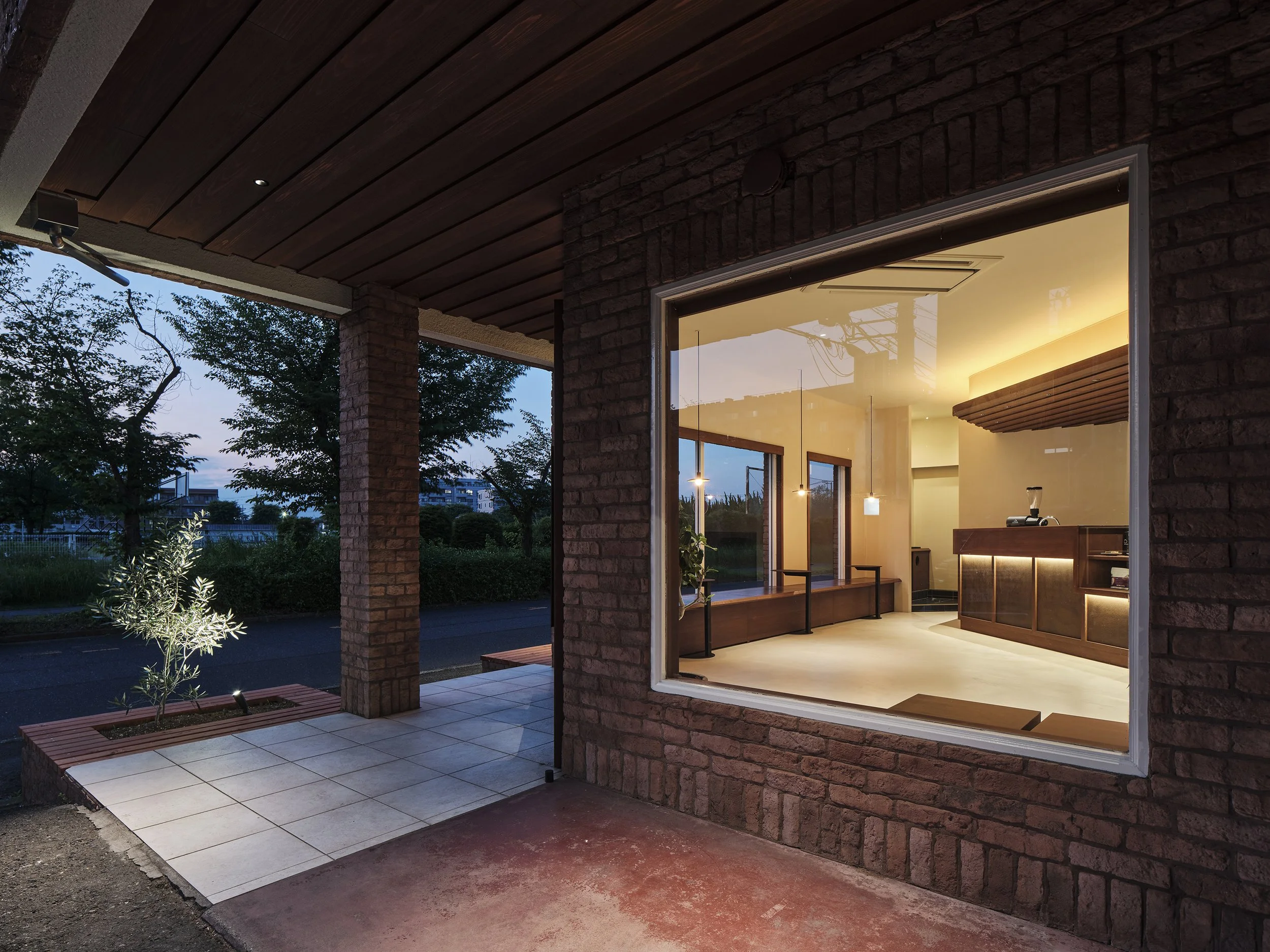
In the cerebral sprawl of Tsukuba, Japan’s renowned "Science City," the urban narrative has long been one of rapid acceleration. Born from a 1987 administrative merger and energized by the arrival of the Tsukuba Express in 2005, the city has become a global magnet for intellect, drawing researchers, students, and academics from every corner of the earth. Yet, in this rush to construct the future, the city was left with a distinct human void.
While the station front gleams with efficiency, the city has lacked the "third places" essential for a mature community: spaces where newly arrived international scientists and long-settled local residents can simply interact. The challenge was clear: how do you create a "commoning" space in a city shaped by transience?
The answer emerges quietly, in the form of a project that is part gallery, part sanctuary, and wholly devoted to the art of connection.
A Sanctuary of Light and Curves
L’hirondelle is designed by Hiro Nakata Atelier, based in Japan. Stepping inside, one is immediately struck by the project’s refusal to be merely a point of commercial transaction. The design language speaks of embrace. The eye is drawn first to the entrance, where a sweeping, arc-shaped wall guides the visitor inward. Finished in white plaster (shikkui), the wall features recessed niches carved directly into the surface. These shelves hold coffee beans and goods not as merchandise, but as art pieces, bathed in a soft, diffuse light that gently washes over the mortar floor. This is a masterclass in the art of subtraction, removing visual noise to amplify a sense of calm.
The Materiality of Time
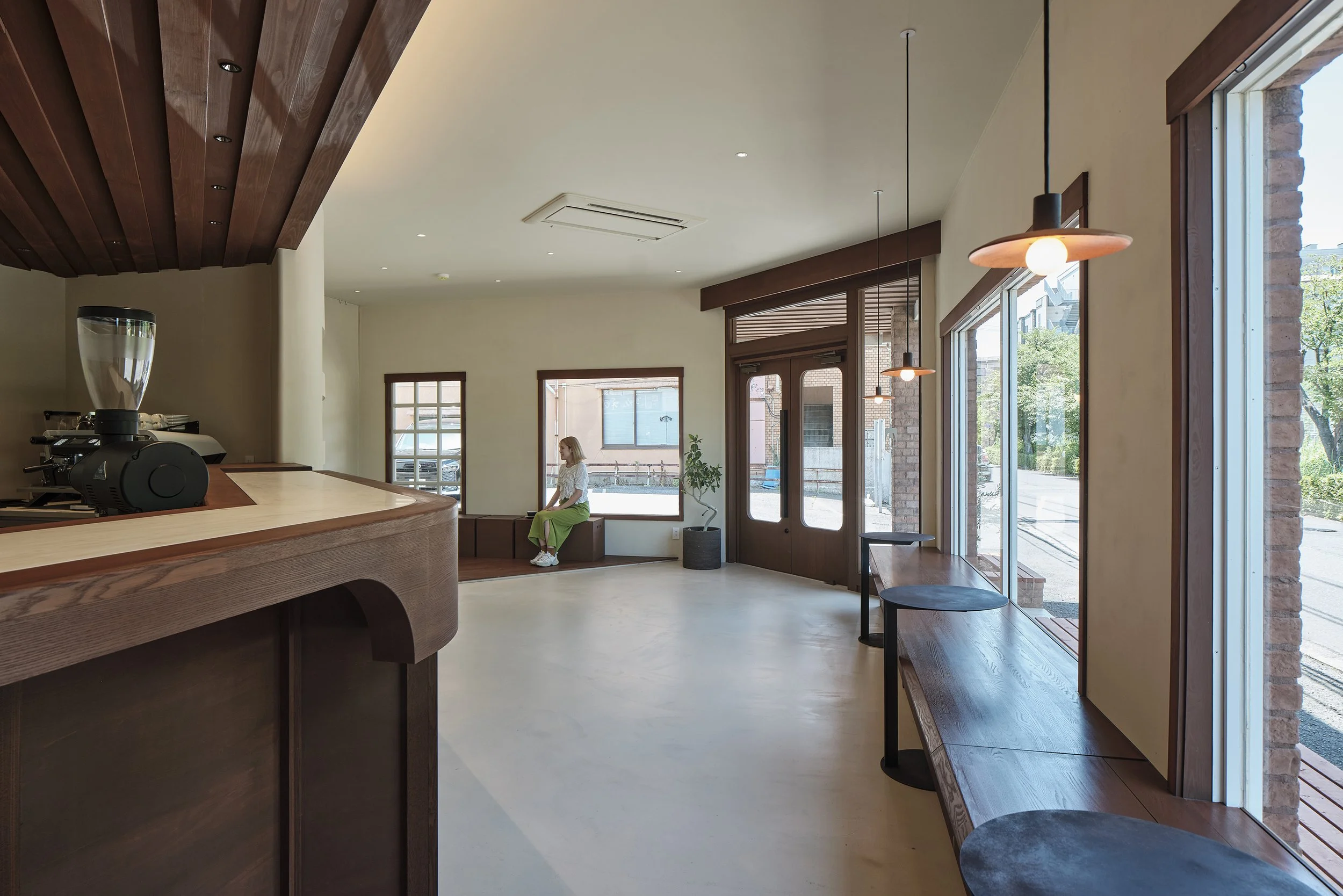
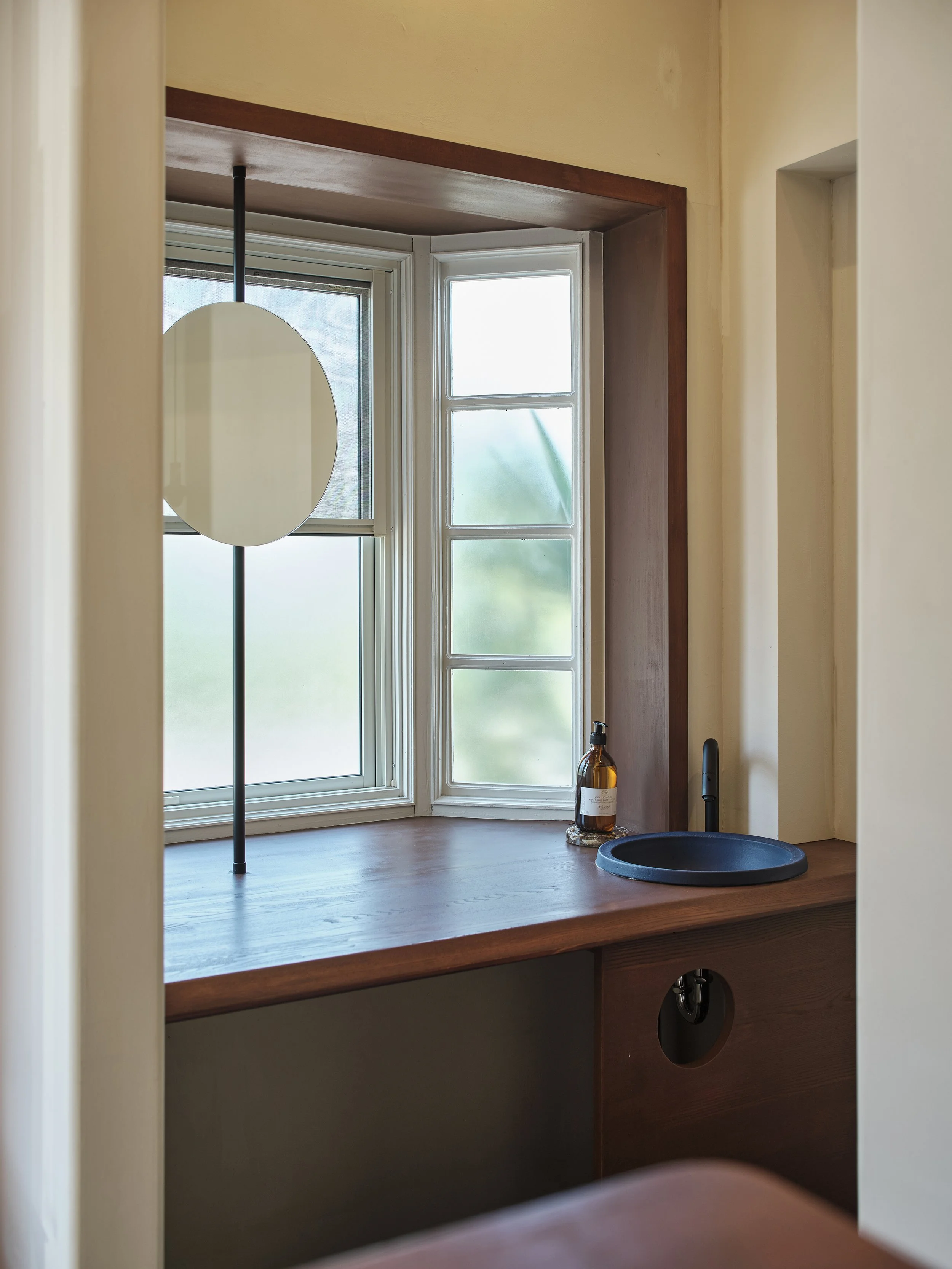
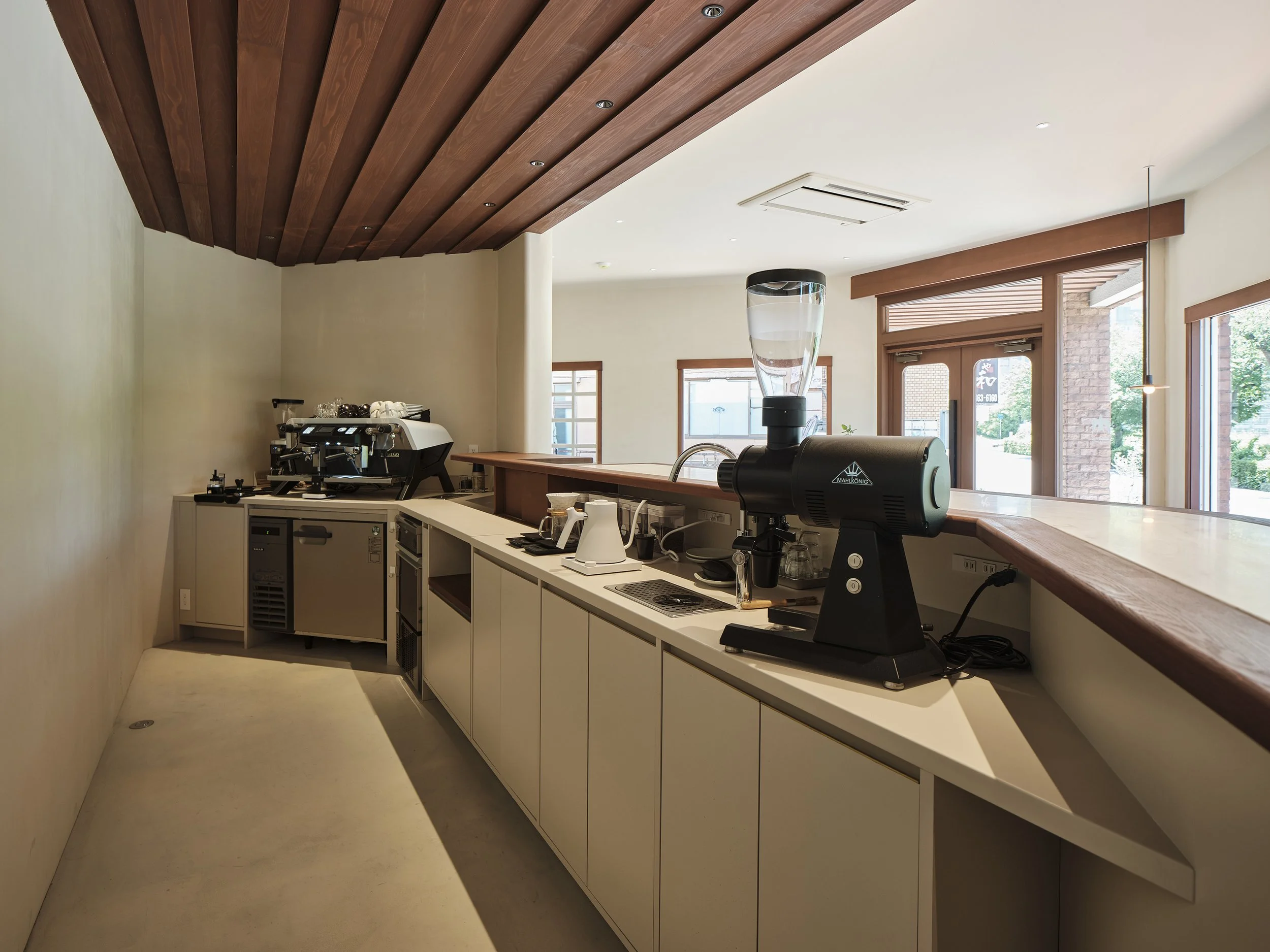
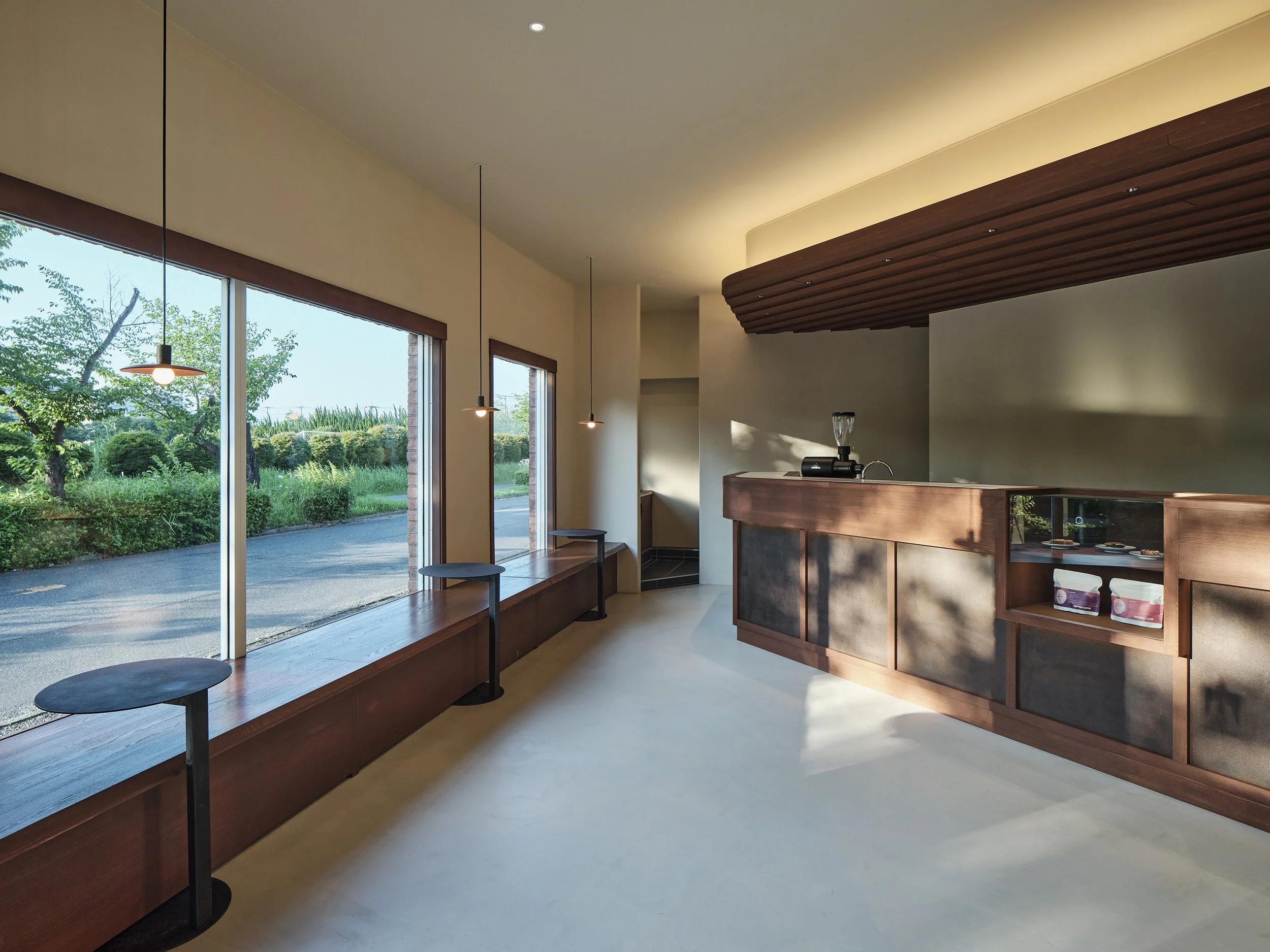
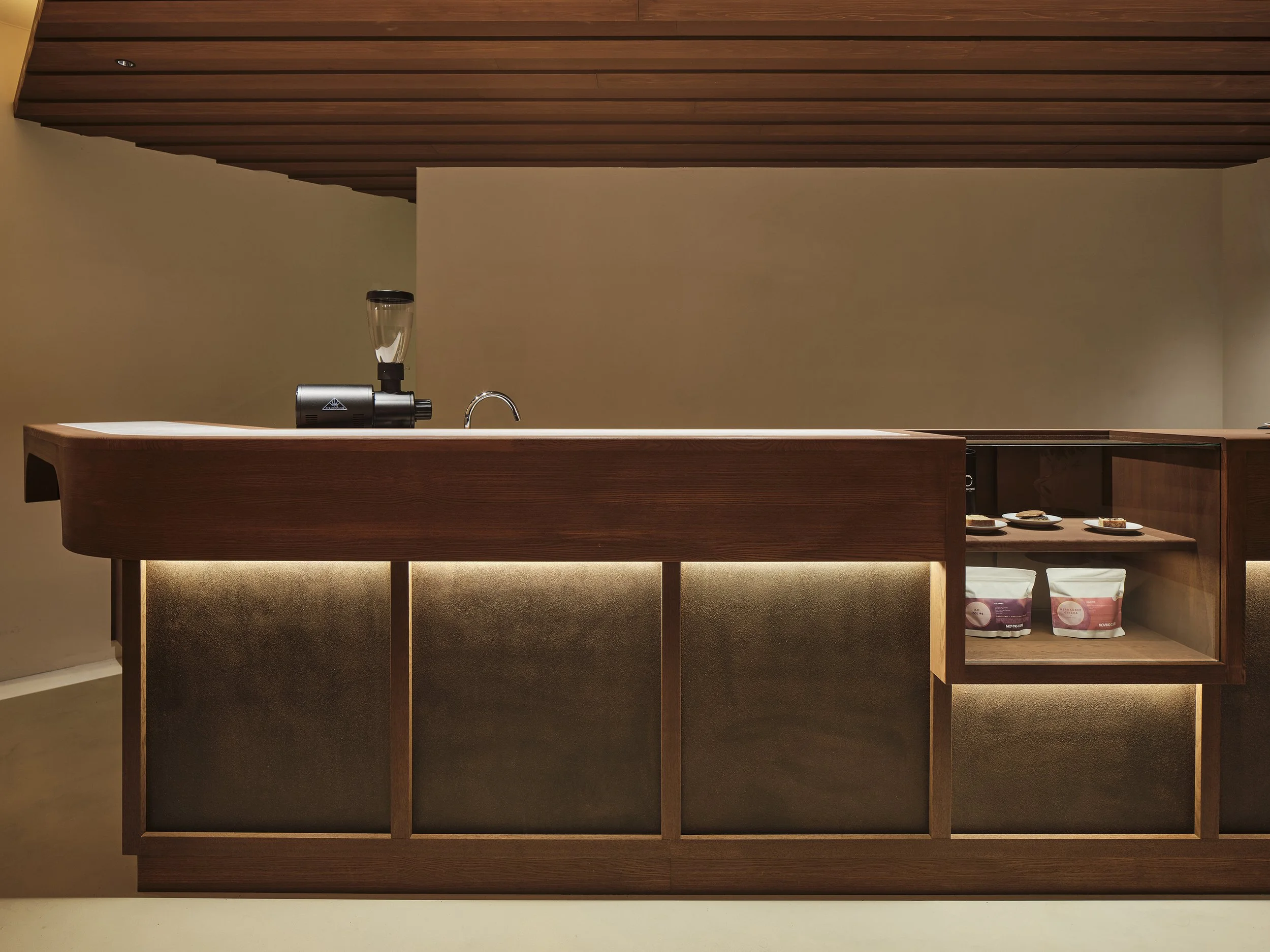
In a city often obsessed with the new, this space bravely champions the beauty of age. The spatial choreography centers around a striking U-shaped counter, designed to dissolve the barrier between barista and guest. Look closer at the details: the wainscoting is clad in rusted iron plates.
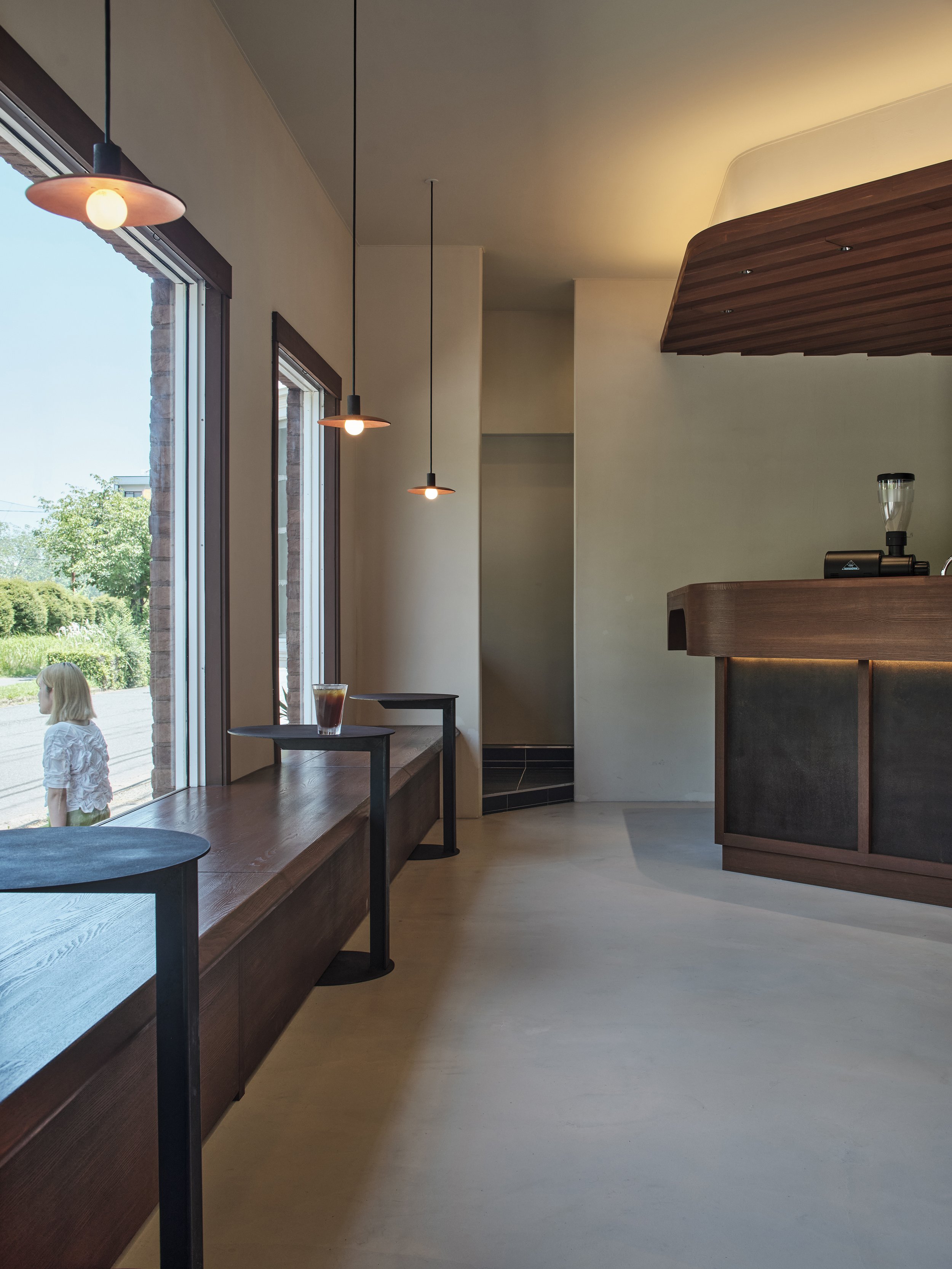
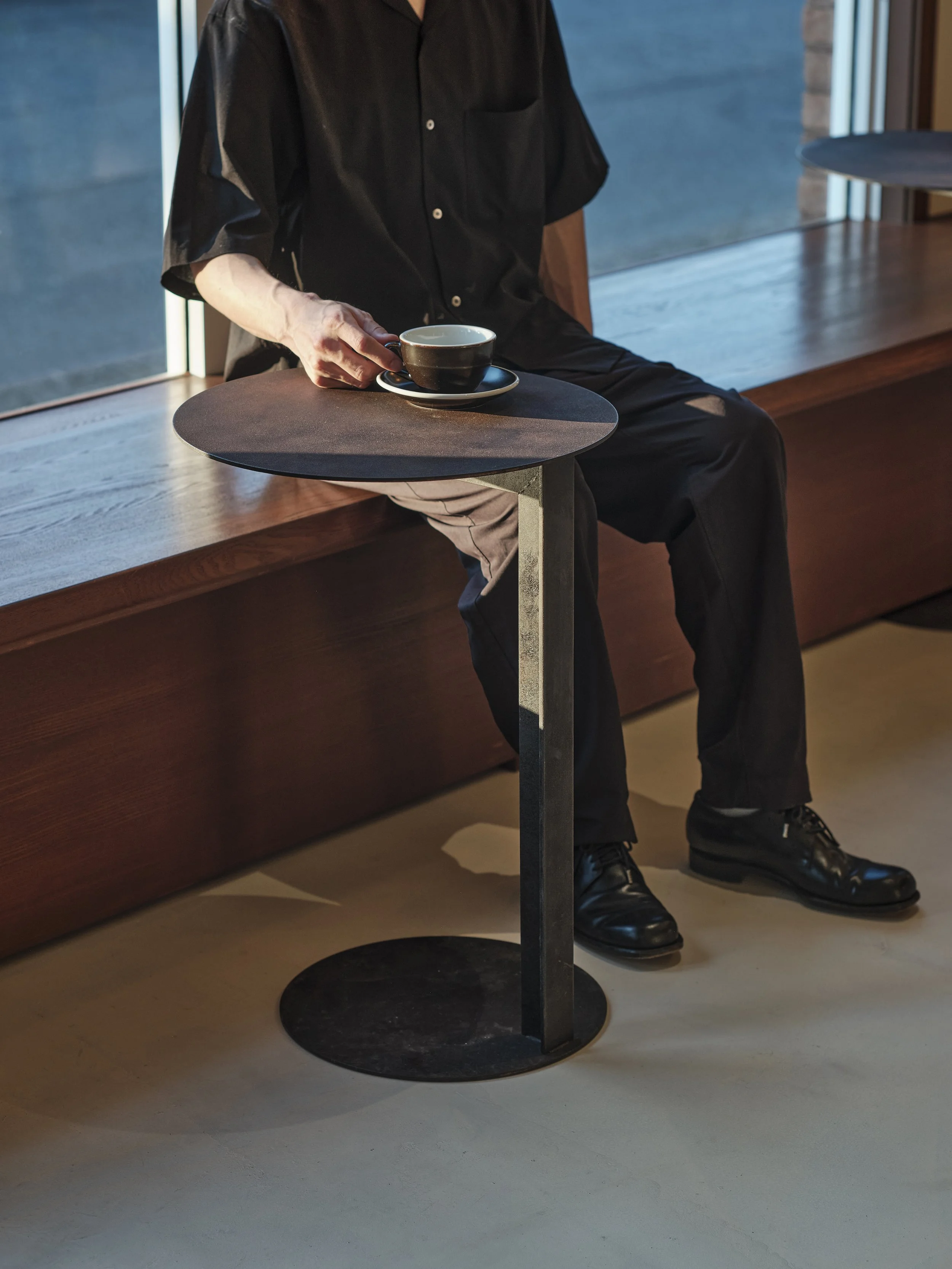
This choice of oxidized metal is poetic. It introduces texture and the passage of time, a patina, into the pristine environment. Paired with the warmth of dark wood, leather, and hand-finished plaster, these materials ground the space. It feels tactile and real, a deliberate counterpoint to the sterile laboratories that populate the city.
Framing the View
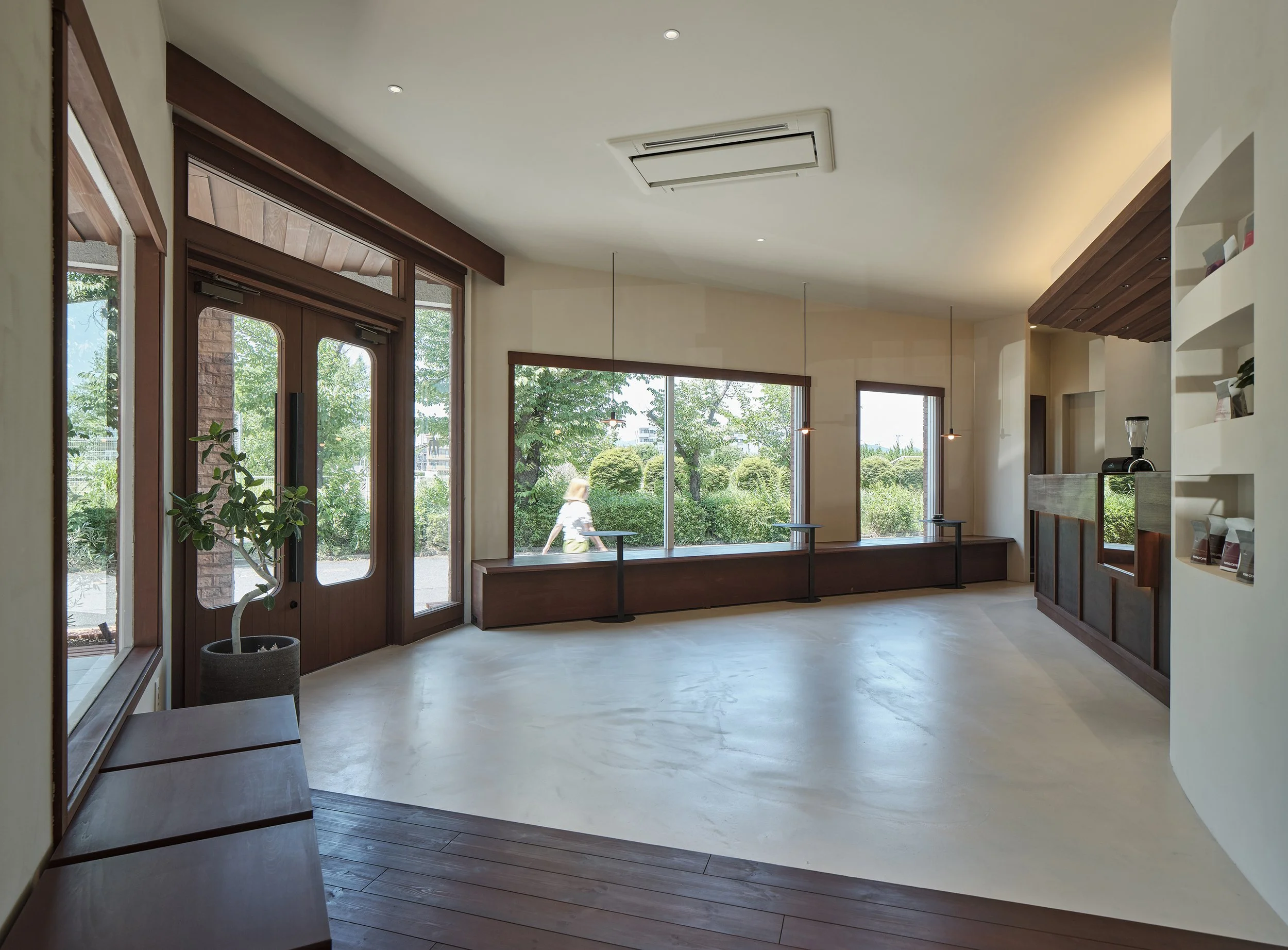
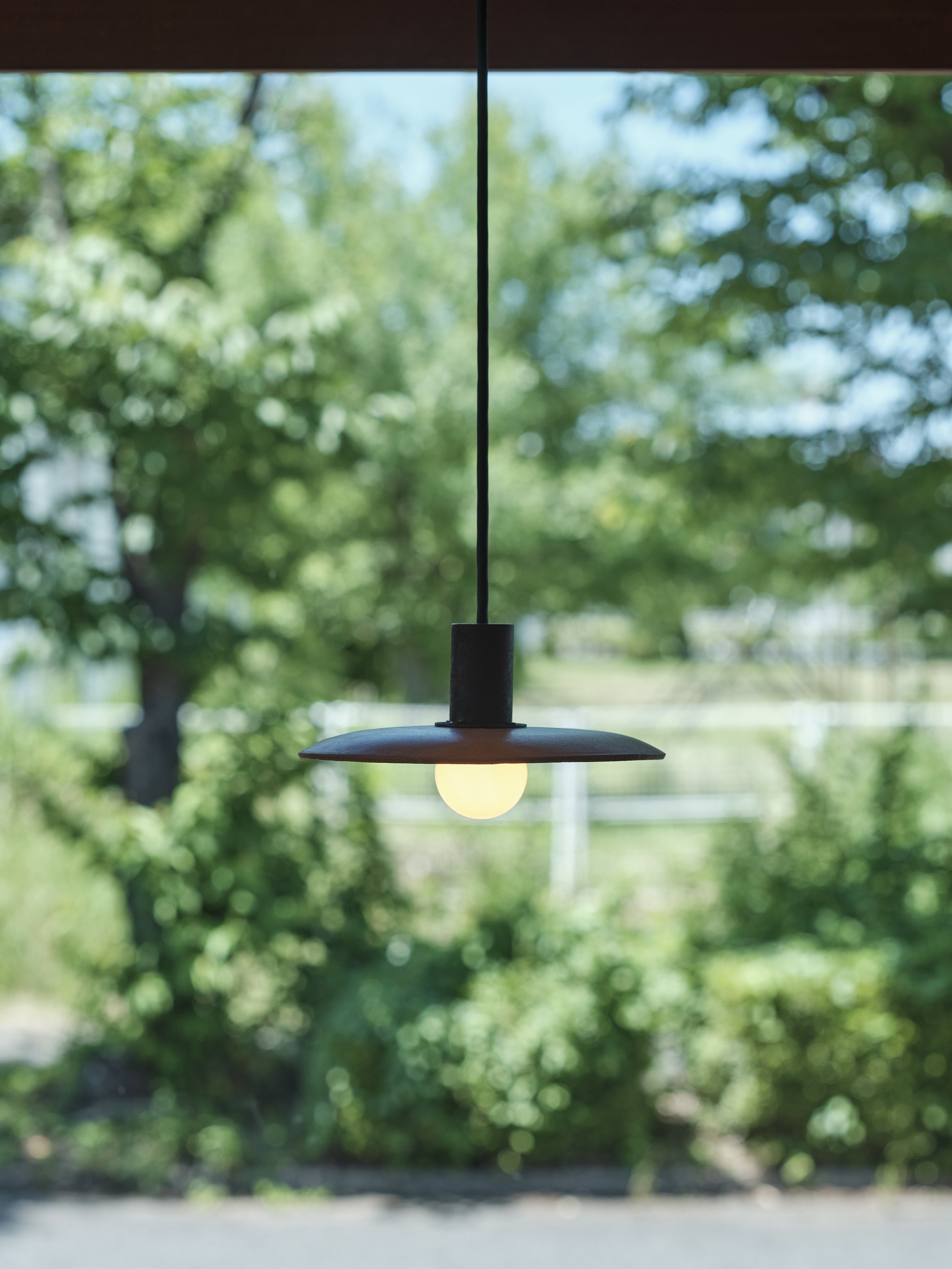
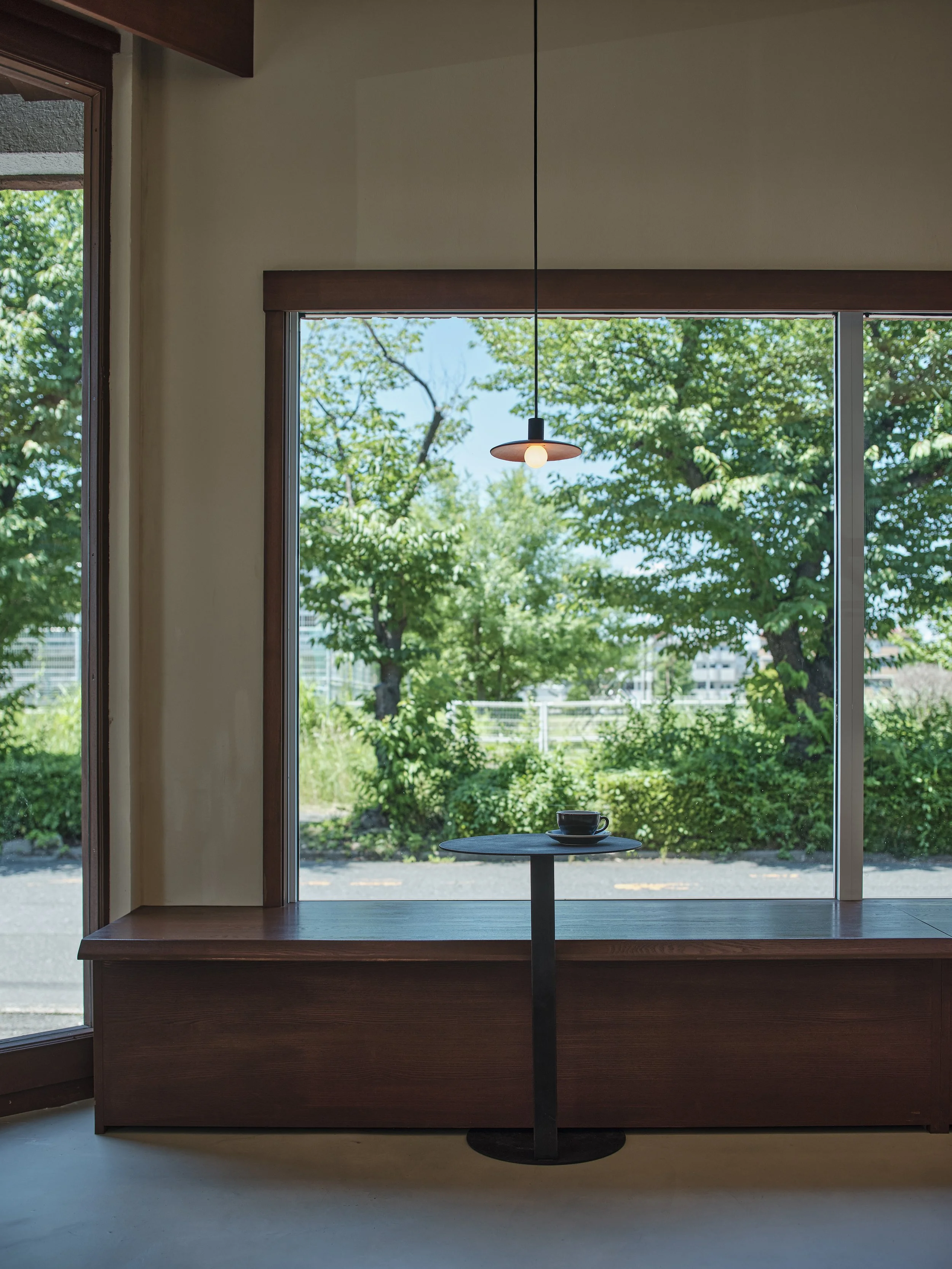
The genius of the layout lies in its permeability. A low, continuous wooden bench runs along the glazing, inviting patrons to sit and gaze outward. The architecture borrows the lush greenery of the streetscape, drawing the changing seasons into the shop. This visual connection does more than please the eye; it serves as a bridge, blurring the line between the private sanctuary within and the vibrant public life outside.
A New Social Fabric
Ultimately, this project is fueled by the belief that coffee possesses the power to transcend borders. By collaborating with local artisans on the furniture and cultivating a gallery-like atmosphere, the shop weaves itself into the regional story.
This is a space designed to grow deeper, not merely older. As the iron develops richer patina and the wood darkens, as conversations among strangers blossom into friendships, this corner of Tsukuba is becoming exactly what the city needs: a departure point for a journey toward a warmer, more connected future.
This Project is one of the submission from Merci x Sky Design Awards 2026
Company: hiro nakata atelier
Website: https://hnkt-a.com