

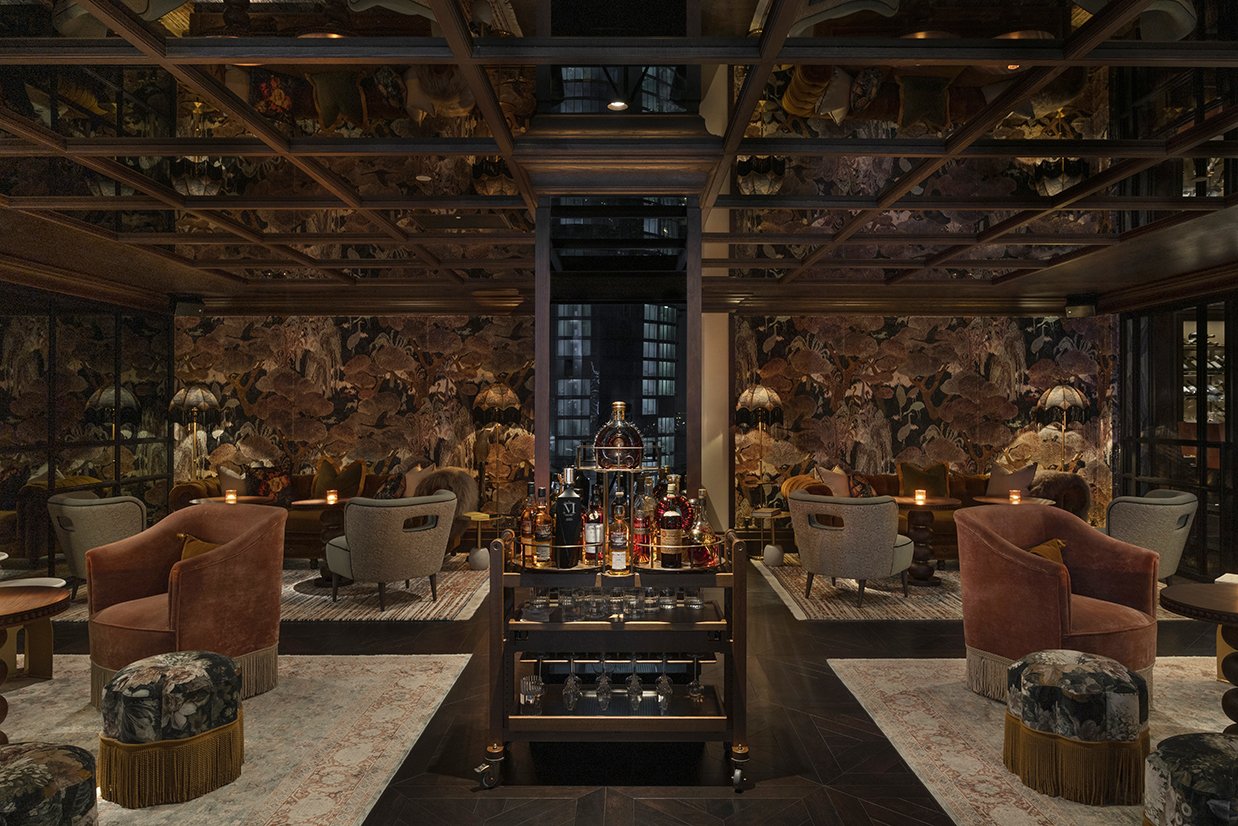
Diversified by Design: The LW Perspective
As the global hospitality landscape undergoes a profound recalibration, LW Design’s 2026 roadmap offers a masterclass in agility. Here, the studio outlines a year defined not by reinvention, but by the confident realization of a borderless creative identity. If 2026 requires a singular thesis for the design industry at large, it is “Diversified by Design.” We are witnessing a fundamental shift in the cadence of guest engagement and the way global hospitality expresses its soul.
As the global hospitality landscape undergoes a profound recalibration, LW Design’s 2026 roadmap offers a masterclass in agility. Here, the studio outlines a year defined not by reinvention, but by the confident realization of a borderless creative identity.
If 2026 requires a singular thesis for the design industry at large, it is “Diversified by Design.” We are witnessing a fundamental shift in the cadence of guest engagement and the way global hospitality expresses its soul. LW Design’s own trajectory serves as a compelling case study: the studio has matured from its foundations as a hospitality specialist into a polymathic force, shaping wellness destinations, nature lodges, and culturally attuned F&B concepts across four continents.
The Wellness Integration
The most significant shift in the current climate is the demand for holistic well-being. Wellness has moved beyond the "spa" annex; it is now the primary lens through which luxury is filtered. This philosophy, attuning the body, mind, and natural environment, requires a design language that sits at the sharp intersection of creative poetry and technical rigor. In an industry where transparency is absolute, the most successful projects are those that unite imaginative storytelling with forensic operational intelligence.
A Global Dispatch: The 2026 Openings
The studio’s 2026 calendar represents a high-water mark for international expansion. The year commences with the sophisticated transformation of the Intercontinental Table Bay in Cape Town, followed by a refined overhaul of the public realm at Grosvenor House Dubai.
By mid-year, the momentum shifts toward the Kingdom of Saudi Arabia, marking a definitive entry into the region's "New Era" of luxury with the debut of Four Seasons Madinah and W Riyadh. Simultaneously, the studio’s work in East Africa, a market poised as the next great growth frontier, reaches a milestone with the JW Marriott Mt. Kenya Rhino Reserve.
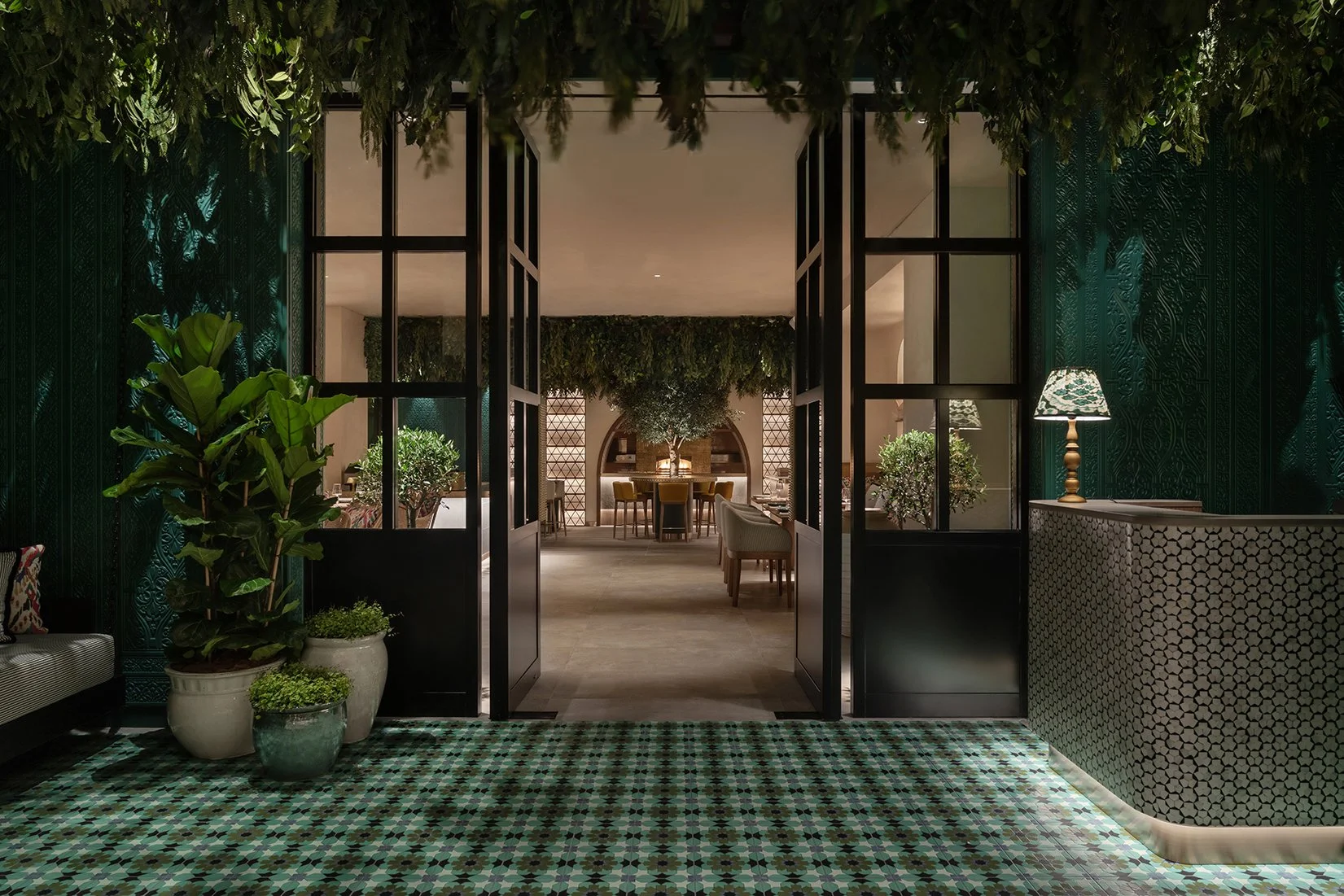
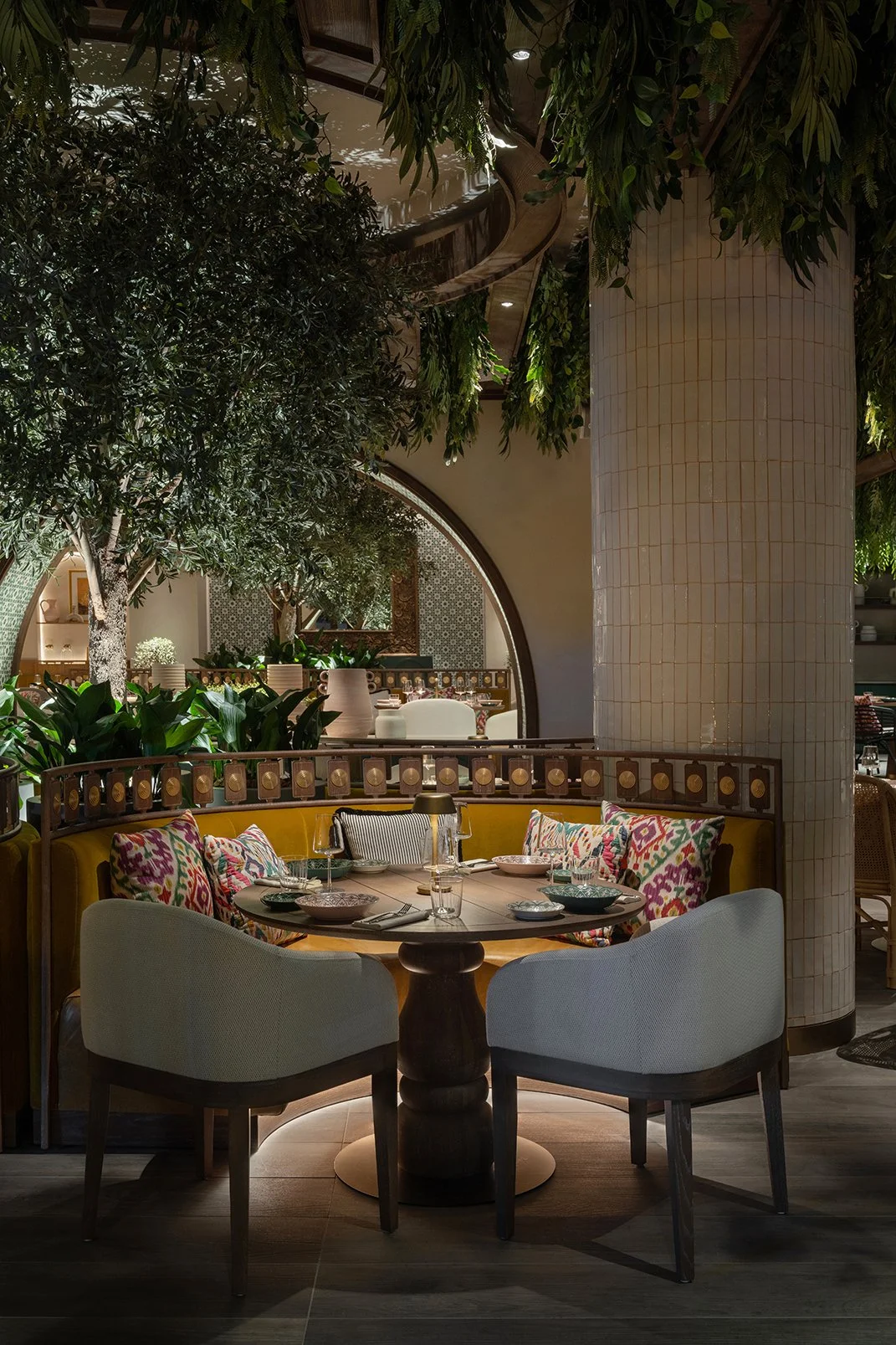
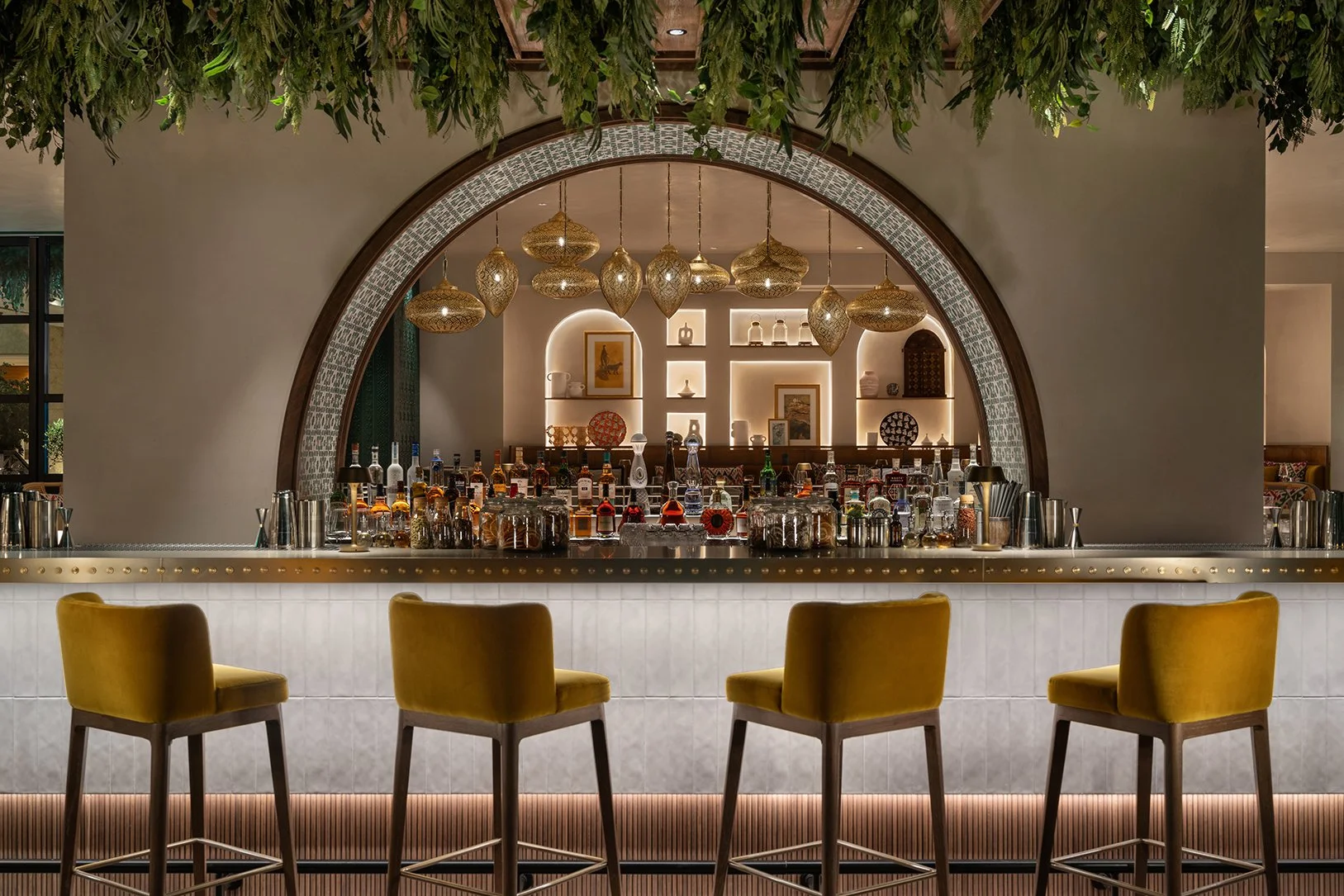
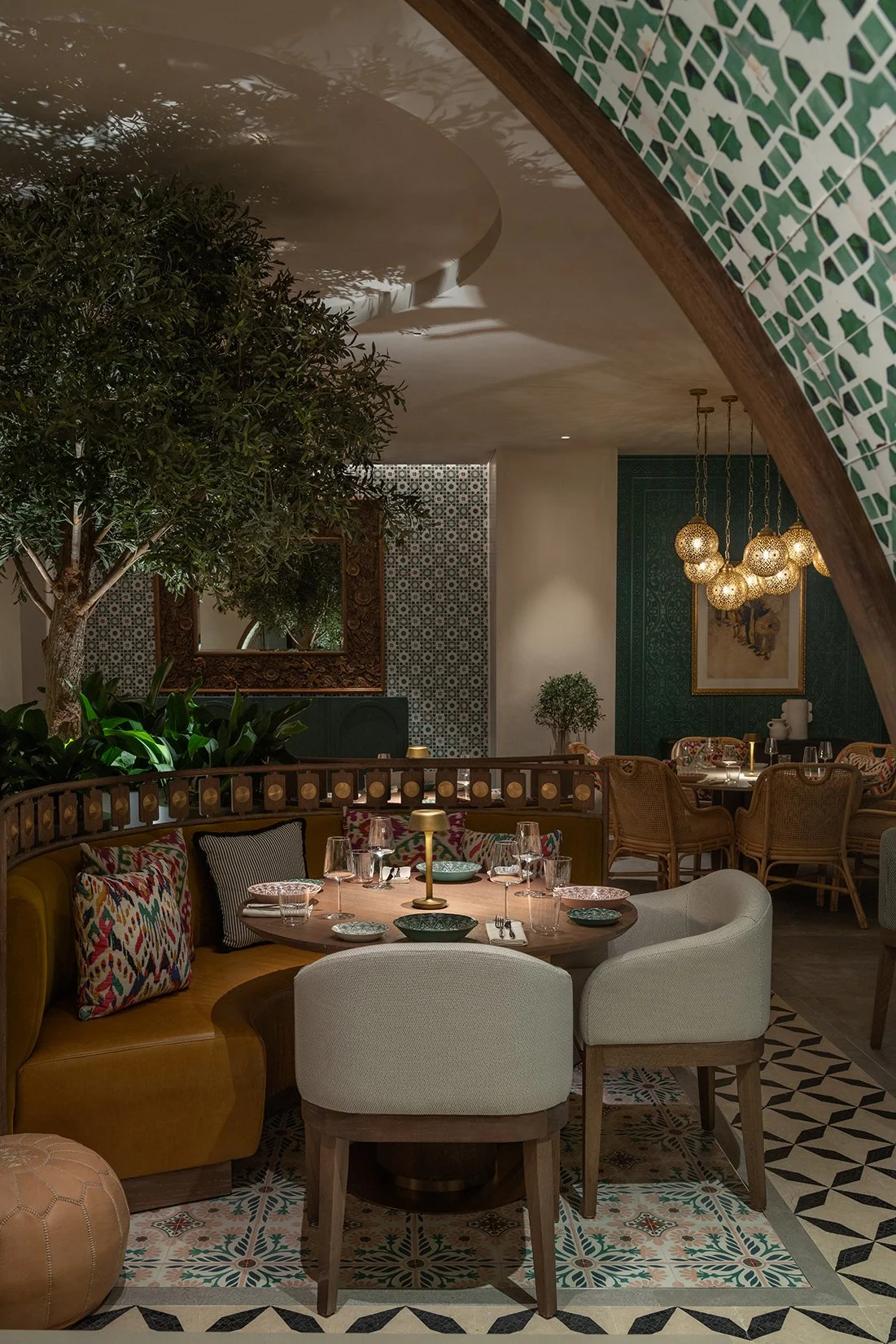
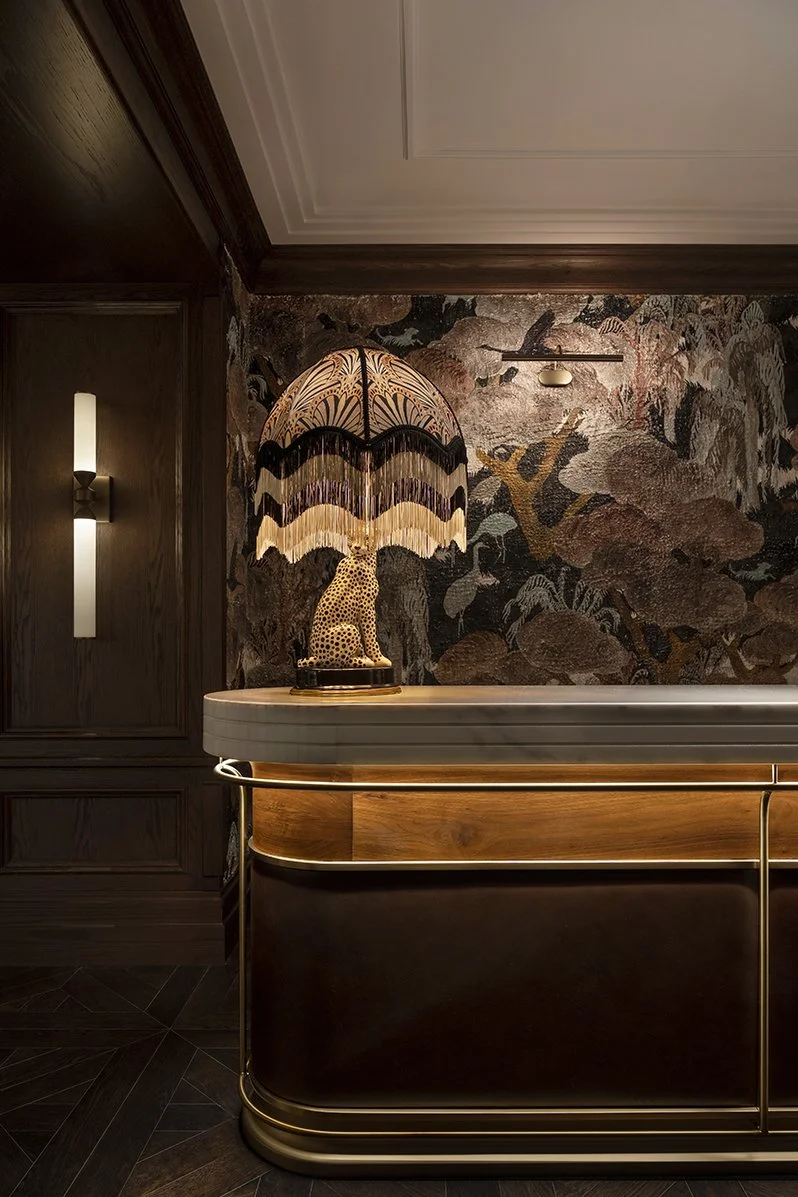
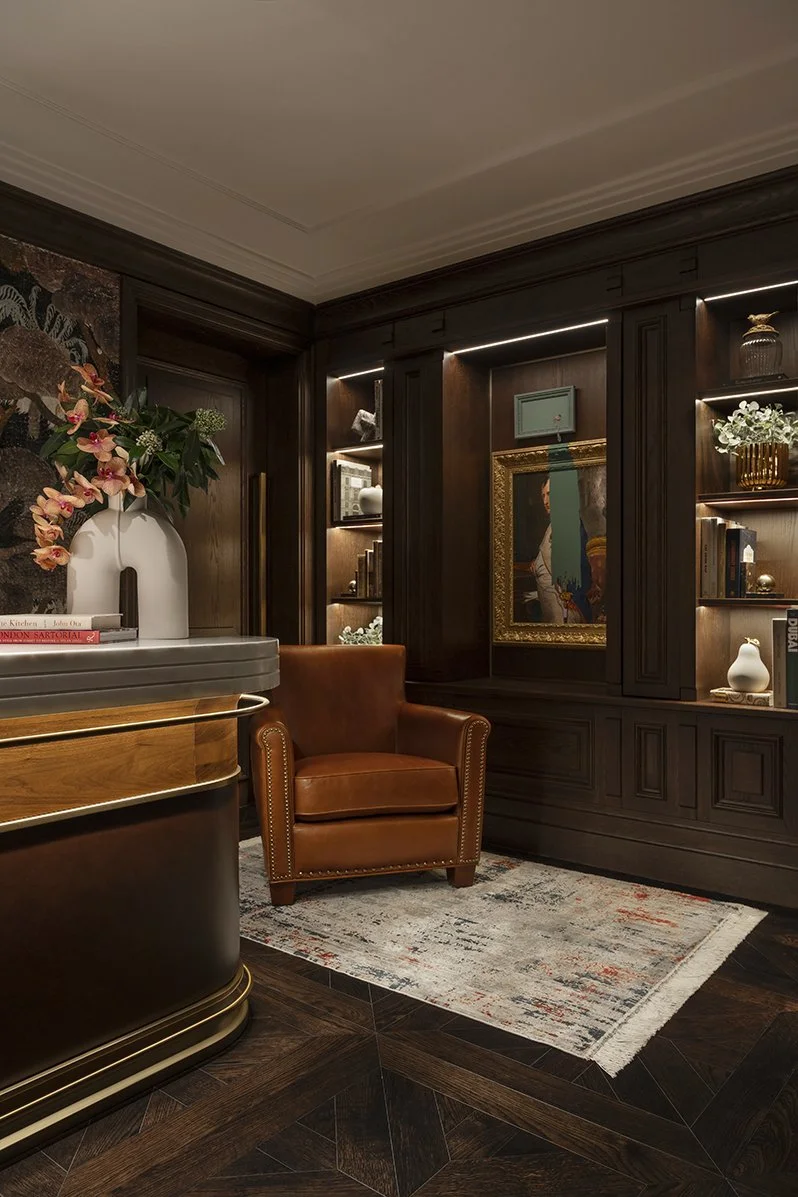
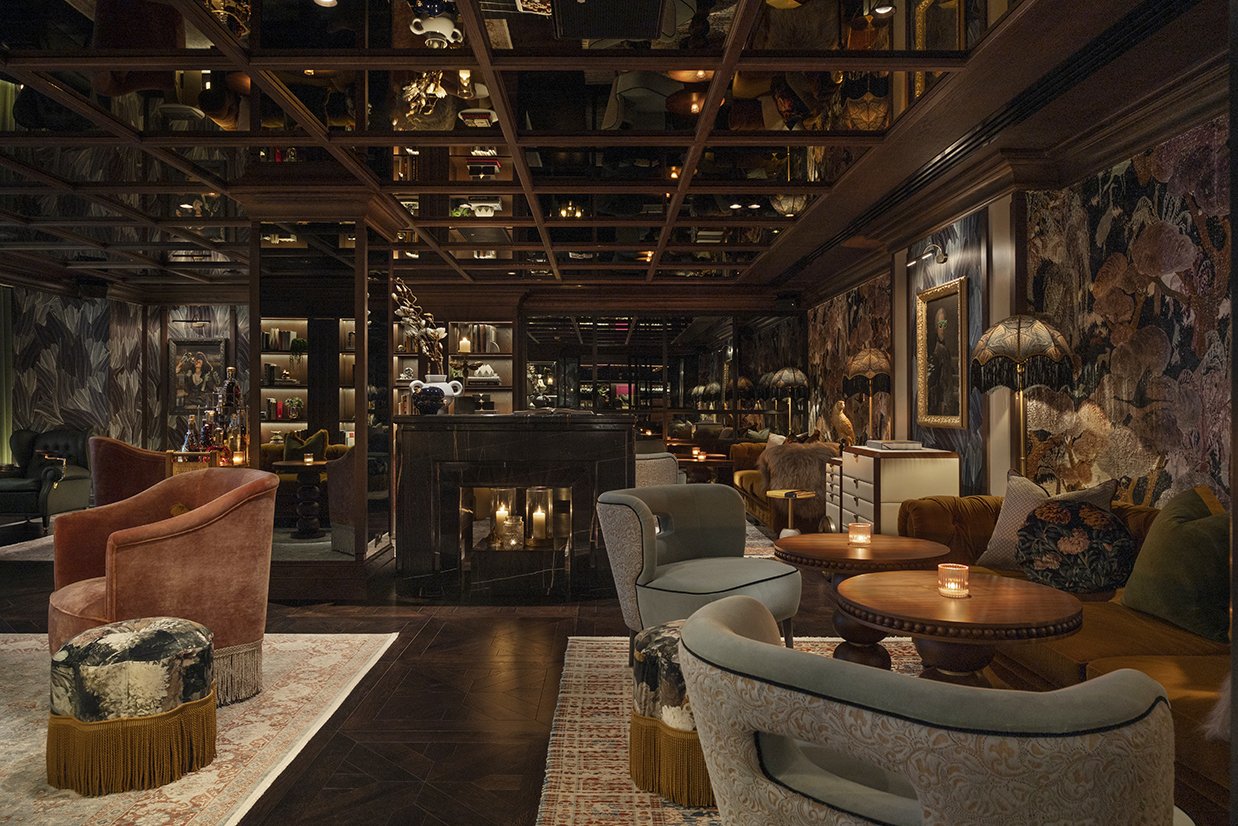
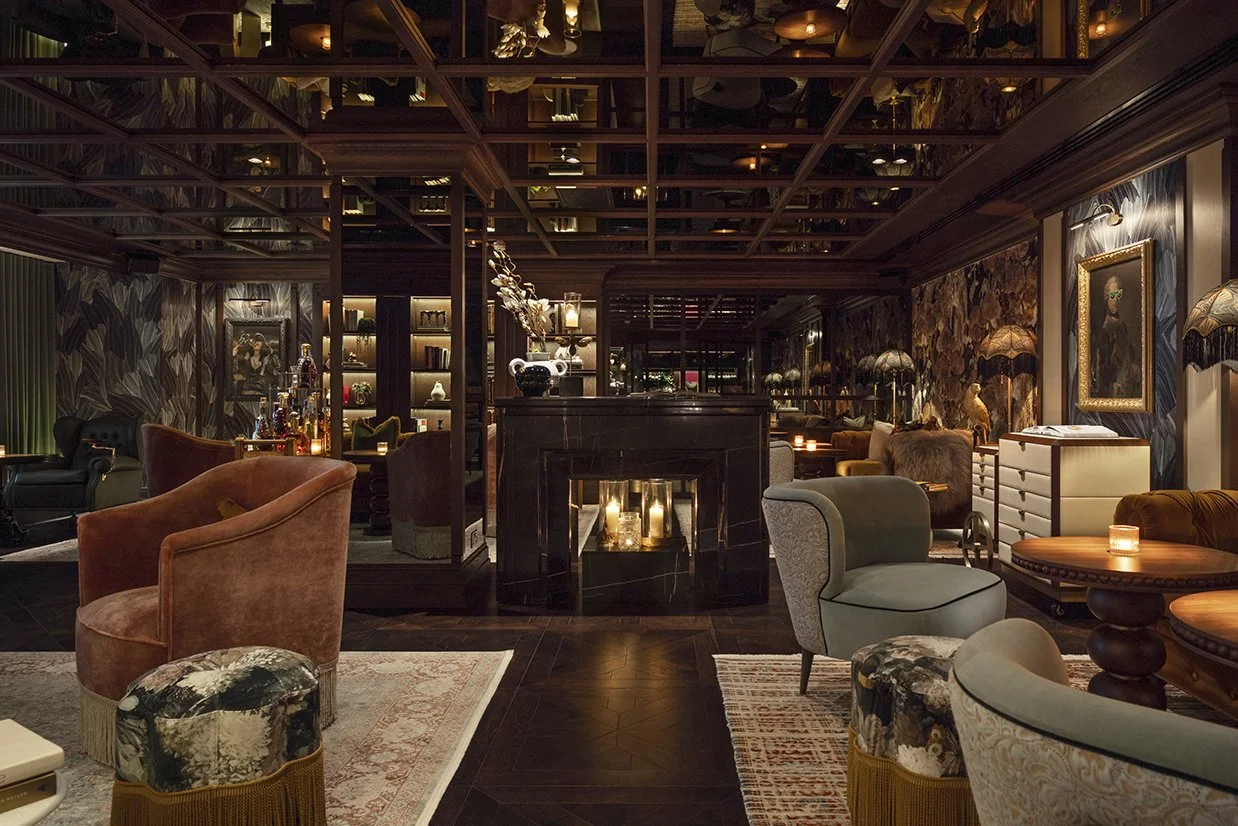
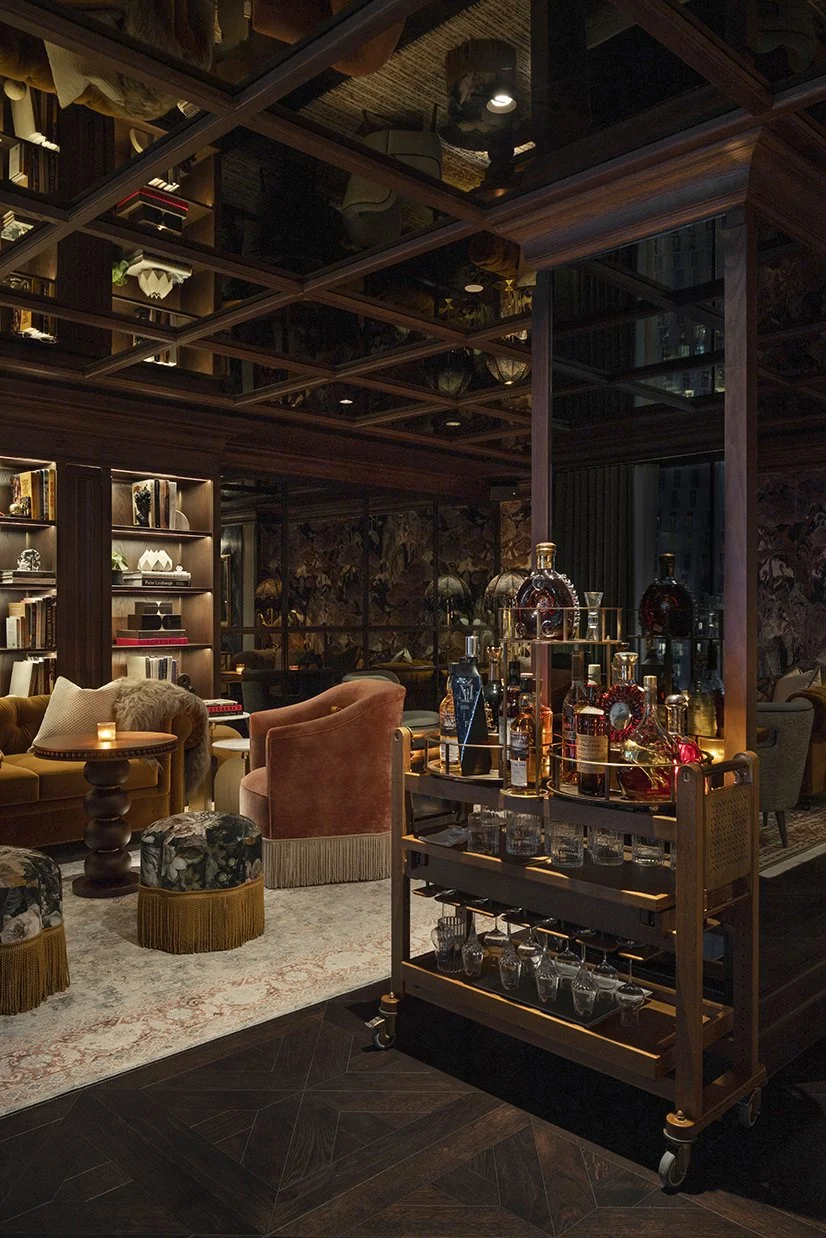
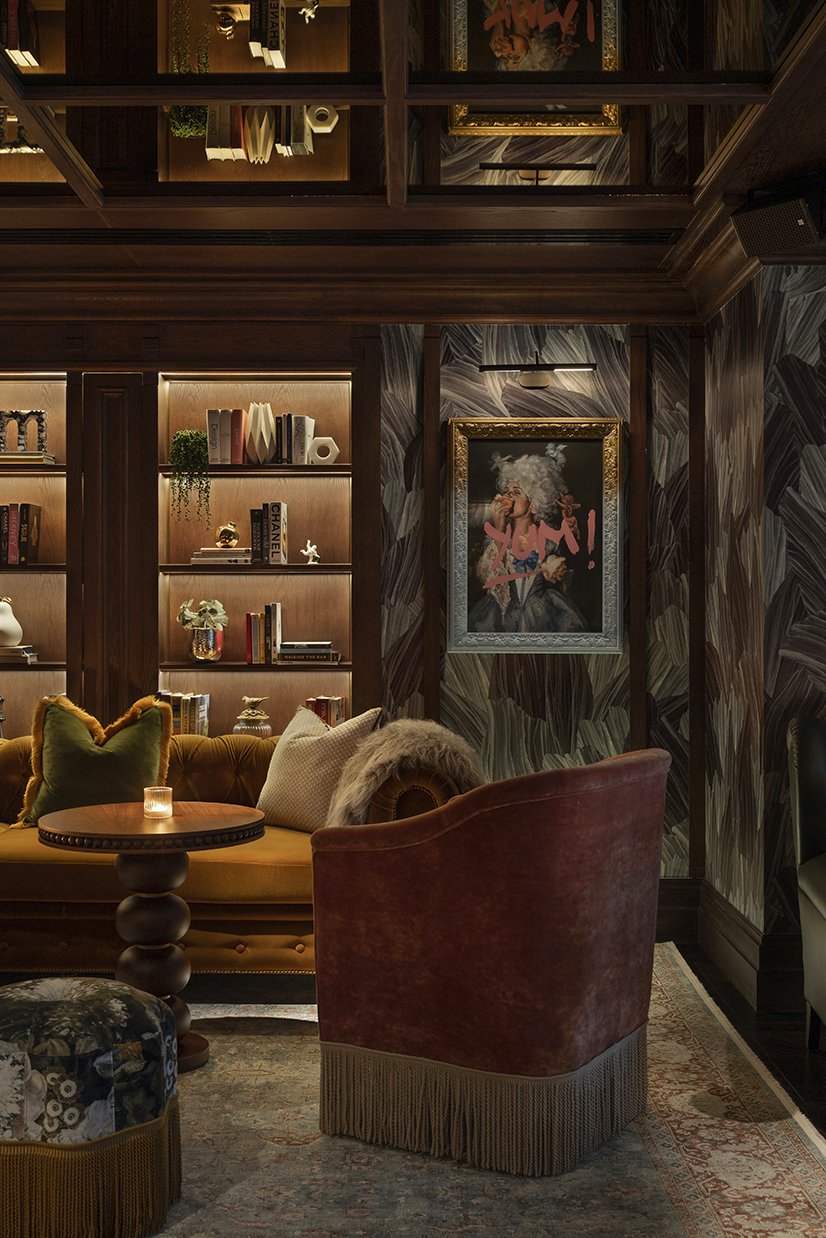
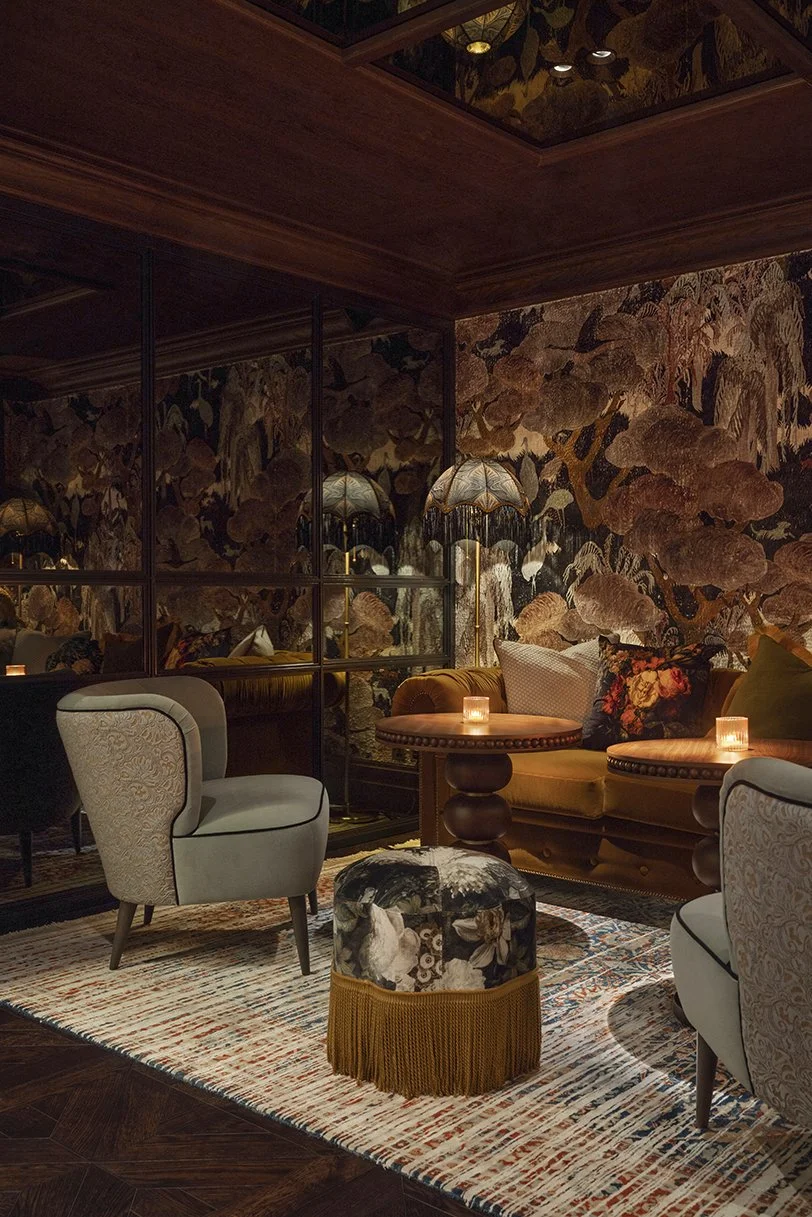
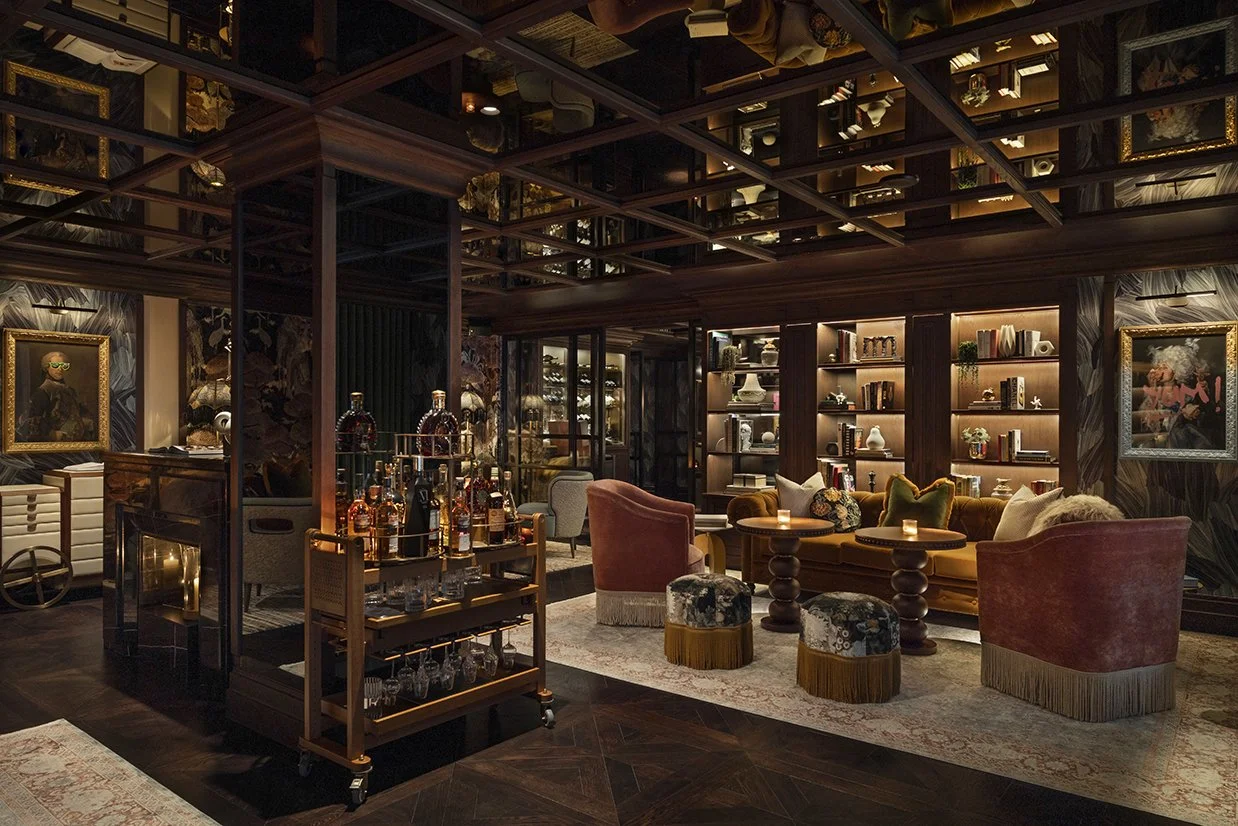
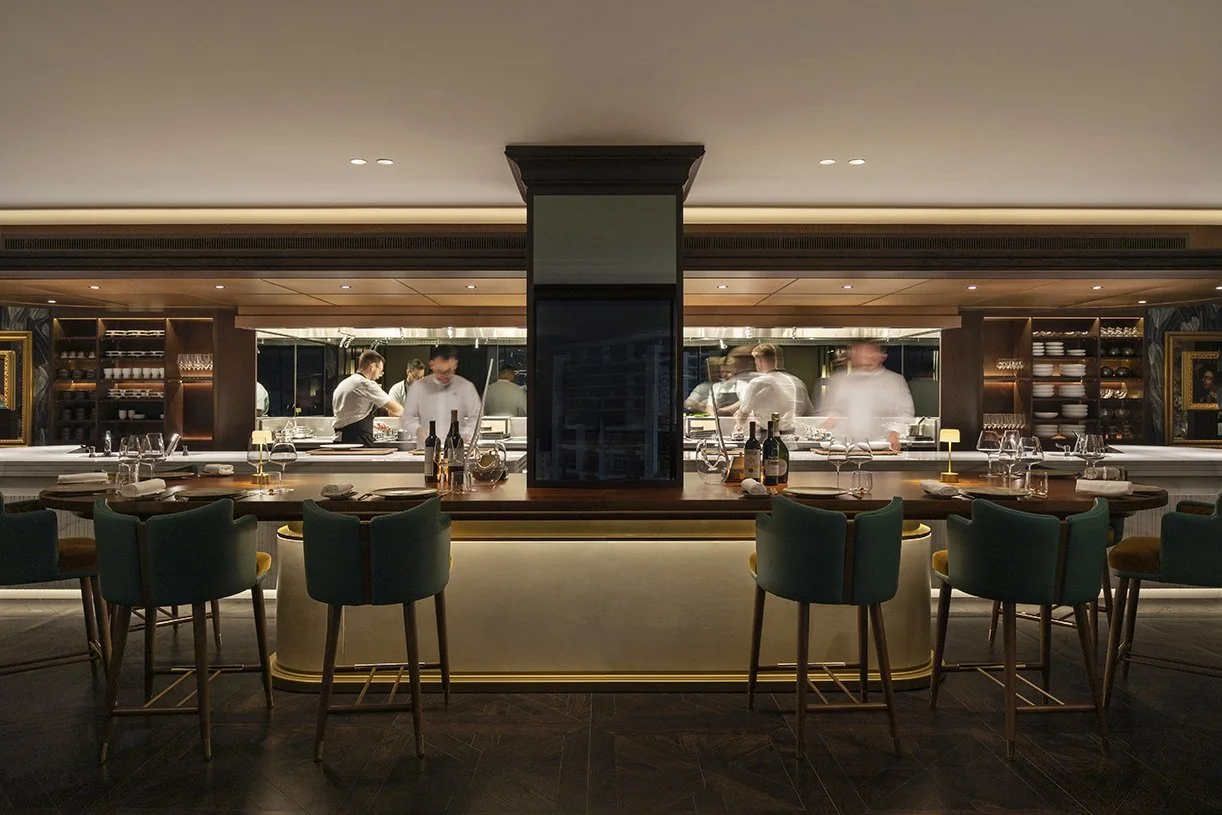
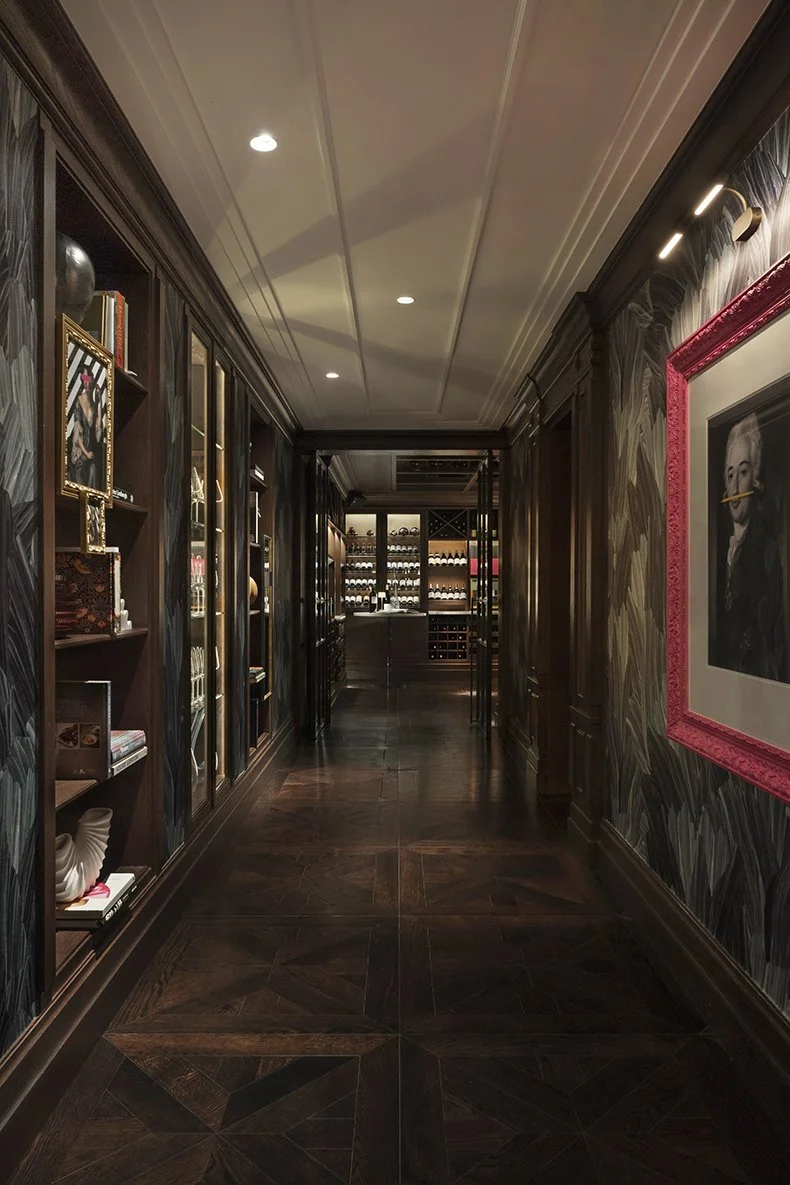
Perhaps the most avant-garde addition to the portfolio is Hotel REM in Macau. Opening in July, this all-suite concept within the City of Dreams complex is a vibrant and eclectic exercise in narrative-driven design, demonstrating that luxury in 2026 is as much about character as it is about comfort.
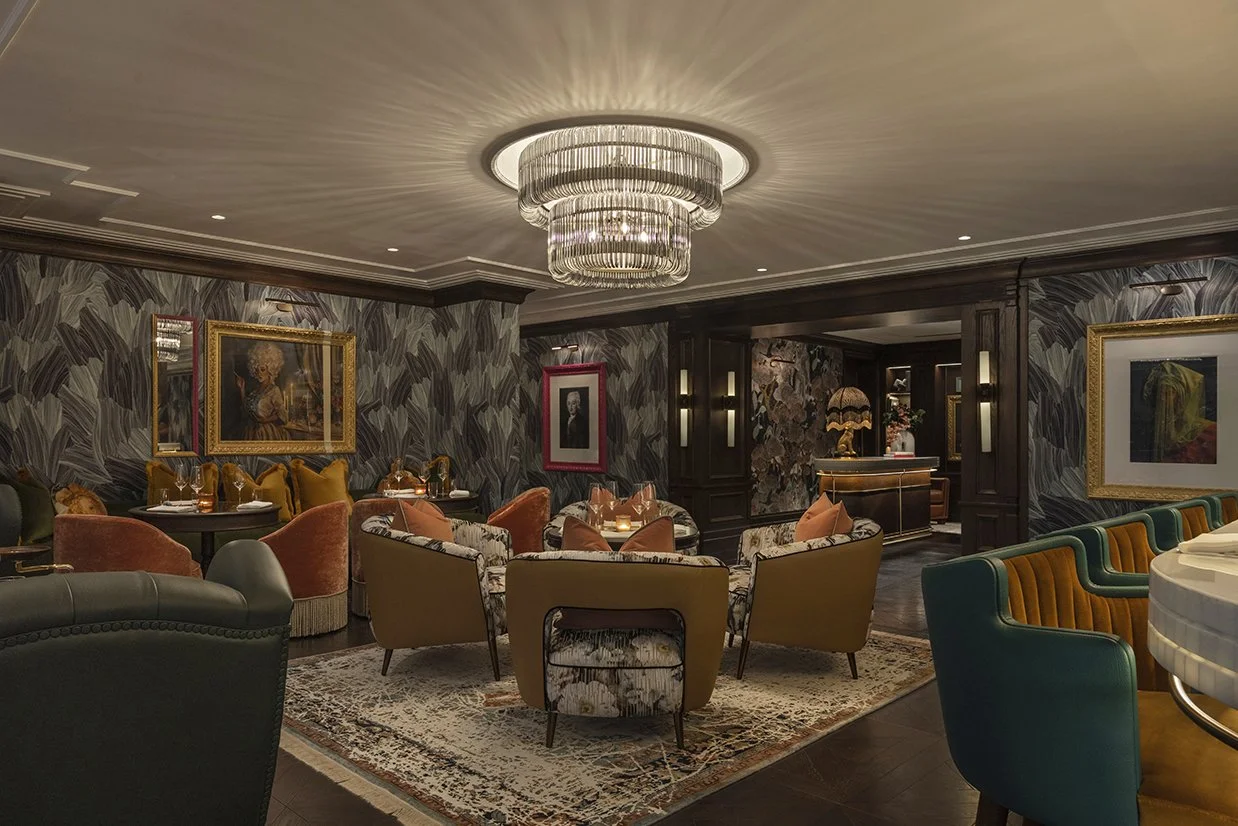
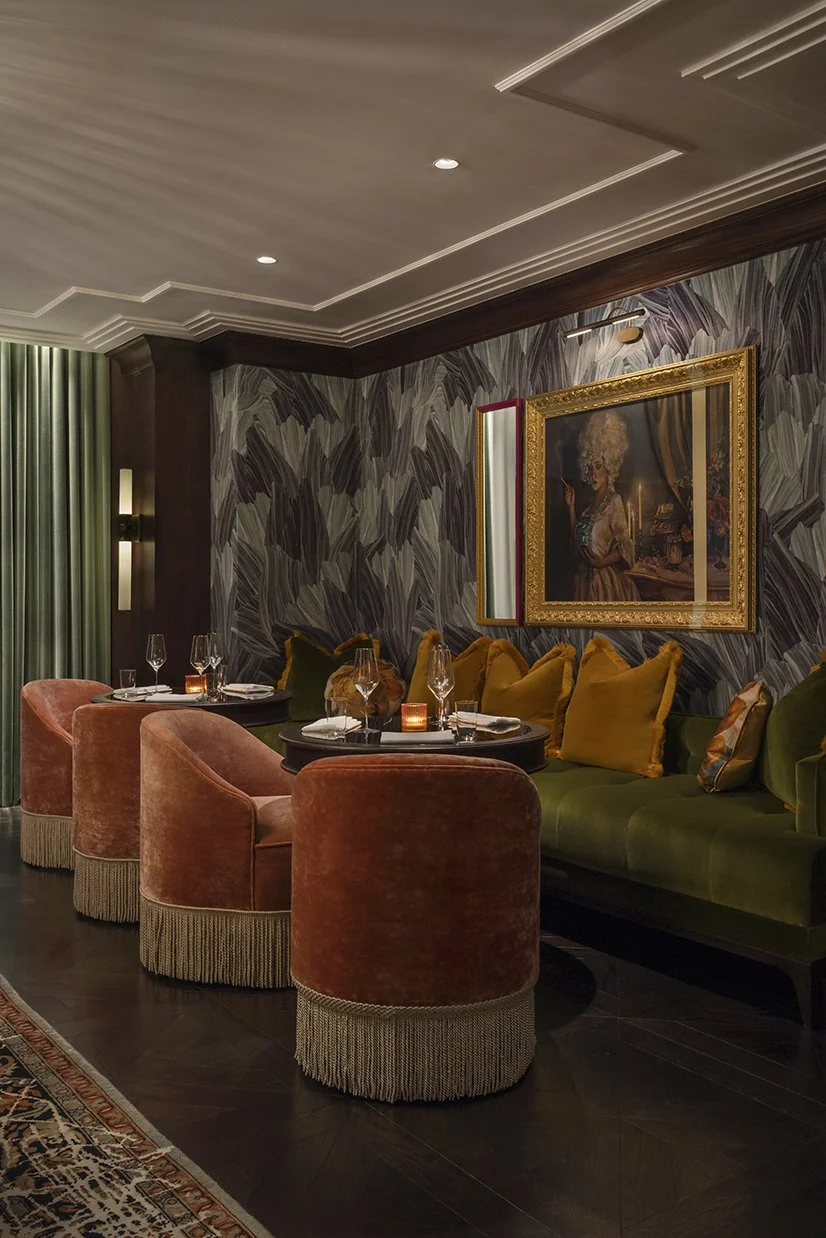
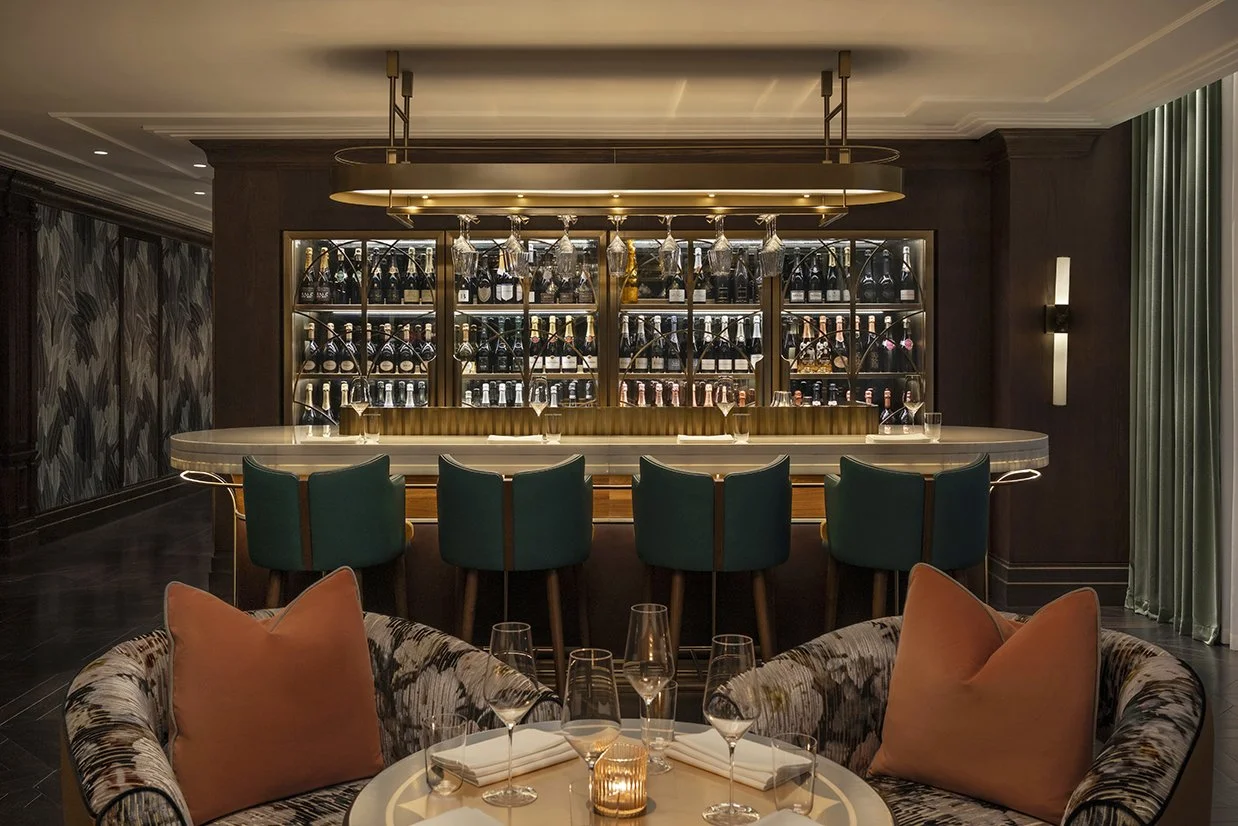
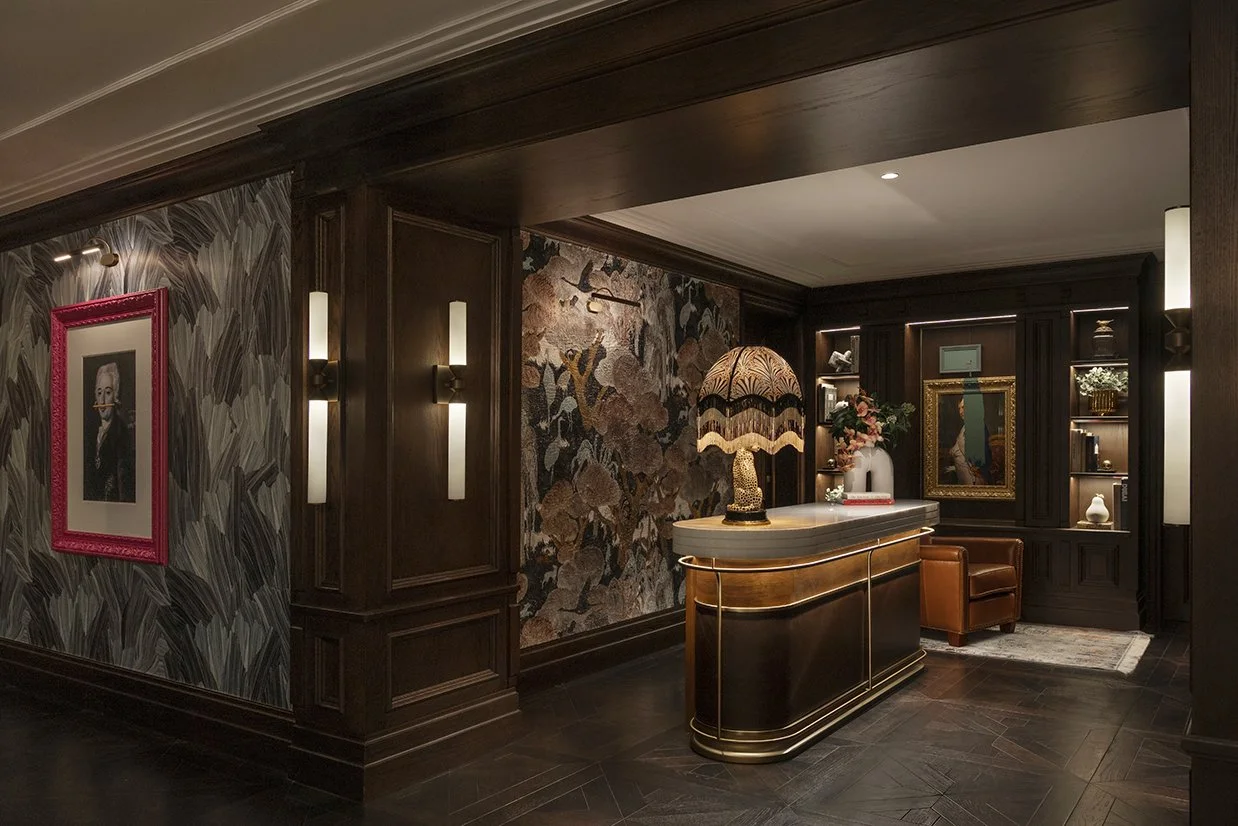
The Art of the Journey
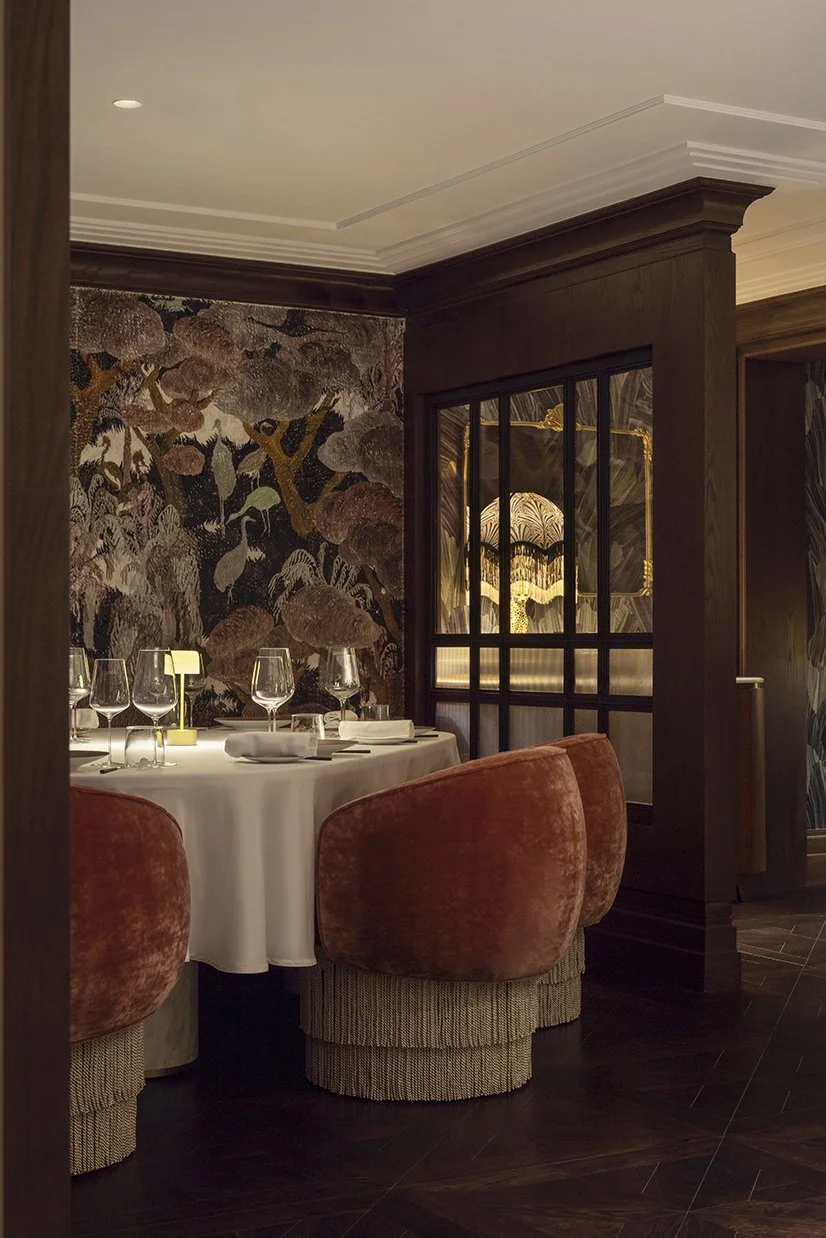
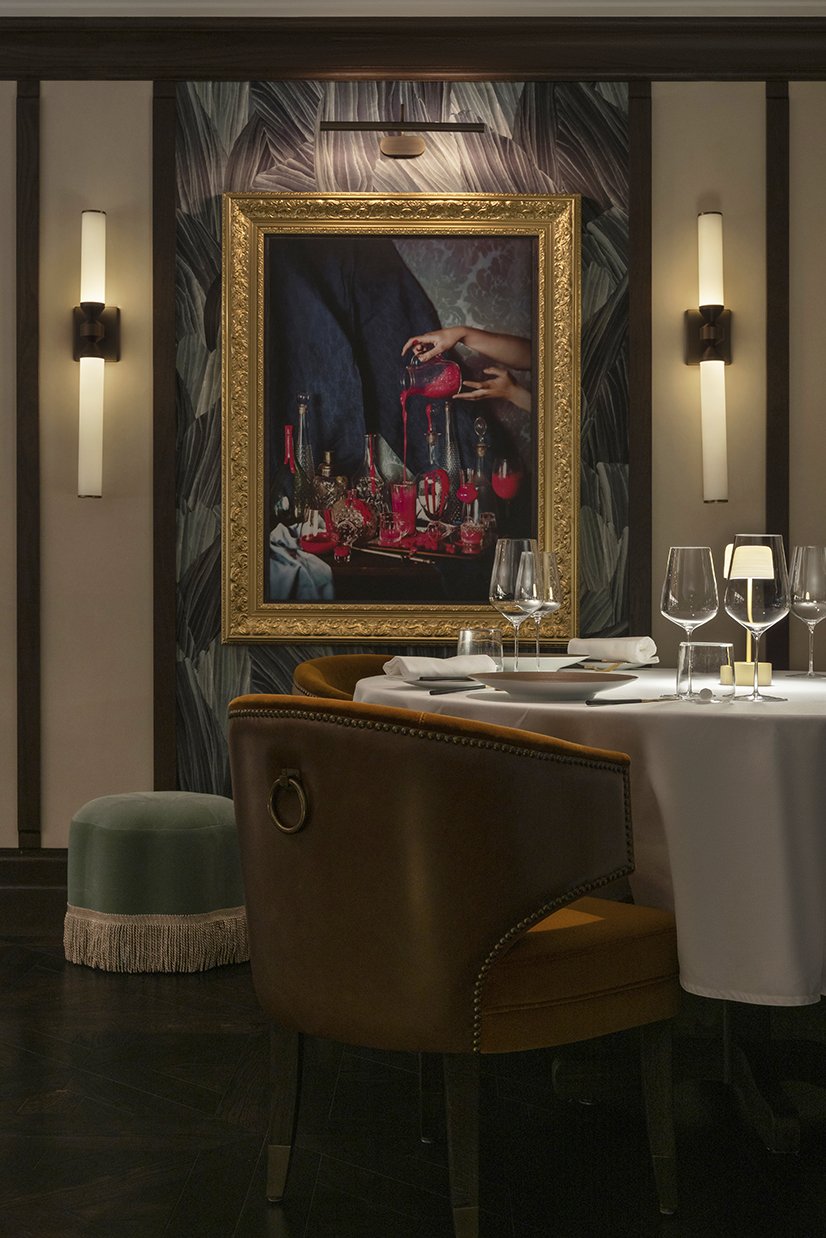
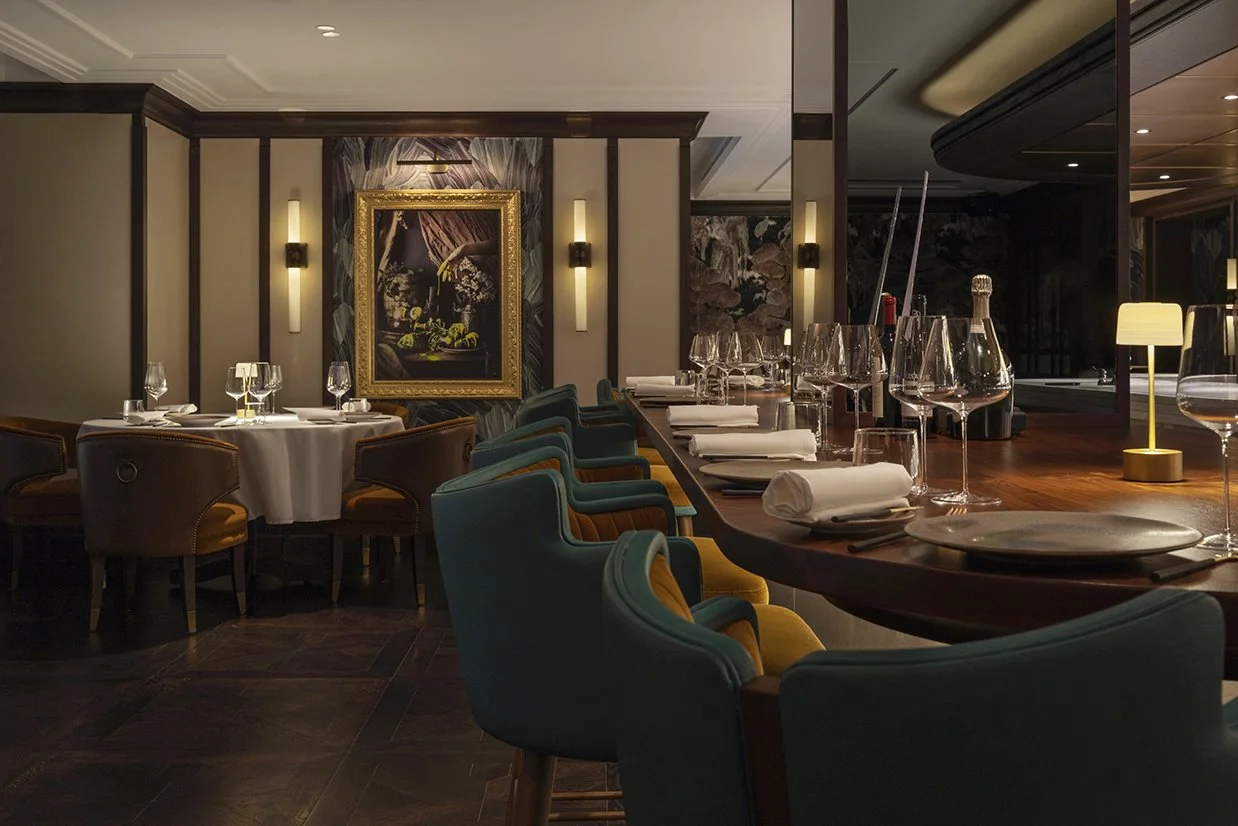
As the studio’s geographic footprint expands, the core philosophy remains anchored in the art of the journey. Whether crafting a wilderness lodge in Kenya or a high-octane dining room in Toronto, the sequence of arrival and the emotional impact of transition guide the work. A wellness retreat in Malta requires a different rhythmic sensitivity than a Riyadh flagship, yet the underlying intention to foster connection and discovery remains the unwavering constant.
A Year of Realization
2026 is less about change and more about clarity. LW Design has reached a point of alignment where creative voice and global experience meet. It is a year defined by a borderless mindset, one that treats every project not as a regional task, but as a contribution to a global conversation on how we live, dine, and rest.

A New Era of Smart Travel: Holiday Inn Express Opens in Midosuji, Osaka
In a significant development for Japan's hospitality sector, IHG has opened its first Holiday Inn Express in the vibrant heart of Midosuji, Osaka. This new property, with its unique blend of functionality and comfort, marks an essential change in the travel landscape. It embodies the brand's philosophy of 'simple, smart travel' and is designed to cater to the needs of today's discerning travellers. With its strategic location, modern amenities, and thoughtful design, the hotel promises a unique and memorable stay experience.

In a significant development for Japan's hospitality sector, IHG has opened its first Holiday Inn Express in the vibrant heart of Midosuji, Osaka. This new property, with its unique blend of functionality and comfort, marks an essential change in the travel landscape. It embodies the brand's philosophy of 'simple, smart travel' and is designed to cater to the needs of today's discerning travellers. With its strategic location, modern amenities, and thoughtful design, the hotel promises a unique and memorable stay experience.
The hotel's design theme, aptly named "Smart & Comfy," is a unique blend of modern travel essence, prioritizing practicality and relaxation. Situated along the prestigious Midosuji Avenue, the hotel's stunning backdrop inspires its interior design, reflecting the grandeur and vibrancy of the area. The careful incorporation of the brand's signature blue colour—symbolizing comfort and trust—adorns the lobby and public spaces, creating an inviting atmosphere that feels familiar and distinctive.
As guests enter the lobby, they are welcomed by a striking reception area filled with deep blue tones, creating a memorable first impression. This bold use of colour highlights the hotel's branding and fosters a sense of warmth and hospitality, encouraging travellers to relax after their journey. At this reception, Osaka's true essence begins to unfold.
The esteemed MITSUI Designtec expertly designed the hotel's interior, combining aesthetic appeal and functionality. A standout feature is the beautifully crafted map installation, which highlights Osaka's most beloved tourist attractions. Positioned for maximum visibility from the reception counter, this interactive art piece serves a dual purpose: a visual delight and a conversation starter. This thoughtful design element fosters interactions between guests and hotel staff, enriching the guest experience by encouraging discussions about the myriad adventures awaiting in the vibrant city of Osaka.

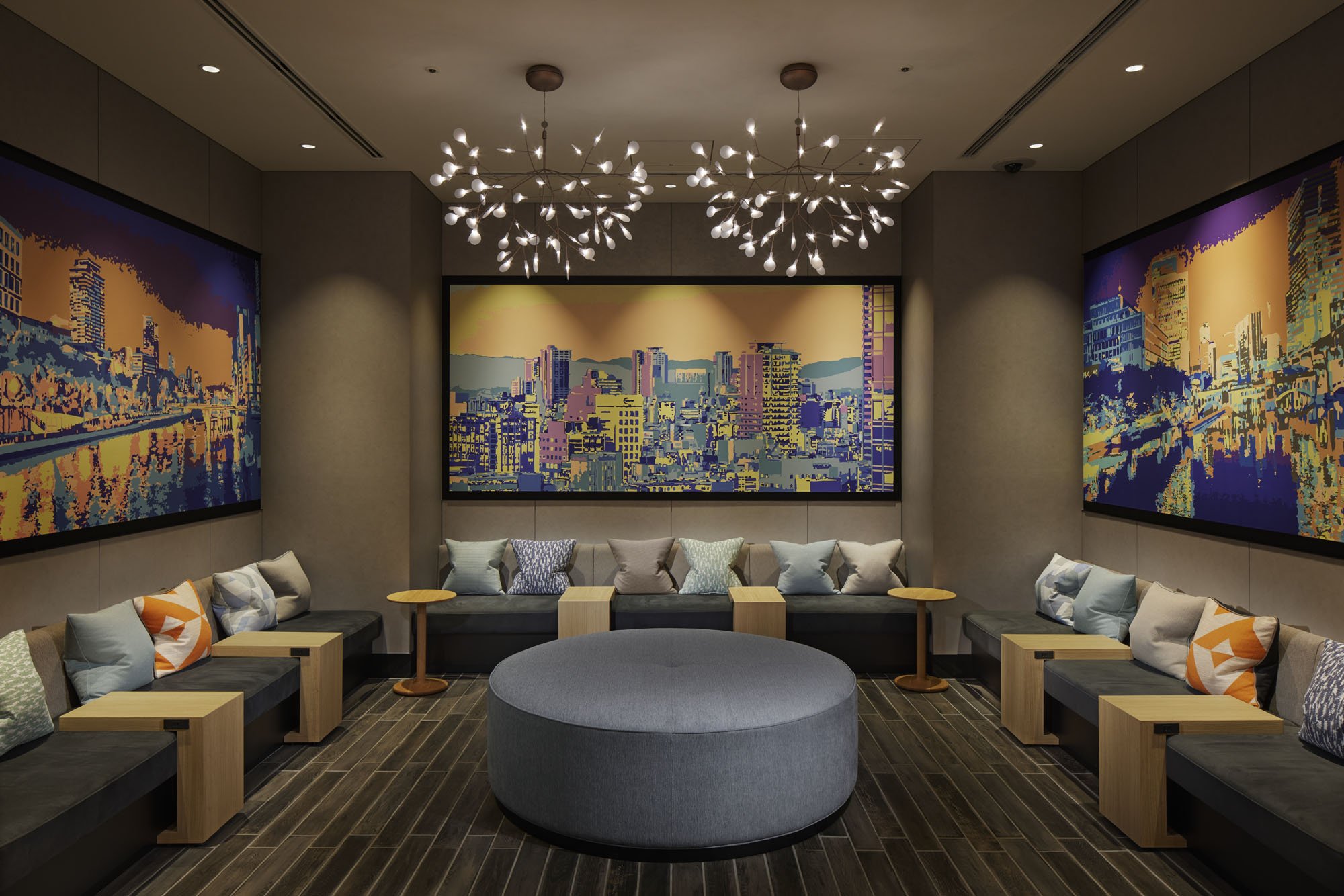
In addition to the map, the hotel features graphic wall art that showcases evocative scenes from the local neighbourhood. This artwork offers guests a visual narrative of their surroundings and a deeper connection to the city's culture. These impressive depictions, including representations of the Osaka dialect, enhance the sense of place, allowing visitors to connect with the city and its culture. Such meticulous attention to the local experience reflects the hotel staff's commitment to ensuring guests leave with cherished memories, creating a bond beyond a typical stay.
The hotel's unwavering commitment to creating a comforting and memorable atmosphere is evident in every aspect of the guest experience. From the well-appointed rooms designed for relaxation to communal spaces that encourage socialization, the Holiday Inn Express in Midosuji is more than just a place to rest; it is a thoughtfully curated environment that celebrates the essence of Osaka while catering to the needs of modern travellers.
As Japan's first Holiday Inn Express, this property sets a new standard for intelligent, comfortable, and culturally attuned hospitality. It reinforces IHG's dedication to blending international standards with local flavours and serves as a testament to Japan's evolving nature of travel. In a city renowned for its rich heritage and vibrant atmosphere, the Holiday Inn Express in Midosuji stands out as a modern hospitality beacon, inviting guests to explore, engage, and create lasting memories in the heart of one of Japan's most dynamic cities.
For more information, please visit: https://www.mitsui-designtec.co.jp/
*This project is one of the shortlisted project in the Sky Design Awards 2024 - Interior Design - Hotel & Resorts Division
Designer Profile


Crafting Soulful Luxury: Jean-Michel Gathy Redefines Hospitality Design with Janu Tokyo
In March 2024, Gathy revealed his latest masterpiece, Janu Tokyo, the highly anticipated flagship hotel for Aman's new sister brand. Janu, which means "soul" in Sanskrit, aims to blend mindful luxury and vibrant social energy. This concept is perfectly captured in the design of the Tokyo property, which combines European flair with understated Japanese elegance. Traditional Sakan wall plastering complements French-inspired interiors, resulting in a dynamic, timeless atmosphere that embodies both the ethos of the Janu brand and Gathy's signature design approach, where contemporary luxury meets cultural heritage.
Jean-Michel Gathy, the visionary behind some of the world’s most iconic luxury hotel interiors, continues to redefine the boundaries of opulence and design. As principal designer at DENNISTON, the architecture firm he founded in 1983, Gathy has established a reputation for crafting spaces that are as meticulously detailed as they are awe-inspiring. His portfolio reads like a who’s who of luxury hospitality, with celebrated projects for global heavyweights such as Mandarin Oriental, One&Only, and most recently, the flagship Aman New York.
In March 2024, Gathy unveiled his latest masterpiece, Janu Tokyo, the much-anticipated flagship hotel for Aman’s new sister brand. Janu, which translates to “soul” in Sanskrit, aims to strike a balance between mindful luxury and a vibrant social energy—a concept that Gathy has effortlessly encapsulated in the Tokyo property. The design merges European flair with understated Japanese elegance, with traditional Sakan wall plastering complementing French-inspired interiors. The result is a dynamic, timeless atmosphere that reflects both the ethos of the Janu brand and Gathy’s signature design approach, where contemporary luxury meets cultural heritage.
The crown jewel of Janu Tokyo is undoubtedly the Janu Suite. Spanning an impressive 284 square meters (3,057 square feet), this suite offers panoramic views of Tokyo Tower and the lush Azabudai Hills Garden Plaza from its two expansive balconies. Inside, the space is thoughtfully laid out with residential-scale living areas, a private study and library, and a spa-like bathroom complete with a double vanity, rain shower, and soaking tub. Every detail, from the seamless flow of space to the artfully curated furnishings, speaks to Gathy’s unmatched ability to combine comfort with grandeur.


Born in Belgium in 1955, Gathy’s early fascination with architecture was sparked during family trips across Europe, where he developed a keen eye for the nuances of different cultures and landscapes. By 1981, he had relocated to Asia, where his passion for innovative, luxury design found its perfect canvas. Over the past four decades, DENNISTON has become synonymous with cutting-edge hospitality design, and Gathy himself has emerged as a trailblazer in the industry.
Gathy’s impact has not gone unnoticed. His work has been widely published, and he is frequently invited to speak at international conferences. His numerous accolades include his induction into the prestigious "Platinum Circle of Hospitality Design" in 2006, an honor reserved for those who have significantly shaped the world of hotel design. In 2019, Gathy was awarded the title of "Officer of the Order of the Crown" by His Majesty Philippe, King of Belgium, recognizing his outstanding contributions to the field. More recently, in 2022, he received the Outstanding Contribution Award from AHEAD (Awards for Hospitality Experience and Design), further cementing his legacy as a pioneer in luxury design.
With Janu Tokyo, Gathy not only introduces a fresh design language to Japan’s hospitality scene but also reinforces his enduring commitment to innovation and excellence. The property exemplifies his ability to blend cultural influences with modern luxury, creating environments that are as soulful as they are sophisticated. As Janu continues to expand globally, Gathy’s design for the Tokyo flagship sets the tone for a new era of dynamic, design-forward luxury hotels.

Centara Grand Hotel Osaka: A Harmonious Fusion of Japanese and Thai Aesthetics
The Centara Grand Hotel Osaka, a masterpiece designed by Nikken Space Design, is a harmonious blend of Japanese and Thai aesthetics. This unique fusion intertwines Japan's refined traditions with Thailand's vibrant cultural essence, promising a captivating and intriguing experience for our esteemed guests. The hotel's design, a significant milestone as the Central Group extends its luxurious hospitality brand into the heart of Japan, is a visual testament to our commitment to providing a distinctive and unforgettable experience.

The Centara Grand Hotel Osaka, a masterpiece designed by Nikken Space Design, is a harmonious blend of Japanese and Thai aesthetics. This unique fusion intertwines Japan's refined traditions with Thailand's vibrant cultural essence, promising a captivating and intriguing experience for our esteemed guests. The hotel's design, a significant milestone as the Central Group extends its luxurious hospitality brand into the heart of Japan, is a visual testament to our commitment to providing a distinctive and unforgettable experience.
As you step into the lobby, you're enveloped in an atmosphere that mirrors the energy of a bustling Thai alley, igniting a sense of excitement and intrigue. Vibrant furnishings and elements inspired by the Japanese tea ceremony blend together, creating a dynamic space that prioritizes hospitality and sophisticated design. This meticulously crafted environment is a testament to our unwavering commitment to providing a distinctive and unforgettable experience for our cherished guests, ensuring their comfort and enjoyment from the moment they arrive.
The all-day dining area, a vibrant homage to the lively Thai marketplace, is a feast for the senses. Divided into two distinct yet complementary spaces, it captures the energy of Thai street food stalls on one side and the chic market ambiance on the other. Enhanced by striking red neon lights and elegant chandeliers, the central bar counter acts as an artistic focal point, seamlessly connecting these areas and inviting guests to savor the flavors of Thailand in a contemporary setting, creating a vibrant and immersive dining experience.
The banquet area is designed to honour the traditional art of bamboo crafting, a cherished practice in Japan and Thailand. This design is reflected in the artwork, furniture, and carpets featuring bamboo motifs, showcasing elegant weaving techniques celebrating the natural world. The walls are decorated with organic materials and custom artwork inspired by Thai flora, bringing colour and life into the space and creating an engaging atmosphere for celebrations and gatherings.


The hotel's spa offers a peaceful retreat inspired by the soft and chewy textures of wagashi and traditional Japanese sweets. Guests are welcomed in the reception area, which includes a translucent divider reminiscent of candy, guiding them into a calm atmosphere. Here, they can relax and revitalize with exceptional Thai massages, all while enjoying soothing views of the garden.
The elevator hall is designed to evoke the enchanting Thai Lantern Festival, creating a sense of anticipation for the delights on the upper floors. The Club Lounge, located on the 26th to 31st floors, features a design inspired by traditional Japanese kimonos. Original patterns, blending elements of Thai design, are integrated into screens and graphics, creating an atmosphere of refined luxury.
"Our vision at the Centara Grand Hotel Osaka is to provide guests with a captivating and enriching stay that deepens their understanding of the intricate tapestries of Thai and Japanese cultures. Our fusion of design and experience encourages exploration, inspiring visitors to delve deeper into the rich cultural landscapes that define these two remarkable nations." - Said by the design team from Nikken Space Design.
For more information, please visit: https://nspacedesign.co.jp/
*This project is one of the shortlisted project in the Sky Design Awards 2024 - Interior Design: Hotel & Resorts Division

Sora-kan: A Harmonious Blend of Nature and Artistry in the Heart of Beppu designed by MITSUI Designtec Co.,Ltd.
Located in the heart of Beppu's stunning landscape, where lush mountains meet the expansive seas, the newly unveiled Suginoi Hotel Sora-kan, designed by MITSUI Designtec Co., Ltd., sets a new standard for hospitality. As the flagship of the rejuvenated Suginoi Hotel, Sora-kan seamlessly blends contemporary design with Beppu's cultural and natural richness, creating an immersive experience that appeals to both first-time and seasoned travellers.

Located in the heart of Beppu's stunning landscape, where lush mountains meet the expansive seas, the newly unveiled Suginoi Hotel Sora-kan, designed by MITSUI Designtec Co., Ltd., sets a new standard for hospitality. As the flagship of the rejuvenated Suginoi Hotel, Sora-kan seamlessly blends contemporary design with Beppu's cultural and natural richness, creating an immersive experience that appeals to both first-time and seasoned travellers.
The design is centred around the 'Fugetsu' concept, which pays homage to the natural elements of Beppu - wind, moon, and nature's bounty. The facade visually embodies this concept with dynamic louvres arranged in rhythmic patterns, representing the gentle breezes of the region. These louvres serve an aesthetic purpose and function as a passive environmental control, reducing solar heat and maintaining a relaxed, comfortable interior environment throughout the year. This architectural element symbolizes the delicate balance between human-made structures and the natural environment.
As guests enter, they are immediately greeted by the artwork of master artisan Naoki Kusumi. Kusumi's expansive plaster art captures the essence of Beppu's winds in a fluid, organic form. This bold gesture sets the tone for the lobby, where art and architecture come together to guide guests through the space. The tactile quality of Kusumi's plaster work, with its intricate textures, invites closer inspection, while its sweeping curves create a dynamic sense of movement that mirrors the natural forces outside.
The design integrates locally sourced materials to connect with nature. Beppu stone, a symbol of the region's volcanic heritage, is used in both the exterior and interior, grounding the hotel in its surroundings. Additionally, bamboo crafts, Onta-yaki pottery, and Beppu shibori textiles are incorporated into the decor, providing a tactile narrative that connects guests to the craftsmanship of local artisans. These design choices reflect Beppu's cultural identity and promote the sustainability of traditional crafts, adding depth to the hotel's aesthetic.
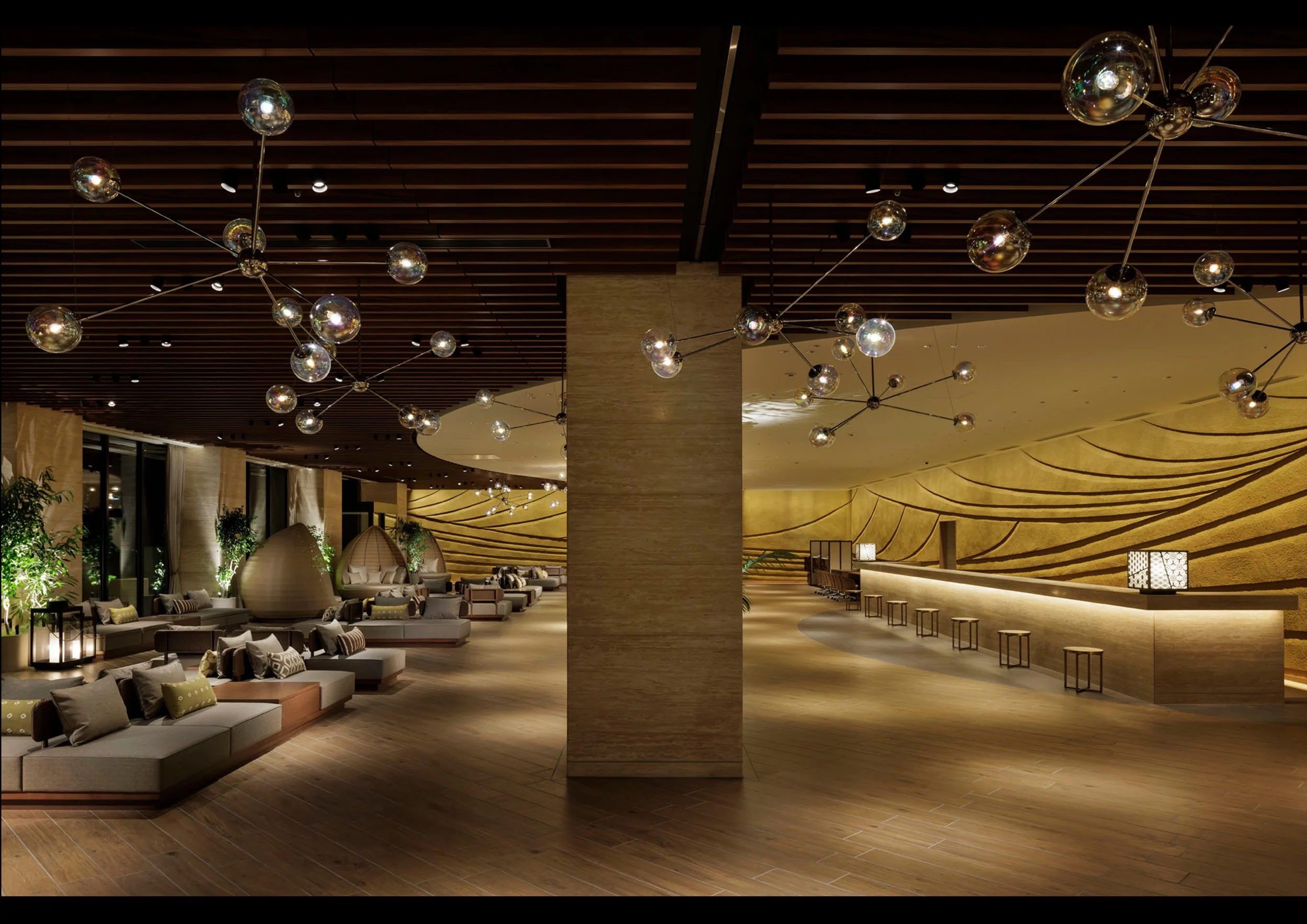


The lobby is a masterpiece of spatial choreography. Pendant lights that resemble delicate soap bubbles hover above, casting soft, playful shadows. These subtle nods to natural elements evoke a sense of lightness and serenity. In contrast, the restaurant on the ground floor presents a bolder statement with its deep blue-tiled floors, echoing the vastness of Beppu Bay. This dramatic colour palette is balanced by panoramic windows that offer sweeping views of the bay, inviting the outside world into the dining experience. Every detail in the design speaks to a deliberate interaction between the built environment and the natural world."
The most remarkable feature of Sora-kan is its top-floor infinity spa, which is situated 50 meters above ground level. Here, guests can enjoy an uninterrupted view of Beppu Bay that changes with the light and weather, providing a unique experience with each visit. The spa's minimalist design is intended to keep the focus on the natural beauty of the surroundings, creating a peaceful space where guests can fully immerse themselves in the tranquillity of the region's famous hot springs. The spa is not just a place to relax but a physical representation of the 'Fugetsu' concept, where the sea, sky, and mountains blend seamlessly.
The guest rooms provide an immersive experience with three distinct design themes: 'Aoumi' (Blue Sea), 'Shinrin' (Forest), and 'Yunagi' (Evening Calm), each reflecting a different aspect of Beppu's natural landscape. Full-height windows in every room enhance the connection to nature, allowing natural light to flood the interiors and framing views of the surrounding landscape. The room designs are not just a backdrop but an integral part of the guest experience, encouraging a more profound sense of relaxation and reflection. With suites designed to cater to various preferences, Sora-kan invites repeat visits by offering guests a fresh perspective with every stay.
"Beyond its interiors, the hotel's outdoor spaces have been meticulously crafted to engage guests of all ages. The Soraniwagarden is not merely decorative but a space for exploration and interaction. Children can enjoy the playful Fuwafuwa-Dome trampoline while photo spots featuring oversized sculptures of local specialties, such as shiitake mushrooms, kabosu citrus, and Asagimadara butterflies, offer whimsical moments of discovery. These installations, which blend art with regional identity, celebrate Beppu's cultural heritage and deep connection to nature.
Suginoi Hotel Sora-kan is more than just a place to stay—it's a destination, offering a curated experience where design, nature, and local culture converge. The hotel's thoughtful integration of Beppu's natural and cultural elements into its architecture and design creates an environment where guests are surrounded by beauty and encouraged to engage with it on a deeper level. Whether relaxing in the infinity spa, enjoying locally inspired cuisine, or exploring the artful installations, guests are continually invited to discover the richness of Beppu in a modern and timeless way."
With its unparalleled attention to detail and commitment to promoting the local culture and environment, Sora-kan is set to become a must-visit destination for discerning travellers seeking an authentic, luxurious, and enriching experience in Japan's onsen capital.
For more information, please visit: https://www.mitsui-designtec.co.jp
*This project is one of the shortlisted project in the Sky Design Awards 2024 - Interior Design: Hotel & Resorts Division

KAI Izumo: A Sanctum of Serenity and Tradition designed by NOMURA Co.,Ltd
Nestled in the spiritually rich landscape of Izumo City, KAI Izumo, designed by NOMURA Co., Ltd, offers a unique blend of traditional and contemporary design that redefines the ryokan experience. This innovative approach, with its meticulous attention to craftsmanship and reverence for local heritage, combined with its location near the sacred Izumo Taisha Shrine, invites guests on a journey of physical rejuvenation and spiritual preparation.
KAI Izumo, the latest gem in the Hoshino Resorts KAI collection, reimagines the traditional ryokan experience in the ancient city of Izumo, Shimane Prefecture. Crafted by NOMURA Co., Ltd, this hot spring inn is a living tribute to the region's rich mythology and cultural heritage, offering a sanctuary for both body and soul. Nestled near the revered Izumo Taisha Shrine, the ryokan serves a spiritual purpose: to cleanse and prepare visitors for their pilgrimage to the shrine, inspired by the concept of 'Umi Iro Misogi,' or Sea Color Purification.
KAI Izumo is situated on the western side of the property, offering sweeping views of the iconic Hinomisaki Lighthouse, the tallest stone lighthouse in Japan. The inn features a book lounge, an exquisite restaurant, large public baths with open-air hot springs, and 39 meticulously designed guest rooms that reflect the changing hues of the Sea of Japan.
Crafted Design and Symbolism
Upon entering KAI Izumo, guests are greeted by a striking entrance feature that symbolizes the setting sun over the Izumo coastline. This emblem, made from finely processed steel with impurities known as Noro, pays homage to the region's historical Tatara ironworking traditions, where the finest Tamahagane steel was once produced. This entrance, which is already a popular photo spot, is a symbolic gateway to a stay filled with history, craftsmanship, and spiritual renewal.
The rooms at KAI Izumo are divided into two distinct design motifs, each reflecting the natural beauty of the surrounding landscape. The western-facing rooms feature indigo-tinted living areas that enhance the rich orange glow of the setting sun over the Sea of Japan, creating a calming and meditative ambiance. On the other hand, the eastern-facing rooms draw inspiration from the mysterious hues of dawn, with walls covered in locally crafted Sekishu washi paper dyed in shades of dawn blue and red ochre. These spaces capture the unique characteristics of the Hinomisaki area, incorporating local materials and colours that reflect the natural rhythm of the day.
Connecting Guests to Izumo's Spiritual Legacy
KAI Izumo has woven mythology into its design and experiences, paying homage to visitors' profound spiritual bond with Izumo Taisha Shrine. Guests are invited to embark on a purification journey, guided by the Sea of Japan. Sea Color Purification is echoed in every facet of the ryokan, from the serene outdoor hot springs to the thoughtful design elements that mirror the changing hues of the sea and sky.
Beyond its visual and cultural allure, KAI Izumo beckons guests to partake in local traditions through immersive experiences. The ryokan's tranquil garden hosts captivating Kagura dance and tea ceremony performances, offering a window into Izumo's mythological past. The seasonal menu is a celebration of the region's culinary treasures, featuring delicacies like basket clams and red queen snow crab, meticulously chosen to showcase the best of local cuisine.
A Unique Response to the Location
The ryokan's location near Izumo Taisha and Hinomisaki Lighthouse allowed it to elevate its design beyond the typical KAI brand experience. The western-facing rooms capture the majestic sunsets, while the eastern-facing rooms symbolize the dawn, creating a unique relationship between the guest and the surrounding elements of nature. The result is an immersive experience where guests feel deeply connected to the environment in body and spirit.
By weaving the mythology of Izumo and the natural beauty of Hinomisaki into the heart of the design, KAI Izumo offers a more profound, more reflective experience. It's a place where every moment—a sunrise over the sea or a meditative soak in the hot spring baths—is an invitation to pause, reflect, and rejuvenate. The inn is both a destination and a journey, where history, nature, and spirituality converge to create an unforgettable experience.


More than just a luxury retreat, KAI Izumo is a vibrant cultural ambassador for the region, providing visitors with exciting opportunities to engage with Izumo's storied history. Daily Kagura dance performances and traditional tea ceremonies further enrich the experience, drawing guests closer to the area's mythological roots. The ryokan's seasonal menu offers a refined taste of local delicacies, with standout dishes featuring the best of Izumo's seafood, such as basket clams in spring and summer and queen snow crab in the winter months.
KAI Izumo is a retreat designed not just for relaxation but also for reflection. Here, the sea, sky, and earth elements come together to create an environment that nurtures both the body and the soul. In every detail, from its architecture to its culinary offerings, the ryokan embodies the spirit of Izumo as a place where history, nature, and craftsmanship converge.
For more information, please visit: https://www.nomurakougei.co.jp/
*This project is one of the shortlisted project in the Sky Design Awards 2024 - Interior Design: Hotel & Resorts Division