BANDAI HOBBY CENTER PLAMO DESIGN INDUSTRIAL INSTITUTE MUSEUM designed by CIC, NOMURA Co., Ltd (Japan)
Plastic models are not just toys; they embody a profound cultural phenomenon in Japan. These creations begin as industrial products but become deeply personal expressions in the hands of builders who cut, assemble, paint, and reinterpret them with ingenuity and patience. The Bandai Hobby Center takes this concept to new heights with its PLAMO DESIGN INDUSTRIAL INSTITUTE MUSEUM, a space that elegantly intertwines the artistry of model-making with the very factory where these iconic pieces are born.
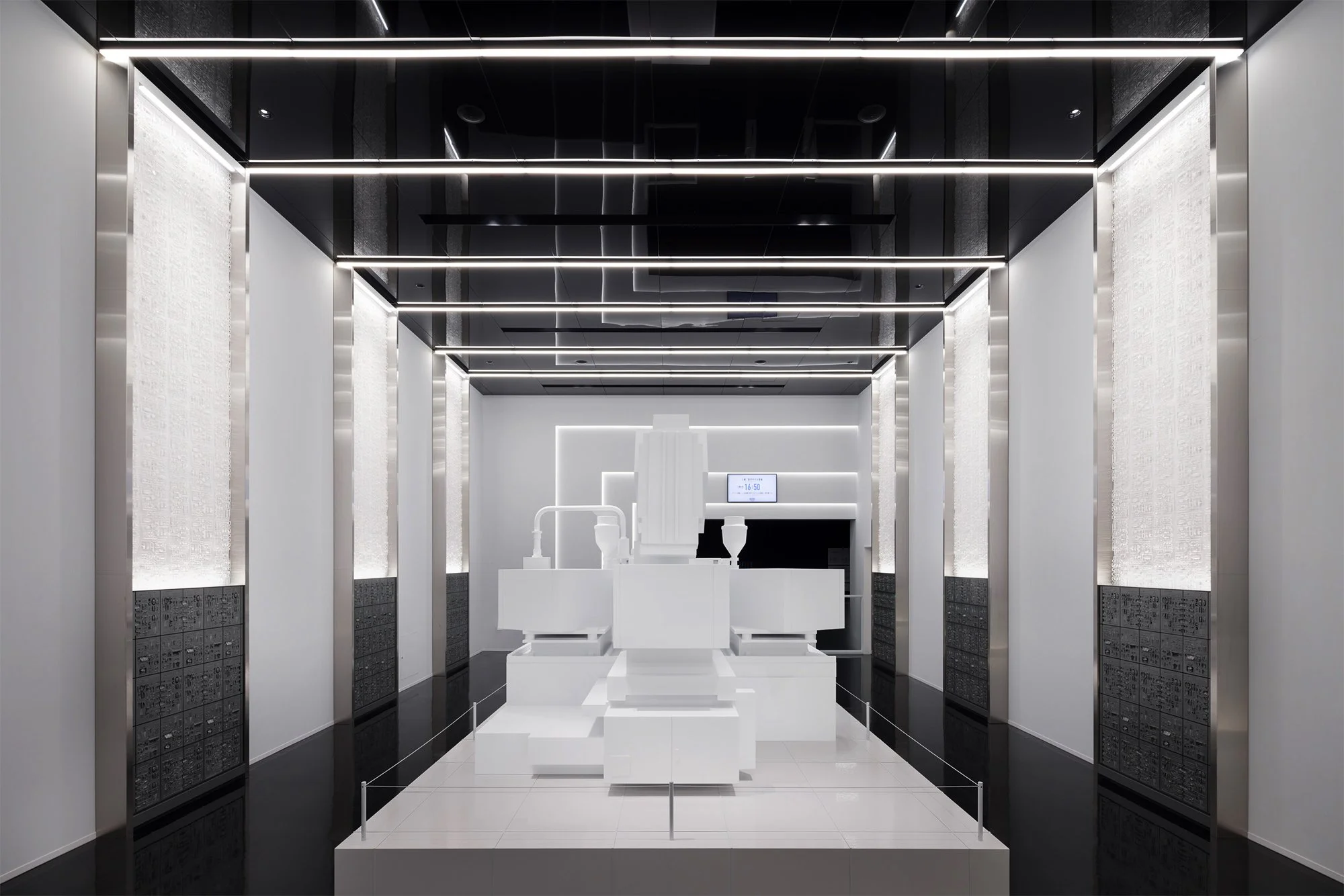
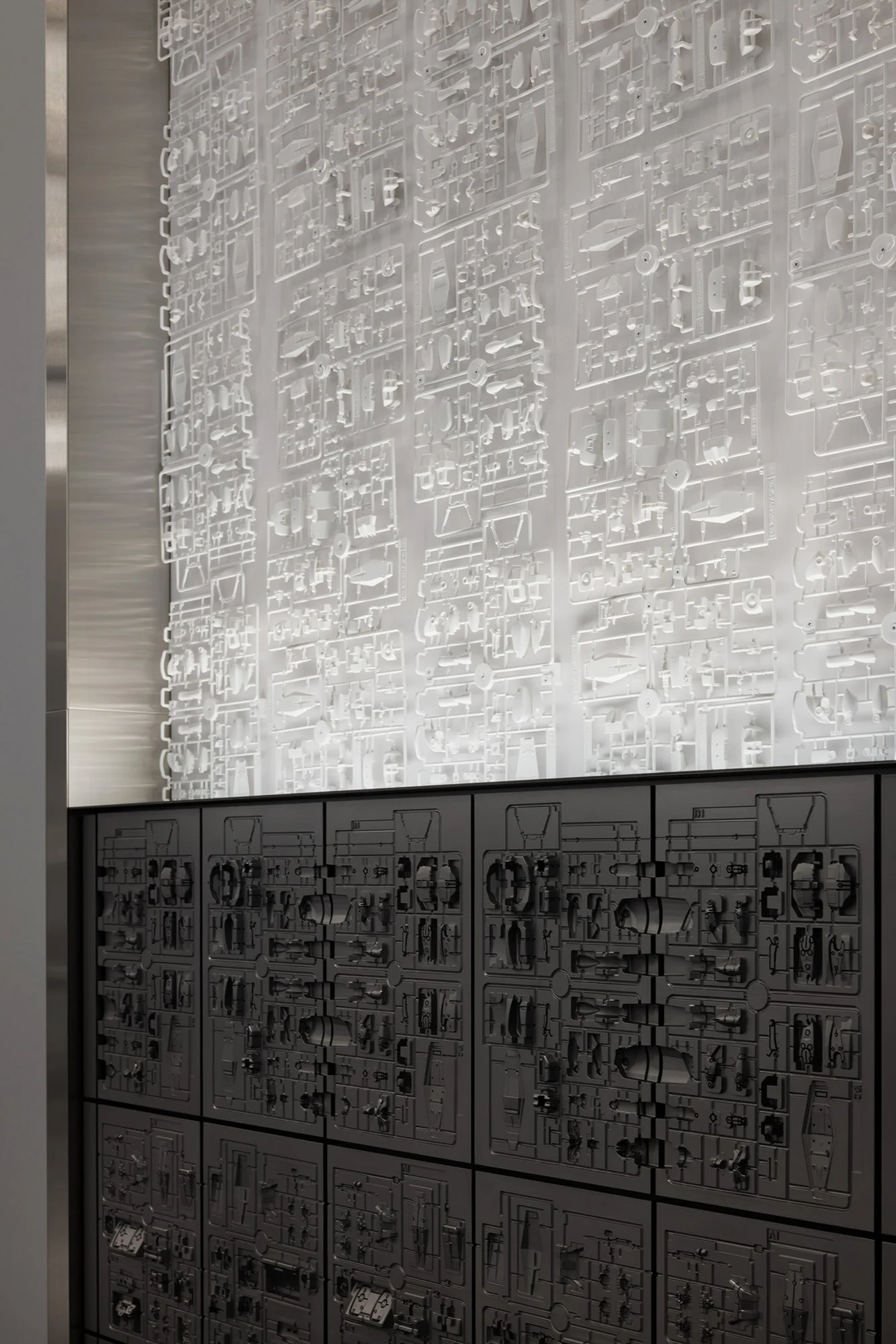
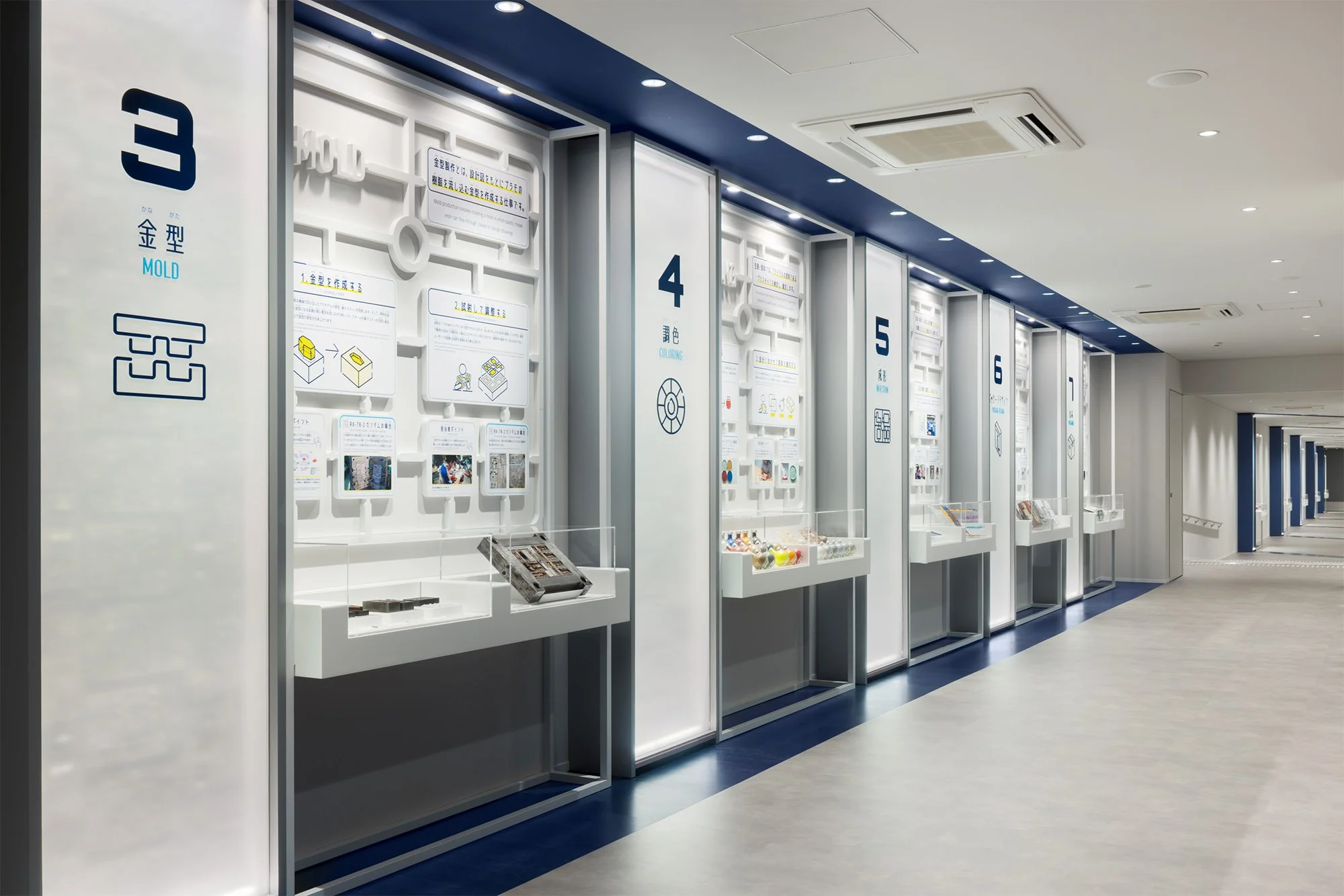
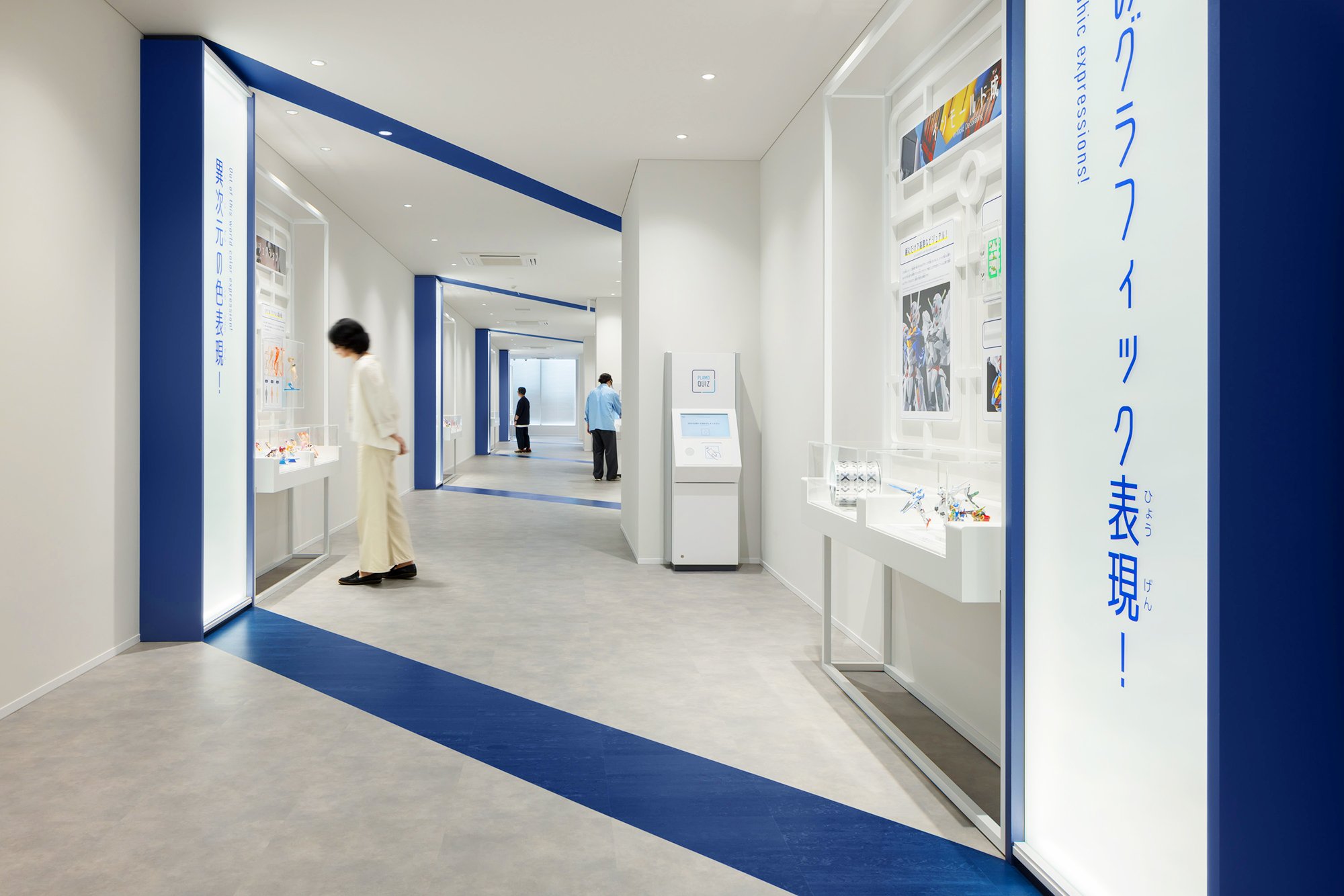
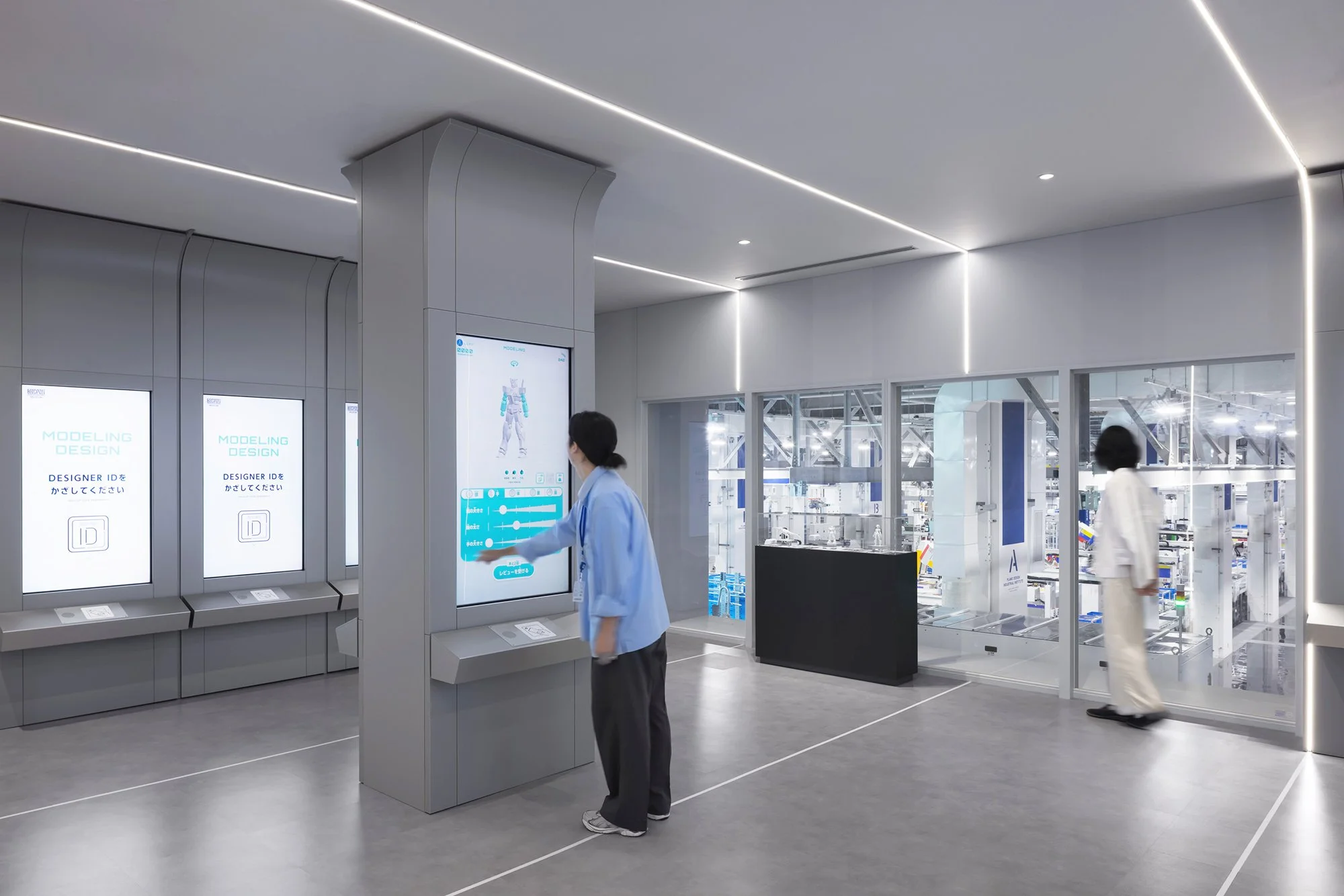
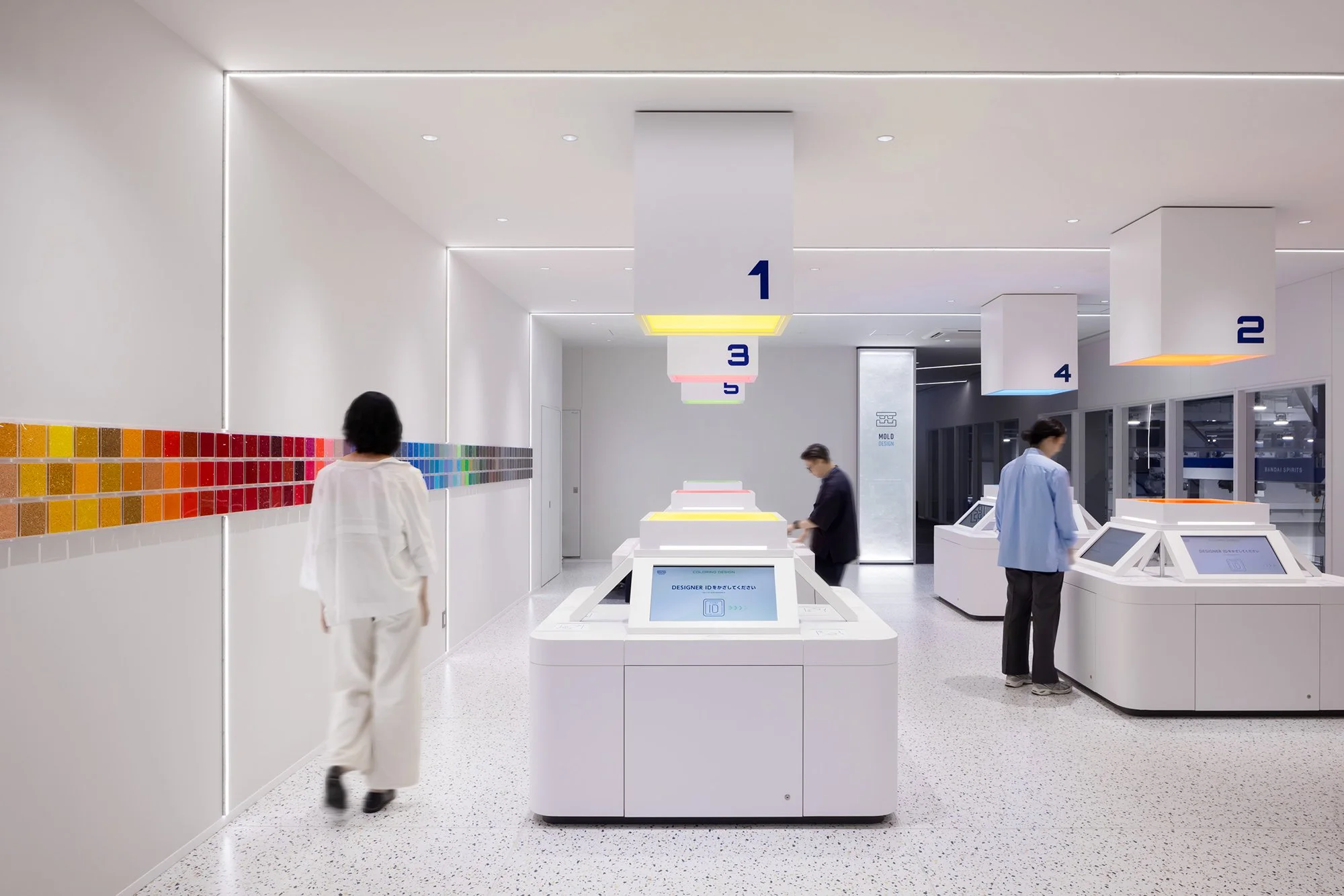
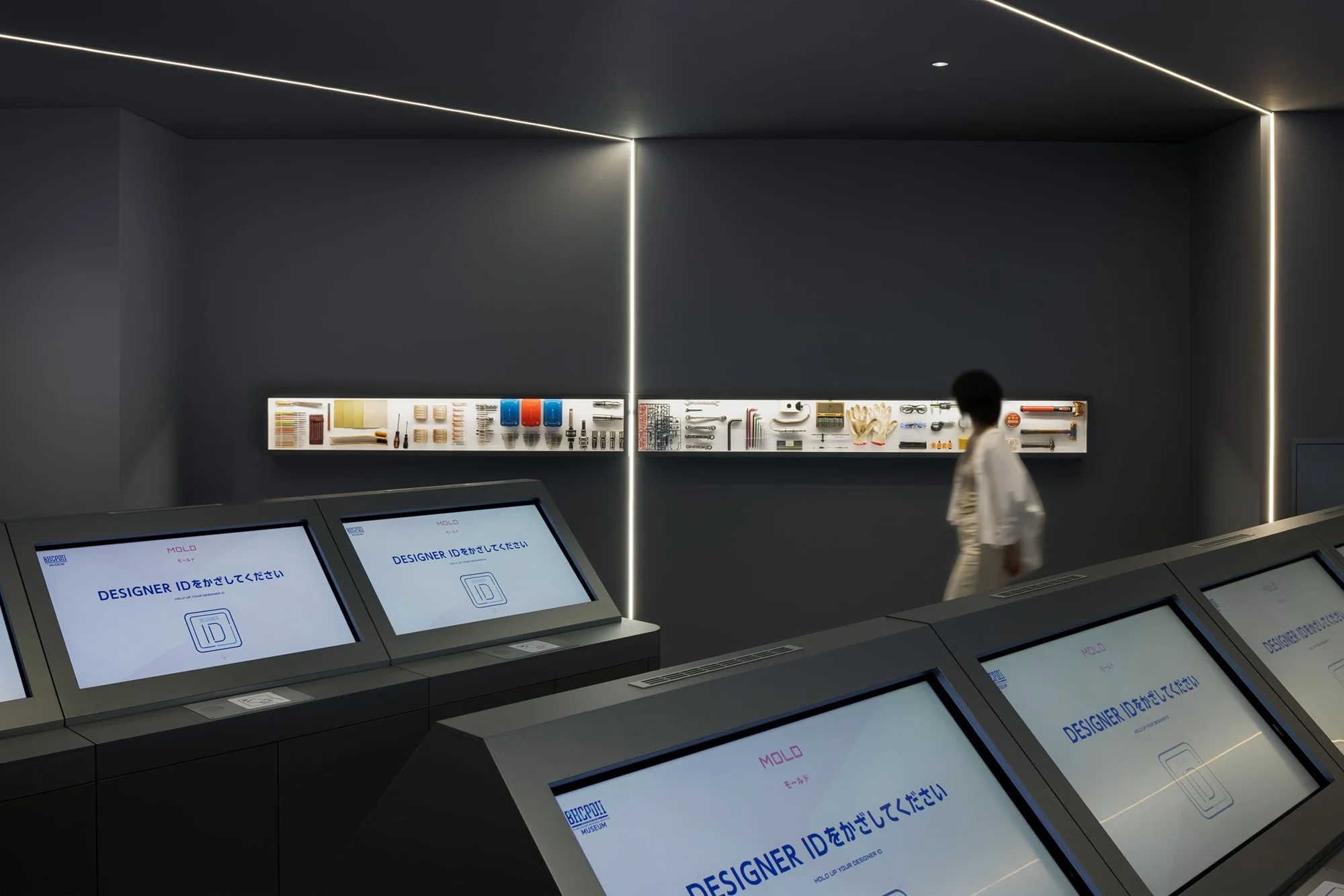
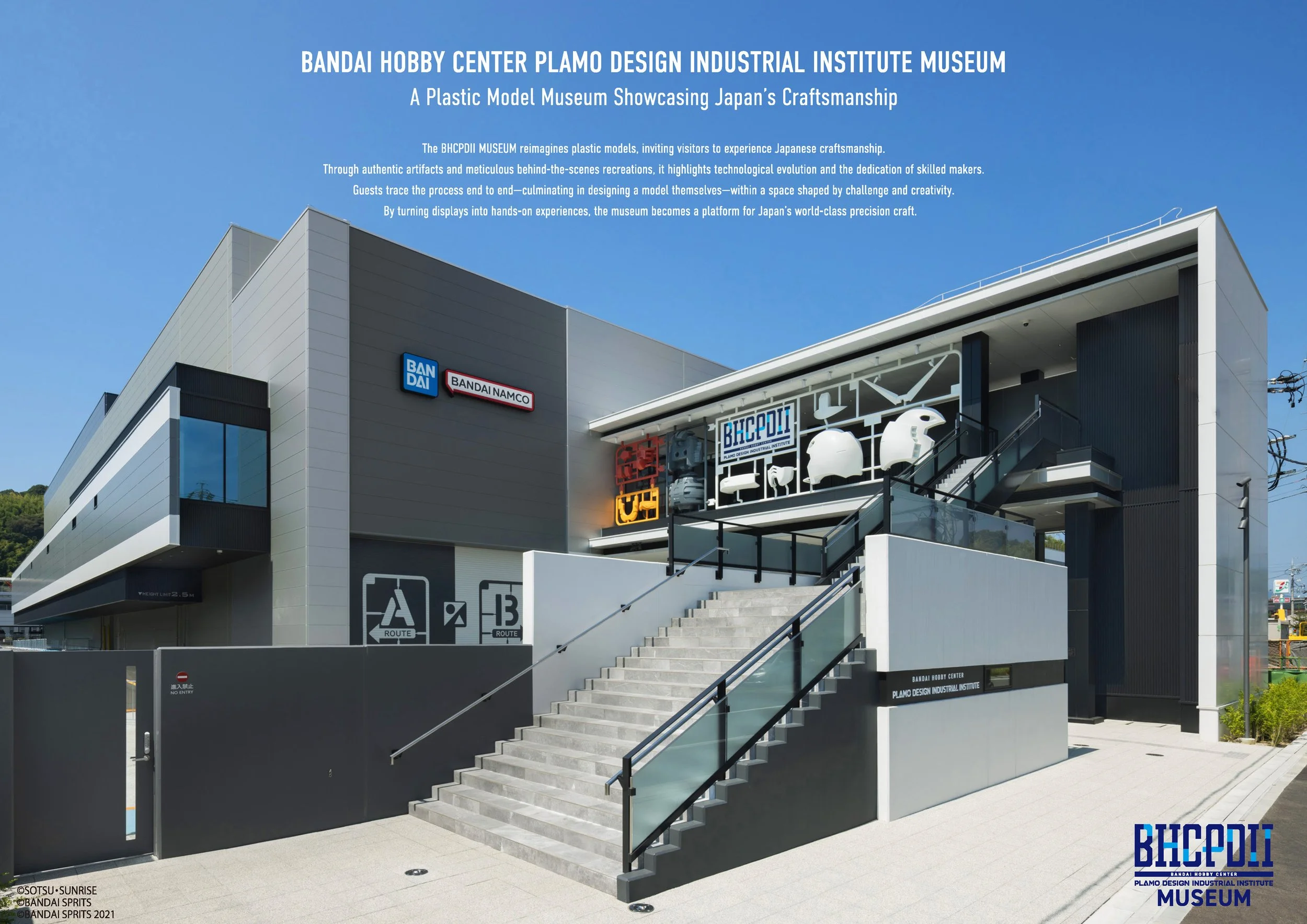
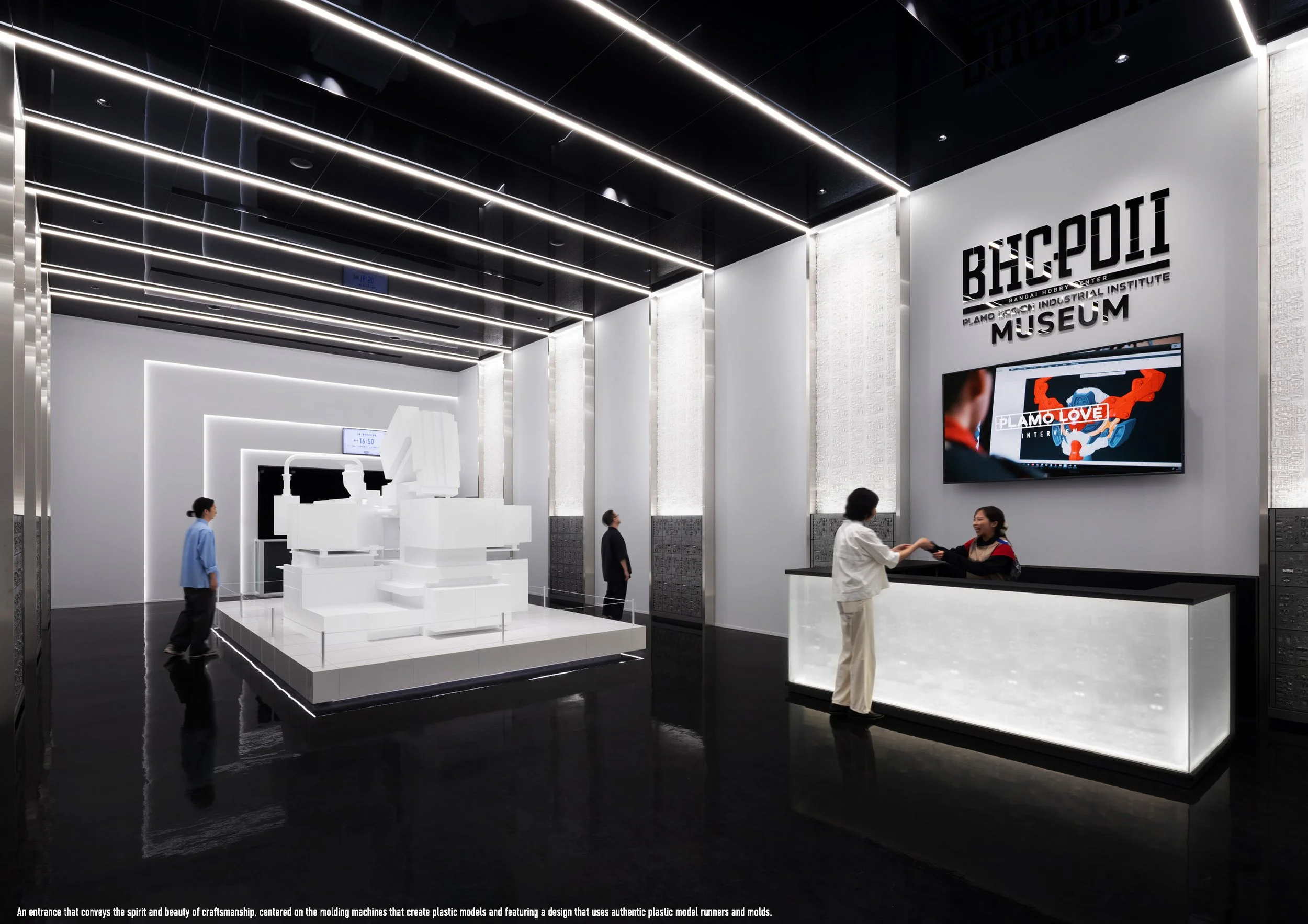
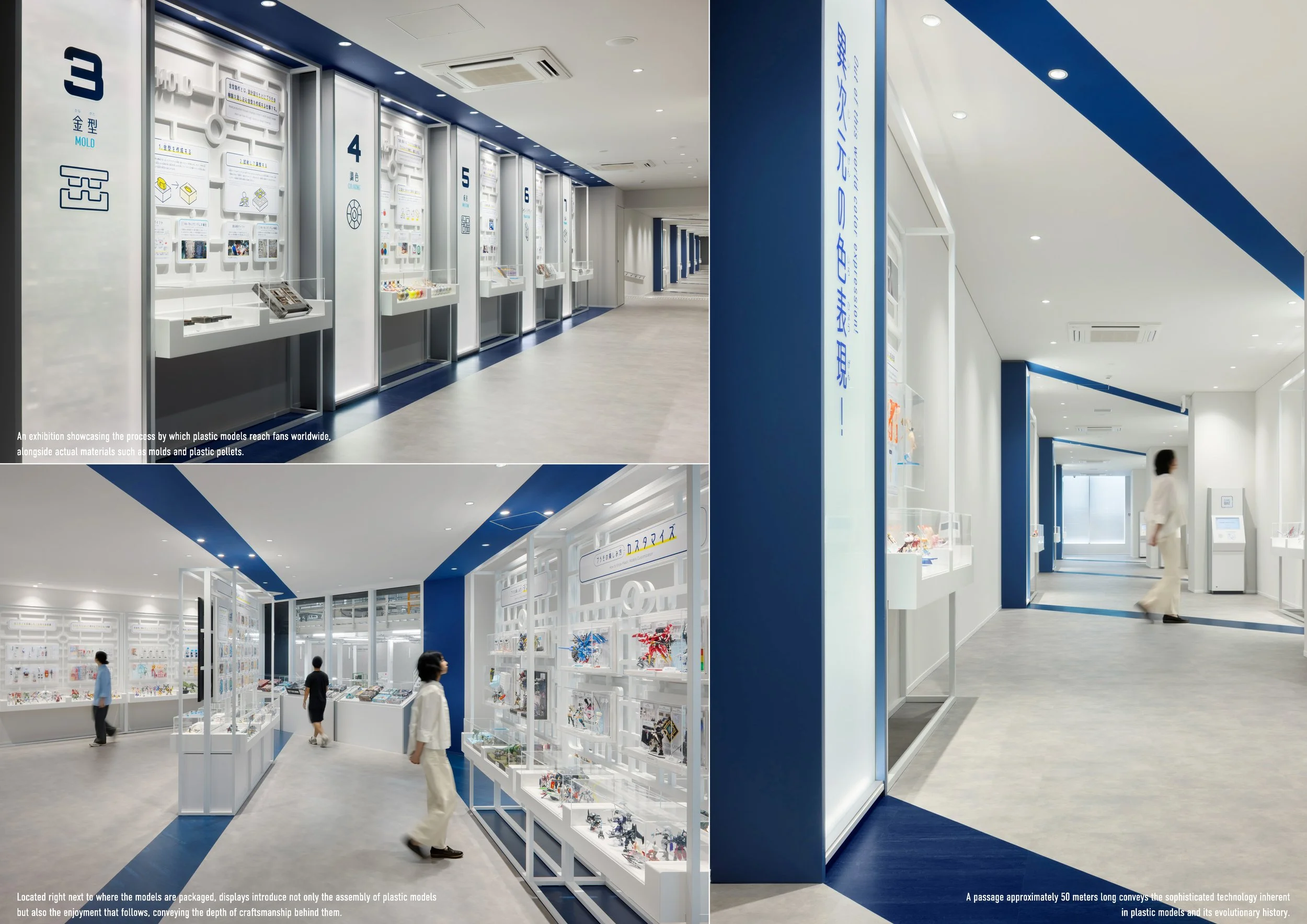
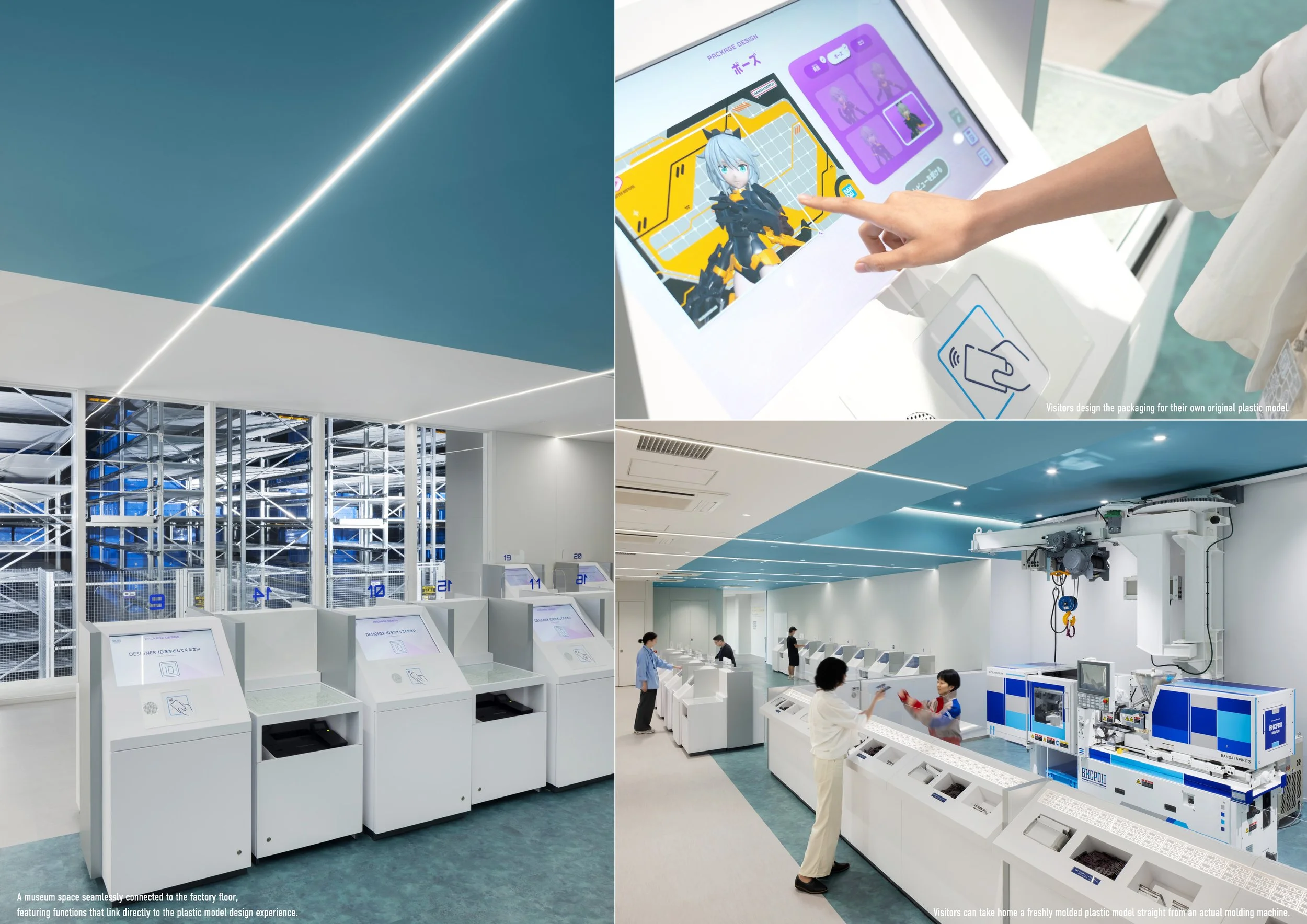
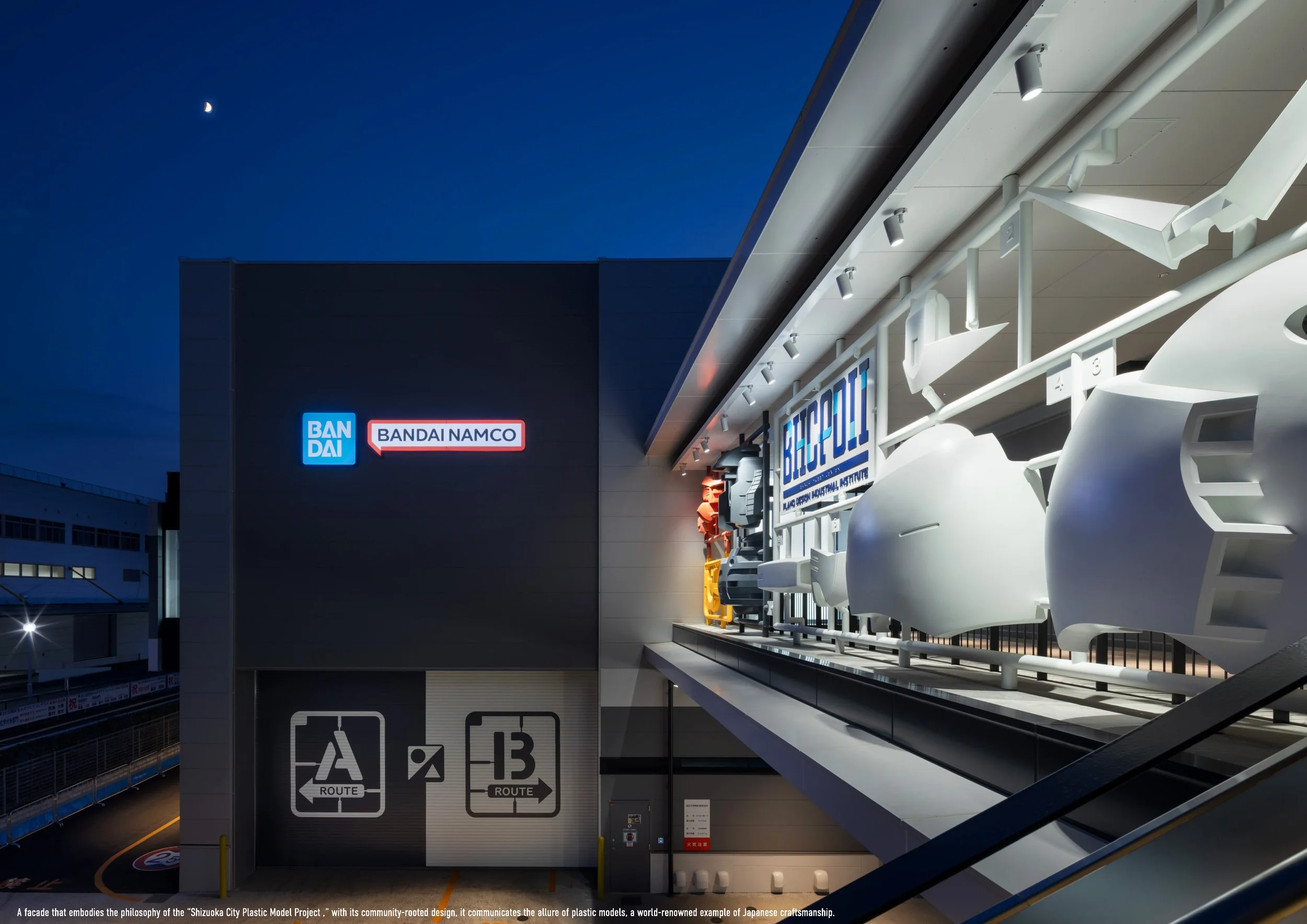
Crafted by CIC, NOMURA Co., Ltd., this museum offers visitors a captivating journey from concept to creation. It immerses them in the intricacies of production, revealing moulds, forming machines, runners, and production tools that showcase the precision and engineering behind the models they admire. This experience redefines plastic modelling as a harmonious blend of engineering, design, and individual creativity. The museum's innovative setting enhances this understanding by featuring an operational factory. Visitors can witness the scale, machinery, and disciplined processes of manufacturing, lending authenticity to a narrative that often remains hidden behind the polished final product. A striking full-scale plastic model façade invites guests into this evocative space, communicating in a language they instinctively grasp. The enlarged panels, joints, and assembly lines transpose model kit logic into architectural form. What may initially seem playful also sharpens the eye to observe how components connect, how surfaces interact, and how construction influences overall form. Inside the exhibition venue, authentic moulding equipment and runner formations demystify the production sequence, guiding visitors through the transformational journey from creative concepts to precise metal dies and reproducible components. The museum artfully bridges the worlds of design and manufacturing, making every step of this evolution visible. Engagement is key to this experience. Guests can step into the shoes of a plastic model designer, tasked with applying the insights and ideas they've encountered throughout the exhibition. This shift from passive observation to active creation reinforces the dynamic relationship between technical expertise and imaginative expression.
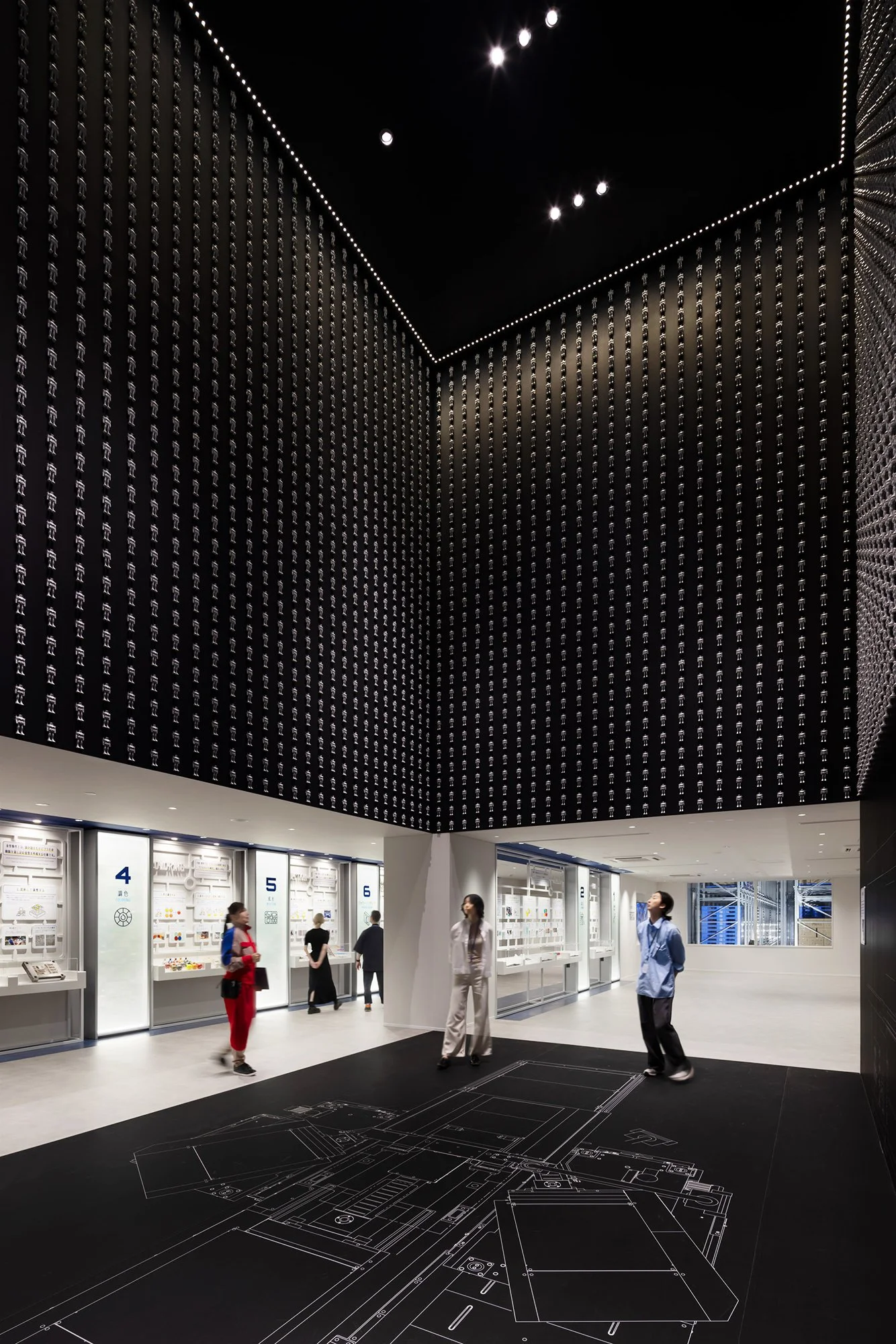
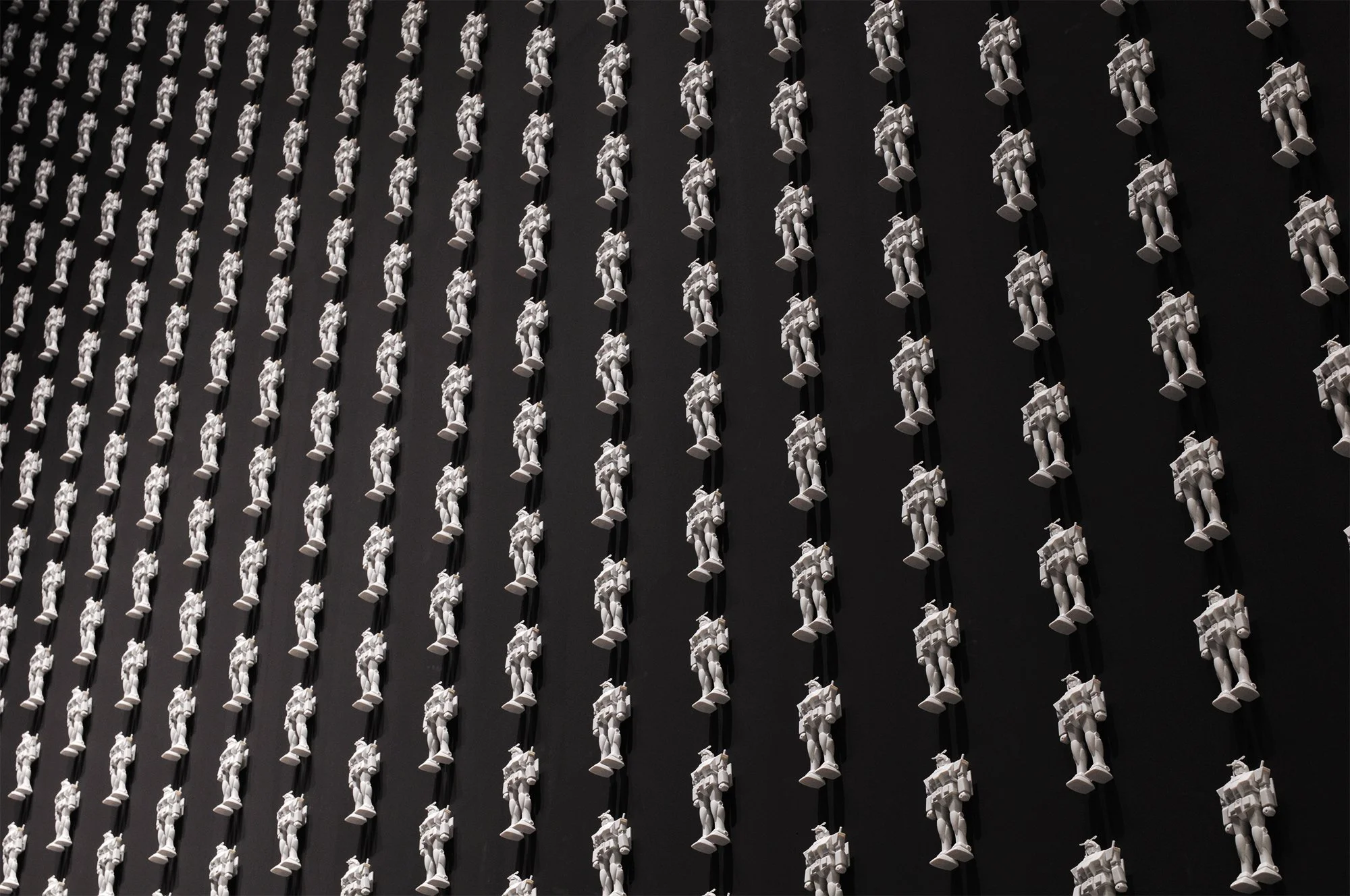
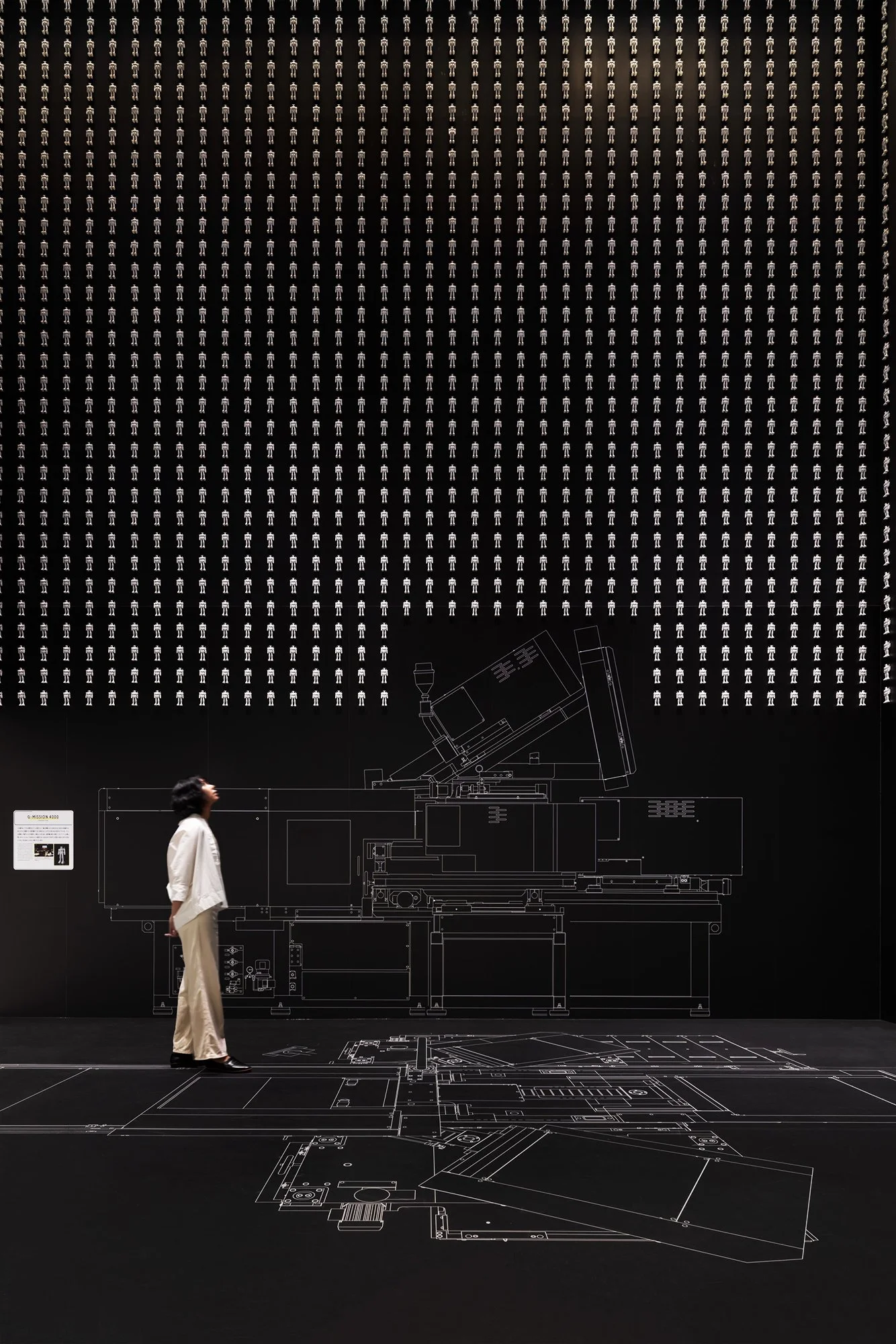
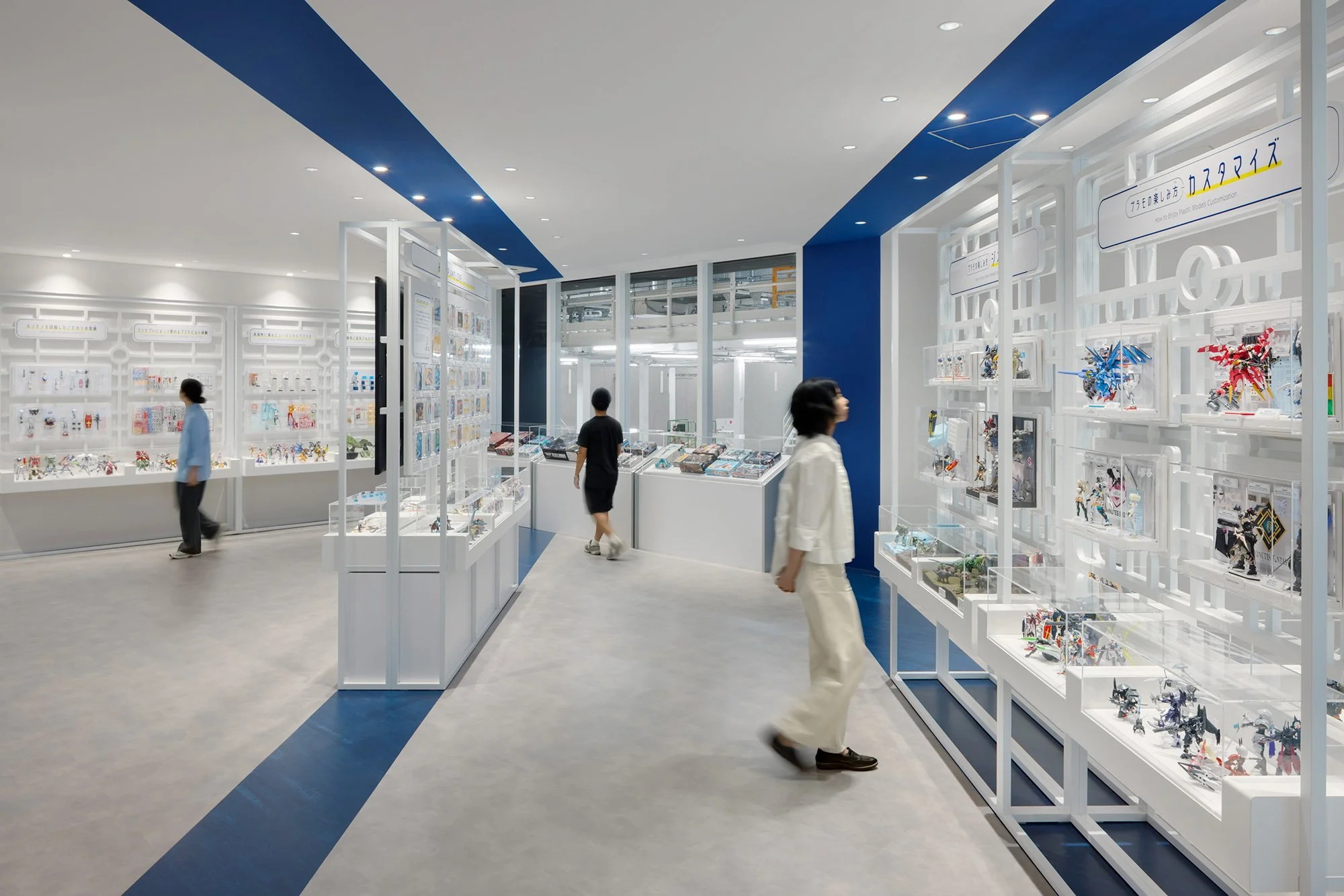
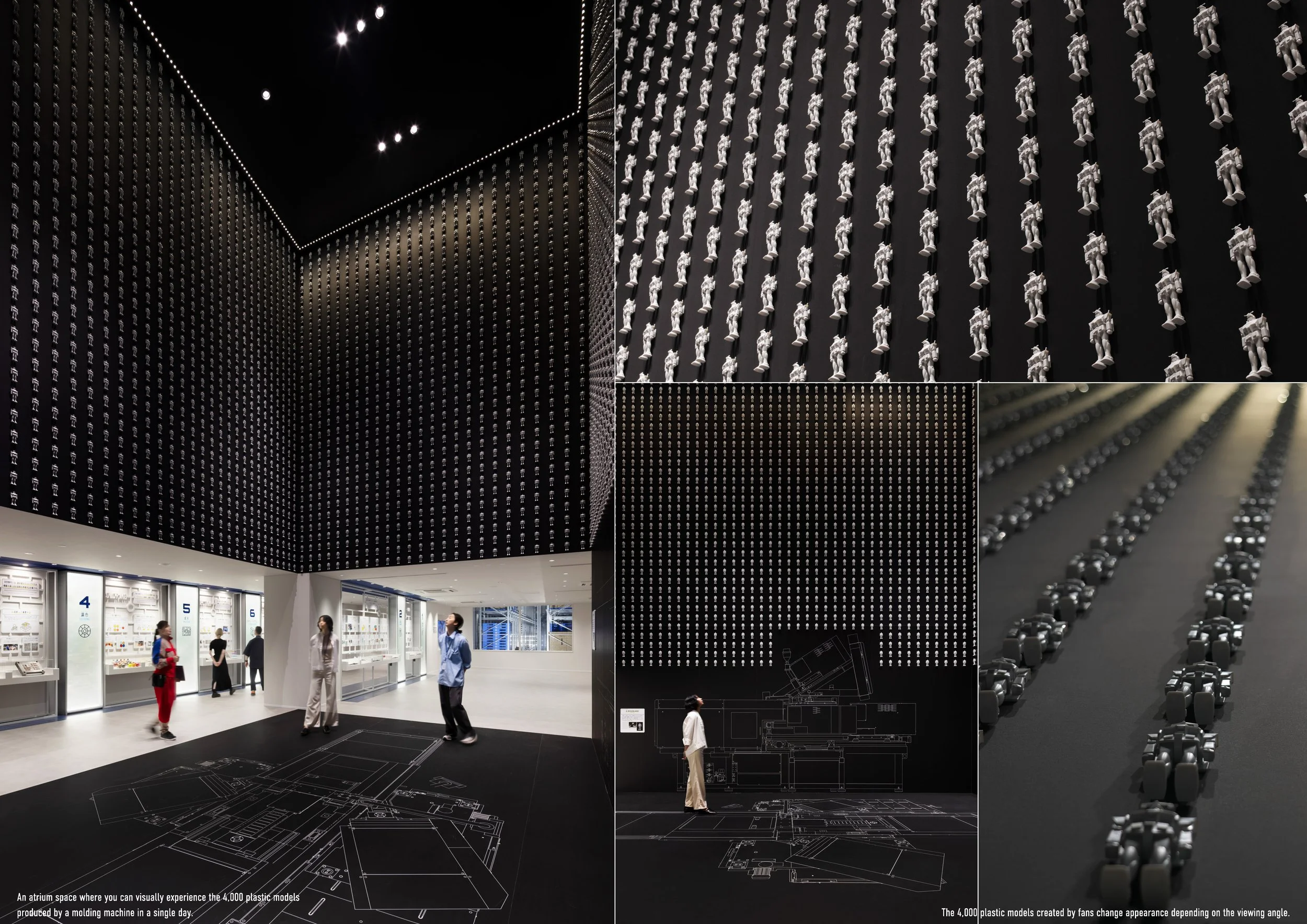
For younger visitors, the familiarity of plastic models serves as a direct gateway into the world of manufacturing culture. Through these objects linked to play and popular culture, they can grasp concepts of precision, material behaviour, and planning. The museum is a nurturing ground for curiosity, inviting exploration, comparison, and experimentation. A highlight of the exhibit is the stunning installation of 4,000 models crafted by enthusiasts, a powerful testament to the diverse interpretations within the fan community. Each model is a unique reflection of its builder's choices, underscoring how a standardized product can inspire a multitude of personal expressions once it leaves the factory. This intricate dialogue between producers and users gives the museum its unique essence. Bandai supplies the engineering, components, and systems, while builders contribute their time, skill, and individuality. Together, they create a shared culture that celebrates plastic models.
Complementing this narrative are the factory’s sophisticated environmental systems, which integrate modern manufacturing practices. The ZEB certification and energy-efficient technologies underscore a commitment to sustainability, allowing visitors to experience firsthand how these innovative operations connect production with environmental stewardship. They originate as industrial products, but their true meaning is shaped at home, where builders cut, assemble, paint, and reinterpret them using patience and creativity. The Bandai Hobby Center features the PLAMO DESIGN INDUSTRIAL INSTITUTE MUSEUM, which bridges these two worlds, showcasing the culture of model-making alongside the very factory where they are produced.
Designed by CIC, NOMURA Co., Ltd., the museum invites visitors to trace the journey from concept to finished model. Moulds, forming machines, runners, and production tools reveal the precision behind objects that we often encounter only after they hit the shelves. This experience reframes plastic modelling as a convergence of engineering, design, and personal creativity. This shift in perspective gives the museum broader cultural significance. A model, while small enough to fit in one hand, embodies decisions about proportion, movement, colour, tooling, and assembly. Each component must integrate into a larger whole, requiring the same clarity of thought found in many areas of industrial design.
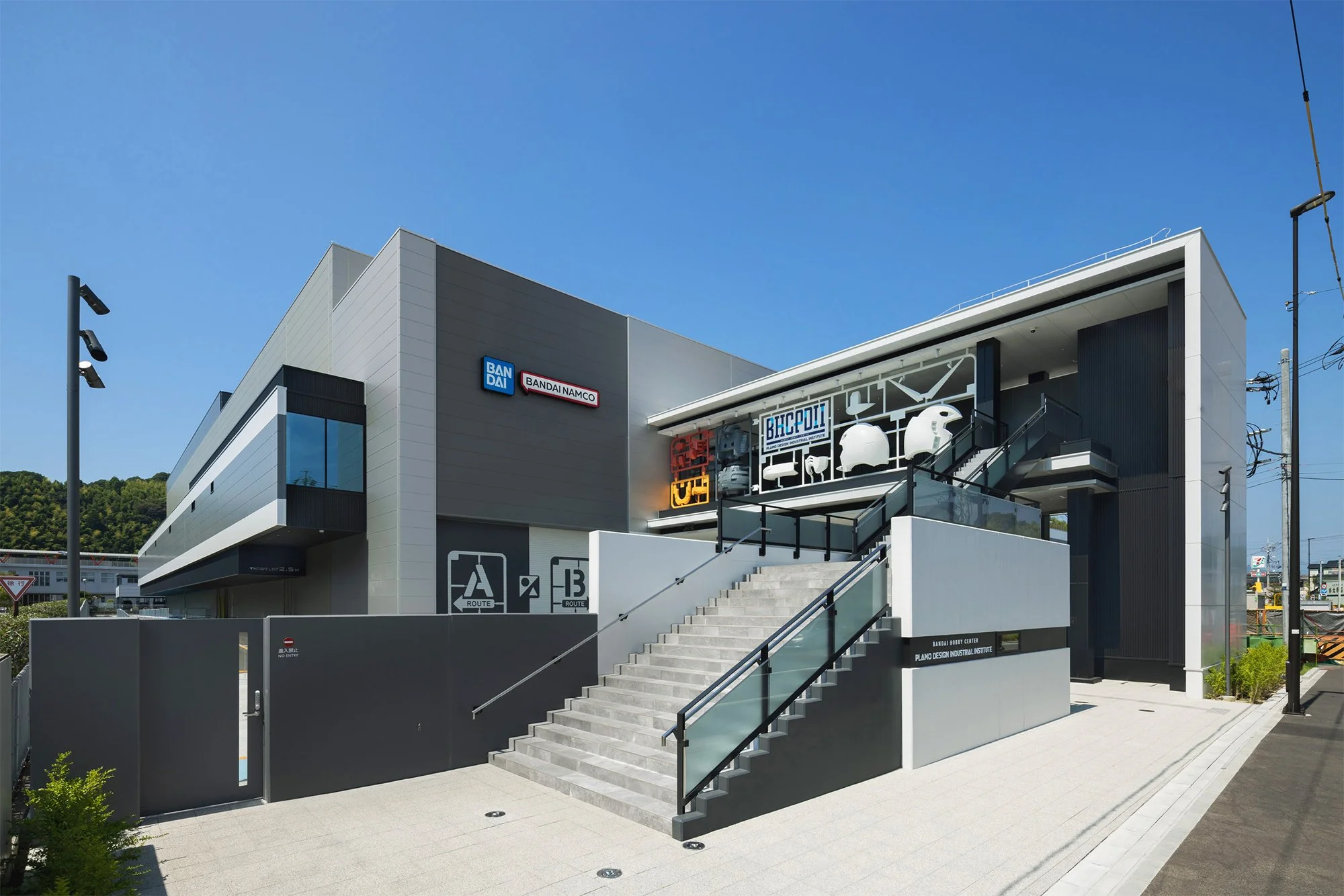
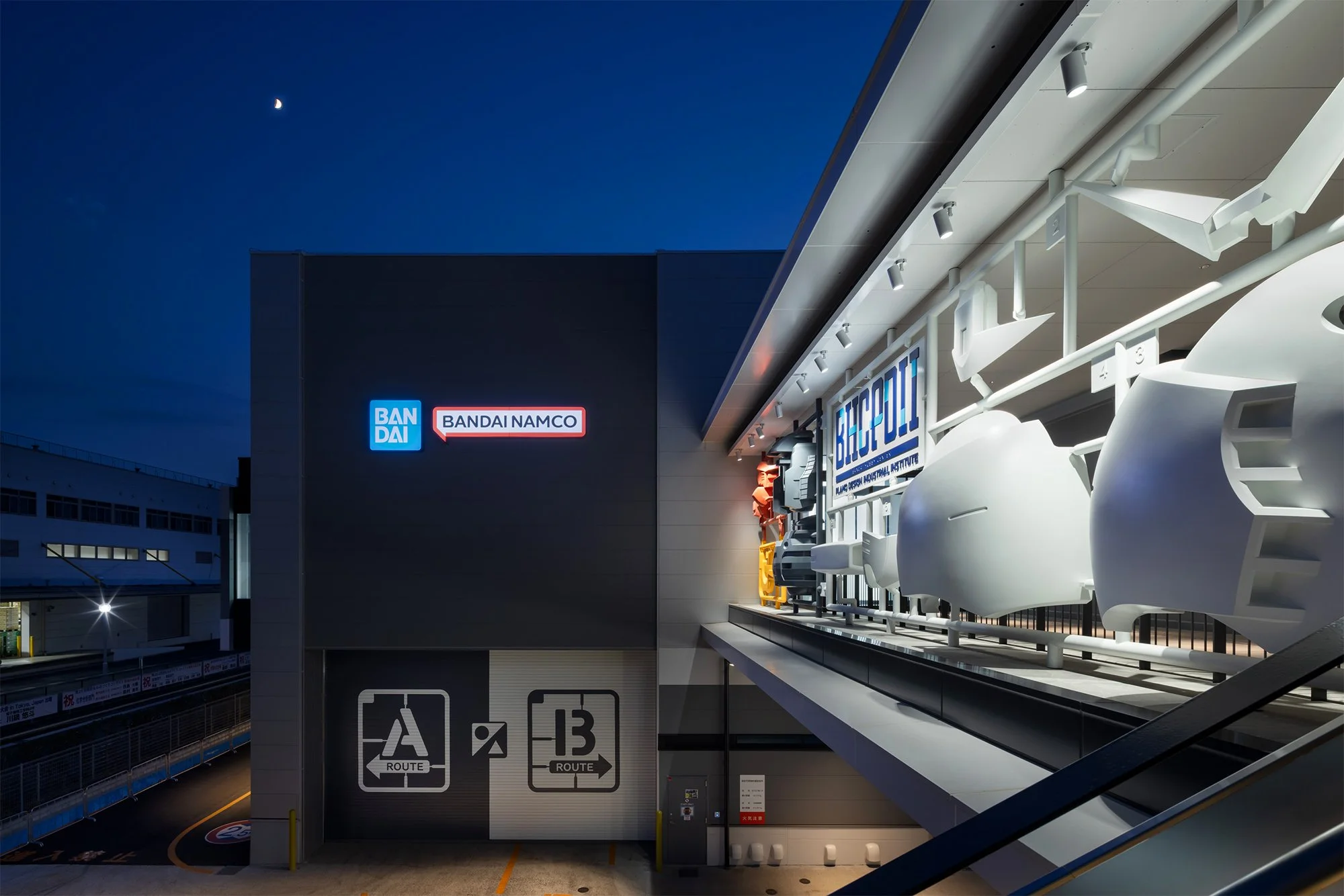
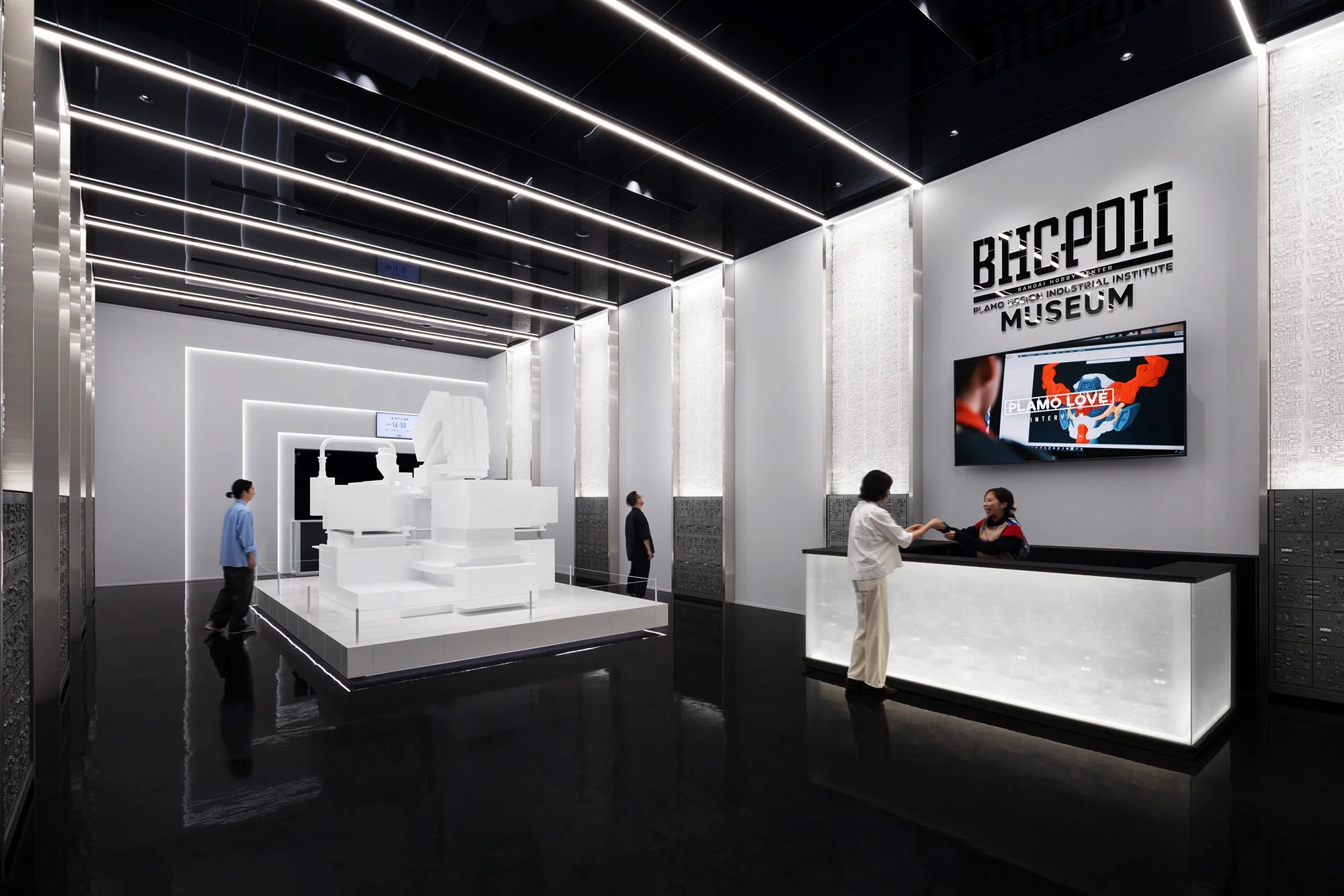
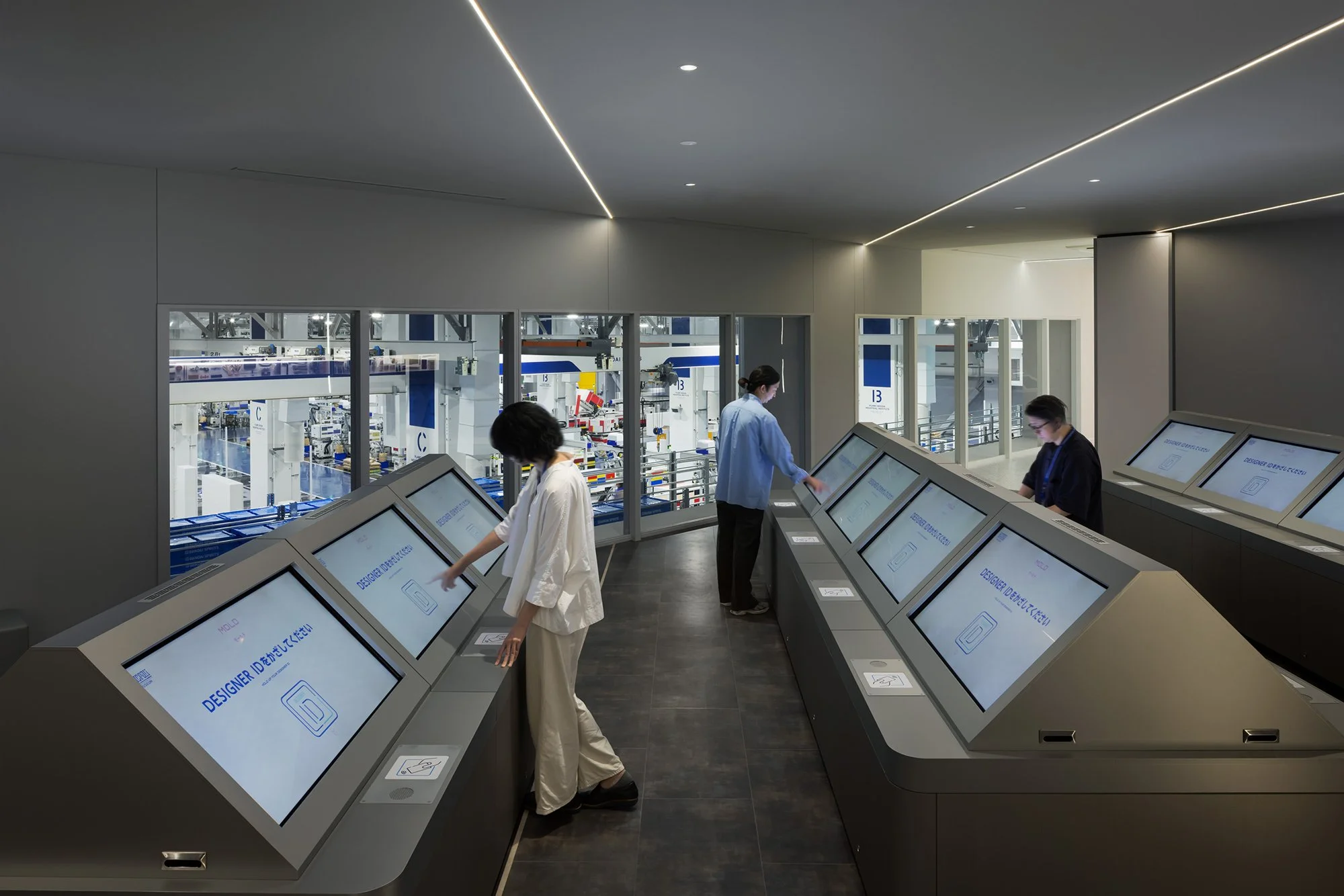
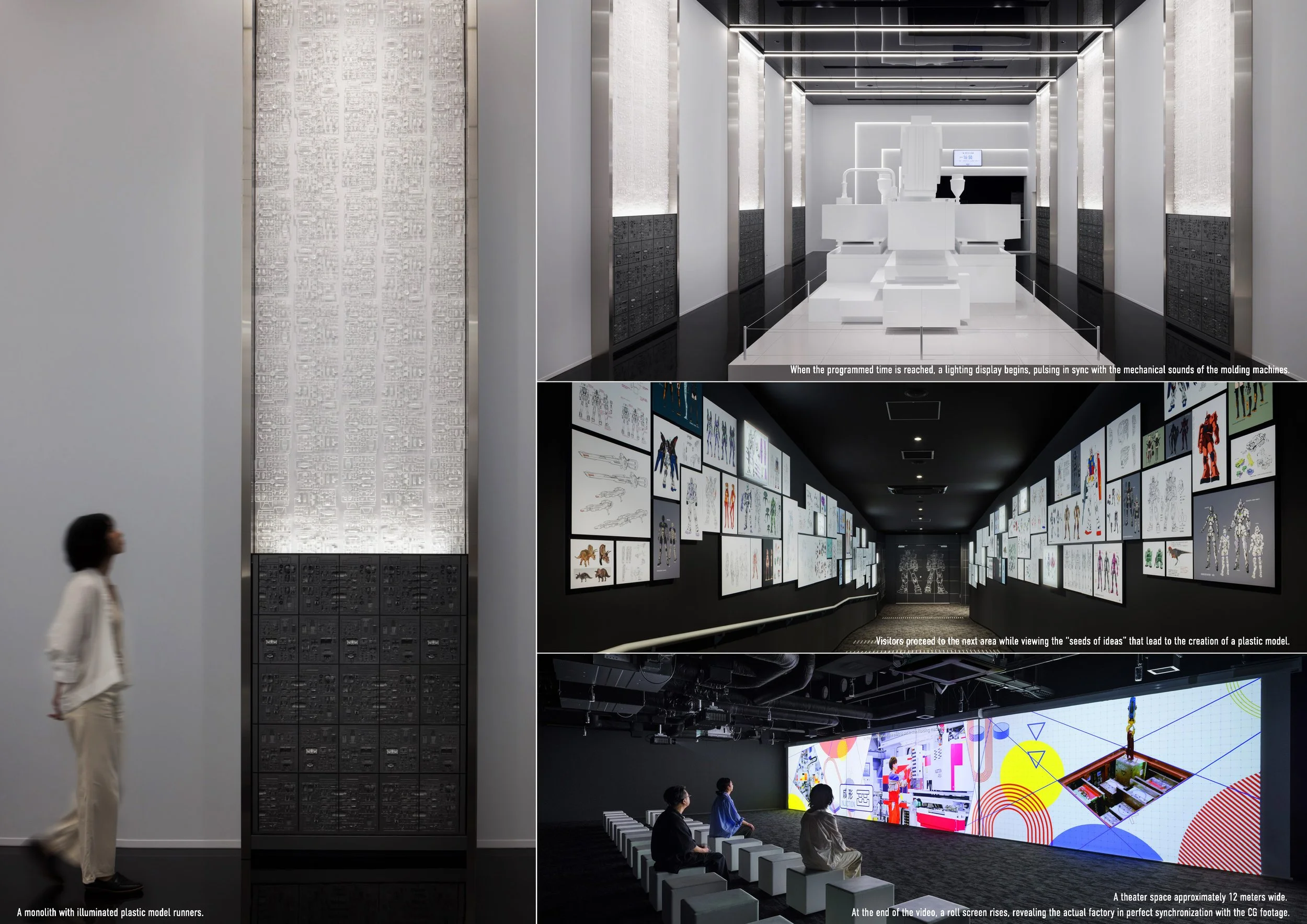
The museum's setting amplifies this understanding, as production remains ongoing. It is organized around an operational factory, allowing visitors to witness the scale, machinery, and discipline of manufacturing as part of the exhibition. This presence lends credibility to a narrative that might otherwise remain concealed behind a finished product. A full-scale plastic-model façade introduces visitors to the experience in a language they readily understand. Enlarged panels, joints, and assembly lines transform the logic of model kits into architecture. What appears playful at first also trains the eye to notice how parts connect, how surfaces are divided, and how construction shapes form. Inside the exhibition, authentic moulding equipment and runner formations simplify the understanding of the production sequence. Creative concepts evolve into metal dies, precise tolerances, and repeatable parts before returning to the builder’s hands. The museum makes this transformation visible, seamlessly connecting design and manufacturing.
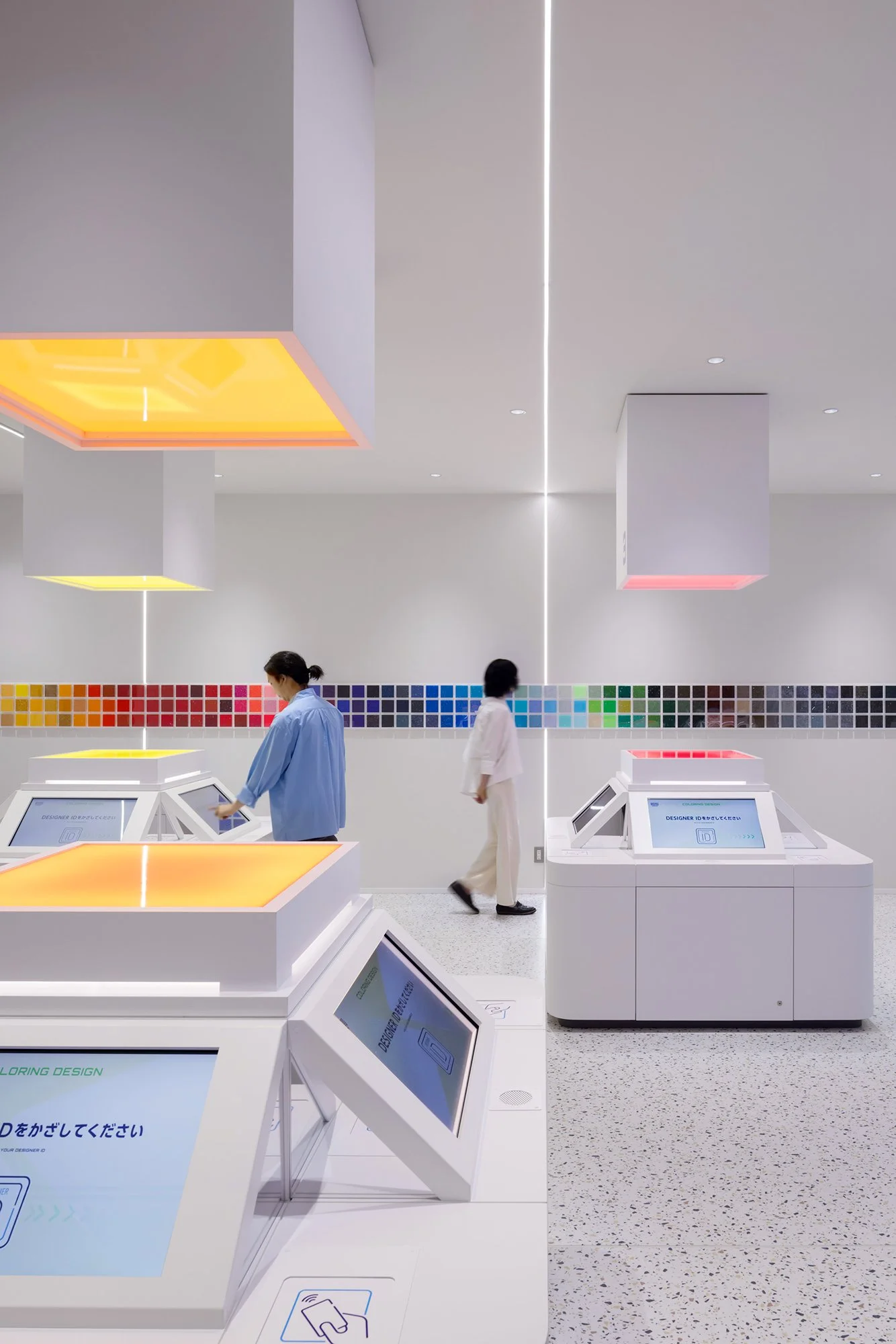
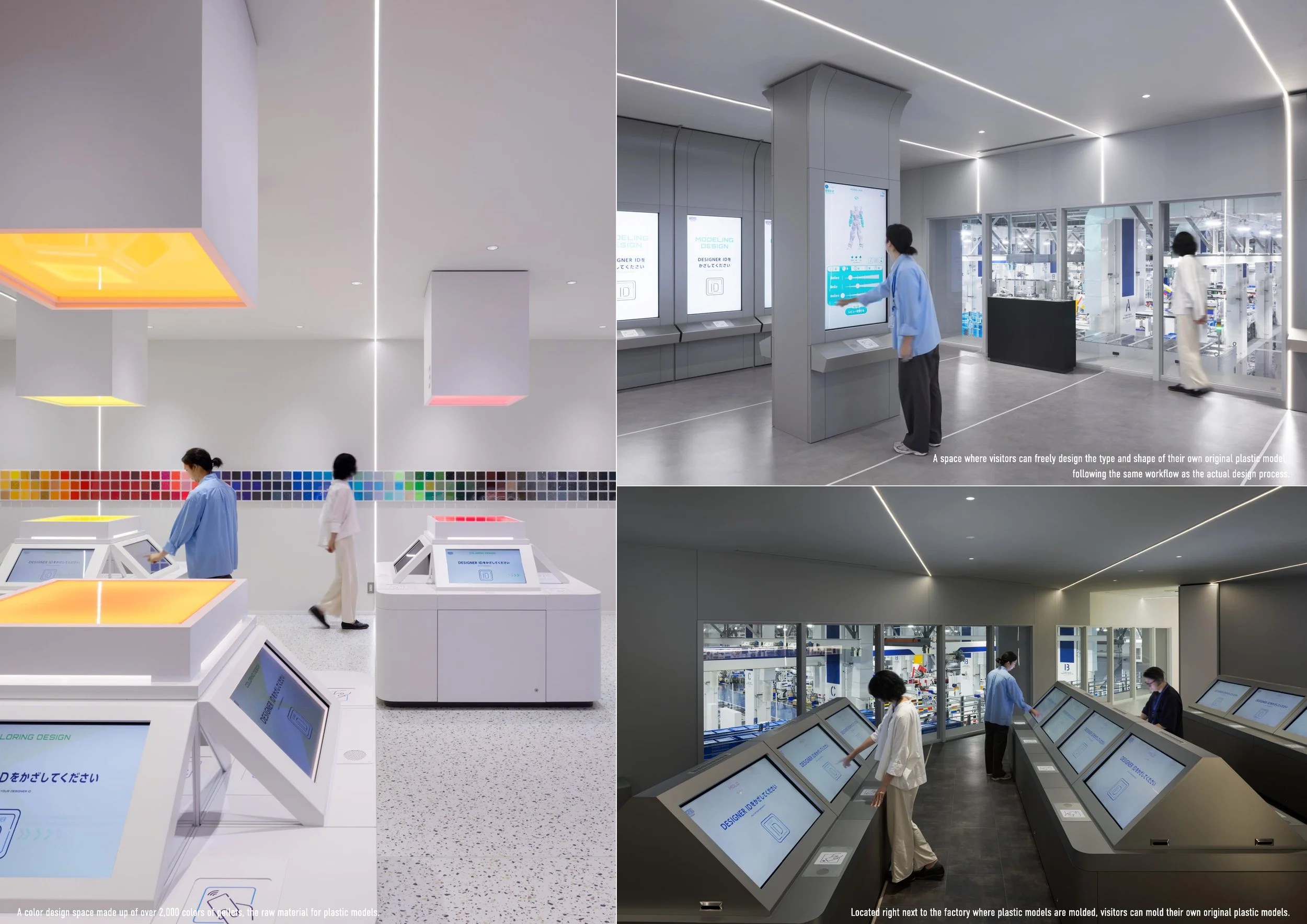
Participation completes this journey. Visitors can assume the role of a plastic model designer, applying the ideas they've encountered throughout the exhibition. Observation becomes a foundation for creation, reinforcing the relationship between technical knowledge and individual imagination. For younger visitors, the familiarity of plastic models offers a direct entry point into manufacturing culture. Concepts of precision, material behaviour, and planning can be grasped through objects linked to play and popular culture. The museum fosters an environment where technical curiosity can flourish through hands-on experiences, comparison, and experimentation. The contributions of the fan community are also prominently displayed. An installation composed of 4,000 models made by enthusiasts unifies individual interpretations into a collective work. Each piece embodies its builder's decisions, demonstrating how a standardized product can support myriad expressions once it leaves the factory. This dialogue between producer and audience gives the museum its distinctive character. Bandai provides the engineering, components, and systems, while builders contribute time, skill, and personality. The museum acknowledges that the culture surrounding plastic models belongs to both.
The new factory’s environmental systems introduce a contemporary layer to the narrative. ZEB certification, energy-saving and energy-generating equipment, automation, and labour-saving technologies are showcased as part of modern manufacturing practices. Visitors encounter sustainability through the facility's operations, linking production quality with resource awareness and future responsibility. CIC, NOMURA Co., Ltd. has created a museum in which the scale constantly shifts. The architecture resembles a model kit; a tiny component reveals the logic of an industrial system; and thousands of completed works form a collective landscape. These changes in scale allow professional knowledge and popular enthusiasm to converge within the same experience.
The PLAMO DESIGN INDUSTRIAL INSTITUTE MUSEUM provides plastic modelling with a public cultural platform. It celebrates the ingenuity behind manufacturing, the joy of creation, and the community that continues to give each model a life beyond the production line.
PEGGY'S EDITOR'S NOTE
The most captivating experiences in factories occur when the manufacturing process is fully visible. This project excels by integrating the realities of the shop floor into the museum's design, offering visitors a unique, unfiltered glimpse into the creation of these iconic forms. The inclusion of 4,000 works crafted by fans serves as the project's core element. This curatorial choice highlights industrial culture as a collaboration between the creator of the mold and the maker of the model. This reciprocal energy transforms the museum into a vibrant home for human ingenuity.
EDITOR'S REVIEW
The project focused the museum narrative on the essence of active manufacturing. Placing tangible machinery, dies, and production flows at the heart of the museum grants the institution a deep sense of authenticity. The visitor experience is designed as a thoughtful journey, guiding guests from the awe of industrial precision to the personal satisfaction of creation. This progression turns the act of assembly into a meaningful interaction with industrial design. Additionally, the display of 4,000 models curated by fans highlights the role of the end-user, affirming that the lifecycle of an industrial product reaches its ultimate fulfillment through community creativity.
DRAWING AND SPATIAL ANALYSIS
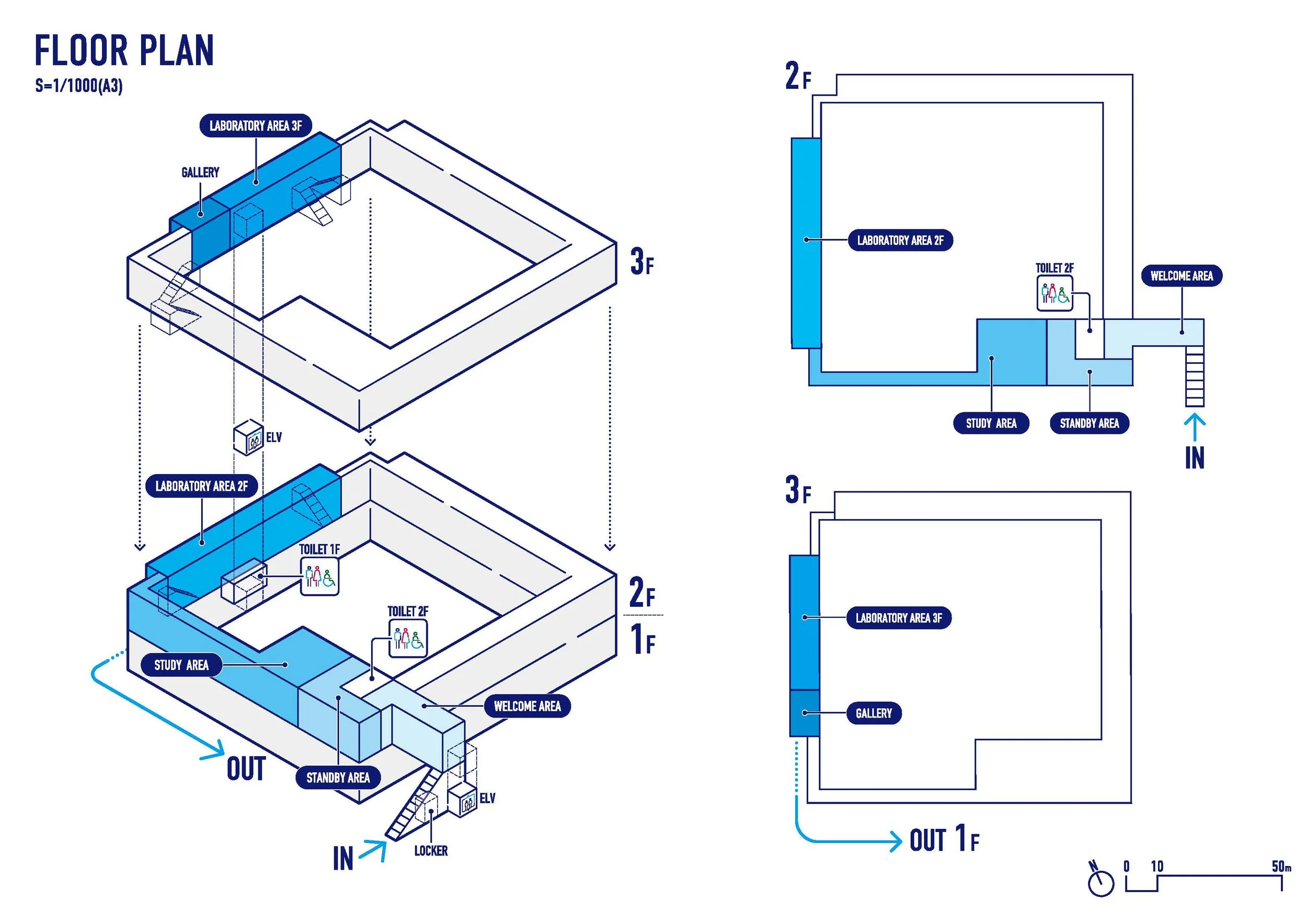
The production facility serves as the project's operational center, with exhibition and experience areas arranged around it. Visitor circulation is designed to maintain visual contact with the manufacturing process while keeping it separate from working routes. The museum experience begins with introductory interpretations and full-scale architectural references, and then progresses to machines, moulds, runner systems, and finished models.
Hands-on design areas are located after the production displays, ensuring that participation follows an understanding of the process. Education rooms are also available to support school groups without disrupting the main museum route. A significant fan installation occupies a major communal zone and serves as a visual landmark along the visitor journey. Its size differentiates community participation from smaller technical displays.
Environmental equipment and automated processes are integrated into the interpretive framework, rather than being concealed as back-of-house infrastructure. A complete, dimensioned plan set was not available in the accessible materials. The spatial analysis is based on the relationships explicitly described in the original submission and existing editorial documentation.
ORIGINAL DESIGNER SUBMISSION — VERBATIM
The BHCPDII MUSEUM (Bandai Hobby Center Plamo [Plastic Model] Design Industrial Institute Museum) is a museum themed around “Changing the perception of plastic models,” where visitors can experience the spirit of Japanese craftsmanship. By recreating the rarely seen behind-the-scenes world of plastic model production through authentic artifacts and meticulous displays, the museum conveys the evolution of technology and the dedication of skilled craftspeople. Visitors rediscover the appeal of plastic models by retracing the manufacturing process and ultimately trying their hand at design as a plastic model designer. The entire space is designed to evoke the “challenge and creativity” inherent in the history of plastic model making. By elevating simple displays into actual experiences, the museum serves as a platform to share Japan’s world-class, precision craftsmanship with the world. Traditionally, plastic models were perceived as a “niche hobby for a limited audience,” making it difficult to sense Japan’s culture of meticulous craftsmanship. To address this, the museum offers a one-of-a-kind experience in a new factory where plastic models are actually manufactured. By participating in the plastic model designer experience, visitors learn the underlying spirit of craftsmanship and transform their perception of what plastic models represent. Rather than functioning as a conventional factory, this “showcase factory” uses spatial design to integrate the factory’s presence into the museumexperience. This allows visitors to visually experience the spirit of craftsmanship through a design focused on authenticity, featuring a 1/1 scale plastic model facade, actual molding machines, molds, runner formations, and more. Centering on the new factory that delivers craftsmanship from Shizuoka to the world, the exhibition and experience areas are arranged to surround the production facilities. By introducing diverse variations in spatial form and visitor flow, we achieved a non-uniform, richly varied spatial experience while maintaining the factory’s functionality. Furthermore, the museum incorporates a plastic model art installation composed of 4,000 plastic models created by fans. This approach strengthens branding by involving fans in the facility’s creation while also providing local elementary and junior high school students with a place to experience hands-on manufacturing education through plastic models. These socially conscious activities create new value for plastic models. The space layout and exhibition design showcase the new factory’s environmental friendliness (ZEB certified) through its latest energy-saving and energy-generating equipment, as well as its labor-saving, automated processes enabled by advanced production equipment. These features attract the interest of visitors and change the way plastic models are viewed from a sustainability perspective.
Project: BANDAI HOBBY CENTER PLAMO DESIGN INDUSTRIAL INSTITUTE MUSEUM
Location: Shizuoka, Japan
Project type: Interior Design — Institution / Museum and Showcase Factory
Designer/company: CIC, NOMURA Co., Ltd.