

Rose Gallery designed by WJ Studio
In a culture used to fast-paced exhibitions, Rose Gallery invites visitors to engage with a different kind of attention. The 105-square-meter gallery in Hangzhou is dedicated to ancient Chinese porcelain, and its defining feature is the space surrounding each piece. WJ STUDIO draws inspiration from Laozi’s notion that absence enhances presence, allowing a bowl, glaze, or trace of age to take center stage in the room without visual distractions.
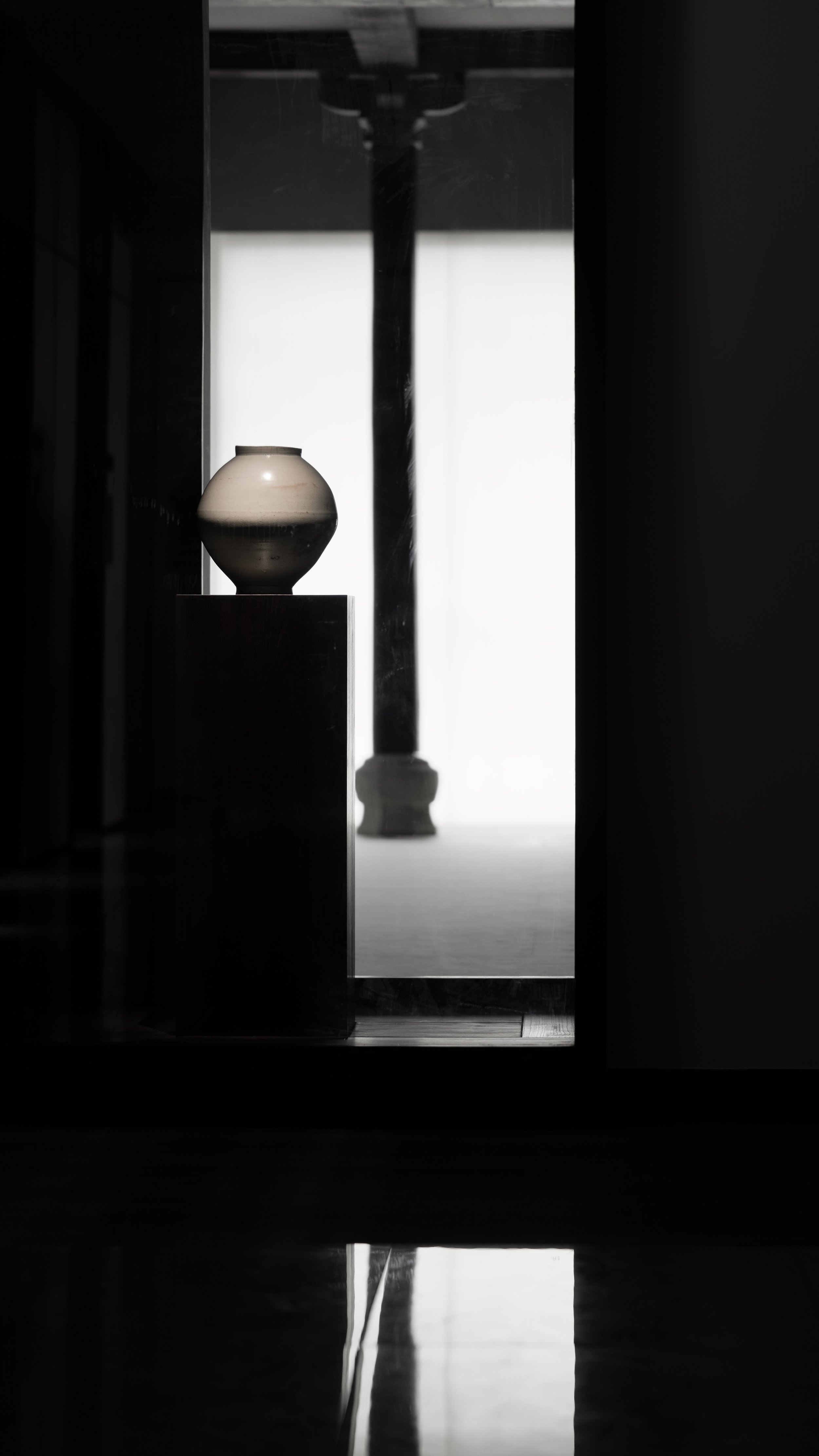
The gallery's title, "A World in One Object," conveys the intimacy of this experience. Each piece of ancient porcelain embodies the memory of earth, fire, craft, and serendipity within a remarkably compact form. Rose Gallery provides the time and distance needed for these qualities to surface, encouraging visitors to look closely enough so that a single piece reveals a much larger cultural landscape.
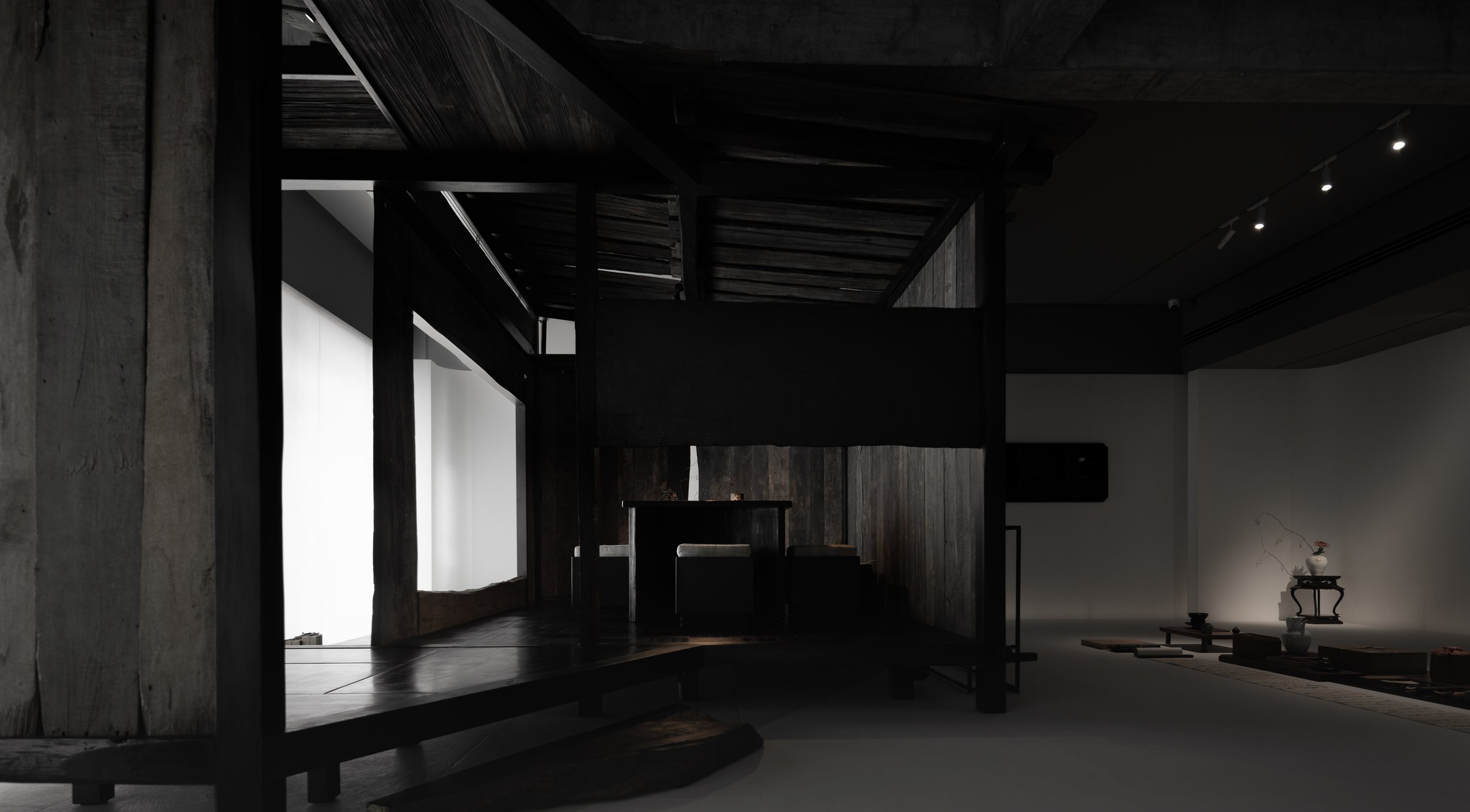
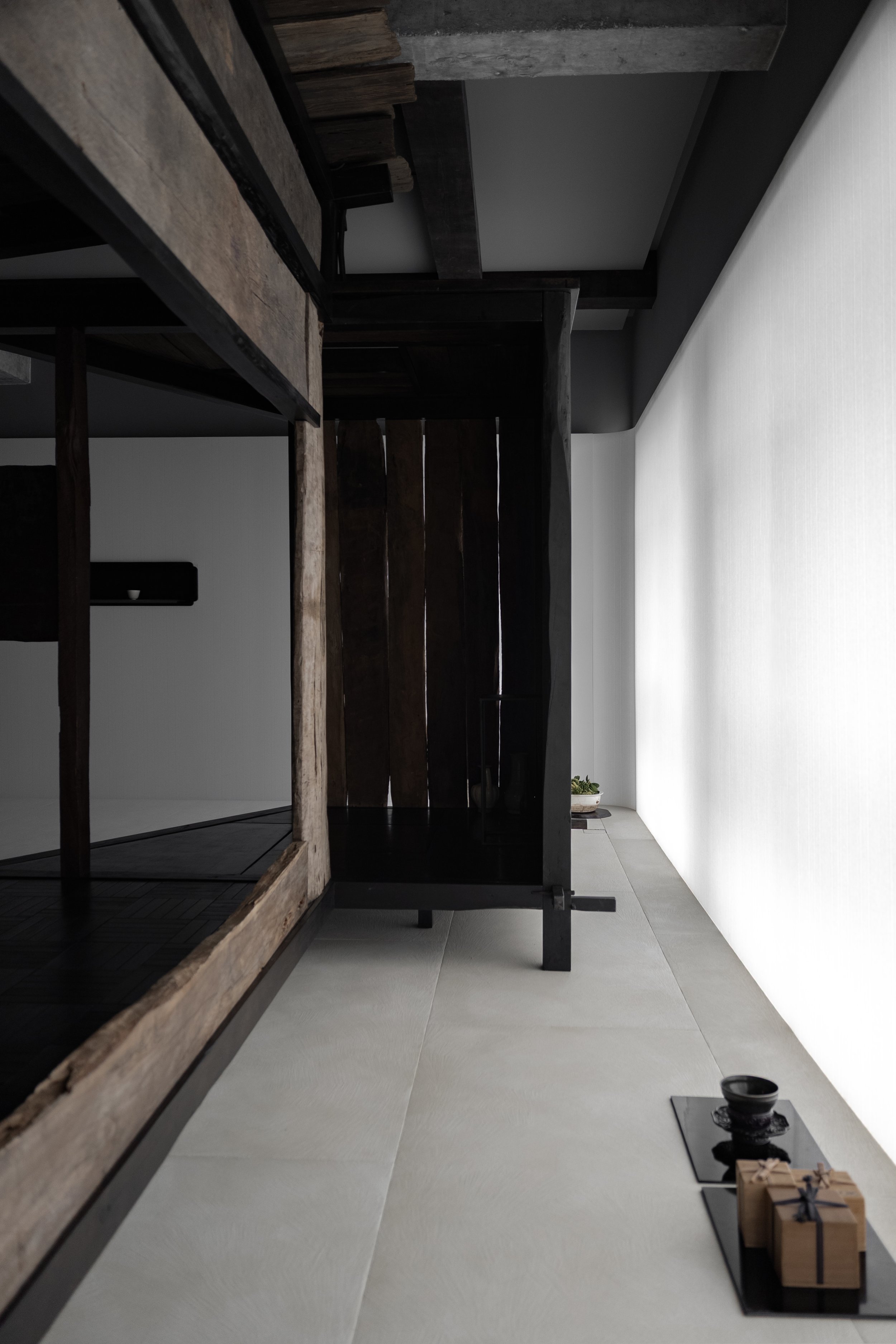
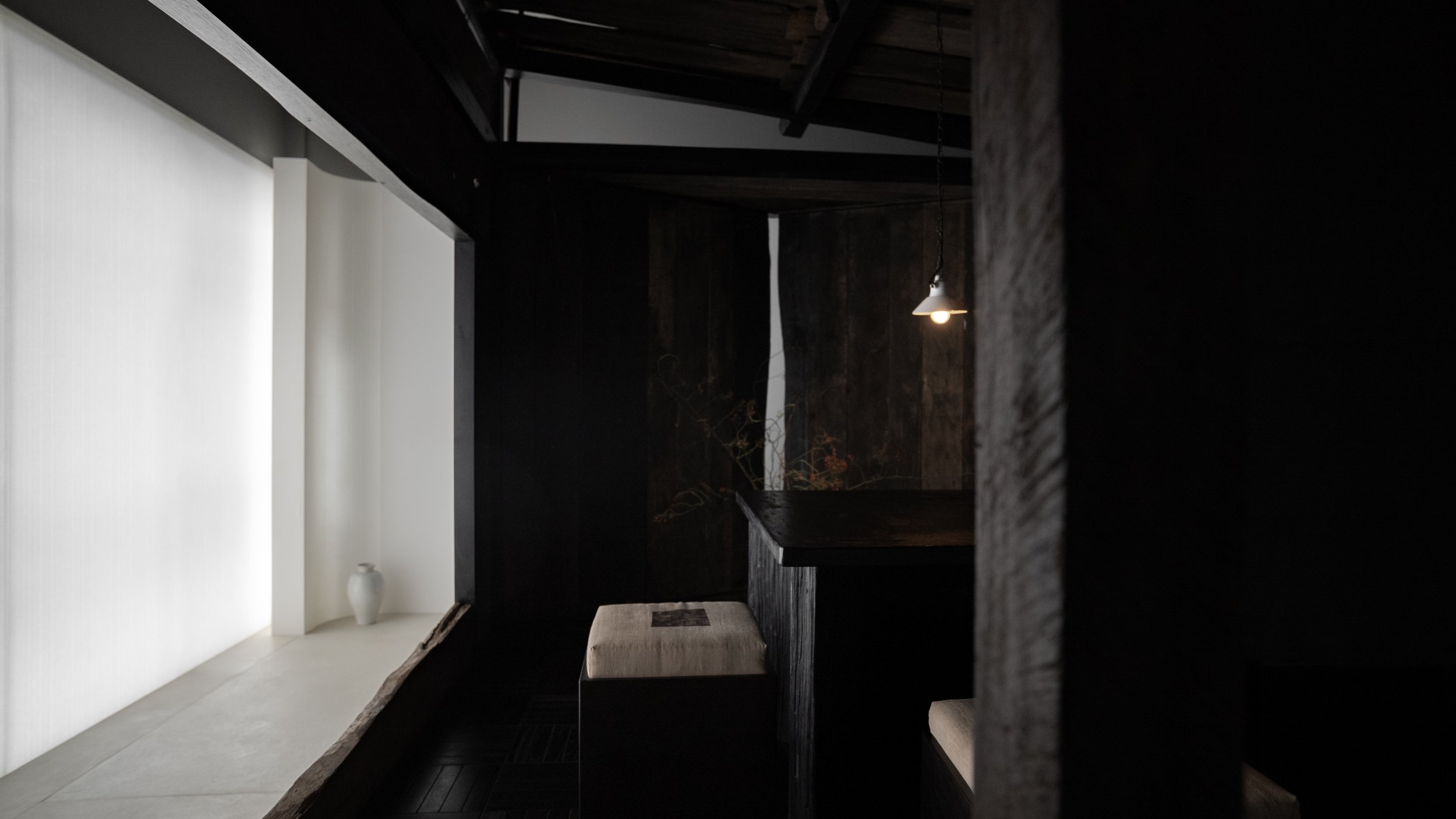
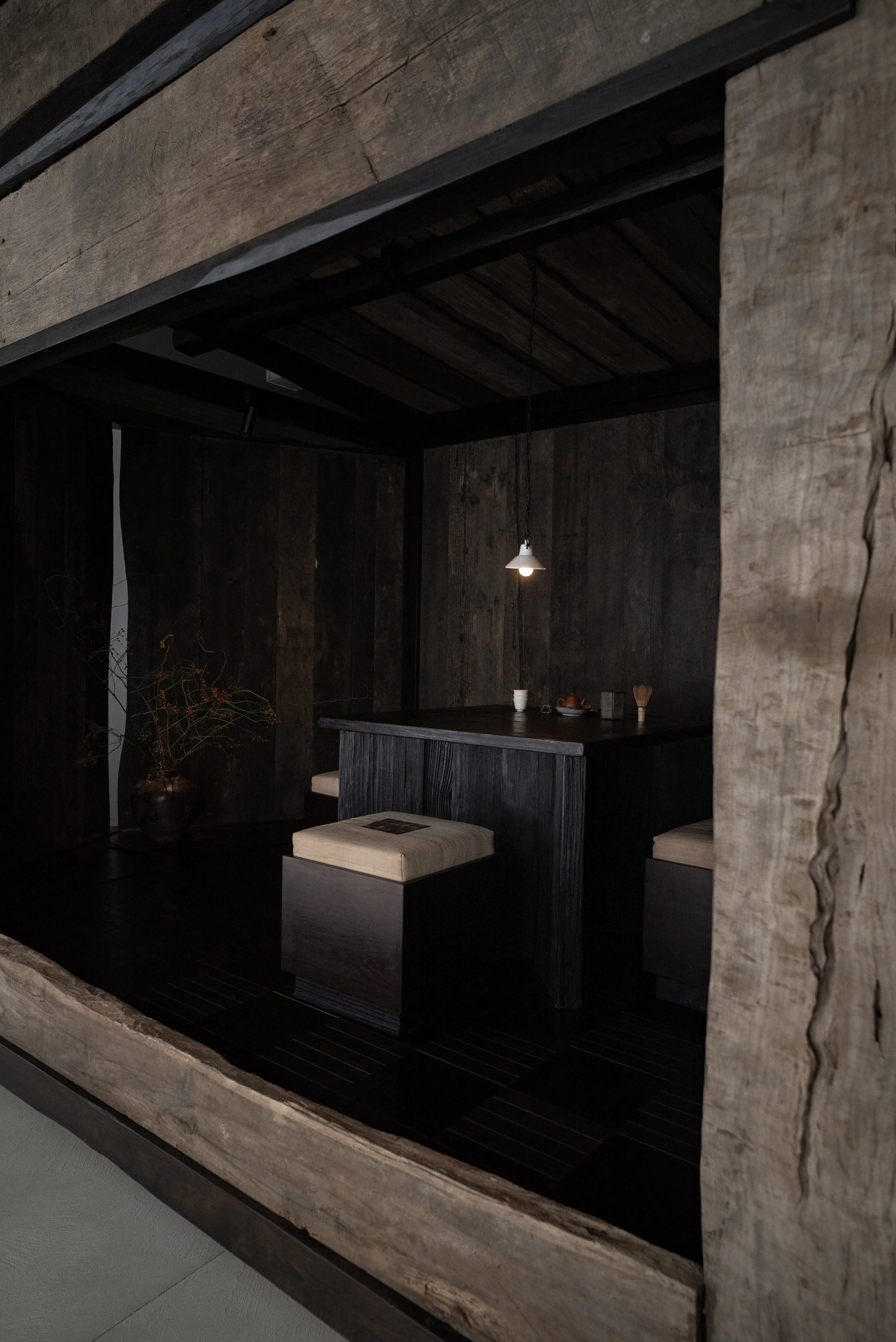
WJ STUDIO reimagined the existing concrete structure as a "house within a house." The original beams and solitary columns remain visible within a new arrangement of pale enclosures, introducing the layered sense of progression associated with traditional Chinese architecture. Visitors move slowly through the interior, discovering each object within a setting shaped by depth, pause, and gradual revelation. The near-monochrome architecture evokes the appearance of unglazed bisque, the quiet state of ceramic before colour and firing transform its surface. Against this pale mineral backdrop, the collection's glazes become more vibrant. The soft blue of Ru ware, the iridescent depth of Jianzhan, and the accumulated patina of older pieces create the room's visual dynamism.
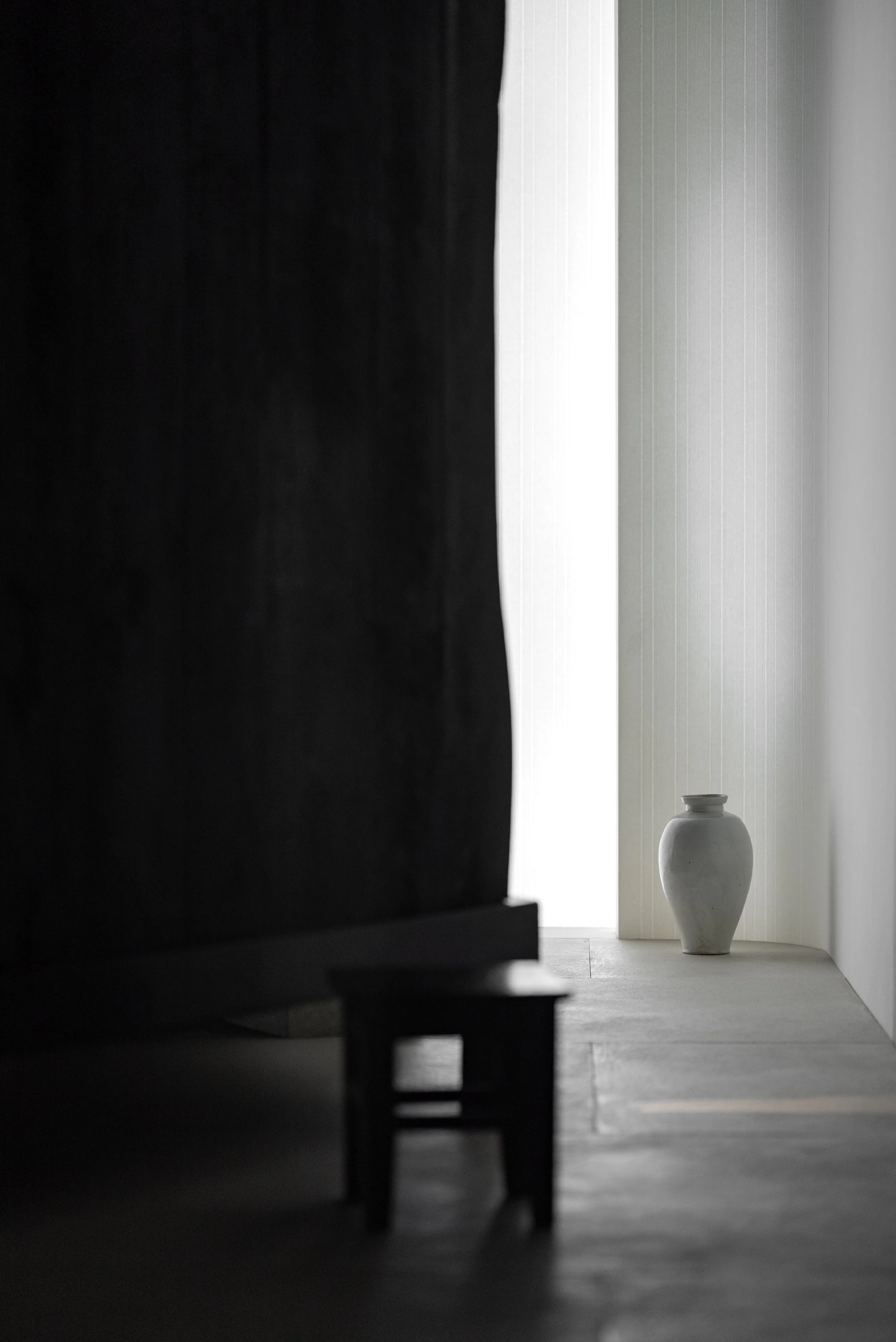
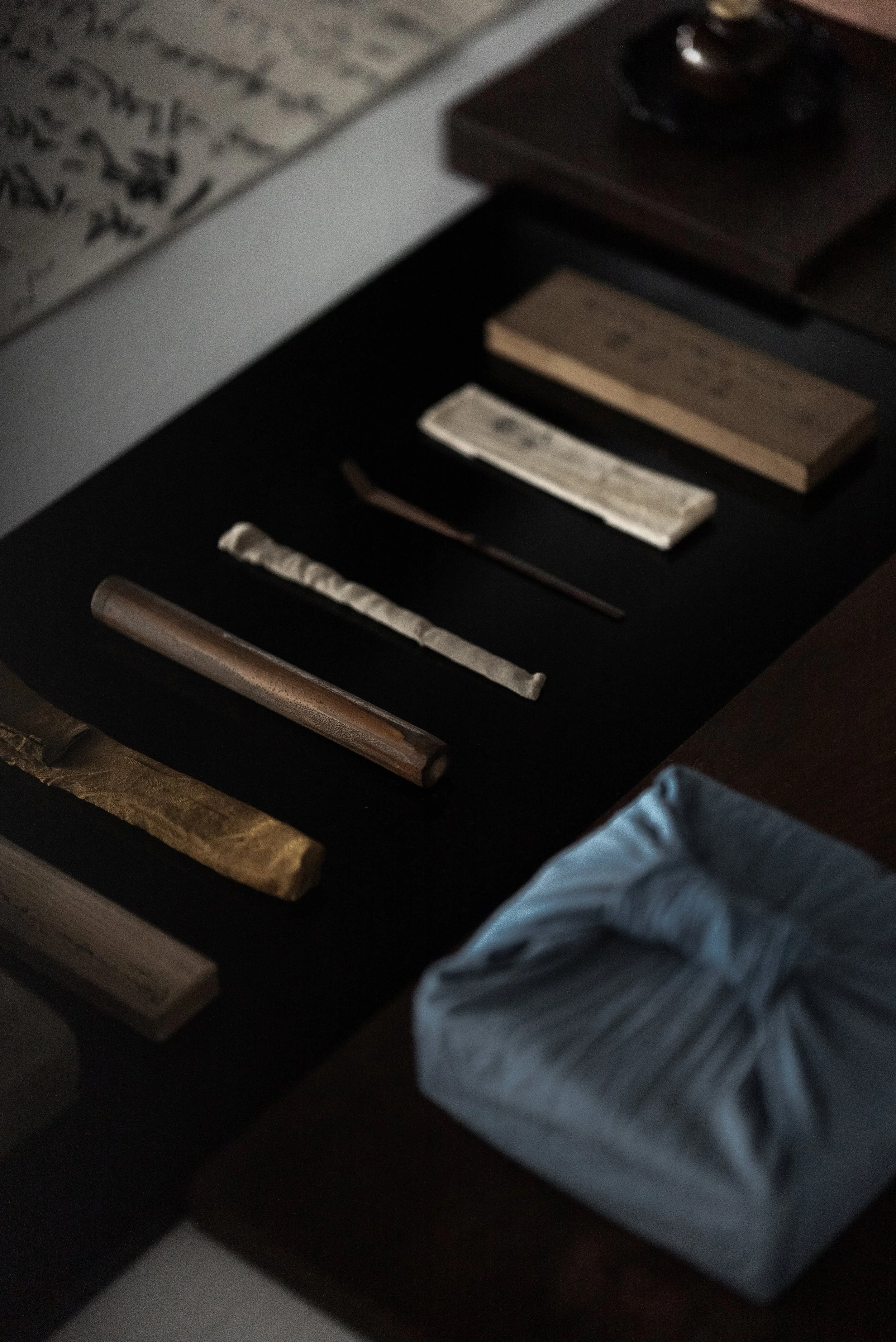
Light enhances this experience. Diffused illumination gently surrounds the displays, reminiscent of sunlight filtered through timber lattice. As the eye adjusts, colour, shadow, and texture gradually become apparent. The porcelain seems integrated into the surrounding atmosphere, with every edge and reflection responding to the gallery's changing brightness. Rose Gallery also promotes a more personal viewing experience. Visitors can sit with a select group of pieces and interact with them as they are carefully unwrapped by hand. This gesture creates a moment of anticipation, allowing the observer to consider the weight, glaze, and individual marks of each object up close.
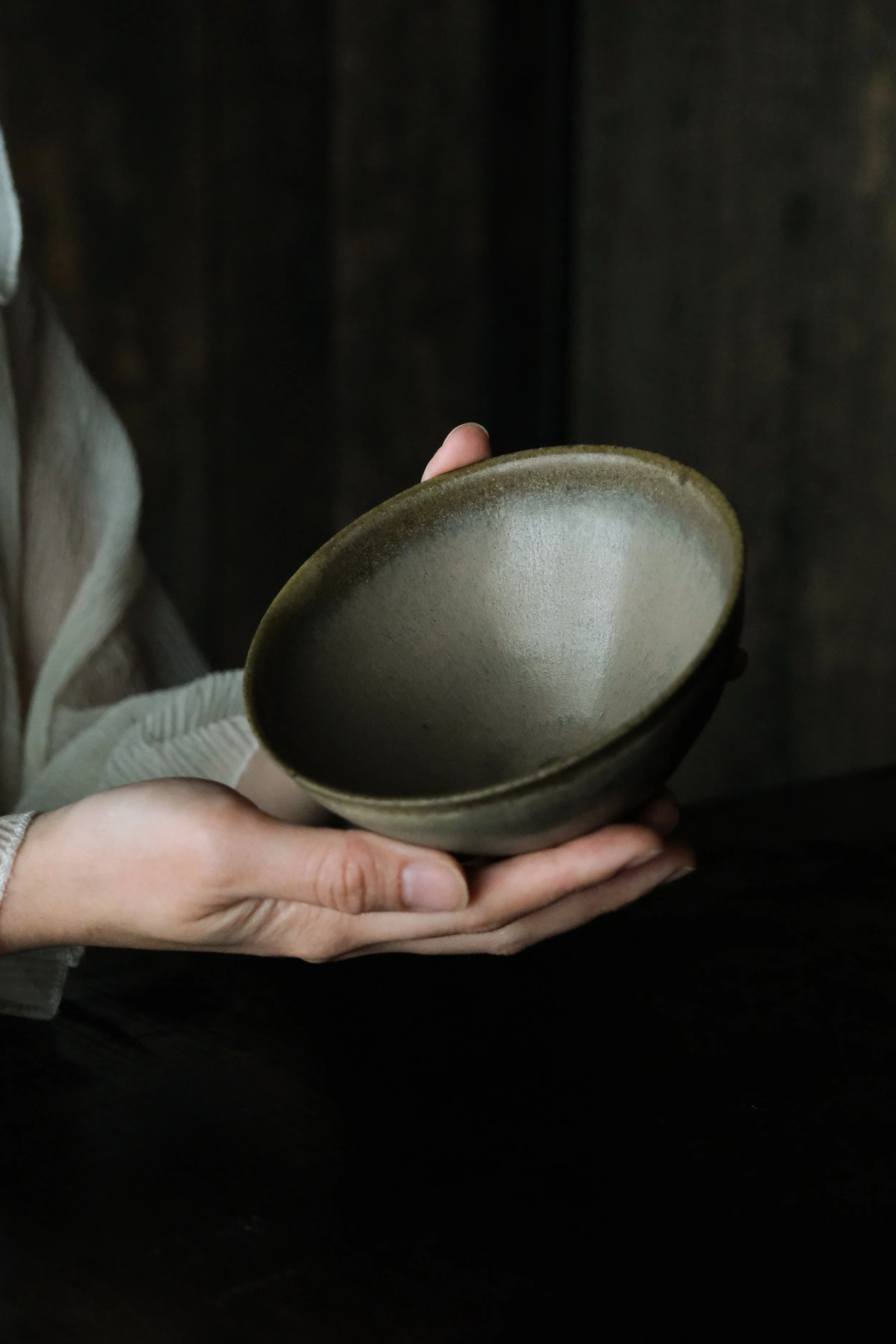
This slower interaction embodies the spirit of the Chinese literati tradition of "seeing the large in the small." A single bowl can encapsulate the character of a kiln, the instincts of its maker, and the passage of centuries. The gallery provides a spatial context for this concentration, surrounding each work with the stillness necessary for personal memory and interpretation to enrich the experience. Bespoke timber elements add another layer of craftsmanship. Their proportions and joinery support display, seating, and movement with quiet precision, while the contrast between the original concrete structure and the light interior insertion gives the gallery a sense of depth and history.
Rose Gallery presents the act of collecting as an intimate cultural exchange. The space serves as a vessel in which light and shadow reveal each object's surface, allowing them to carry their own narratives. WJ STUDIO has created a gallery where ancient porcelain can be appreciated with patience, proximity, and the rare pleasure of undivided attention.
PEGGY'S EDITOR'S NOTE (2026 Sky Design Awards Editorial Jury)
Rose Gallery showcases the powerful impact of restraint, demonstrating that a minimal display can create a deeply engaging experience. By curating the viewer's field of vision, the design encourages a shift towards patient and thoughtful observation, transforming each visit into a significant discovery.
The design team effectively combines philosophical inquiry with architectural reality. Features such as layered thresholds, carefully managed natural light, and intimate seating arrangements create a sanctuary where history feels both accessible and vibrant. This approach gives the porcelain a renewed sense of dignity, inviting a personal, human connection with the past that goes beyond the formality of a typical museum setting.
EDITOR'S REVIEW
The project stands out due to its carefully curated selection, which focuses on individual objects to create a deep sense of presence. Each porcelain piece has its own space, allowing viewers to appreciate intricate details such as the depth of the glaze, surface patina, and the history of the materials in a tranquil setting.
The lighting strategy complements the collection beautifully, using soft, diffuse illumination to enhance iridescence and subtle tonal variations. This method celebrates the beauty of ancient ceramics, ensuring that every nuance becomes visible as viewers adjust to the gallery's gentle ambiance.
The "house-within-a-house" architectural concept translates complex philosophical ideas into tangible experiences. With thoughtfully layered thresholds and pale, organic enclosures, the design invites visitors into a meditative space where the interplay of light and form brings the history of these objects to life.
DRAWING AND SPATIAL ANALYSIS
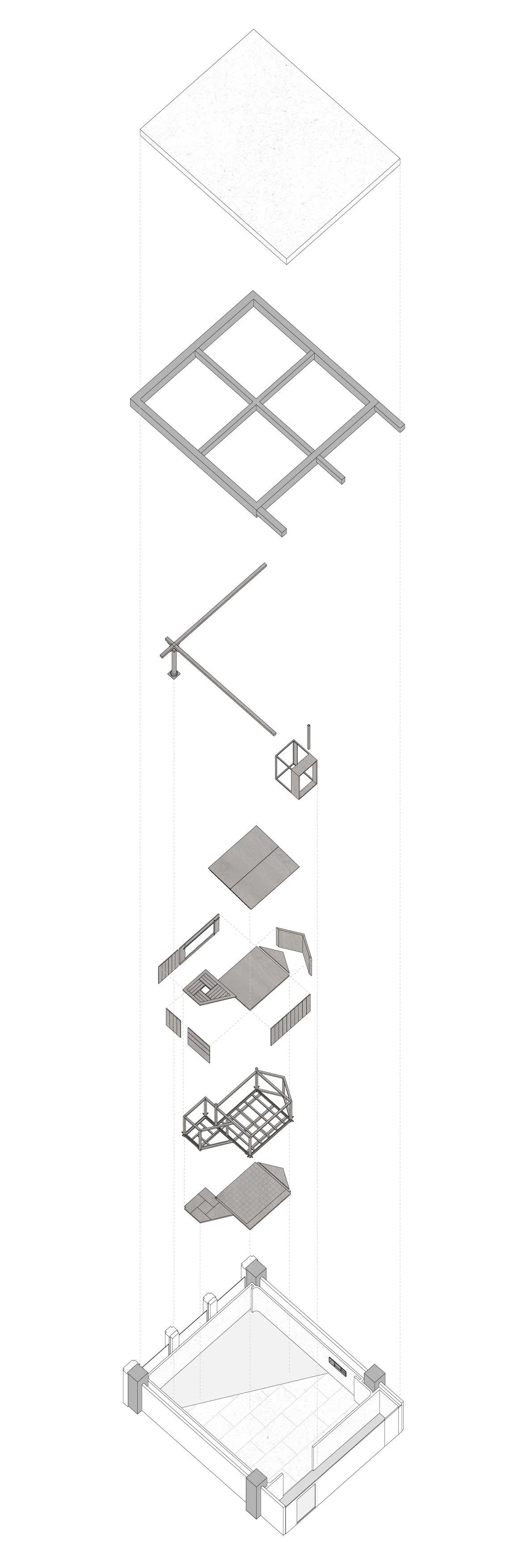
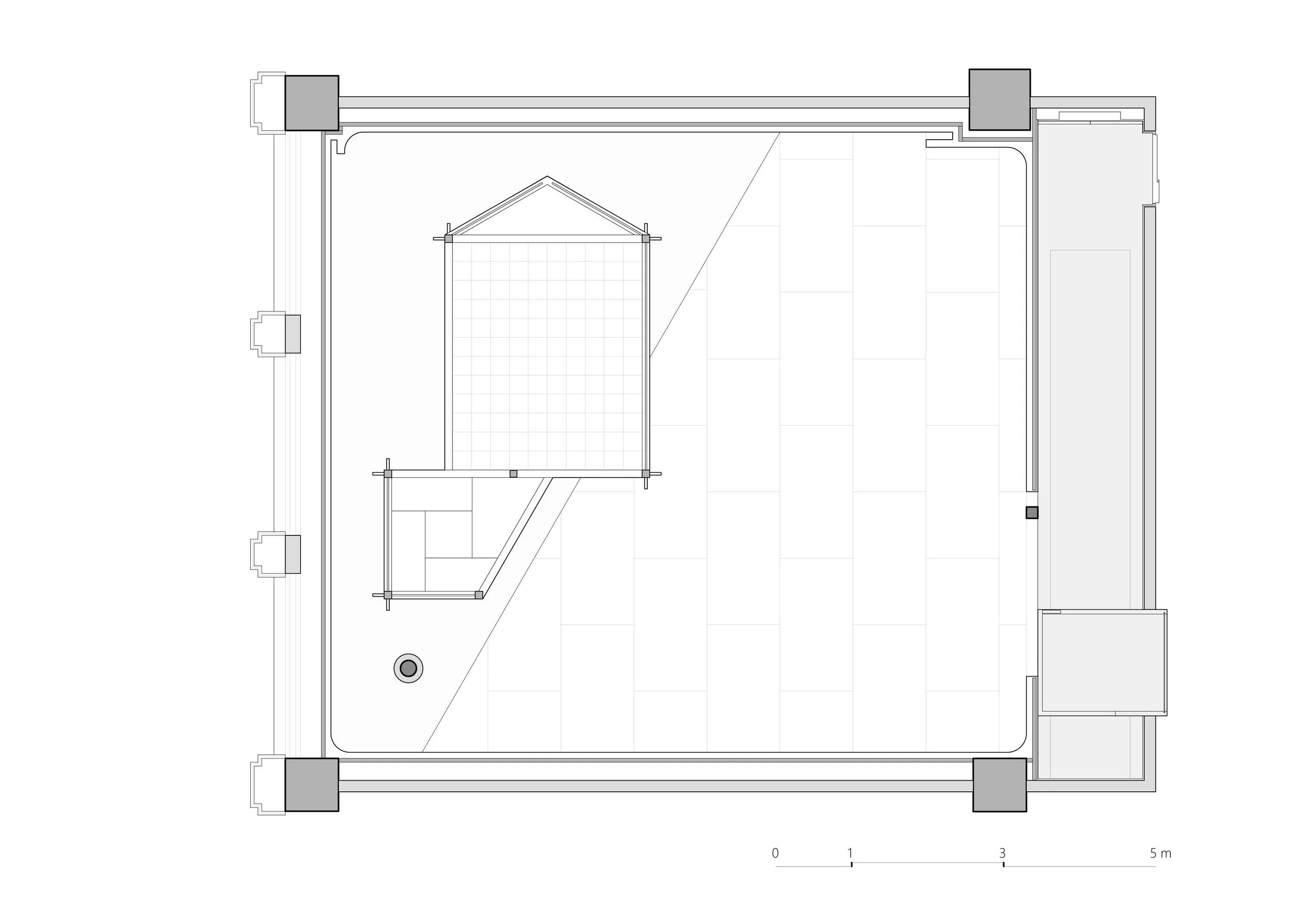
The 105-square-metre gallery is designed within an existing concrete structure characterized by a distinctive beam system and isolated columns.
A secondary interior construction creates a "house-within-a-house," utilizing layered rooms and thresholds to guide movement without strictly adhering to a historical layout. Displays are arranged sparsely, allowing each object to have its own defined visual space and preventing multiple works from competing for attention in a single view.
Seating and unpacking areas are provided in more intimate zones, where visitors can spend extended periods with a small number of pieces. Diffuse lighting is used around the objects and on light surfaces, rather than relying solely on direct spotlights.
ORIGINAL DESIGNER SUBMISSION — VERBATIM
Rose Gallery - A World in One Object
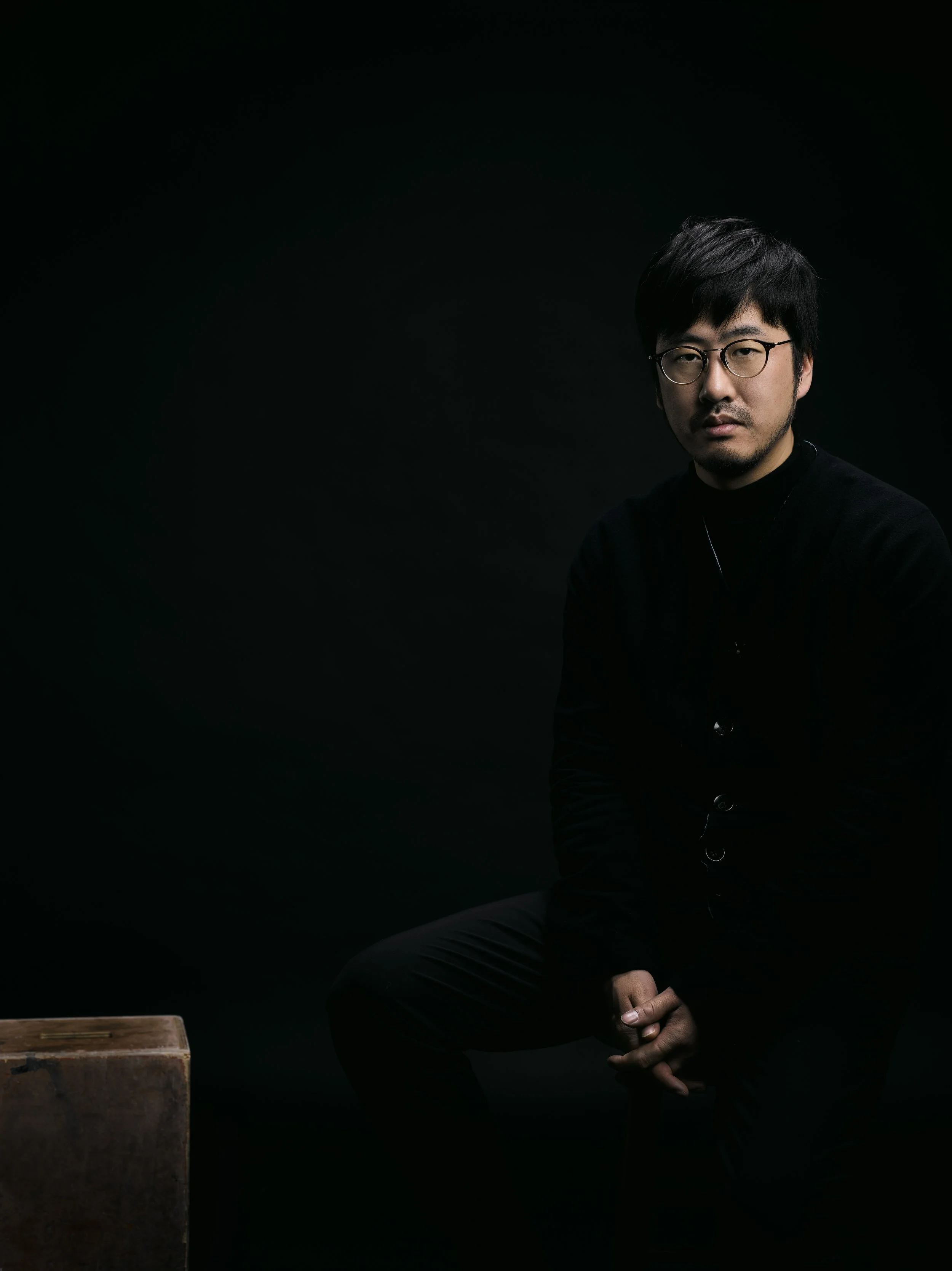
Hu Zhile
WJ STUDIO Founding Partner & Design Principal
What is present is considered beneficial, what is absent is considered useful.
--Lao Zi
Objects are "presence", while the space is "absence. The design of Rose Gallery uses the "void" of absence to support the profound essence of presence. The space becomes a vessel for the objects, a quiet backdrop that elevates each piece of ancient porcelain.
01 Space: A House within a House: The pure and minimalist space, like an unglazed bisque, allows the objects within it to breathe, stretch, and grow...
The layered spatial progression found in traditional Chinese architecture is subtly embedded here. With its distinct beam structure and solitary columns, the "concrete box" is cleverly transformed into a "house within a house," imbued with a vibrant, ancient resonance.
02 Light and Shadow: Dialogue with Light
There is no harshness of direct light; instead, a soft, diffused light permeates the space around the objects. It evokes an era before glass, when sunlight filtered through wooden lattices, casting a gentle and warm glow. As the light dims, the iridescence of the Jianzhan bowls and the rich patina of the ancient porcelain slowly emerge. This illumination acts as a bridge, allowing contemporary viewers to perceive the objects' true beauty within an ambiance reminiscent of the past.
03 Objects: Seeing the Large in the Small
One object, one world.
Visitors do not search amidst a dazzling collection. Instead, they sit quietly, untying the cloth-wrapped bundles by hand, perceiving each object as it is unwrapped: the cloud-like shadows in the Ru ware's sky-blue glaze, the universe reflected in the Jianzhan's unpredictable kiln effects...
This slow, intimate dialogue with a few select pieces allows the ancient porcelain to resonate with the viewer's inner world. This is the epitome of the Chinese literati aesthetic: "seeing the large in the small." Space as the vessel, supporting its form; Light and shadow as the brush, enriching its color; Objects as the heart, conveying its meaning.
May every object, in its most fitting context, reveal its singular beauty.
Project Info
Project Name: Rose Gallery
Location: Hangzhou, Zhejiang
Complete: September 2025
Typology: Commercial/Exhibition Hall
Area: 105㎡
Client: Rose Gallery
Interior Design: WJ STUDIO
Principal Designer: Hu Zhile
Interior Design Team: Liu Yu'ao, Zhan Yuming, Wang Ying
Woodwork Design: Wumusuo
Construction Firm: Hangzhou Maozhou Decoration Design Co.
Photography: Yida, Rose Gallery, WJ STUDIO
Video: Yida
Hu Zhile believes that design is a way of thinking. He’s design approach starts from understanding urban relationships. In his designs, he not only emphasizes the continuity and scenario-based nature of the interior and exterior spaces of buildings, but also pays greater attention to the thinking behind the design form. He believes that form possesses deeper meanings, and design must confront the essence of space. Through continuous thinking and practice, He has accumulated rich experience in hotel, urban renewal, cultural, office, and special exploratory projects.
Before founded WJ STUDIO in 2015, Hu fulfilled his career as a professional architect working for PROSHIMA in Japan and GOA in China, positioned as design director and project manager. He also worked as the technical manager of China for the first project of renowned architect Renzo Piano in China.
WJ STUDIO
"Beyond design" is the guiding philosophy that WJ STUDIO adheres to in its relentless pursuit of creating exceptional architectural spaces.
Under its PRO-LAB research division, WJ STUDIO approaches design as a way of thinking, fostering innovation through interdisciplinary collaboration with experts and scholars from diverse fields. From a multifaceted perspective, their work transcends mere stylistic forms, striving instead to deliver a holistic expression that seamlessly integrates culture and content.
As a young, energetic and passionate team, by the leadership of its founding partner Hu Zhile, WJ STUDIO has won many international design awards including Andrew Martin International Interior Design Awards, Hospitality Design Awards, World Architecture Festival (WAF/INSIDE), LIV Hospitality Design Awards, Good Design Award, Architizer A+ Awards, Paris Design Award, AD100 , etc.
Web