

UNIVERSAL MUSIC STORE HARAJUKU designed by SPACE CO., LTD. (Japan)
Music now reaches audiences instantly, but some of its most memorable moments still rely on the physical presence of fans. A music release becomes a significant event when fans gather, an artist appears, and the culture surrounding the record takes shape. The UNIVERSAL MUSIC STORE HARAJUKU provides a permanent venue for these encounters in one of Tokyo's most influential youth and fashion districts.
Designed by SPACE CO., LTD., the store was envisioned as a space where music can be integrated into everyday life. Its offerings encompass retail, exhibitions, artist collaborations, and fan events, allowing each new project to create its own atmosphere while still being part of the broader Universal Music identity. This adaptability mirrors the rapid pace of contemporary music culture. Albums, visual campaigns, and collaborations emerge quickly, while audiences engage with artists through sound, fashion, moving images, and social media simultaneously. A permanent store that supports this culture must be able to shift its focus without losing its sense of identity.
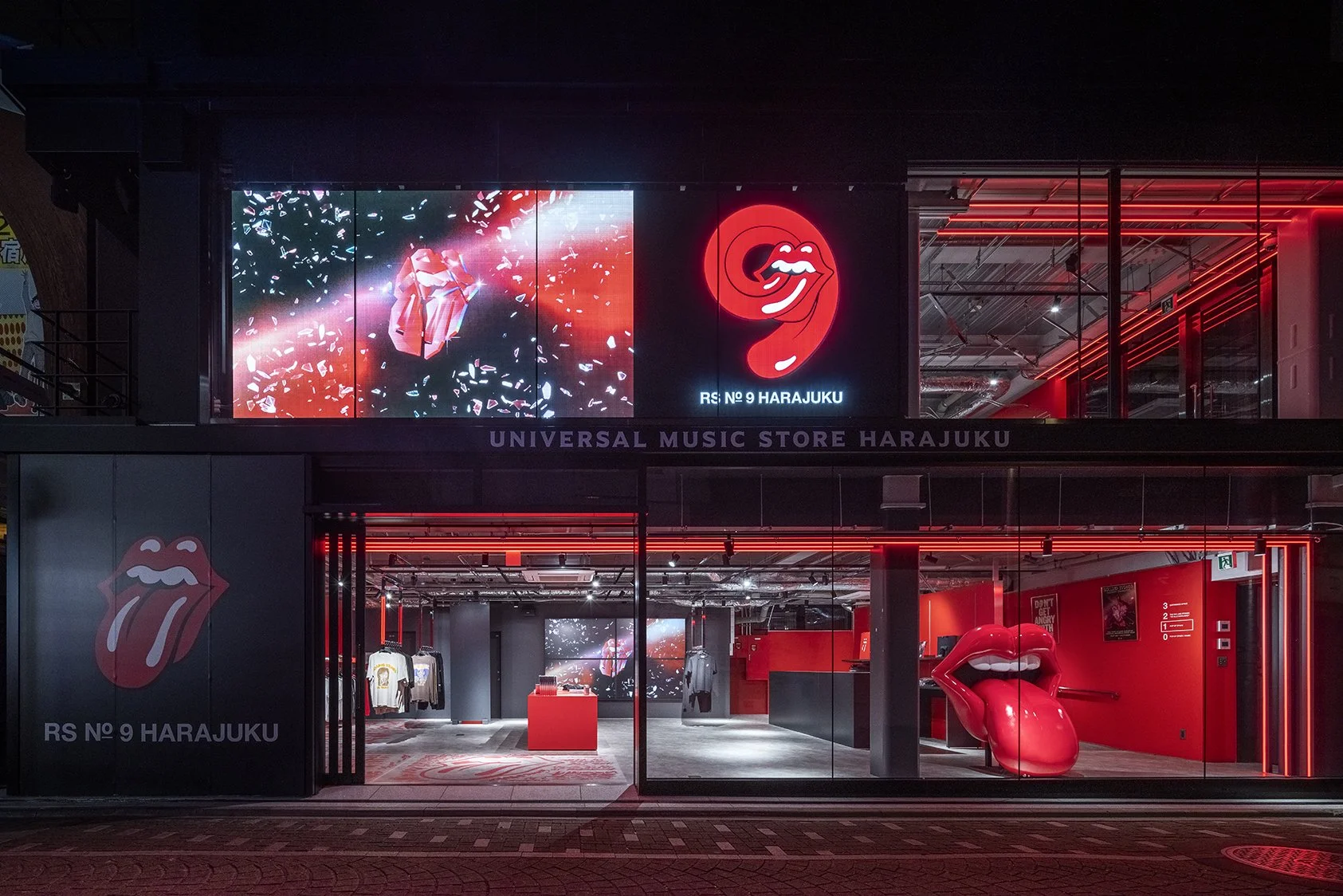
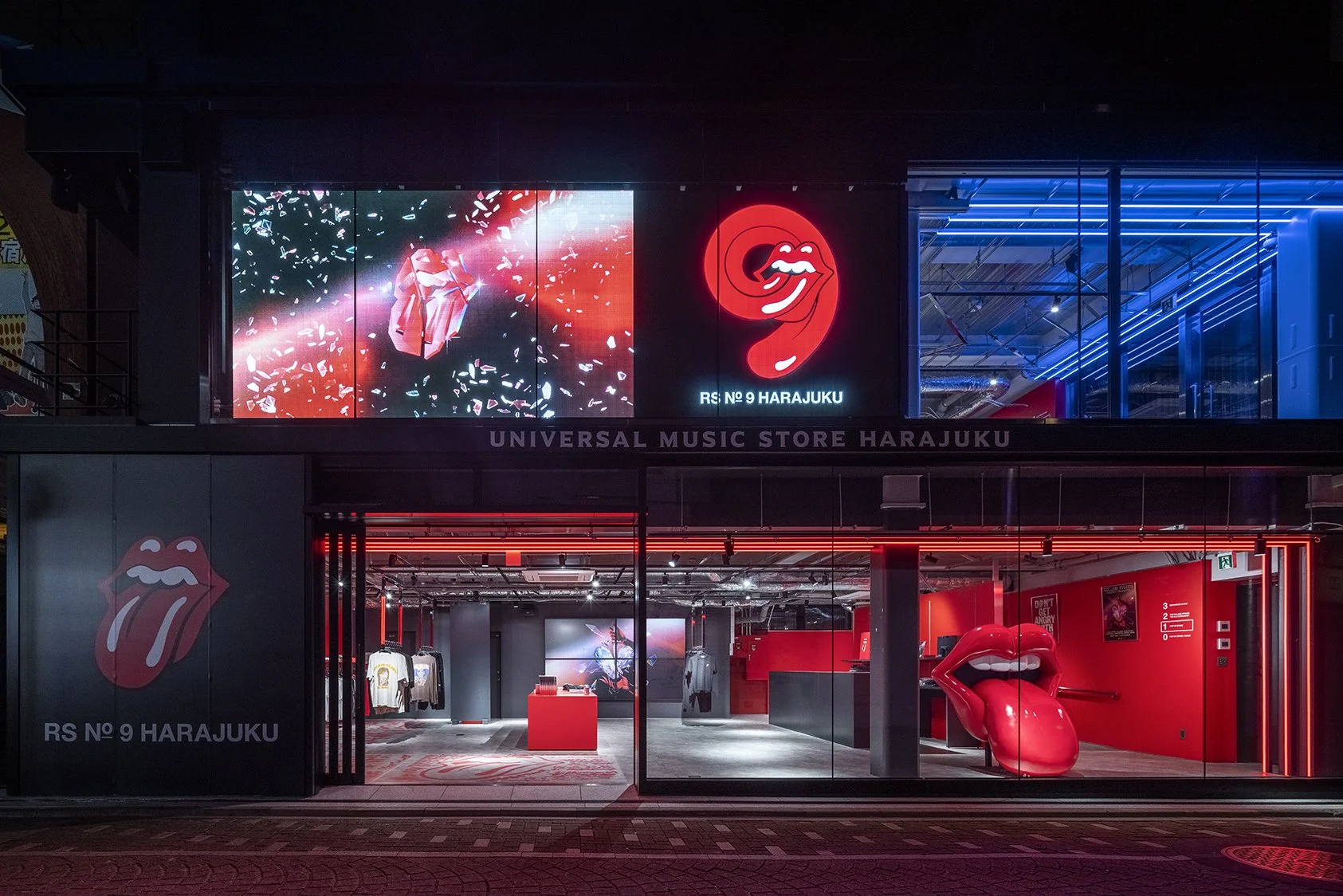
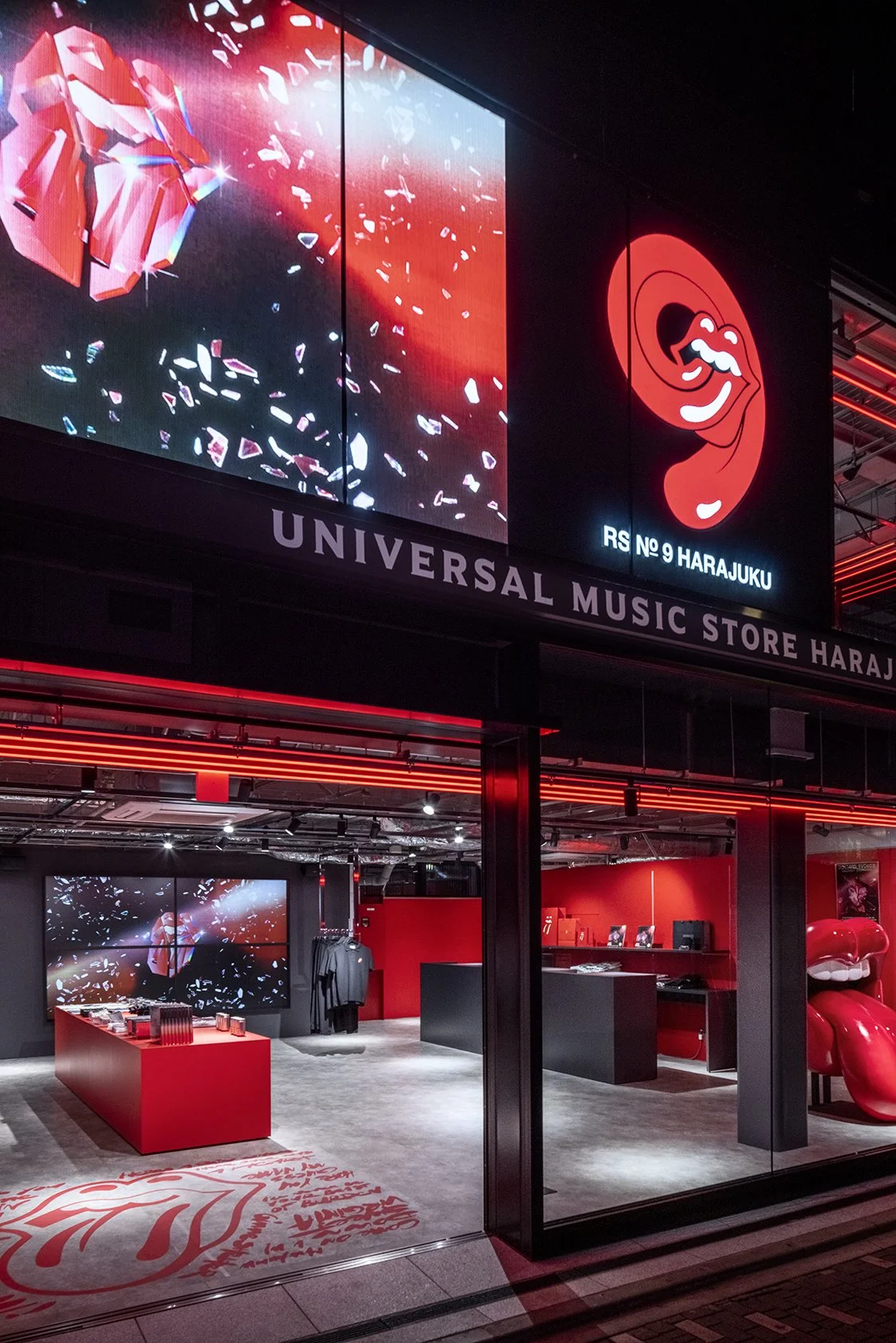
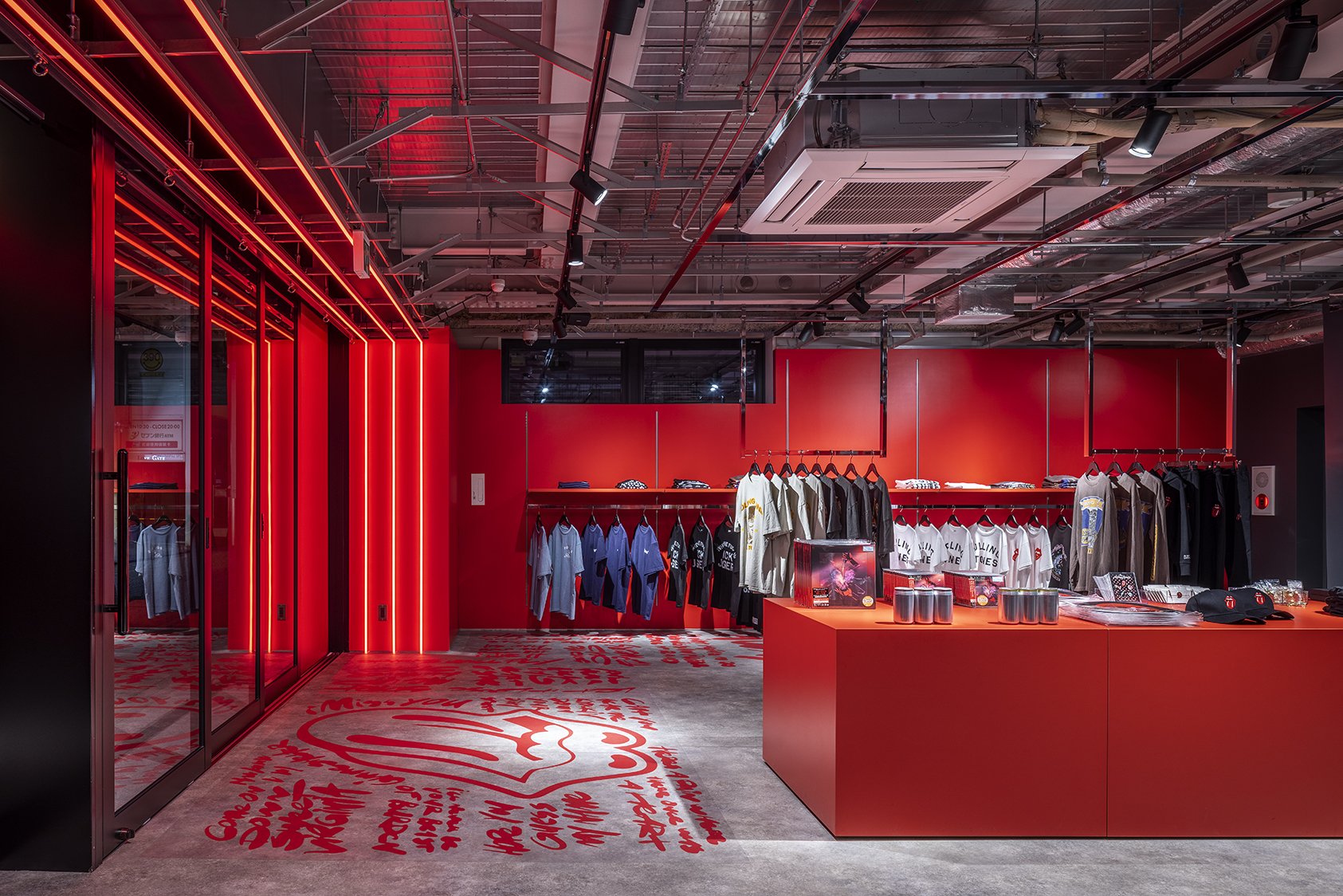
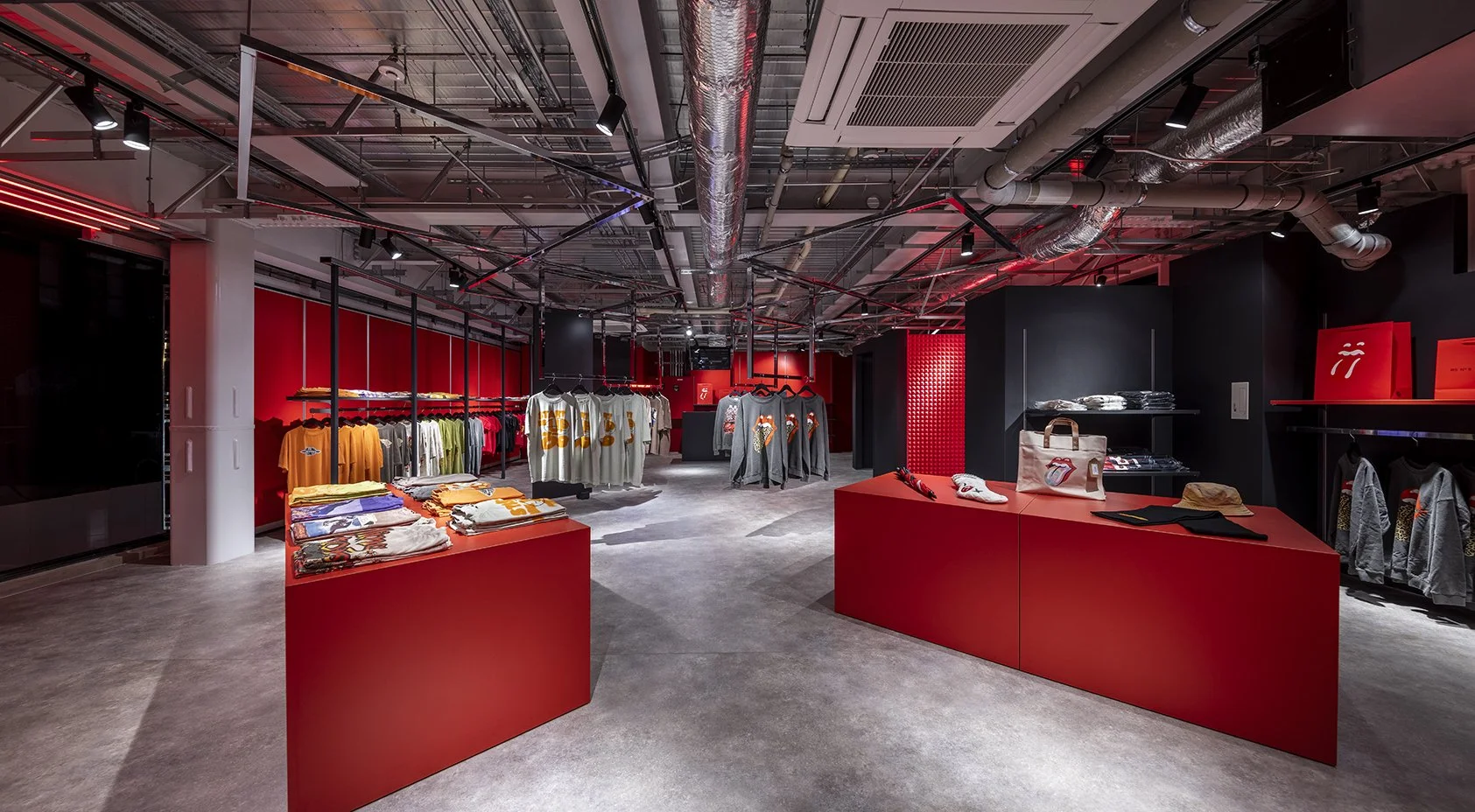
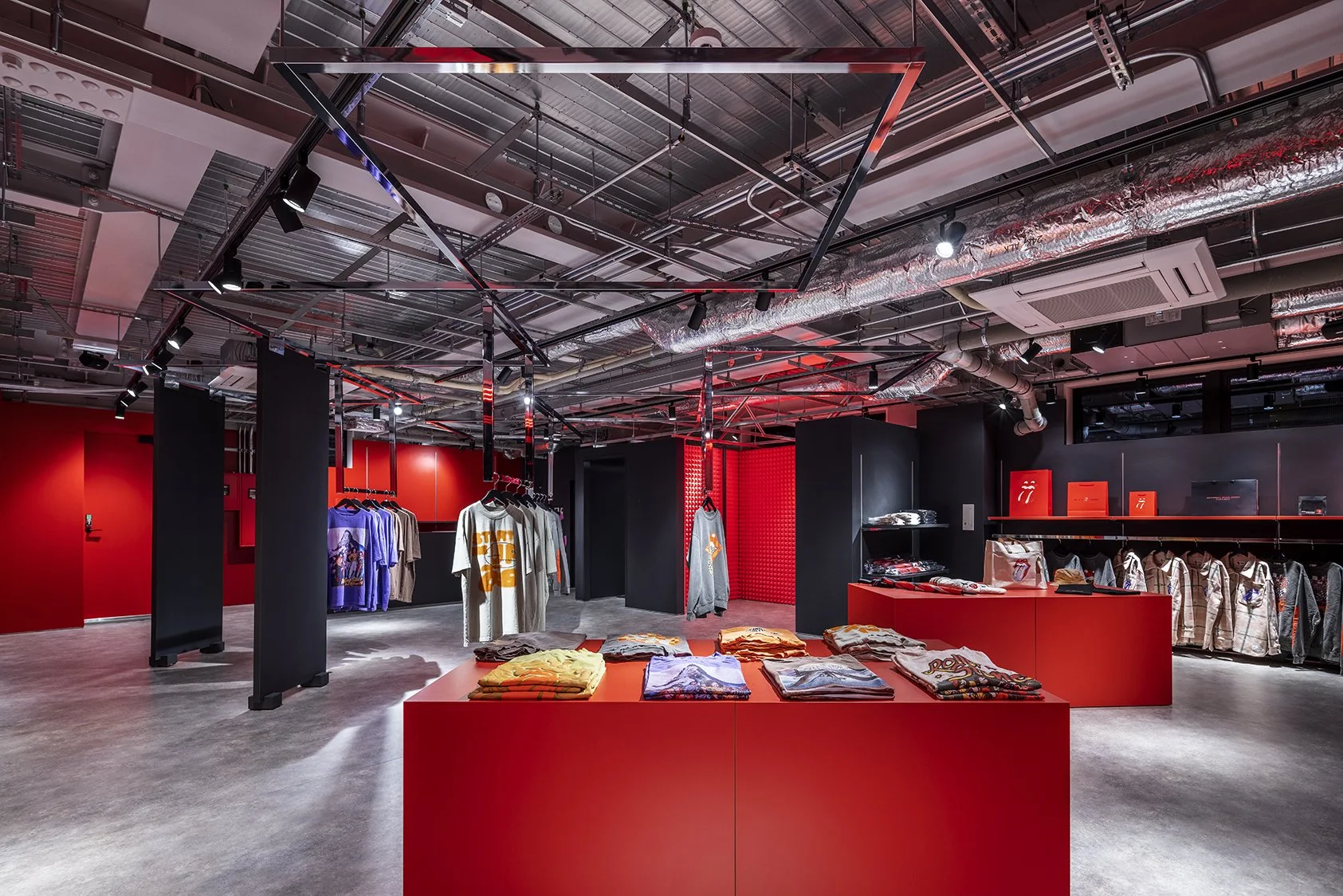
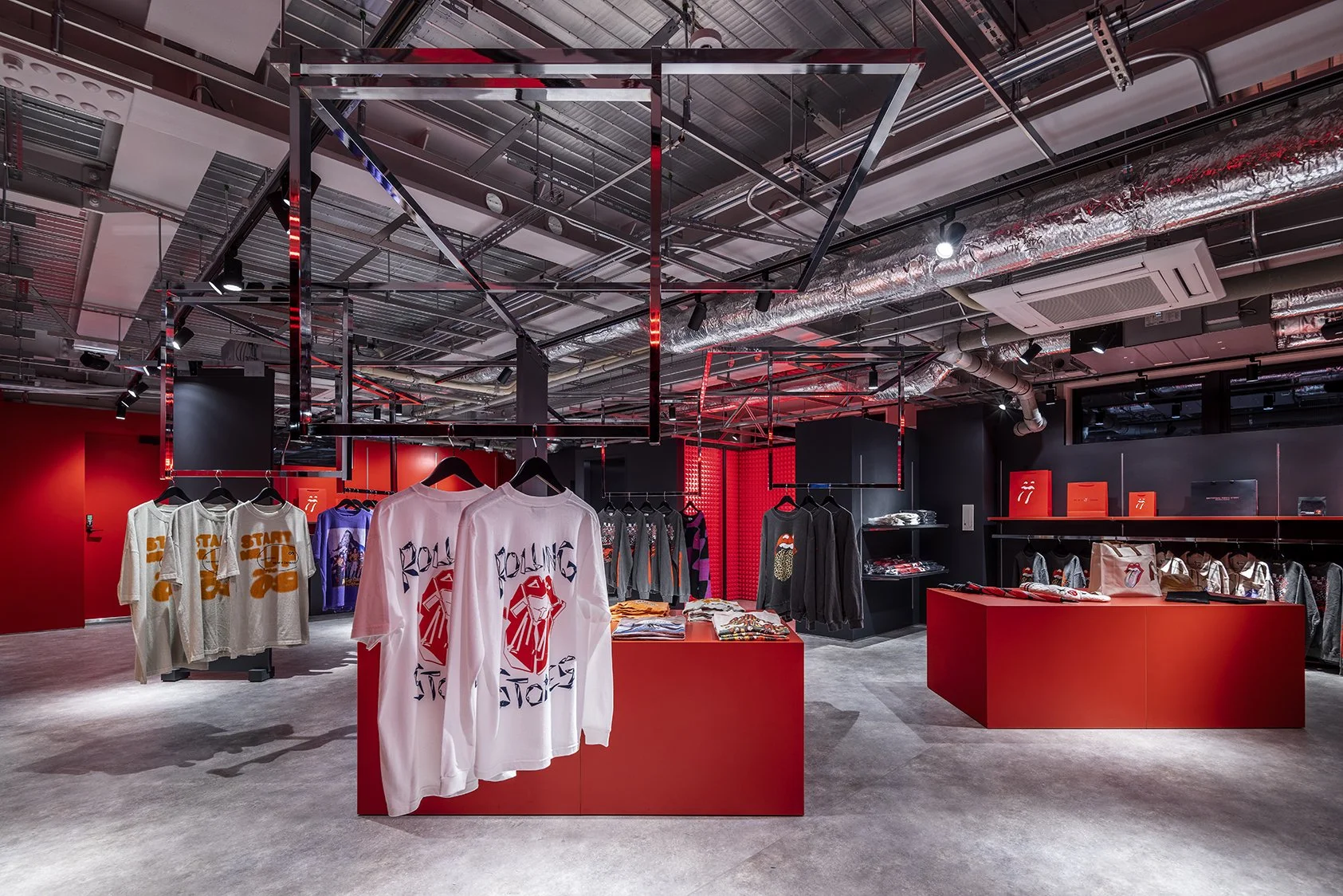
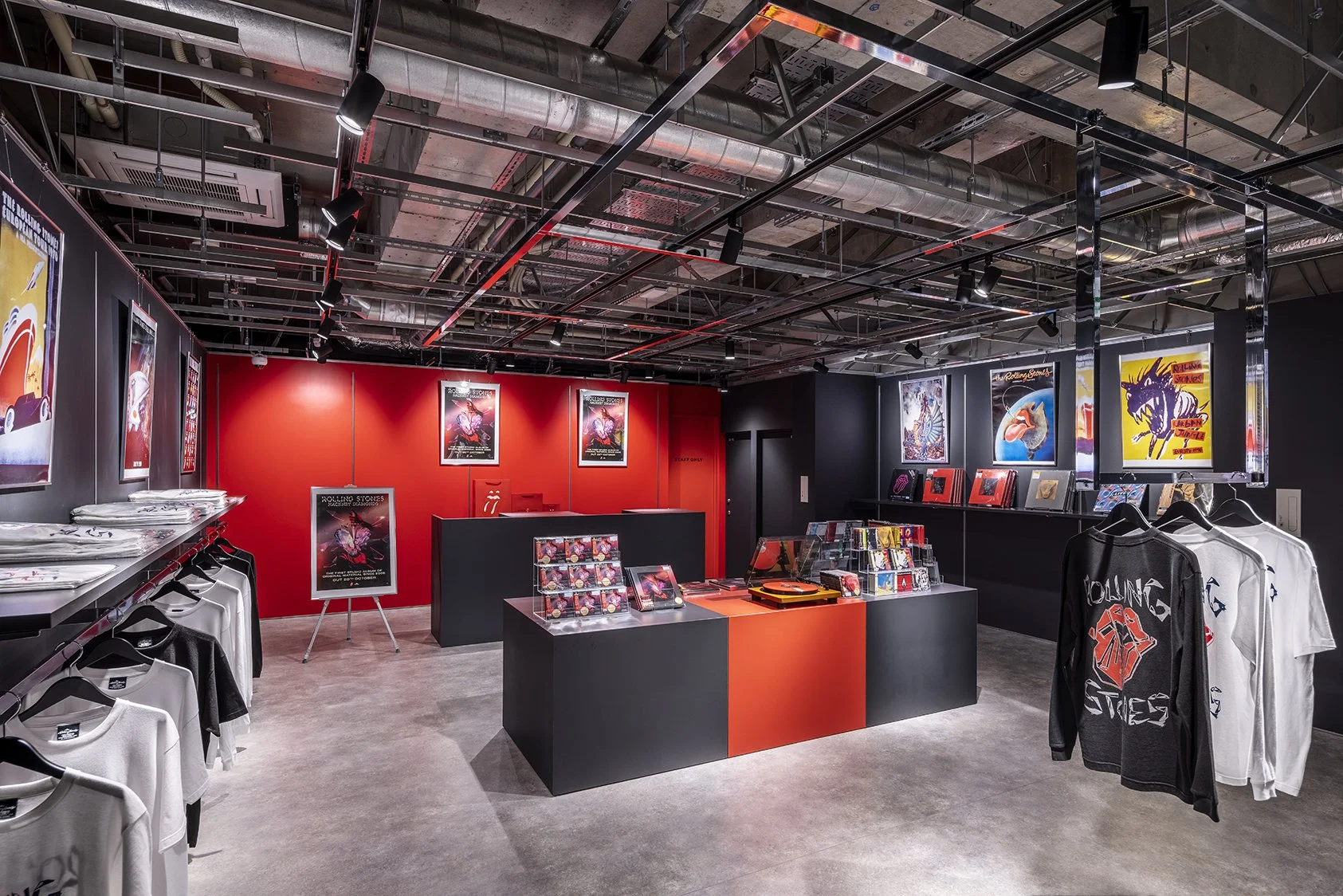
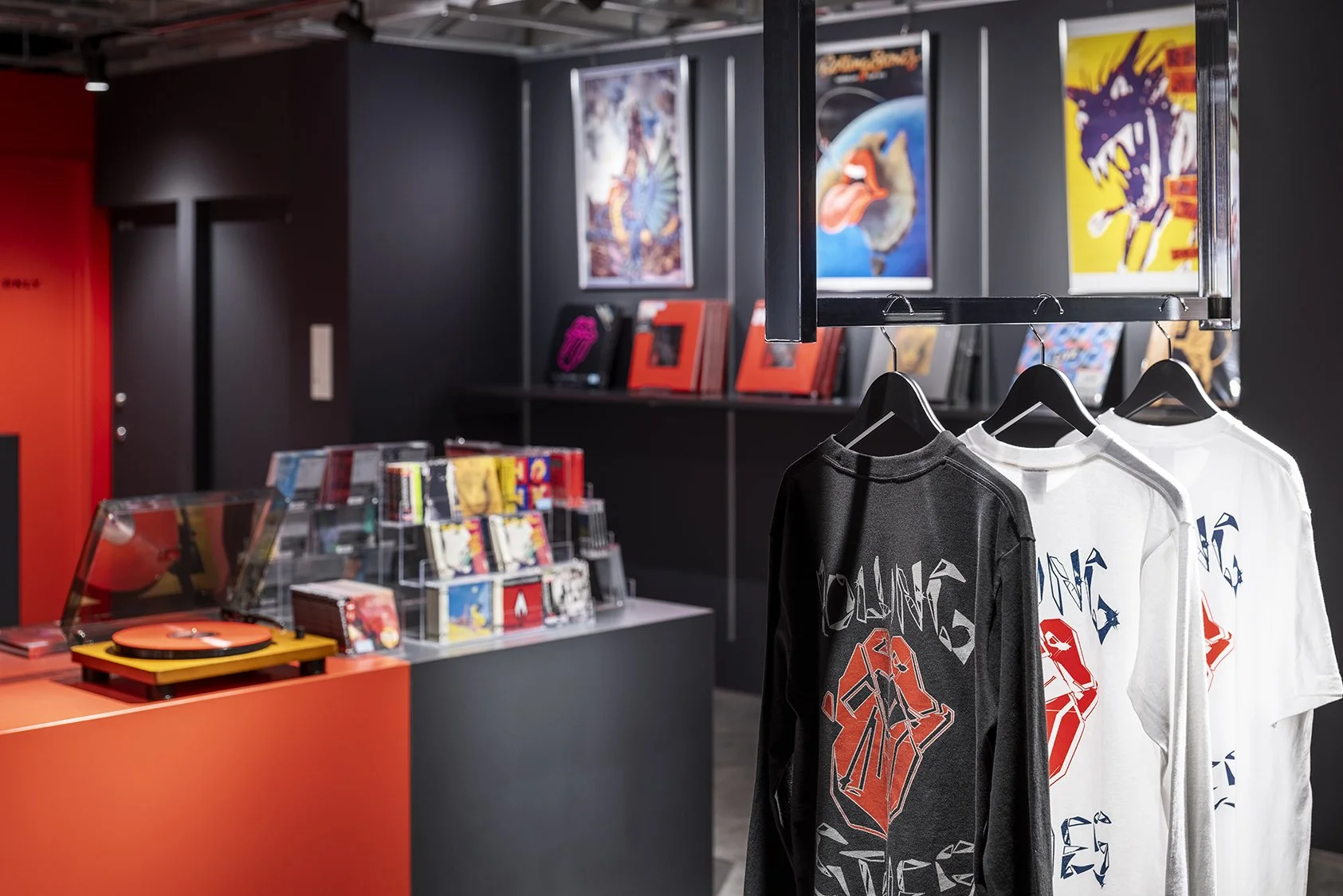
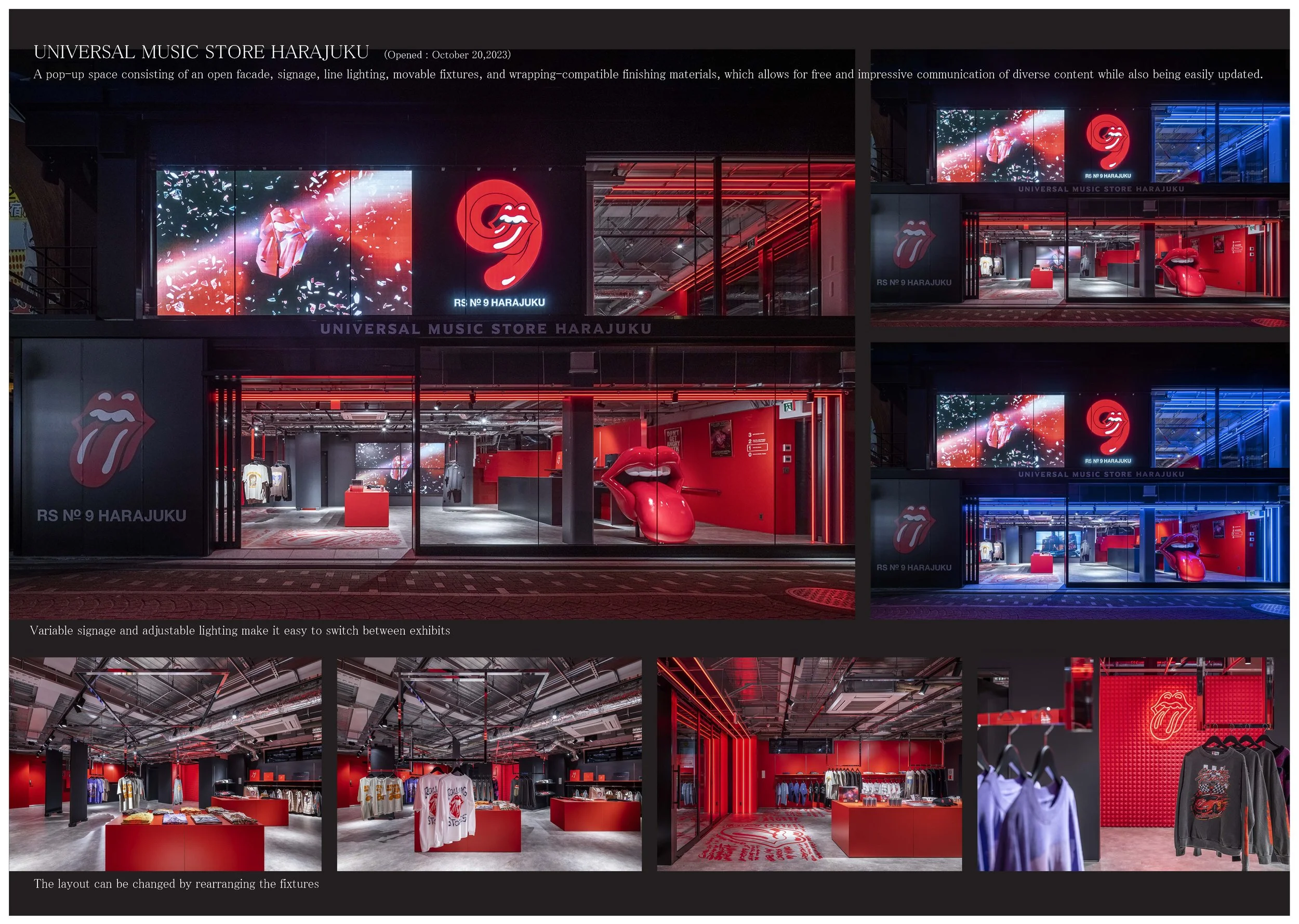
SPACE features an adaptable framework centred around an open frontage, movable fixtures, variable signage, linear lighting, and surfaces that can accommodate temporary graphics. These elements enable the space to transition seamlessly between product launches, exhibitions, and live programs, ensuring that each artist has a strong visual presence that enhances the immediate experience.
The open façade connects the activity directly to Harajuku, making displays, gatherings, and new releases visible from the street. This visibility allows the store's energy to flow into the surrounding neighbourhood, enabling visitors to engage with the program before entering, and making the movement of fans part of the district's public life. The layout is designed to shift easily between different uses. Movable fixtures allow the space to be reconfigured depending on the scale of each event. Merchandise can be presented densely for a major release, while a more open arrangement can support an exhibition, performance, or direct interaction between artists and fans. The space adapts to the needs of each program while maintaining an underlying sense of order.
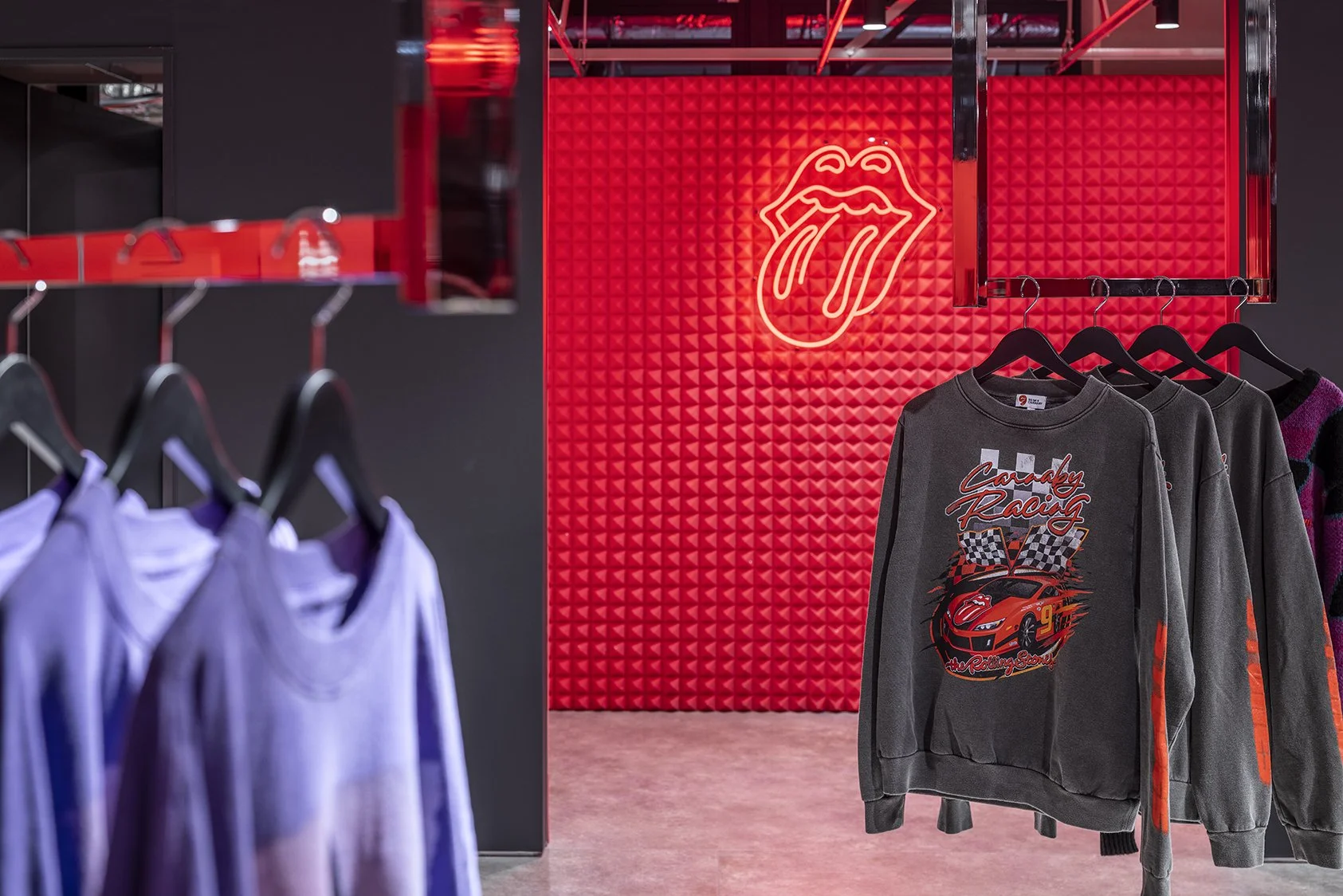
Lighting plays a crucial role in transformation, adding depth to the environment. Linear elements create direction, rhythm, and focus on the floor, enhancing artwork, products, or live activities, tailored to the unique character of each collaboration. Signage and graphic surfaces further amplify the temporary identity of the space, allowing campaign imagery to take center stage for a limited time. The retail store’s permanent identity is rooted in its ability to change. Its character is defined by the quality of its framework and the diverse voices it accommodates. Universal Music is represented through the interactions it fosters between artists, releases, and audiences.
This approach gives physical retail a renewed cultural significance. While music can be streamed anywhere, a shared experience remains tied to specific times and places. An exhibition can unveil the visual world behind an album, a launch can unite a fan community, and a visit can create lasting memories connected to an artist at a particular moment in their career.
Harajuku is an ideal setting for this exchange, as the district has a long history of linking music with fashion, design, and emerging forms of self-expression. The UNIVERSAL MUSIC STORE HARAJUKU actively participates in this culture, evolving its appearance alongside the artists it features.
PEGGY'S EDITOR'S NOTE (2026 Sky Design Awards Editorial Jury)
Harajuku has no shortage of visual noise, so adaptability alone is not a virtue. What matters is that SPACE has made change legible and operational: fixtures, light, signs and wrapped surfaces form a concise kit rather than an accumulation of temporary scenery.
The retail store's lasting identity comes from its willingness to host other identities. That is an appropriate editorial and commercial proposition for a music company; less a monument to the label than an address that can keep pace with its artists and audiences.
EDITOR'S REVIEW
The project's strongest achievement is the separation of durable infrastructure from short-lived content. Artists can transform the store substantially without discarding the underlying fit-out. Movable fixtures, variable signage and adjustable lighting form a complete operational kit. Adaptability is designed into the room rather than improvised for each campaign. The open façade gives the programme an urban presence and strengthens the connection between artists and fans. The store behaves as a cultural platform as well as a point of sale.
ORIGINAL DESIGNER SUBMISSION — VERBATIM
Design Brief
This concept store was opened by Universal Music to deepen the music experience as part of a lifestyle. As a place where fans and artists can connect and experience something special and inspiring, it is constructed with an open facade, signage, linear lighting, movable fixtures, and wrapping-compatible finishing materials, creating a pop-up space that can freely transmit a wide range of content and is easy to update.
Project: UNIVERSAL MUSIC STORE HARAJUKU
Location: Harajuku, Tokyo, Japan
Project type: Interior Design — Retail / Pop-Up and Concept Store
Designer/company: SPACE CO., LTD.
Additional credits: Adaptable fixture, signage, lighting and wrapping system
Client/collaborators: Universal Music